The Googlebook arrives, Musk’s OpenAI control, Anthropic’s new valuation.
 ͏  ͏  ͏  ͏  ͏  ͏  ͏  ͏  ͏  ͏  ͏  ͏  ͏  ͏  ͏  ͏  ͏  ͏  ͏  ͏  ͏  ͏  ͏  ͏  ͏  ͏  ͏  ͏  ͏  ͏  ͏  ͏  ͏  ͏  ͏  ͏  ͏  ͏  ͏  ͏  ͏  ͏  ͏  ͏  ͏  ͏  ͏  ͏  ͏  ͏  ͏  ͏  ͏  ͏  ͏  ͏  ͏  ͏  ͏  ͏  ͏  ͏  ͏  ͏  ͏  ͏  ͏  ͏  ͏  ͏  ͏  ͏  ͏  ͏  ͏  ͏  ͏  ͏  ͏  ͏  ͏  ͏  ͏  ͏  ͏  ͏  ͏  ͏  ͏  ͏  ͏  ͏  ͏  ͏  ͏  ͏  ͏  ͏  ͏  ͏  ͏  ͏  ͏  ͏  ͏  ͏  ͏  ͏  ͏  ͏  ͏  ͏  ͏  ͏  ͏  ͏  ͏  ͏  ͏  ͏  ͏  ͏  ͏  ͏  ͏  ͏  ͏  ͏  ͏  ͏  ͏  ͏  ͏  ͏  ͏  ͏  ͏  ͏ ­ ­ ­ ­ ­ ­ ­ ­ ­ ­ ­ ­ ­ ­ ­ ­ ­ ­ ­ ­ ­ ­ ­ ­ ­ ­ ­ ­ ­ ­ ­ ­ ­ ­ ­ ­ ­ ­ ­ ­ ­ ­ ­ ­ ­ ­ ­ ­ ­ ­ ­ ­ ­ ­ ­ ­ ­ ­ ­ ­ ­ ­ ­ ­ ­ ­ ­ ­ ­ ­ ­ ­ ­ ­ ­ ­ ­ ­ ­ ­ ­ ­ ­ ­ ­ ­ ­ ­ ­ ­ ­ ­ ­ ­ ­ ­ ­ ­ ­ ­ ­ ­ ­ ­ ­ ­ ­ ­ ­ ­ ­ ­ ­ ­ ­ ­ ­ ­ ­ ­ ­ ­ ­ ­ ­ ­ ­ ­ ­ ­ ­ ­ ­ ­ ­ ­ ­ ­  
Wednesday, May 13, 2026
Behold, the Googlebook

Good morning. Big news outta New Jersey, and neither a Boss nor a Bongiovi’s got anything to do with it: Princeton University faculty have voted to require the presence of proctors in all exams administered in person beginning July 1.

The reason? Because students could use artificial intelligence to cheat. (Perish the thought!)

It’s “the most significant change to the honor system since it was established in 1893,” the Daily Princetonian writes, and a sign that the colonial college’s longstanding reliance on individual accountability may not be enough to withstand the allure—how human—of a talkative AI chatbot.

More tech news below. —Andrew Nusca

Want to send thoughts or suggestions to Fortune Tech? Drop a line here.
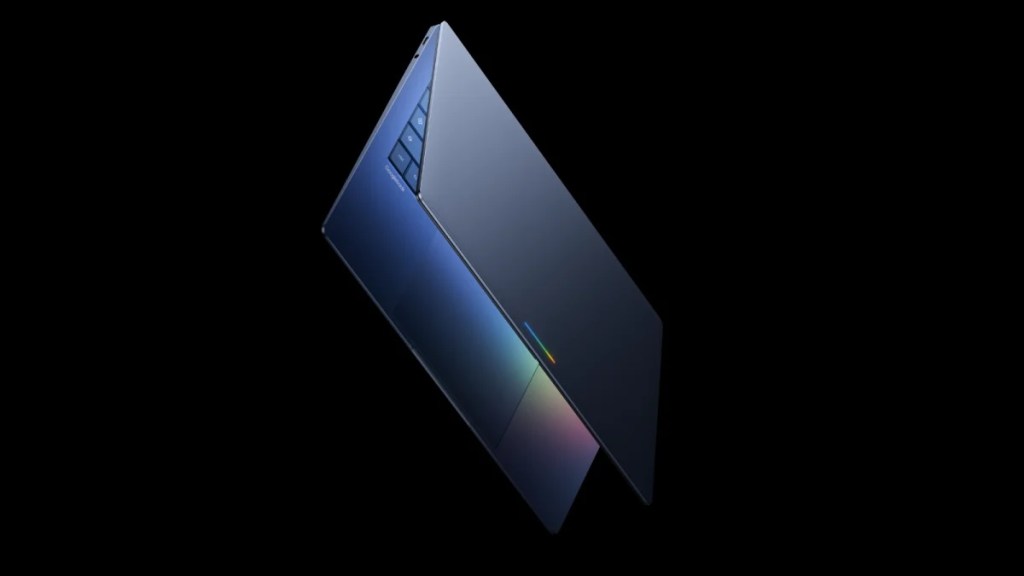
Behold, the Googlebook
Google's new Googlebook laptop. (Courtesy: Google)Google's new Googlebook laptop. Google

Let the low-priced laptop wars begin anew.

First came Apple’s MacBook Neo, a $599 device announced in March. Now Google has revealed a fresh lineup of laptops that it calls the Googlebook—no, not the Chromebook—in a sign it’s working to tie its Android and ChromeOS into a unified operating system and give Apple stiffer competition as they both vie for cash-strapped customers.

But wait, aren’t Chromebooks already cheap? Absolutely. You can pick up an Acer model for a bit over $200 right now. And that will remain the case for the foreseeable future, Google says.

But Google’s new ‘books, expected this fall, promise optimization for “Gemini Intelligence”—that’s the familiar new name of its AI suite—and “perfect” synchronicity with Google Android mobile devices. The writing’s on the wall.

For now, details about the new lineup are sparse. We’ll find out more on May 19 when Google I/O, the big G’s developer conference, begins. 

And though most of the watercooler chatter will be about the MacBook vs Googlebook horse race, the biggest question of all will be price. With a severe global memory shortage and ongoing international trade tensions, can anyone promise a low-margin electronic product without regretting it months later? —AN
Elon Musk once demanded complete control of a proposed OpenAI for-profit arm
In the latest testimony from the ongoing Altman v. Musk trial, OpenAI’s chief executive testified that Elon Musk in 2017 insisted he retain complete control over a proposed for-profit arm of OpenAI.

The vibes? “Extremely uncomfortable,” Sam Altman reportedly said on the stand.

Musk only wanted control in the early days, but was unwilling to sign a contract formalizing it, Altman said. He added that Musk mused that he’d pass that control on to his children if something were to happen to him—a “hair-raising” prospect for a lab committed to developing AI for the benefit of humanity.

The trial, of course, is centered on whether OpenAI abandoned its charitable founding mission as its for-profit arm fundraised record sums from Microsoft and others and its parent company restructured into a public-benefit corporation. OpenAI is today considered the world’s most valuable private company.

Musk, an OpenAI cofounder and once its largest financial backer, is seeking tens of billions of dollars in damages, an unwinding of the restructuring that was completed in October, and the removal of Altman and president Greg Brockman from their posts. 

After Musk left OpenAI’s board in 2018, he founded rival xAI, which in February merged with his SpaceX. Last year, Musk made an unsolicited $97 billion offer to control OpenAI as he and Altman traded barbs on social media. —AN
Anthropic is reportedly fundraising at a $950 billion valuation
Speaking of the world’s most valuable private companies…

Anthropic, the Manchester United to OpenAI’s Liverpool, is reportedly in talks to raise between $30 billion and $50 billion in a round that would value the surging AI company at an astounding $950 billion. 

(From whom, you ask? We don’t yet know. But Anthropic’s largest current investors include Amazon, Google, the Singaporean sovereign wealth fund GIC, and Philippe Laffont’s Coatue Management.)

That would allow Anthropic to—for now—leapfrog its rival to become the world’s most valuable private company. OpenAI was last valued at $852 billion in March.

Though investors have unquestionably focused their energies on a handful of competitors in the AI race, there’s little doubt that they have invested record amounts—an estimated $297 billion in the first three months of this year—in AI companies. (That includes “four of the five largest deals ever recorded,” the New York Times notes. Dear me.)

How did a company co-founded by two OpenAI alums manage to catch up to the original firm? By focusing on the money. While OpenAI focused on its consumer chatbot ChatGPT and visions of artificial general intelligence (AGI), Anthropic developed tools that businesses with deep pockets were happy to use—among them Claude Code, which facilitates autonomous software development, and Mythos, an AI model that has proven potent at finding software vulnerabilities in record time.  —AN
More tech
Chip stocks drop. Qualcomm, Intel, SanDisk, and Micron take hits as investor worries about inflation trigger a selloff amid a broader AI rally.

eBay rejects GameStop's $56B takeover offer, saying the unsolicited bid is “neither credible nor attractive.” (Ouch.)

xAI adds 19 gas turbines to its Colossus 2 supercomputer in Memphis, Tenn., as it fights a lawsuit alleging Clean Air Act violations.

Waymo recalls about 3,800 robotaxis in the U.S. Software issues caused one to drive onto a flooded road in San Antonio.

Samsung and a major labor union are at an impasse. Without a pay deal, the South Korean union will strike for 18 days from May 21st.

Cyberattack at Foxconn’s North American facilities. The ransomware group Nitrogen claims it stole 8 terabytes of data.

Isomorphic Labs raises $2.1 billion. The AI-fueled drug discovery firm, founded and led by Demis Hassabis, spun out of Google DeepMind in 2021.