
|
 |
Fighting for journalism and profitable news media
Reuters: AI deals only involve archive text | Globe and Mail grows newsroom by 10%
And former CNN host Don Lemon on turning a profit with his five-person media network
|

| |||||||||||||||


Good morning from the team at Press Gazette on Tuesday, 12 May.
Press Gazette’s awards for the best digital journalism products (newsletters, podcasts, websites, etc.) are now open for entries. Find out more here.
 |
🤖 With annual turnover of $7.5bn (£5.5bn) Thomson Reuters is one of the biggest news and professional information businesses in the world.
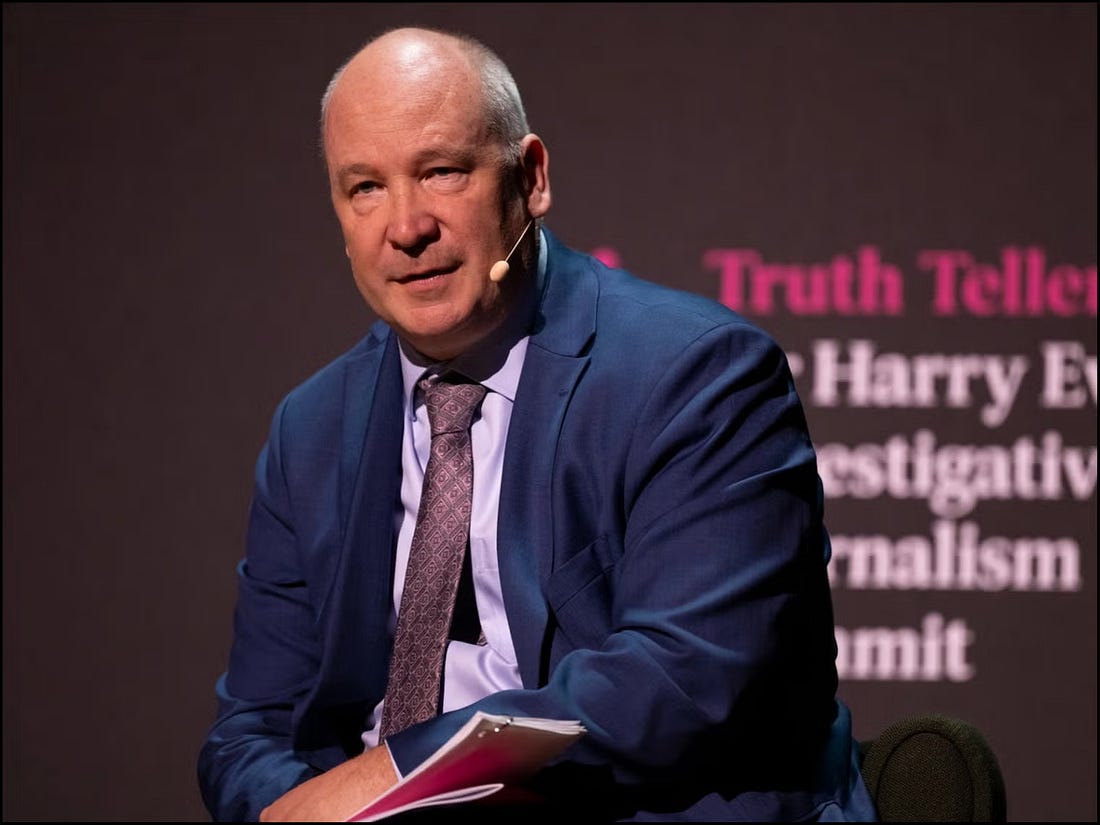
But CEO Steve Hasker revealed at the Sir Harry Evans Investigative Journalism summit in London that even they, with their army of lawyers and serious financial clout, struggle to get straight answers out of the AI industry.
He said he showed one AI industry boss clear evidence they were scraping and reproducing Reuters foreign news coverage without credit and he was met with an attitude of wilfully ignoring the problem.
Reuters has done a number of AI licensing deals and Hasker revealed that these involved access to the text-based archive - not live news, pictures, video or audio. Reuters also appears to have agreed deals whereby Microsoft Copilot and Meta’s AI chatbot use Reuters content.
The current assumption from the tech industry appears to be, Hasker said, if they can scrape your content they will take it.
This makes it vital that publishers have a handle on identifying scrapers and blocking unwanted ones as far as they can. Various tech providers (including Tollbit, Cloudflare and Amazon Web Services) are now providing this service.
 |
He revealed that booming online subscriptions revenue enabled him to increase his editorial team by 10% last year (amid a backdrop of widespread redundancies elsewhere).
The winning formula, he revealed, was selling subscriptions by investing in business news - then getting readers to stick around and renew by investing in content which informed their other interests, such as sport, local news, property and the arts. He said they have also tried hard to create content more relevant to people’s everyday lives such as the challenges of dealing with ageing parents and absenteeism in schools.
Walmsley said journalists shouldn’t allow themselves to get distracted by all the understandable complaints made about tech platforms taking publisher revenue. Their mission remains the same, he said, which is to create “the strongest, bravest, most independent journalism that can be done”.
 |
Three years after he was fired by the US news channel, Lemon now has ten million social media followers and a fiv