Weaponizing AI, Meta lawsuit, Nadella testifies for Altman v. Musk.
 ͏  ͏  ͏  ͏  ͏  ͏  ͏  ͏  ͏  ͏  ͏  ͏  ͏  ͏  ͏  ͏  ͏  ͏  ͏  ͏  ͏  ͏  ͏  ͏  ͏  ͏  ͏  ͏  ͏  ͏  ͏  ͏  ͏  ͏  ͏  ͏  ͏  ͏  ͏  ͏  ͏  ͏  ͏  ͏  ͏  ͏  ͏  ͏  ͏  ͏  ͏  ͏  ͏  ͏  ͏  ͏  ͏  ͏  ͏  ͏  ͏  ͏  ͏  ͏  ͏  ͏  ͏  ͏  ͏  ͏  ͏  ͏  ͏  ͏  ͏  ͏  ͏  ͏  ͏  ͏  ͏  ͏  ͏  ͏  ͏  ͏  ͏  ͏  ͏  ͏  ͏  ͏  ͏  ͏  ͏  ͏  ͏  ͏  ͏  ͏  ͏  ͏  ͏  ͏  ͏  ͏  ͏  ͏  ͏  ͏  ͏  ͏  ͏  ͏  ͏  ͏  ͏  ͏  ͏  ͏  ͏  ͏  ͏  ͏  ͏  ͏  ͏  ͏  ͏  ͏  ͏  ͏  ͏  ͏  ͏  ͏  ͏  ͏ ­ ­ ­ ­ ­ ­ ­ ­ ­ ­ ­ ­ ­ ­ ­ ­ ­ ­ ­ ­ ­ ­ ­ ­ ­ ­ ­ ­ ­ ­ ­ ­ ­ ­ ­ ­ ­ ­ ­ ­ ­ ­ ­ ­ ­ ­ ­ ­ ­ ­ ­ ­ ­ ­ ­ ­ ­ ­ ­ ­ ­ ­ ­ ­ ­ ­ ­ ­ ­ ­ ­ ­ ­ ­ ­ ­ ­ ­ ­ ­ ­ ­ ­ ­ ­ ­ ­ ­ ­ ­ ­ ­ ­ ­ ­ ­ ­ ­ ­ ­ ­ ­ ­ ­ ­ ­ ­ ­ ­ ­ ­ ­ ­ ­ ­ ­ ­ ­ ­ ­ ­ ­ ­ ­ ­ ­ ­ ­ ­ ­ ­ ­ ­ ­ ­ ­ ­ ­  
Tuesday, May 12, 2026
Google: Hackers are using AI to weaponize zero-day vulnerabilities

Good morning. Huge news if you’re a Venmo user: The PayPal-owned service will reportedly change the default setting for the payments feed of new users to “friends only” rather than “public.”

If true, it’s the end of a freewheeling era for a payments app that took the 2010s by storm for, well, letting it all hang out. (And creating another language all its own to maintain a gossamer veil of privacy without going into lockdown.)

I’d say the change also brings to a close the era of discovering secret social media accounts for sitting U.S. presidents, but something tells me that we’re only at the beginning, eh?

Today’s tech news below. —Andrew Nusca

Want to send thoughts or suggestions to Fortune Tech? Drop a line here.
Google: Hackers are using AI to weaponize zero-day vulnerabilities
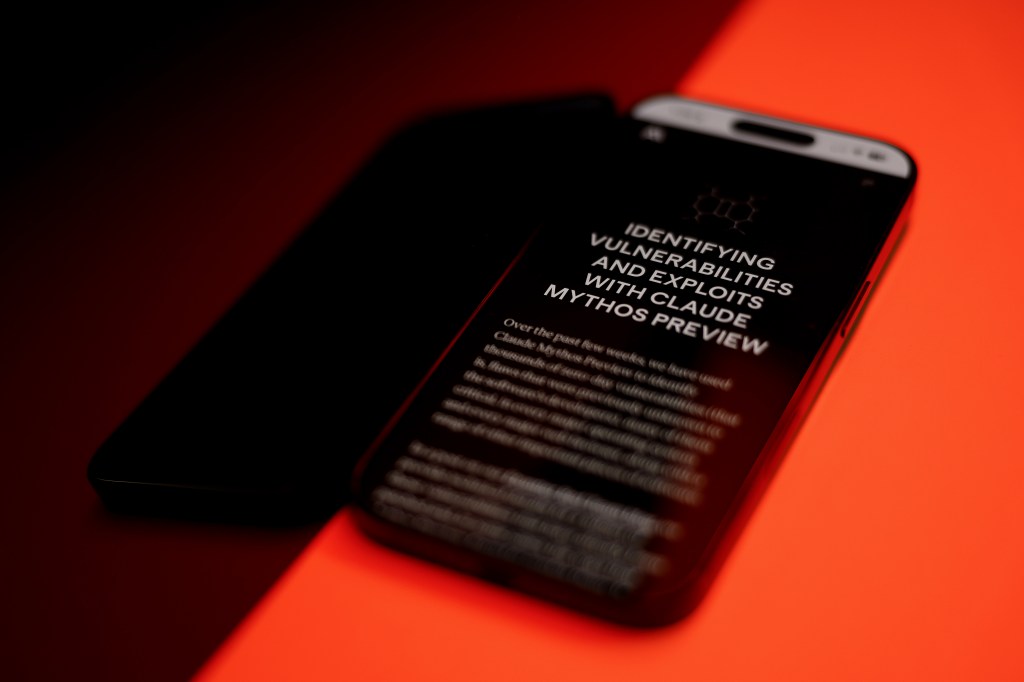
A mobile webpage discussing Anthropic's Mythos tool on its Project Glasswing website on April 23, 2026. (Photo: Brendon Thorne/Bloomberg/Getty Images)A mobile webpage discussing Anthropic's Mythos tool on its Project Glasswing website on April 23, 2026.Brendon Thorne/Bloomberg/Getty Images

Google’s Threat Intelligence Group said Monday that it was able to stop an effort by hackers to use AI to “plan a mass vulnerability exploitation operation.”

According to Google, the hackers used an AI model to find, then exploit, a zero-day vulnerability, the name for a software flaw that developers aren’t yet aware of.

Google said its “proactive counter discovery” may have prevented the operation from occurring. The company added that it doesn’t believe its own Gemini model was used.

It is widely expected that AI will be used by threat actors, as they’re known, to sow chaos. In April, for example, Anthropic delayed the rollout of its powerful Mythos model because it was concerned that the baddies would use it to exploit software vulnerabilities before they’re patched. (Anthropic has since released the model in a limited fashion to allow those long-extant bugs to be squashed.)

In its latest report, Google’s TIG confirmed that threat actors are using AI and AI agents to find vulnerabilities and exploit them, create obfuscation networks and decoy logic to evade detection, autonomously orchestrate attacks, and fabricate digital consensus using synthetic media. The group added that there’s notable activity among actors associated with China and North Korea.

“As organizations continue integrating large language models (LLMs) into production environments,” Google said, “the AI software ecosystem has emerged as a primary target for exploitation.” —AN
Meta sued on allegations of scam advertisements
Meta was sued by Santa Clara County, California, over allegations that the company “knowingly facilitates and profits from billions of scam advertisements” on its social networks, including Facebook and Instagram. 

The complaint accuses the social networking giant of defrauding seniors and families with scam ads, which the company allegedly tracks. Meta makes approximately $7 billion in revenue each year from these kinds of ads, according to a statement from Tony LoPresti, the Santa Clara County counsel, who is bringing the lawsuit. 

LoPresti is seeking injunctive relief, civil penalties and restitution for money lost as a result of Meta’s actions. (A spokesperson for Meta did not immediately respond to a request for comment.)

Santa Clara County houses much of Silicon Valley, and many of Meta’s employees live there, including CEO Mark Zuckerberg. Meta’s headquarters are in neighboring San Mateo County.

Meta makes the vast majority of its revenue from advertisements, and brought in over $200 billion in sales in 2025. LoPresti claims certain ads promote a series of scams, including “fraudulent financial products, cryptocurrency schemes, purported cures for incurable diseases, ineffective nutritional supplements, and impersonations of celebrities asking for monetary contributions.” —Catherina Gioino
Nadella: Musk never contacted me with concerns about Microsoft’s OpenAI investments
At long last, Microsoft CEO Satya Nadella has taken the stand in the ongoing Musk v. Altman trial.

In several hours of questioning, the Big Tech chief shared details about the early days of Microsoft’s long-running partnership with OpenAI and the role he played during the shocking temporary ouster of OpenAI CEO Sam Altman in 2023. 

But it was Nadella’s comments about OpenAI co-founder and xAI CEO Elon Musk, whose lawsuit accuses OpenAI of abandoning its charitable mission for profit generation, that stood out. 

Musk never contacted Nadella with concerns that Microsoft’s OpenAI investments were in violation of any existing commitments, the Microsoft CEO said, despite Musk’s later comments that Microsoft’s $10 billion investment was evidence of OpenAI violating its charitable mission.

“We have each other’s phone numbers,” Nadella testified.

Musk added Microsoft to the suit several months after suing OpenAI in 2024, alleging that the company helped OpenAI abandon its founding mission. 

On Monday, Nadella rejected that claim. “It has always been my view that the nonprofit approved the creation of the for-profit so that they could pursue the mission,” he said.

And what of Microsoft’s $13 billion of investments in OpenAI’s for-profit arm? Nadella described it as a “win-win” situation after Microsoft shouldered “all the risk” once Musk stopped funding OpenAI and left its board in 2018.

OpenAI had a “zero percent chance of success” after Musk’s departure, Musk allegedly told co-founder Ilya Sutskever, because it didn’t have a “big enough computer” to pursue artificial general intelligence. So what’s wrong with Microsoft footing the bill? —AN
More tech
OpenAI launches a consulting arm with a $4 billion investment and the acquisition of Tomoro.

RCS messaging encryption finally comes to Apple iOS.

Texas sues Netflix for allegedly collecting their data without consent.

Federal AI regulation turf war. Which agency will review new advanced AI models? The Office of the National Cyber Director and CAISI reportedly fight it out.

Wise plans to debut on the Nasdaq and relist in London on a secondary basis. The fintech firm specializes in multi-currency financial accounts.

Thinking Machines Lab debuts “interaction models” to meet human users where they’re at.

Cowboy Space, an orbital data center startup led by a Robinhood co-founder, is now worth $2 billion.