| | Donald Trump invites more than a dozen CEOs to China, some airlines are starting to cut prices, and ͏ ͏ ͏ ͏ ͏ ͏ |
| |  | Flagship |  |
| |
|
The World Today | 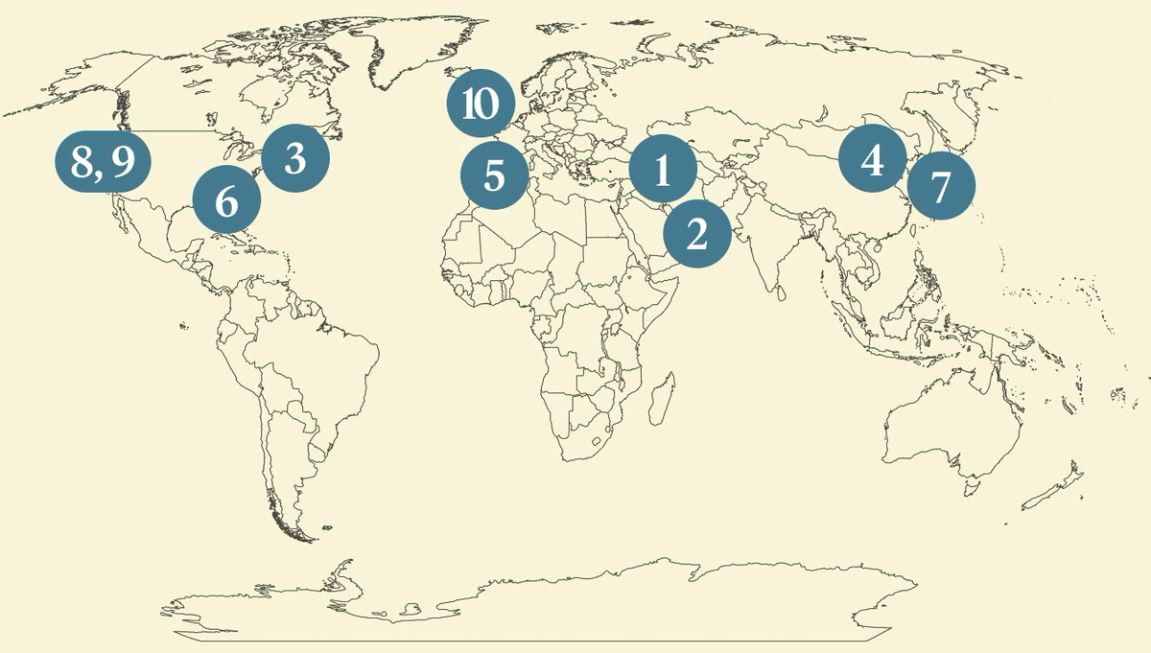 - Iran truce on ‘life support’
- Conflict alters Gulf status quo
- Trump’s China delegation
- Beijing has upper hand
- Spain wants an EU army
- Airlines lure hesitant travelers
- Chips boost Asia markets
- Cyberattack helped by AI
- AI alignment runs on vibes
- Fewer plus-size models
 A genre-hopping record from an 83-year-old bluesman. |
|
Trump says truce on ‘life support’ |
 US Central Command/Handout via Reuters US Central Command/Handout via ReutersUS President Donald Trump said Washington’s ceasefire with Tehran is on “massive life support,” a day after he rejected Iran’s terms for ending the war and reopening the Strait of Hormuz. Oil prices ticked back up on Monday as the countries’ standoff deepened; both sides have signaled they are dug in on their stances. It’s unclear whether Trump would resume military attacks on Iran, though the US Navy advertised the arrival of a nuclear-armed submarine near the Mediterranean, widely interpreted as a warning to Tehran. As concerns over global energy supply ballooned, Trump on Monday backed suspending the federal gas tax to ease the strain on Americans’ wallets at the pump. |
|
US defeat would alter Gulf status quo |
 Majid Asgaripour/WANA (West Asia News Agency) via Reuters Majid Asgaripour/WANA (West Asia News Agency) via ReutersThe US is set to face outright defeat in the Iran war, a prominent neoconservative strategist argued. Robert Kagan — who advised several Republican candidates and has fiercely supported foreign intervention, particularly the Iraq war — wrote in The Atlantic that losing the war in Iran “can neither be repaired nor ignored,” in part because it will alter the status quo of the region: The conflict will likely end with Tehran still overseeing the Strait of Hormuz, controlling the flow of ships and extracting tolls. President Donald Trump has limited options — another round of US military strikes risks counterstrikes against Gulf energy infrastructure that could further imperil the global economy. “If this isn’t checkmate, it’s close,” Kagan wrote. |
|
Trump invites CEOs to China |
  Story photo: Evelyn Hockstein/Reuters. Header photo: Andrew Caballero-Reynolds/AFP via Getty Images Story photo: Evelyn Hockstein/Reuters. Header photo: Andrew Caballero-Reynolds/AFP via Getty ImagesThe White House invited more than a dozen CEOs, including top tech and finance leaders, to join US President Donald Trump on his visit to China this week, as Washington looks to seal business deals with Beijing. The heads of Apple, Tesla, and Goldman Sachs are on the list, as well as the CEOs of Boeing and agricultural giant Cargill; China is expected to commit to buying more Boeing jets and American soybeans. Absent from the delegation are oil and gas CEOs. The administration has invited firms “that would benefit, broadly, from an open door to China,” Semafor’s Ben Smith wrote. “In Donald Trump’s personalist Washington, these big American companies… tend to drive policy far more than any broader strategy or ideology.” |
|
China’s advantage in US talks |
  Story photo: Carlos Barria/Reuters. Header photo: Andrew Caballero-Reynolds/AFP via Getty Images Story photo: Carlos Barria/Reuters. Header photo: Andrew Caballero-Reynolds/AFP via Getty ImagesBeijing has a strong hand to play against US President Donald Trump in this week’s summit, analysts said. Chinese leader Xi Jinping has “displayed confidence in going toe-to-toe” with Trump, The Washington Post wrote, while China is “locked and loaded” for another economic fight, an expert told The New York Times. China has the upper hand because of its dominance in rare earths and diplomatic leverage in the Iran war, which could allow Beijing to extract concessions, a prominent commentator argued. Trump’s advisers are “concerned he’s heading into a summit he’s not adequately prepared for,” Eurasia Group’s Ian Bremmer wrote in a note. But Washington still has an advantage through its superiority in chips and AI, a former US diplomat argued. |
|
EU pushes for sovereignty |
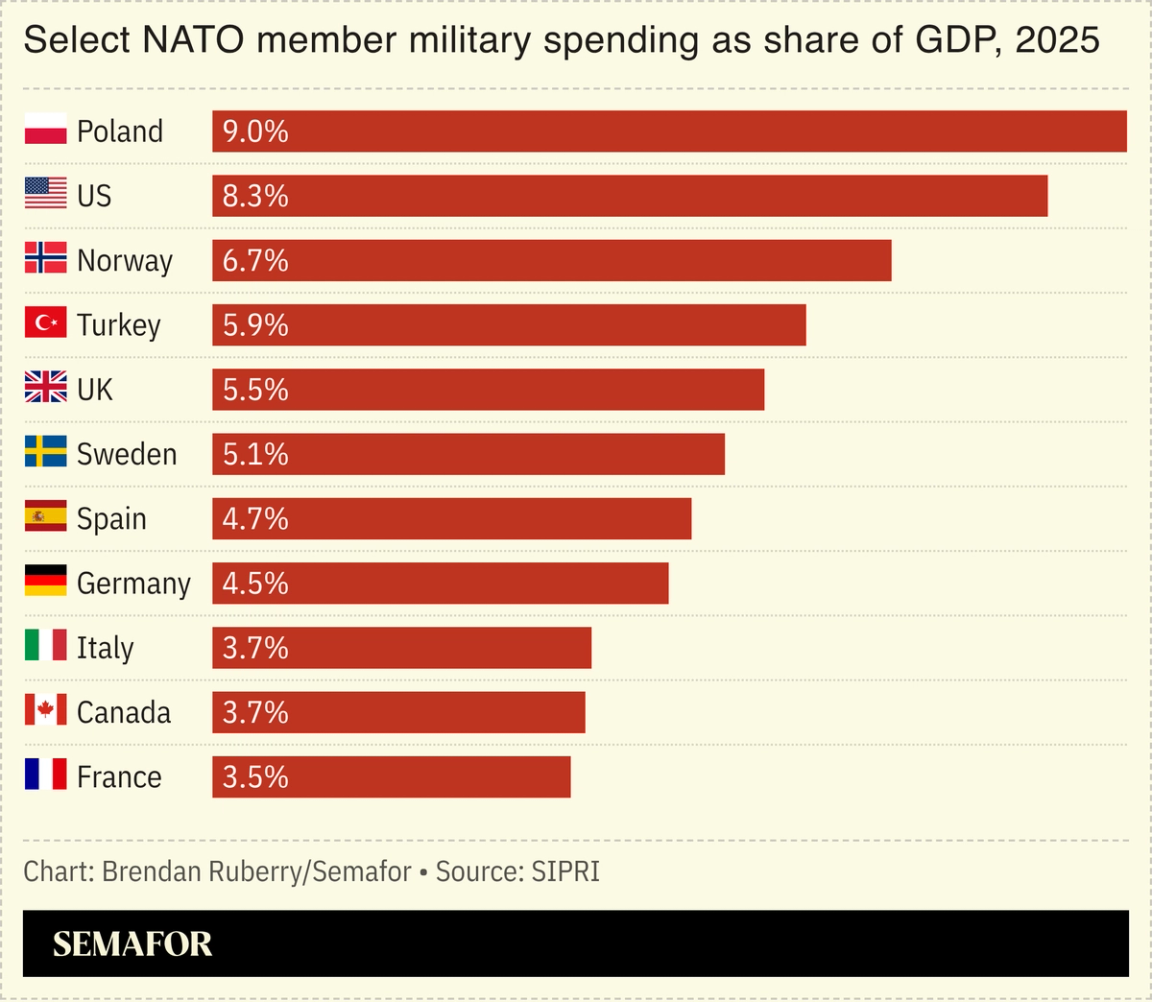 Spain called for the creation of an EU army, part of a broader shift toward European sovereignty. “We cannot be waking up every morning wondering what the US will do next,” the country’s foreign minister told Politico. Calls for European armies date back to the 1950s, but the wars in Ukraine and Iran have made it politically more palatable and financially more viable, with Brussels and member states readying $943 billlon in defense spending by 2030. Tech will be more difficult to decouple: European businesses are reliant on US digital services, and Washington is increasingly using that leverage. “The scale of Europe’s dependence… is only just beginning to dawn on citizens and policymakers,” the Financial Times reported. |
|
Some European flights now cheaper |
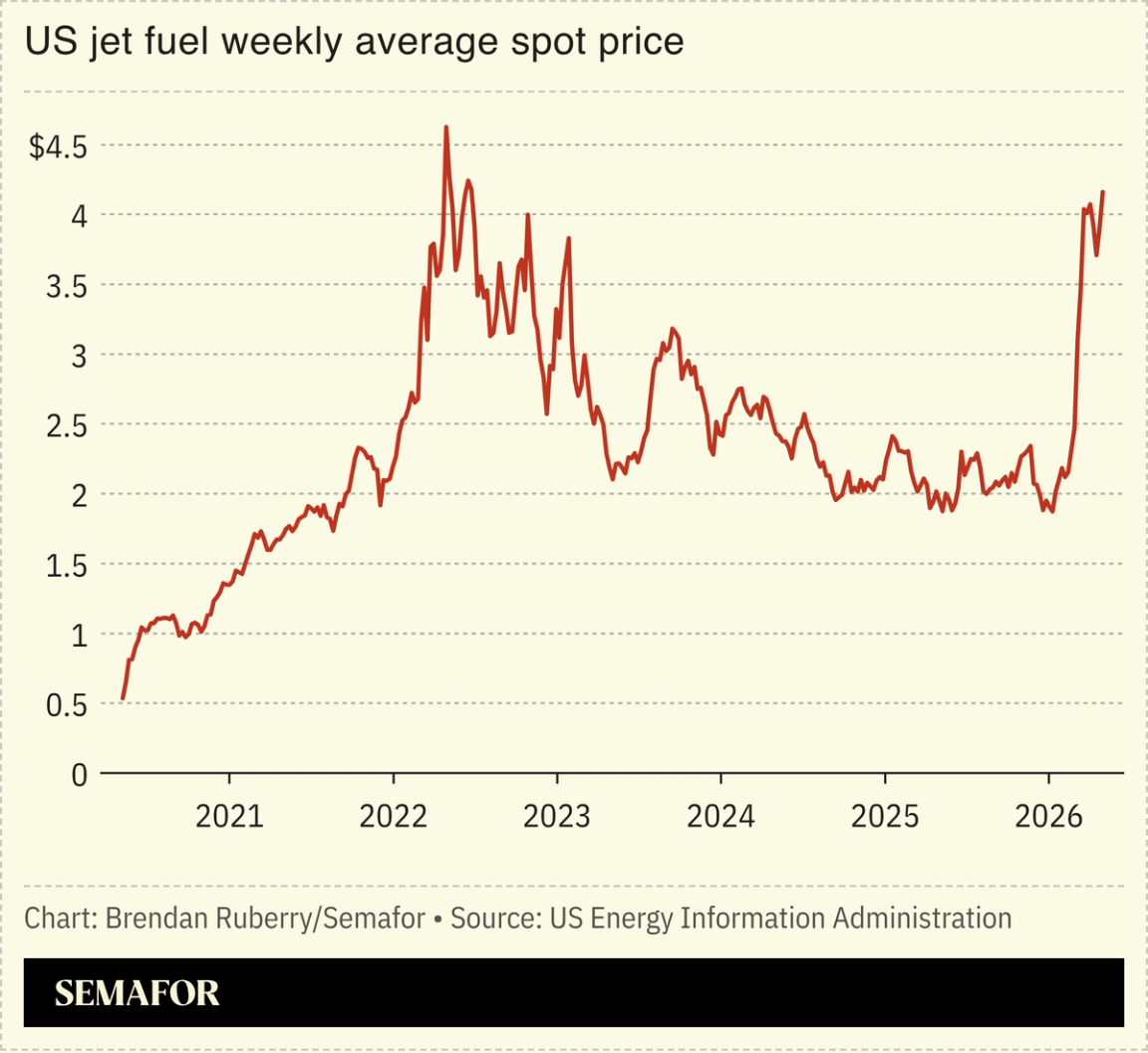 Airlines are lowering prices for some European flights after customers hesitated to book tickets amid the Iran war. Fears of a jet fuel shortage — and subsequent flight cuts and airfare hikes — have led many to hold off on booking summer travel. But a Financial Times analysis of flights to popular Southern European destinations suggests airlines are now trying to incentivize buyers with lower fares. Some US airlines have raised fares because of the fuel crunch, but experts say demand remains strong among Americans for summer trips. Rather than give up travel altogether, many consumers are instead looking for lower-budget options. |
|
Demand for AI chips powers Asian stocks |
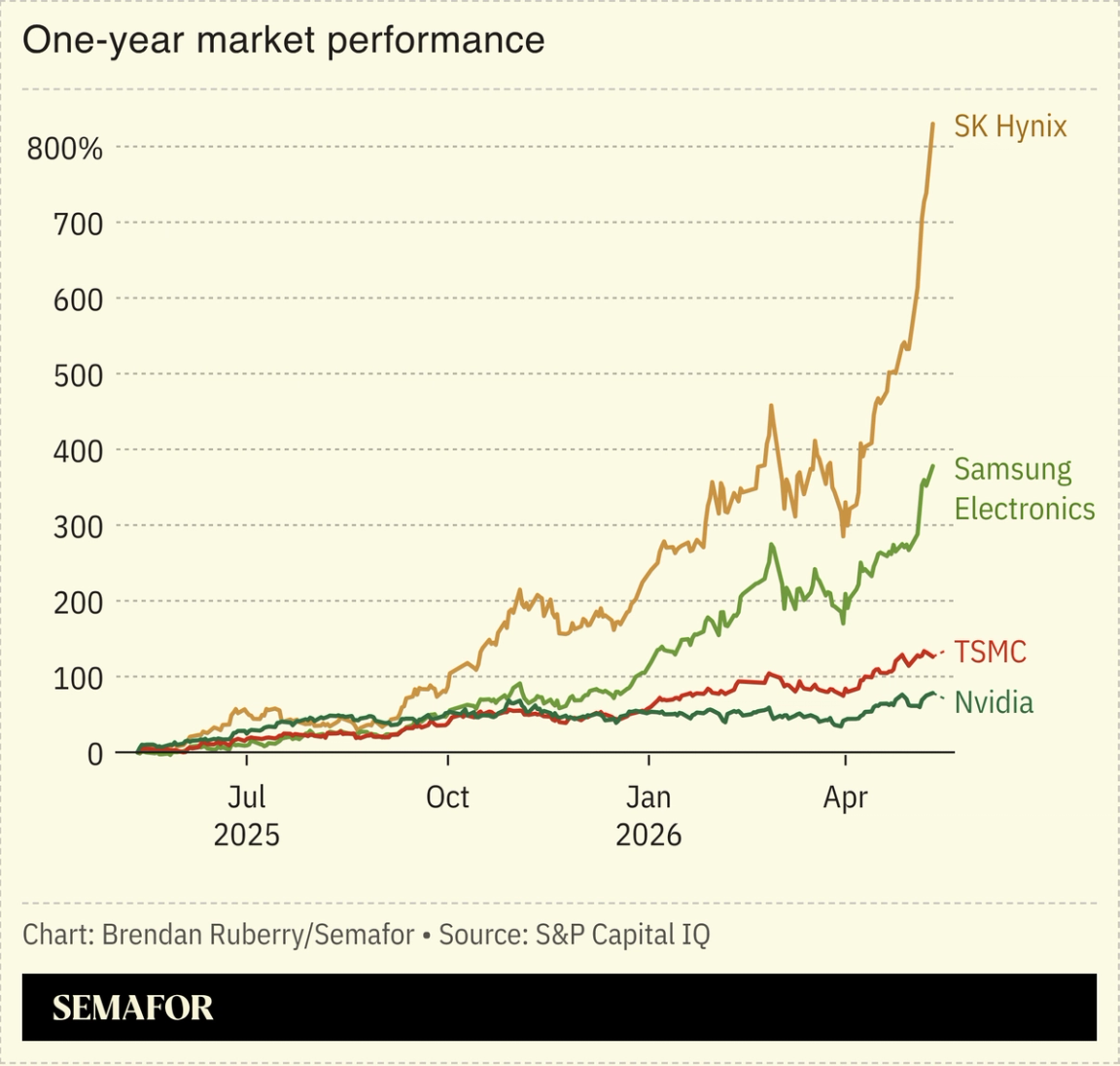 The AI boom is pushing East Asian stock markets to record highs even as their economies feel the pain of wartime supply disruptions. JPMorgan Chase on Monday lifted its target for South Korean stocks on surging AI-related demand for semiconductors. Asia’s three most valuable firms are chipmakers: Some investors are pouring into those companies on the belief that they already make money from AI, Reuters wrote, in contrast to doubts over the payoff from their American counterparts’ massive AI spending. Still, the dynamic in South Korea, Japan, and Taiwan somewhat mirrors the US, in which tech is propping up equity markets even as broad economic uncertainty persists because of the Iran war. |
|
Google spots AI-aided ‘zero-day attack’ |
 Danielle Villasana/Reuters Danielle Villasana/ReutersGoogle said it identified a cyberattack that relied on AI to detect a previously unknown bug. The tech giant said it’s the first time it has seen AI involved in a “zero-day attack,” which exploits a vulnerability that the company was unaware of. “We believe this is the tip of the iceberg,” a Google security analyst said. Experts, as well as AI companies themselves, have warned of the danger that advanced AI systems could pose to cyber defenses; Anthropic held off on releasing its latest model for that exact reason. While such fears could push the US and China — fierce technological rivals — to discuss AI safety, Beijing has little incentive to slow down, Semafor’s tech editor noted. |
|
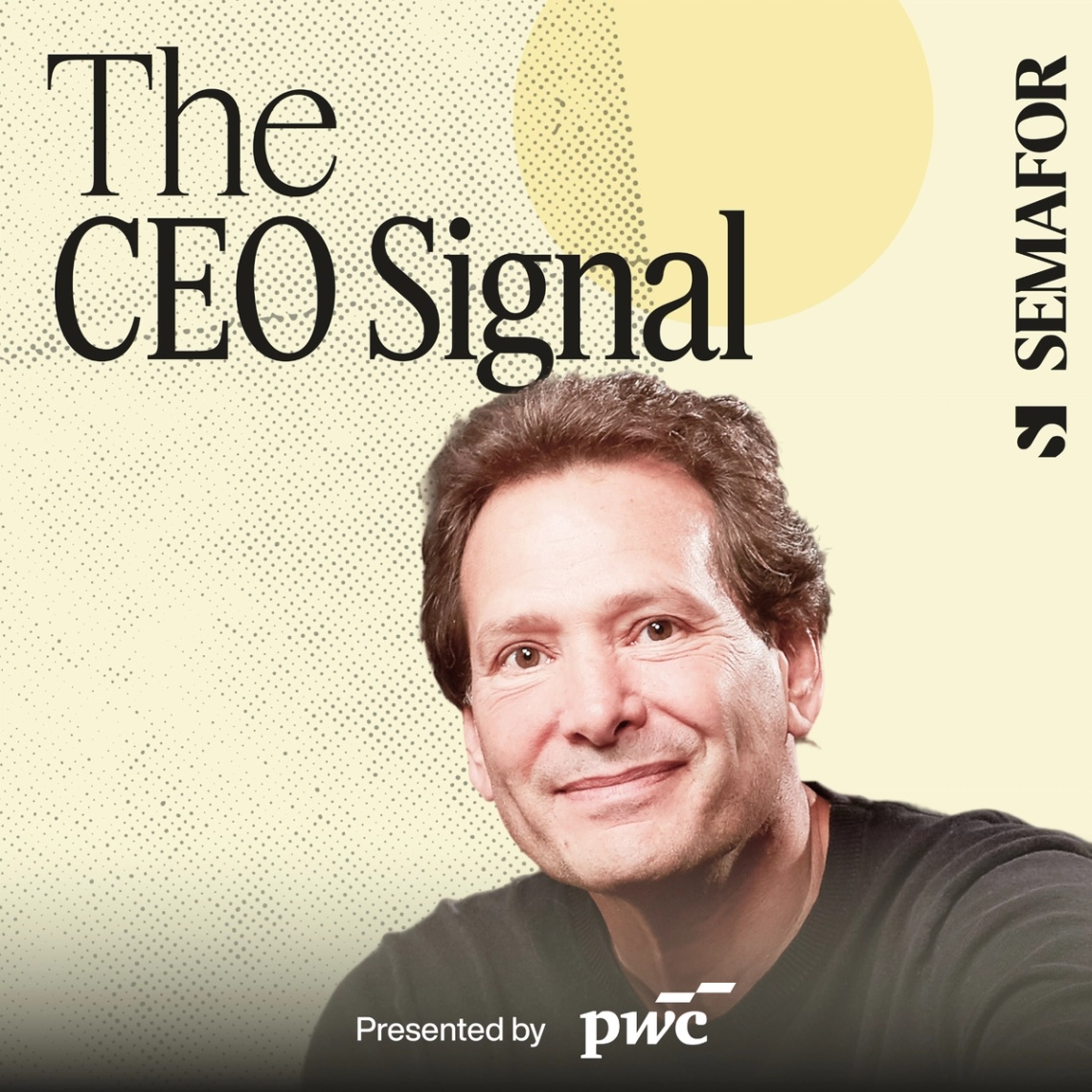 Verizon had spent years losing ground to its rivals. Dan Schulman came out of retirement last October to change that. On this week’s episode of The CEO Signal, presented by PwC, Penny Pritzker and Andrew Edgecliffe-Johnson ask him why he said yes to the CEO job after turning it down twice, and how he plans to lead Verizon back to growth. Leadership is about defining reality while inspiring hope, Schulman says, as he explains why he laid off thousands of employees but also felt a responsibility to invest in equipping them with AI skills. And the martial arts practitioner shares how he’s working to drive urgency and a competitive culture: “If somebody’s going to punch me, I’m going to punch back.” |
|
Teaching AI morality through stories |
 Denis Balibouse/Reuters Denis Balibouse/ReutersAI alignment is increasingly about vibes rather than rules. As AI becomes more powerful, ensuring it does what we want it to do, “aligning” it, becomes both more important and more difficult. Anthropic noted its Claude model displayed worrying behavior, including blackmailing engineers to avoid being shut down. Its latest research suggests that it did so partly because of stories in its training data — presumably fiction about AI going rogue — and that the best fix was not precise rules, but stories about AI behaving well. Anthropic and OpenAI recently met with religious leaders of various faiths to discuss AI’s ethical development: After all, if stories will drive AI morality, which stories to tell it becomes a hot-button issue. |
|
Fewer plus-size models on runways |
|
|


