Plus: Meet the quiet engineer-CEO building America’s $31 billion weapons startup.
 ͏  ͏  ͏  ͏  ͏  ͏  ͏  ͏  ͏  ͏  ͏  ͏  ͏  ͏  ͏  ͏  ͏  ͏  ͏  ͏  ͏  ͏  ͏  ͏  ͏  ͏  ͏  ͏  ͏  ͏  ͏  ͏  ͏  ͏  ͏  ͏  ͏  ͏  ͏  ͏  ͏  ͏  ͏  ͏  ͏  ͏  ͏  ͏  ͏  ͏  ͏  ͏  ͏  ͏  ͏  ͏  ͏  ͏  ͏  ͏  ͏  ͏  ͏  ͏  ͏  ͏  ͏  ͏  ͏  ͏  ͏  ͏  ͏  ͏  ͏  ͏  ͏  ͏  ͏  ͏  ͏  ͏  ͏  ͏  ͏  ͏  ͏  ͏  ͏  ͏  ͏  ͏  ͏  ͏  ͏  ͏  ͏  ͏  ͏  ͏  ͏  ͏  ͏  ͏  ͏  ͏  ͏  ͏  ͏  ͏  ͏  ͏  ͏  ͏  ͏  ͏  ͏  ͏  ͏  ͏  ͏  ͏  ͏  ͏  ͏  ͏  ͏  ͏  ͏  ͏  ͏  ͏  ͏  ͏  ͏  ͏  ͏  ͏ ­ ­ ­ ­ ­ ­ ­ ­ ­ ­ ­ ­ ­ ­ ­ ­ ­ ­ ­ ­ ­ ­ ­ ­ ­ ­ ­ ­ ­ ­ ­ ­ ­ ­ ­ ­ ­ ­ ­ ­ ­ ­ ­ ­ ­ ­ ­ ­ ­ ­ ­ ­ ­ ­ ­ ­ ­ ­ ­ ­ ­ ­ ­ ­ ­ ­ ­ ­ ­ ­ ­ ­ ­ ­ ­ ­ ­ ­ ­ ­ ­ ­ ­ ­ ­ ­ ­ ­ ­ ­ ­ ­ ­ ­ ­ ­ ­ ­ ­ ­ ­ ­ ­ ­ ­ ­ ­ ­ ­ ­ ­ ­ ­ ­ ­ ­ ­ ­ ­ ­ ­ ­ ­ ­ ­ ­ ­ ­ ­ ­ ­ ­ ­ ­ ­ ­ ­ ­  
Fortune 500 Digest with Alyson Shontell
Saturday, May 9, 2026
Foreword
Alyson Shontell
Editor-in-Chief

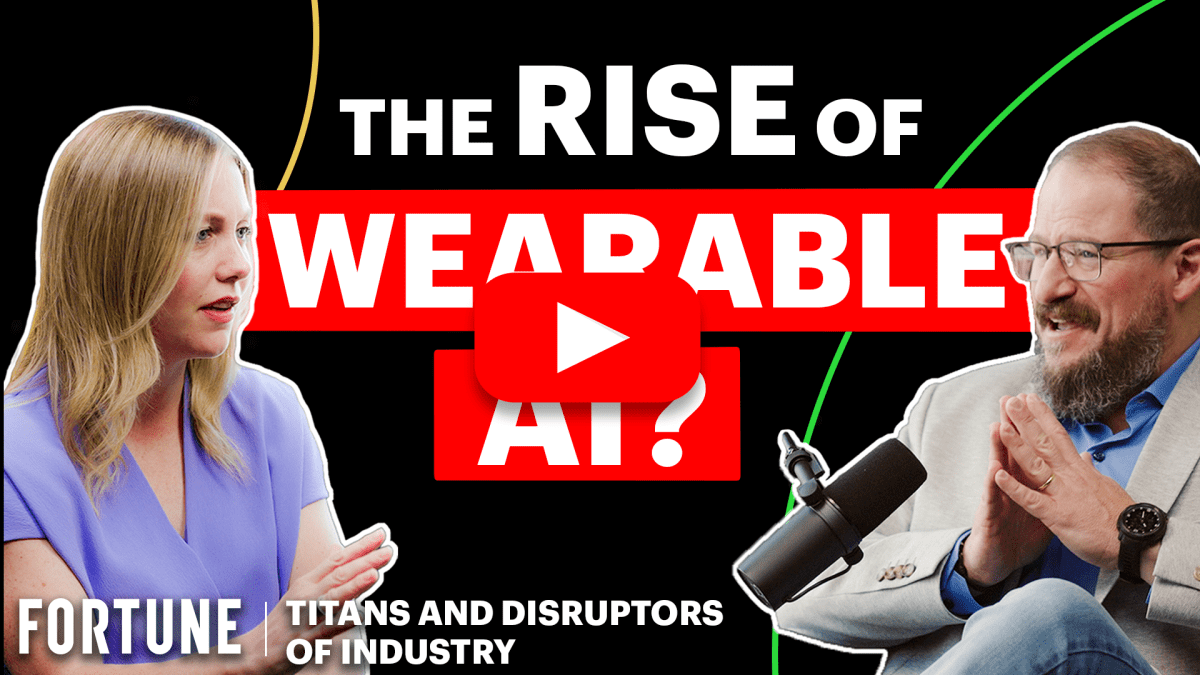
I recently interviewed Qualcomm (No. 117) CEO Cristiano Amon for my podcast, Fortune 500: Titans and Disruptors of Industry. One big takeaway: Your phone may not be your most important device for much longer.

This year, Amon says, will be the year of AI agents—essentially, AI that can be put to work on specific tasks. By 2028, Amon believes we will see meaningful workloads shift from our phones to new, AI-first devices. At that point, we’ll see an AI consumer device emerge as our primary device, housing our own personal assistants. Within five years, Amon predicts, those devices will be dominant, serving hundreds of millions globally.

Amon’s bet? That the device of the future is smart glasses—after all, those are closest to our key senses, our eyes and ears. But he also believes pendants, pins, jewelry, and other fashionable forms of AI personal assistants will be available and worn widely in that time frame. “The center of your digital life will no longer be the phone, it’s the agent,” Amon told me.

Given that his $200 billion company already sits at the center of most of the devices you use every day, his predictions carry a significant amount of weight. Qualcomm’s Snapdragon chips power PCs, Android devices, ear buds, cars, and even data centers. Qualcomm is also partnering with most of the major tech companies on their future devices, including OpenAI and Meta (No. 22).

When I hear Amon talk passionately about this always on, always data collecting future, the thing that stands out most is how drastically our relationship to our devices is about to change. But what does this mean for the busy, device-dependent executive?

Rather than being glued to our phones for updates, in the not-so-distant future, where personal data and context is always streamed, our devices will become anticipatory. I won’t need to tell my device what I want—it will know what to do before I ask, at a time that’s best for me. It may even prod me to do what it thinks I should do.

Leaders may come to rely on devices almost as strategic thought partners, the way they would their C-suite or chief of staff. Expect to manage future devices like employees, and to have employees manage their own AI chiefs of staff and team of agents. It also means having to constantly evaluate what AI is capable of and planning new processes and even reimagining org charts accordingly.

For more on how Amon sees the future and what the AI devices of the future will be like, check out our full conversation, which published as part of Fortune’s latest digital issue this week. Find the other stories from the issue below.

A version of this essay appeared in the May 6, 2026 edition of CEO Daily, Fortune’s weekday newsletter that shares global perspectives and insights from CEOs on the biggest stories in business. Sign up for CEO Daily here.

Follow Alyson on X, LinkedIn, TikTok, Instagram, and the Titans and Disruptors vodcast.

Catch Up
The Enterprise Shift
by Jeremy Kahn
Advertisement
Kimpton Seafire Resort + Spa
On Grand Cayman’s Seven Mile Beach, Kimpton Seafire Resort + Spa anchors a modern Caribbean escape where design, wellness, and local rhythm converge. Floor-to-ceiling windows and ocean-facing balconies frame the crystalline sea, while interiors balance contemporary elegance with touches of vibrant island flair. Beyond the resort, the island unfolds with soft white sands for snorkeling and sun-soaked swims, encounters with blue iguanas at Queen Elizabeth II Botanic Park, and rounds at North Sound Golf Club’s ocean-etched fairways. Stingray City is a swift charter ride away, while coastal walks and local eateries capture the island’s laid-back spirit.
Book now
Fortune 500 C-suite Power Moves

General Mills (No. 216) appointed Dana McNabb COO, effective June 1. Post Holdings (No. 477) appointed Nicolas Catoggio CEO, effective Oct. 1. Becton Dickinson (No. 211) appointed Vitor Roque CFO, effective May 7.

And more in this week's Fortune 500 Power Moves.
Deals & Developments
  • eBay’s (No. 411) board said it will review the unsolicited $56 billion acquisition bid GameStop (No. 799 on the Fortune 1000) CEO Ryan Cohen launched late last week. But many analysts question whether GameStop has the financing to back it. Meanwhile this week, eBay banned Cohen’s account on the platform after he started listing store signs and old carpets to fund his offer. And as Fortune’s Shawn Tully writes, the bid has parallels to the AOL-Time Warner deal, which is widely regarded as one of the worst business deals of all time.
  • Apple (No. 4) and Intel (No. 86) inked a preliminary deal in which Intel will manufacture chips for some Apple products, the Wall Street Journal reported. The U.S. government, which holds an approximately 10% stake in Intel, played a role in brokering the negotiations.
  • Apple (No. 4) also agreed to pay $250 million to settle a lawsuit alleging the company engaged in false advertising and unfair competition by delaying Siri improvements it had promoted during the iPhone 16 launch. Customers who purchased an iPhone 16 or select iPhone 15 models between June 10, 2024, and March 29, 2025, may be eligible for as much as $95 per device if they file a claim.
  • A coalition of five publishers and author Scott Turow filed a copyright infringement lawsuit against Meta Platforms (No. 22) and CEO Mark Zuckerberg, alleging the company scraped copyrighted works to train its Llama AI model. Meta denied wrongdoing, arguing that “courts have rightly found that training AI on copyrighted material can qualify as fair use.”
  • Cisco (No. 83) announced its intent to acquire Astrix Security, an identity security platform for AI agents, in a deal reportedly worth roughly $400 million.
Overheard
“It’s becoming incrementally more important…to not just be some cookie-cutter earnings call where half the people could fall asleep.”
—Dan Ives, managing director at Wedbush Securities, on how executives at companies including Palantir and Salesforce (No. 120) are inspiring others to rethink the earnings call format.
On earnings calls:
  • Disney (No. 46) beat expectations with $25.17 billion in quarterly revenue in the company’s first earnings report under new CEO Josh D’Amaro. Parks, cruises, and other experiences revenue grew 7% year over year, and the company said macroeconomic headwinds like higher fuel prices haven’t dented demand yet. The category that includes streaming revenue was up 10% year over year.
  • Pfizer (No. 67) beat estimates with $14.45 billion in quarterly revenue, up 5%. Revenue from its COVID vaccine and Paxlovid drug each fell roughly 60% year over year, but other drugs, including blood thinner Eliquis and urothelial cancer drug Padcev, posted solid growth.
  • Uber Technologies (No. 101) narrowly missed revenue expectations with $13.2 billion in quarterly revenue, up 14% year over year. Ride-hailing revenue fell short of estimates, though delivery revenue surged 34%.
  • McDonald’s (No. 165) beat expectations with $6.52 billion in quarterly revenue, up 9%, though CEO Chris Kempczinski said that consumer spending and the macroeconomic environment is "certainly not improving,” specifically calling out "elevated gas prices" as a pressure point. Read more: Two Americas, one drive-thru: Welcome to fast food’s contradictory, split-screen economy
  • AMD (No. 167) beat earnings expectations with $10.25 billion in quarterly revenue, up 38% year over year, fueled by a 57% jump in data center sales. CEO Lisa Su said the data center business is now the company’s largest source of revenue growth.

Earnings calls next week include: Constellation Energy (No. 186) and Fox (No. 308) on May 11; Aecom (No. 259) on May 12; Cisco (No. 83) on May 13; Applied Materials (No. 158) on May 14; and others.