| | The market didn’t take kindly to the first day of the US Navy’s effort to reopen traffic through the͏ ͏ ͏ ͏ ͏ ͏ |
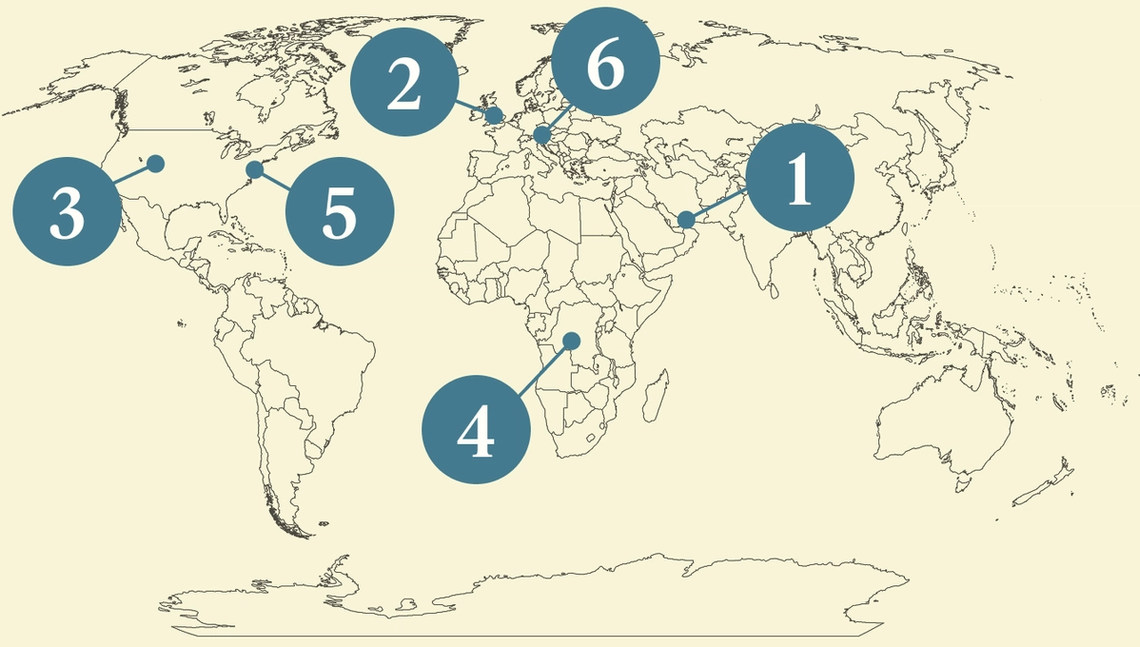
| |  Tehran Tehran | Abu Dhabi |  Kinshasa Kinshasa |
 | Energy |  |
| |
|
 - Fighting resumes
- Rush into green funds
- New pipeline advances
- Cobalt quota challenges
- The ‘sovereignty premium’
- OPEC+’s phantom barrels
 Attack on Ukraine gas facility kills 5, and CATL makes a big bet on sodium batteries. |
|
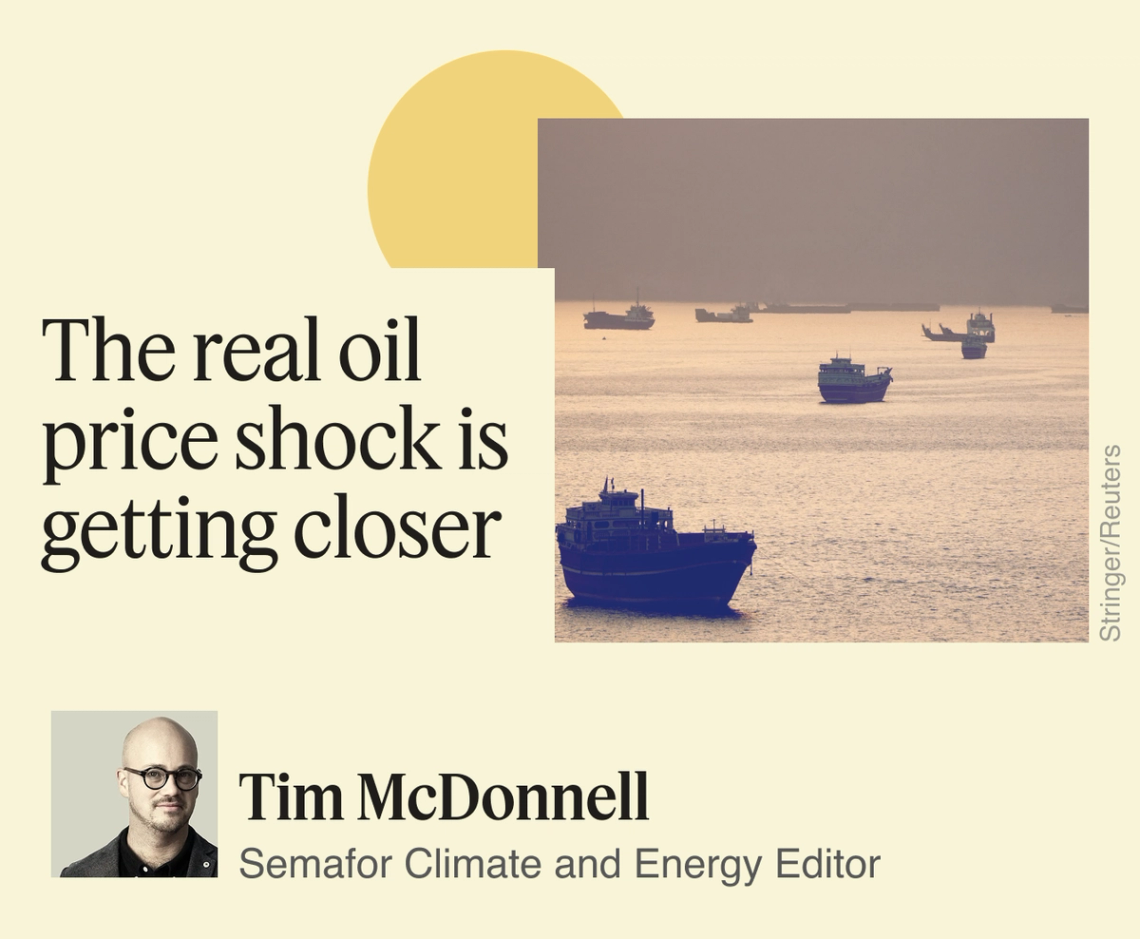 The great repricing is underway. As much as oil has spiked since the Iran war began, most industry analysts have been more surprised that it hasn’t gone higher still. There are signs that is about to change. The market didn’t take kindly to the first day of “Project Freedom,” the US Navy’s latest effort to safeguard ship traffic through the Strait of Hormuz. At least two US-flagged ships managed to pass, the Pentagon said, but at the same time Iran launched a new series of attacks on oil storage facilities and tankers. In a development that illustrates the market’s lack of confidence in safe passage through the strait, Iraq is now offering crude at a 70% discount to any ships willing to pick it up from the port in Basra. Brent remains around $114 per barrel, and US gasoline prices are now pushing $5 per gallon. Barclays and the World Bank significantly upped their forecasts for prices during the rest of the year, a sign that the gravity of the situation is finally landing. And while the world is still on track to have a healthy amount of crude oil in storage by late May, Goldman Sachs analysts wrote this week, supplies of jet fuel, LPG, and other refined products are poised to fall off a cliff in Asia, Africa, and Europe. “The market hasn’t seen the full impact yet,” ExxonMobil CEO Darren Woods warned last week. Meanwhile, the oil industry is trying to remain calm as severe oil demand destruction — and the lower prices that follow — looms. Ali El Ali, CEO of ZMI Marine, a subsidiary of the UAE’s state-owned ADNOC that operates rigs used for offshore oil and wind projects, told me he’s positioning the company to capture the upside of a renewed global push for renewables. The crisis has accelerated negotiations that were underway in Europe and elsewhere, he said, about both renewables and fossil fuel projects that are less exposed to the Gulf. If a company like ZMI sees its geographic footprint widening, that’s a sign more countries are putting a premium on domestic energy production, and that prewar trade relations won’t be coming back even after prices stabilize. |
|
 Stringer/File Photo/Reuters Stringer/File Photo/ReutersOil prices remained high as fighting resumed in and around the Strait of Hormuz after the latest US military intervention to protect ship traffic there upended a fragile ceasefire. Iran’s foreign minister took aim at President Donald Trump “Project Freedom” — an initiative to deploy US military forces to escort stranded cargo ships through the narrow waterway — referring to it as “Project Deadlock,” while insisting there was no military solution to the war. His comments followed conflicting claims between Tehran and Washington over a series of attacks in the strait. Iran said it had struck a US vessel with two missiles on Monday to prevent the warship from entering the waterway; the US dismissed the assertion, and said it had targeted “small boats” as part of its efforts to reopen the chokepoint. An Iranian military official said the attacks, which killed five, had hit civilian goods vessels. Meanwhile, the UAE and South Korea both reported strikes on ships in the strait on Monday. The UAE also said a fire broke out at the oil port of Fujairah following an Iranian attack, which Abu Dhabi called a “dangerous escalation,” warning it reserved the right to respond. |
|
 The amount that flowed into global exchange traded funds linked to green energy in April, the highest monthly net inflows since January 2021. As the war in the Middle East continues to upend oil and gas markets, a new premium has been placed on energy sources that don’t depend on the accessibility of narrow waterways. And although the conflict has so far handed windfalls to fossil fuel companies, “in the long run, it’s going to create demand destruction,” one analyst told the Financial Times, while making the case for clean energy more compelling than ever. Renewables firms are already seeing the effects: Wind energy giant Ørsted saw its share price rise 37% this year despite taking some of the hardest hits from US President Donald Trump’s disdain for green power. Major European wind turbine manufacturer Nordex is up 67% this year, while its largest shareholder — Spain’s renewable energy producer Acciona — rose 33%. |
|
 Semafor’s Silicon Valley & The World will bridge the widening gap between the leaders building artificial intelligence and other breakthrough technologies and the leaders responsible for shaping the strategies, policies, and institutions around them. Co-Chaired by Divesh Makan, Satya Nadella, Jensen Huang, Ruth Porat, and Lisa Su, this new initiative will bring together top technology CEOs, senior government officials, and global financial leaders in Silicon Valley in November. Building on the success of the 2026 annual convening of Semafor World Economy, Semafor’s Silicon Valley & The World will be the definitive forum to connect builders of transformative technologies with the global institutional leaders shaping their consequences. Through Semafor’s signature live journalism, the initiative will examine the forces now sitting at the center of global leadership: artificial intelligence, national competitiveness, energy demand, capital formation, security, labor markets, and the shifting relationship between technological power and public authority. Request an invitation to join Silicon Valley & The World. |
|
 Todd Korol/File Photo/Reuters Todd Korol/File Photo/ReutersA proposed $2 billion Alberta-to-Wyoming pipeline that would ship upward of half a million barrels of oil a day from Canada into the US is moving closer to reality. The Bridger pipeline expansion project got a border-crossing permit from US President Donald Trump last week, and initial comments for its environmental review closed Friday, with final permits expected next year before construction starts. The project is often likened to the now-scrapped Keystone XL pipeline, which became a political flashpoint before former President Joe Biden revoked its border permit; its Canadian partner is eyeing an already-built Keystone XL line to connect to its US route. But there are key differences: The new pipeline would take a distinct route that avoids the state of Nebraska, where opponents homed in on Keystone XL’s potential risks to water, and environmentalists — while critical of Bridger — have not yet mobilized against the new project with the same force. — Elana Schor |
|
 Marc Lore built Diapers.com and sold it to Amazon. Then he built Jet.com and sold it to Walmart. Now he’s trying something different: Taking Wonder — his vertically integrated food-delivery startup — all the way to a public offering. On this week’s Compound Interest, presented by Amazon Business, he joins Liz and Semafor’s Deputy Editor-in-Chief Shelly Banjo to talk about why he’s betting that robots, influencers, and AI-directed meal plans can finally crack the code on profitable food delivery and what e-commerce taught him about attacking fat margins with automation. Plus, why he’s quietly searching for desert land to build a city from scratch. Listen to the latest episode of Compound Interest now. |
|
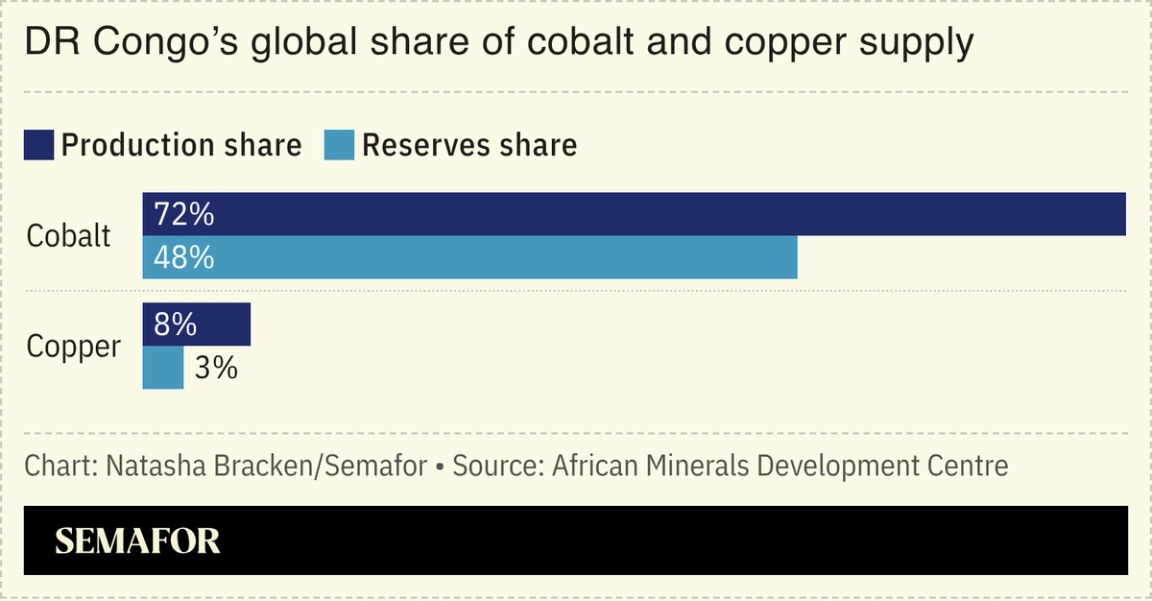 The Democratic Republic of Congo’s cobalt export quotas have forced major producers of the metal to adopt new strategies as the central African country seeks to capture more value from its natural resources and curb illegal flows. The DRC, which accounts for over 70% of global cobalt mine supply, introduced export caps late last year in a bid to tighten control of a mineral that underpins the global battery industry. Last week, mining giant Glencore confirmed that its cobalt output fell 39% in the first three months of the year to 5,800 tons compared to the same period in 2025, a deliberate move to avoid producing material it cannot export under its 2026 quota of 22,800 tons. The London-listed company has instead adopted a copper-first regime, lifting production by 19%. China’s CMOC, the world’s largest cobalt supplier, is also leaning into copper expansion but it has decided to keep cobalt output at record levels, telling investors earlier last week that its high ore grades and low byproduct costs mean there is a commercial logic to maintaining normal output even if only a fraction can be exported. |
|
View: Pricing the ‘sovereignty premium’ |
| | 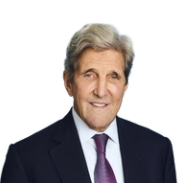 | John Kerry |
| |
 Pavel Mikheyev/Reuters Pavel Mikheyev/ReutersSix weeks into the worst energy crisis in modern world history, the case for energy sovereignty is being written in real time — in the price of every barrel of oil, every cargo of liquefied natural gas, and every elevated energy bill arriving for households from Tokyo to Turin, John Kerry, the US Secretary of State under former President Barack Obama, writes in a column for Semafor. The closure of the Strait of Hormuz has removed more supply from global markets than any single event since petroleum became the lifeblood of the industrial economy. And the full consequences have only just begun to arrive. Energy crises, like climate change, operate with a lag. The barrels that didn’t ship through Hormuz in March don’t hit markets immediately. They show up as gasoline shortages in April, diesel shortages in May, and then fertilizer price spikes, just as farmers across the Northern Hemisphere are planting. |
|
View: OPEC+’s unrealistic production pledge |
| |  | Wael Mahdi |
| |
 Fayez Nureldine/AFP via Getty Images Fayez Nureldine/AFP via Getty ImagesOn Sunday, seven OPEC+ countries announced they would add 188,000 barrels a day to global supply, but with the Strait of Hormuz still closed, some of those producers aren’t able to ship even a single barrel, independent energy commentator Wael Mahdi wrote in a column for Semafor. The pledge to increase output was described as a commitment to market stability, but what it really demonstrates is the gap between the group’s messaging and physical reality. This matters because the promise of higher output is offering false hope about the speed of any recovery. In reality, “the road back to stable oil markets is longer and more technically treacherous than any government is willing to say,” he writes. |
|
|


