Lumina Foundation is working to increase the share of adults in the U.S. labor force with college degrees or other credentials of value leading to economic prosperity.
Over the past few years, colleges and universities across the country have adopted emerging artificial intelligence tools to enhance nearly every aspect of campus life—not just teaching and learning but also admissions, alumni networks, fundraising, and advising.
Now, some institutions are even experimenting with AI's ability to advance one of the hottest trends on college campuses: fostering constructive dialogue among students, who are more divided over politics than at any point in the past 40 years.
Many U.S. schools have been experimenting with ways to speed up traditional college programs to reduce the burgeoning cost and help students move into the workforce faster. Some offer three-year bachelor’s programs, reducing the number of credits needed for a diploma by one quarter. Many more allow students to enroll in college classes while still in high school.
But the breakneck pace of the fastest online programs concerns some academics, who say there is a big difference in what students can learn in weeks or months compared with three or more years.
For high school students with their sights set on selective colleges, summer is an invaluable opportunity to explore their interests, cultivate their skills, and build their college admissions profile through volunteering programs.
However, many students approach volunteering with the wrong assumptions, experts say. They assume that the most impressive opportunities involve global initiatives or prestigious programs or that the goal is to log as many hours as possible across as many organizations as possible. But these false assumptions fail to understand what admissions officers at top schools are actually looking for in students’ volunteering.
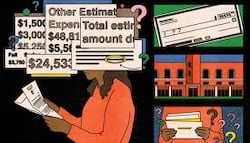
Financial aid offer letters are supposed to tell families how much they will have to pay for college, which can be the deciding factor in where—or even whether—students go to college. But too often, the letters leave out important information and use terms that make it confusing to figure out the final cost.
Some student advocates say the letters are downright deceptive. Others believe the lack of consistent language causes confusion; each college has its format with its own vocabulary. Such variations can make it difficult to answer the critical question: How much will this cost me?
Republican lawmakers in Tennessee say a new ban on “staging walkouts” at public universities will protect free speech by preventing protesters from disrupting campus speakers.
But some faculty members and speech advocates believe it’s inappropriate to prohibit what they see as a legitimate form of protest at public campuses. They also argue that a walkout is one of the most peaceful and least disruptive forms of protest.
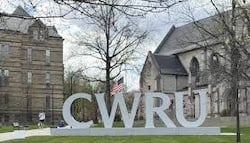
A massive orange “BGSU” arrived on the Bowling Green State University campus via a flatbed trailer in 2019, a year before seven-foot red “Y” signs popped up at nine locations across Youngstown State University. Heidelberg University in Tiffin installed an eight-foot lowercase “H” soon after.
These signs serve as backdrops for photo shoots and pit stops on prospective student tours. Campuses nationwide are following suit. But officials swear it’s more than just a trending photo prop made for the social media era. They say it represents a shift from higher education’s traditional branding playbook as colleges look to become both more accessible in a competitive market—one that includes enrollment and financial challenges—and more welcoming to the communities they call home.