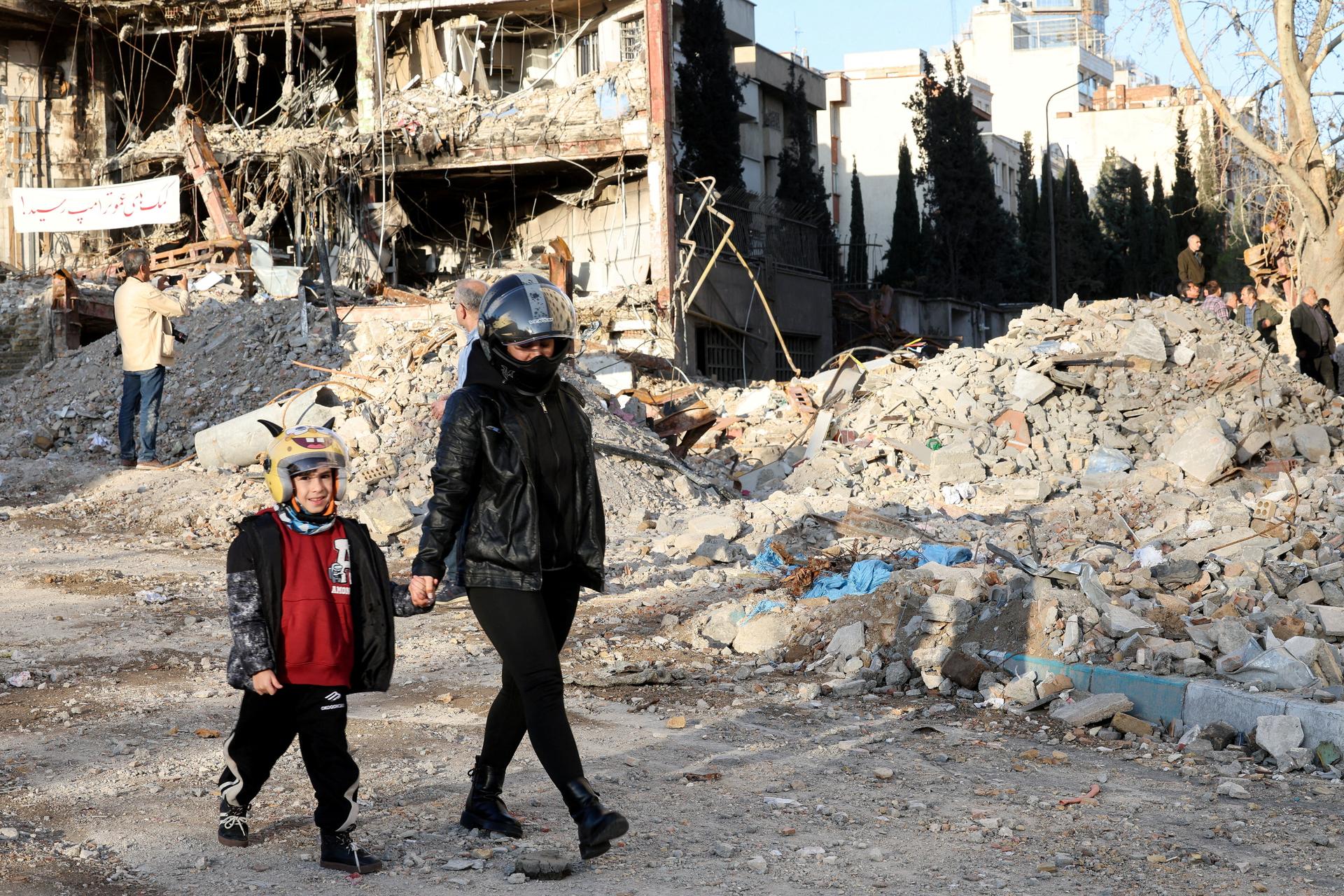
Former U.S. President Richard Nixon was famously described as pursuing a "madman theory" in his approach to wartime negotiations, creating the perception that he was capable of any destruction to cow adversaries. For Nixon, the historian Zachary Jonathan Jacobson wrote, "the ploy pivoted on the idea that he did not consider himself to be mad. He considered himself crafty."
The theory hardly led to long-term success in the Vietnam War, but it has been trotted out to explain the current outlook of U.S. President Donald Trump in his campaign against Iran. Trump has always styled his negotiations with a brash approach seemingly out of New York real-estate circles.
He even began bombing as indirect talks with Iran were under way -- recalling the "sneak attack" strategy Japan once used to destroy the U.S. fleet at Pearl Harbor in 1941. The attack also jolted the country out of its isolationist mood during World War Two, although it's not clear Trump remembers that outcome based on my colleagues' reporting.
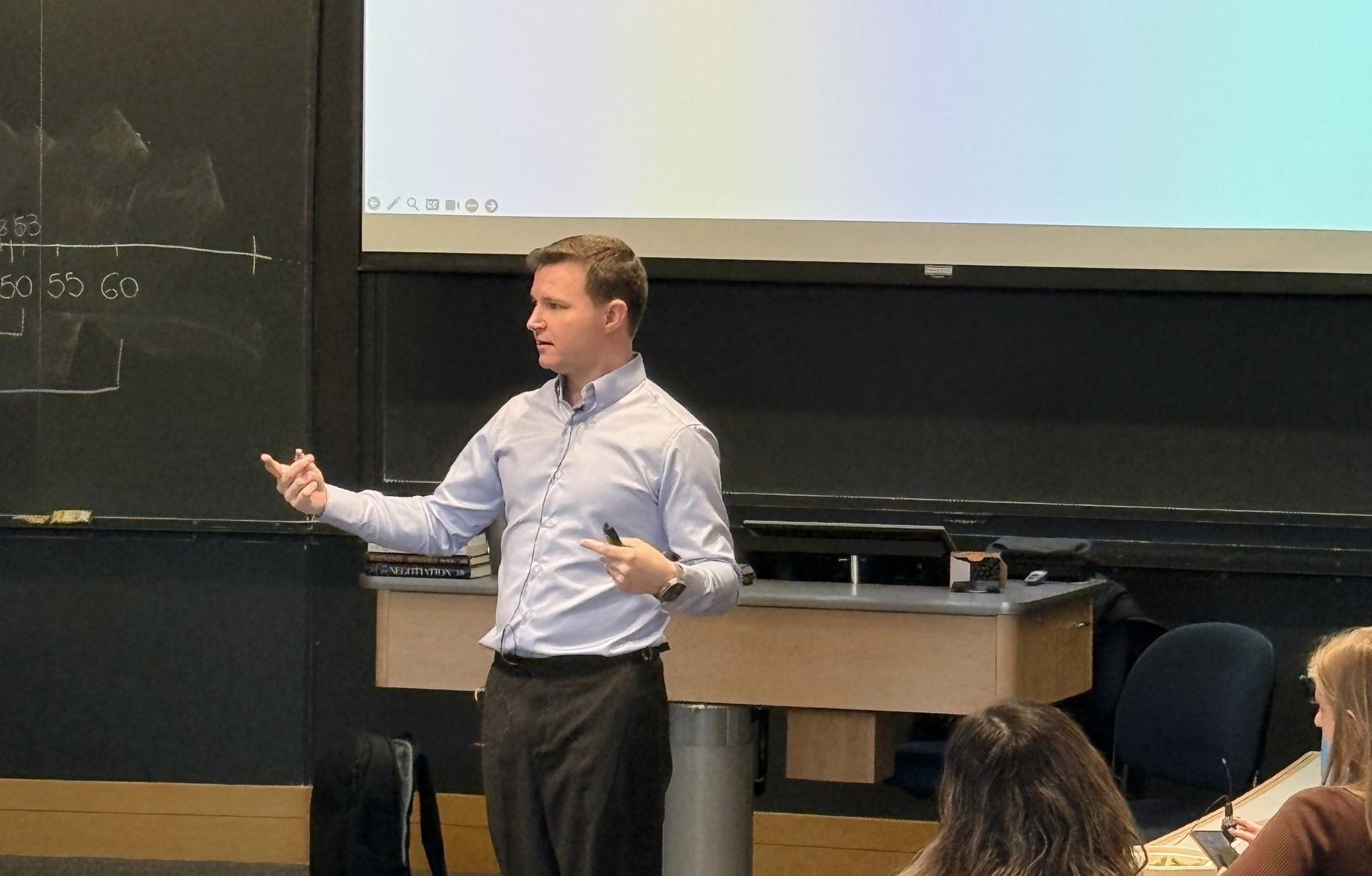
Will Trump's method work? Leaving the diplomatic and military questions to others, I thought it could be useful to speak with a bargaining expert who knows the increasingly connected worlds of business and geopolitics.
You can click the button below to read my conversation with Cody Smith, a lecturer on negotiation and conflict resolution at Columbia University, and co-founder of the negotiation advisory and training services company CNCM. We spoke about the role of trust and best-alternative scenarios, the role of unpredictability, and how threats have played out such as in union-management negotiations.
We spoke on Tuesday, before Trump announced a two-week ceasefire, but the comments still seem relevant.