| Forwarded this email? Subscribe for more |



 |
| By The Free Press |
It’s Monday, April 6. This is The Front Page, your daily window into the world of The Free Press—and our take on the world at large. Today: The American freelance journalist kidnapped in Iraq. Are we headed for a global recession? How some of the most prominent Catholic influencers are corrupting the church. And much more.
But first: America’s advantage in Iran, and can it last?
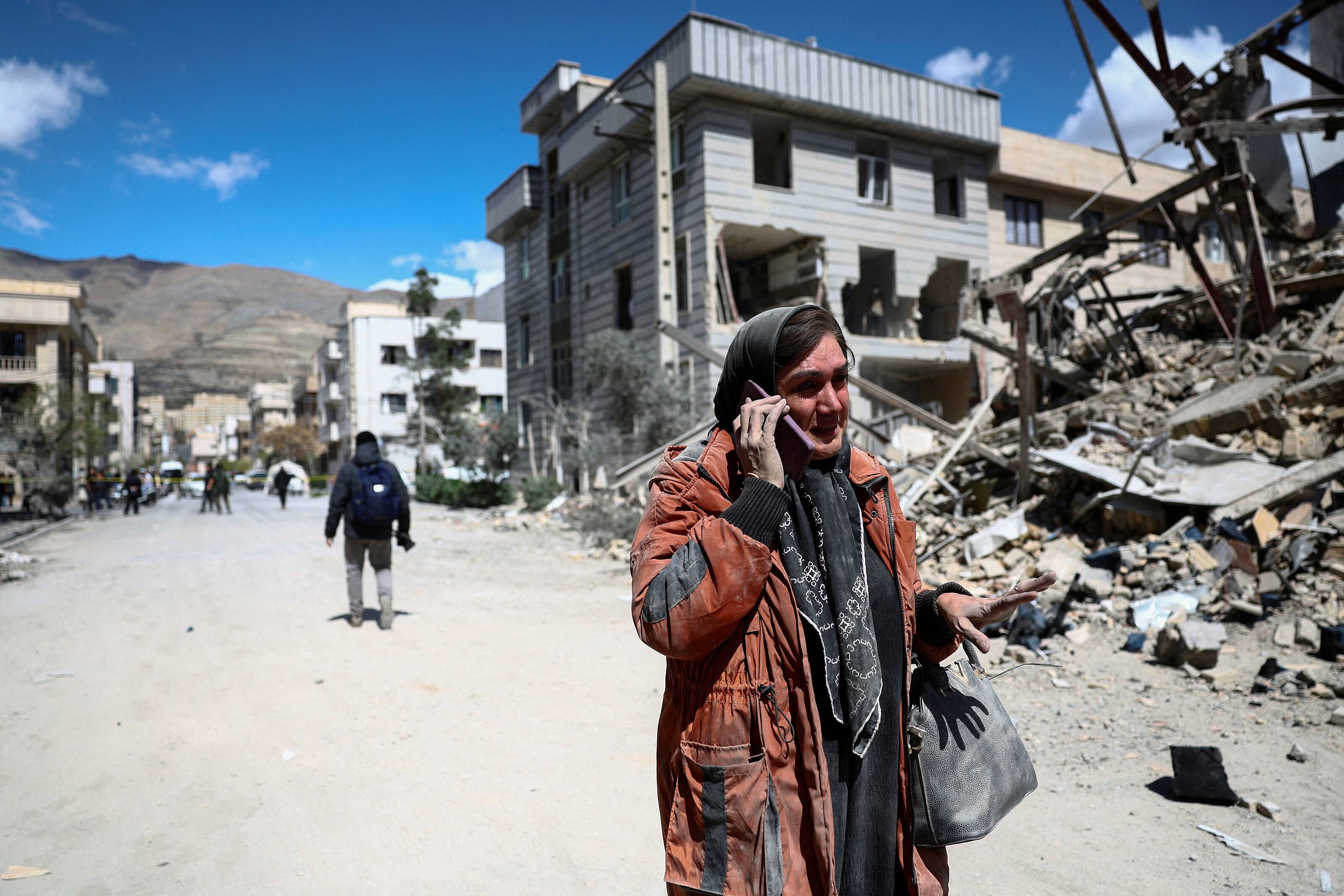
It was a remarkable weekend in the Iran conflict. On Friday, for the first time in more than 20 years, two U.S. aircraft were shot down in combat: an F-15E fighter jet and an A-10C Thunderbolt. The A-10C pilot ejected safely, and one of the two F-15 pilots was recovered later that day. Then, early Sunday, news broke of a special operations mission that secured the second airman.
The moment felt almost miraculous. For more than a day, it was uncertain whether the Iranian regime would capture what Zineb Riboua calls “the single most valuable propaganda asset of the entire war—a prisoner whose image alone could have rewritten the narrative of a campaign that has been catastrophic for the Islamic Republic from the first strike.”
But America got there first—a moment, Zineb writes, that underscores just how decisively U.S. military power has eclipsed Iran’s, and leads to the increasingly inescapable conclusion that the Islamic Revolutionary Guard Corps is approaching its “terminal phase.” Read her full piece to understand why she says so.
But can this military advantage last? Just hours after announcing the airman’s recovery, President Trump issued a threat on Truth Social:
Tuesday will be Power Plant Day, and Bridge Day, all wrapped up in one, in Iran. There will be nothing like it!!! Open the Fuckin’ Strait, you crazy bastards, or you’ll be living in Hell—JUST WATCH! Praise be to Allah. President DONALD J. TRUMP.
As Eli Lake notes, it’s often difficult to tell when the president is bluffing. But bombing civilian infrastructure would harm “the very people whom Trump at first said he was hoping to liberate,” he argues. If America’s aim is to dismantle the regime, it should empower the Iranian people, not punish them.
Finally, Armin Rosen addresses the chorus of so-called expert voices pushing a very different note—that Iran is winning the war. His essay today unspools this narrative, why it has taken hold, and why Iran itself seems more aware of its precarious position than the “mandarins of American media and academia.”
—Jillian Lederman
 |
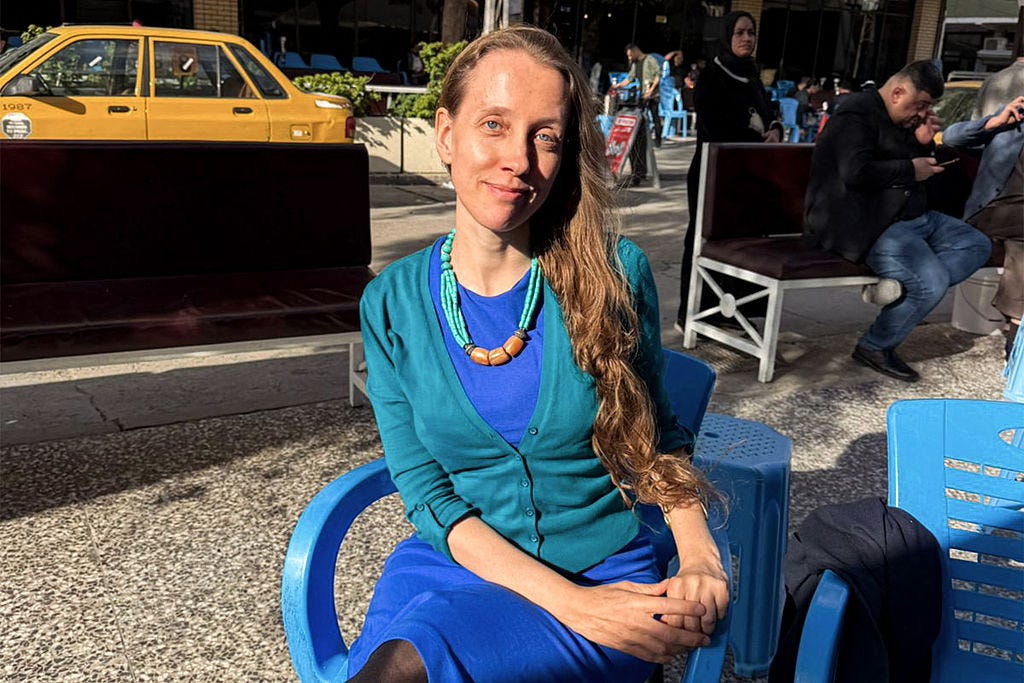
The American Journalist Kidnapped in Baghdad Is My Friend | ||||
 | ||||
|
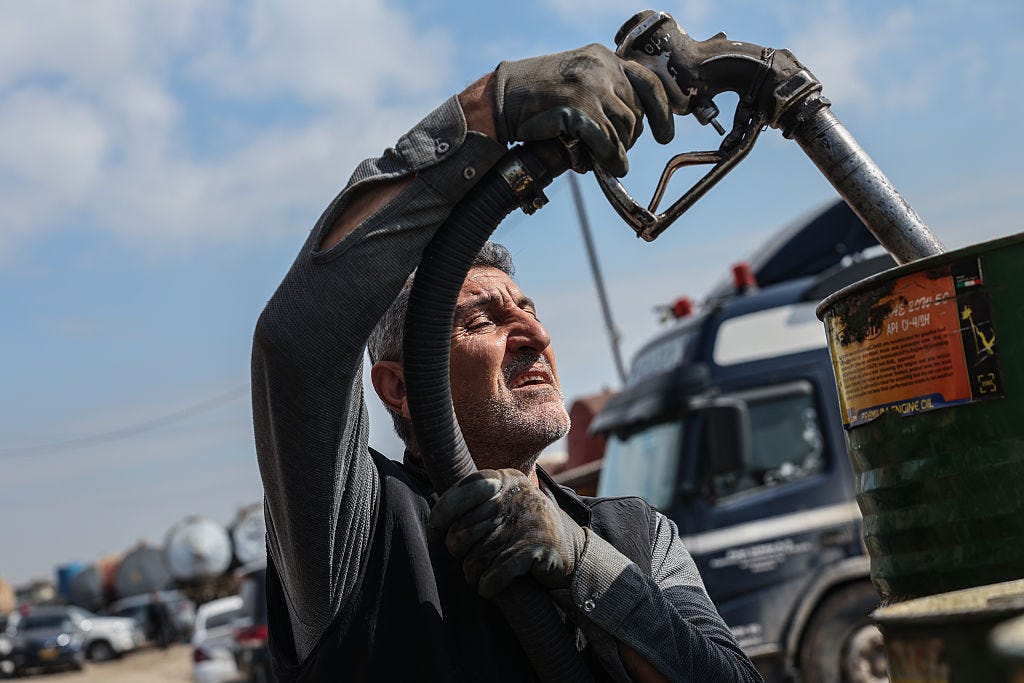
Tyler Cowen: Why Oil Price Spikes Could Spark a Global Recession | ||||
 | ||||
|
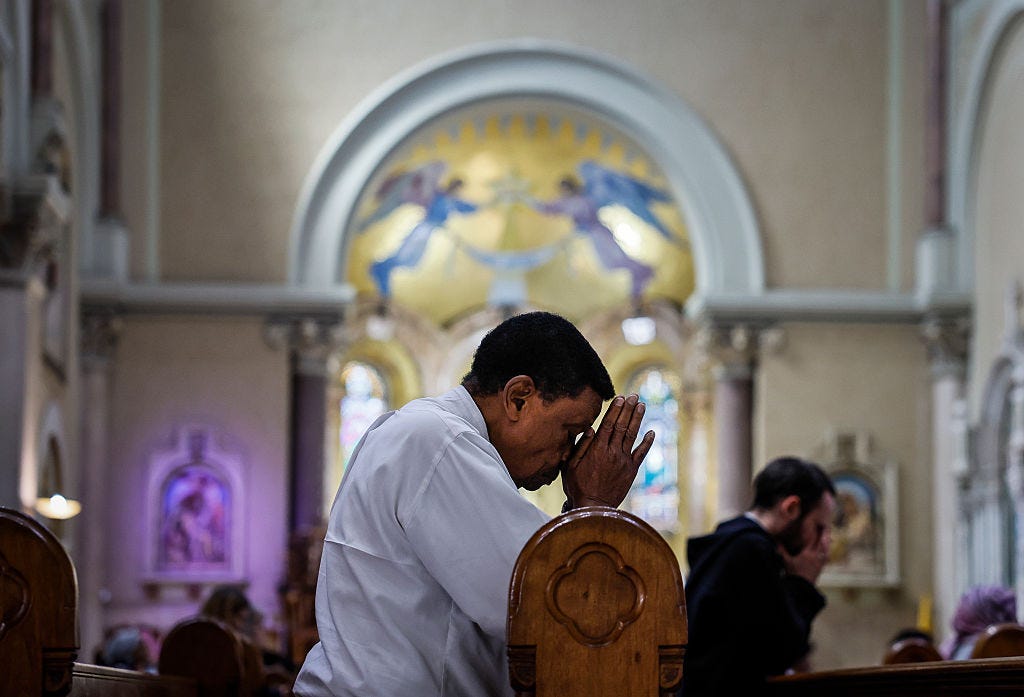
What’s a Good Catholic Meant to Do? | ||||
 | ||||
|
What People Get Wrong About Birthright Citizenship | |||||||||||
 | |||||||||||
|


