Artemis II rounds the Moon, Beijing’s Jetlag Books and a secretive Berlin fashion archive.
|
Monday 6/4/26
|

|
|
London
Paris
Zürich
Milan
Bangkok
Tokyo
Toronto
|
|
|
|

Good morning from Midori House and happy Easter to all who celebrate. For more news and views, tune in to Monocle Radio. Here’s what’s coming up in today’s Monocle Minute:
THE OPINION: Why embassies are far from fading away
AFFAIRS: Artemis II and the lunar sphere of influence
DAILY TREAT: Elevate your breakfast with art deco egg cups from Puiforcat
RETAIL: Head to Beijing’s Jetlag Books for all things fine print
IN PRINT: Step inside a secretive fashion archive in Berlin
|
|
Despite an era of direct and digital diplomacy, embassies are far from fading away
By Gorana Grgić
|

|
Embassies are back on the geopolitical frontline – and in the pages of Monocle. Assumed to be relics of a slower diplomatic age, today many missions are becoming increasingly geared towards security and intelligence-gathering. Among US, Chinese and Russian embassies in particular, Cold War-era patterns have re-emerged. Back then, diplomatic buildings doubled as intelligence arenas, with sprawling compounds, dense wiring and diplomats who often wore two hats. Following political violence directed at embassies, especially in places such as the Middle East, things such as setback distances, blast resistance and layered perimeters became de rigeur for diplomatic architecture. That logic has never fully disappeared and is becoming more pronounced today.
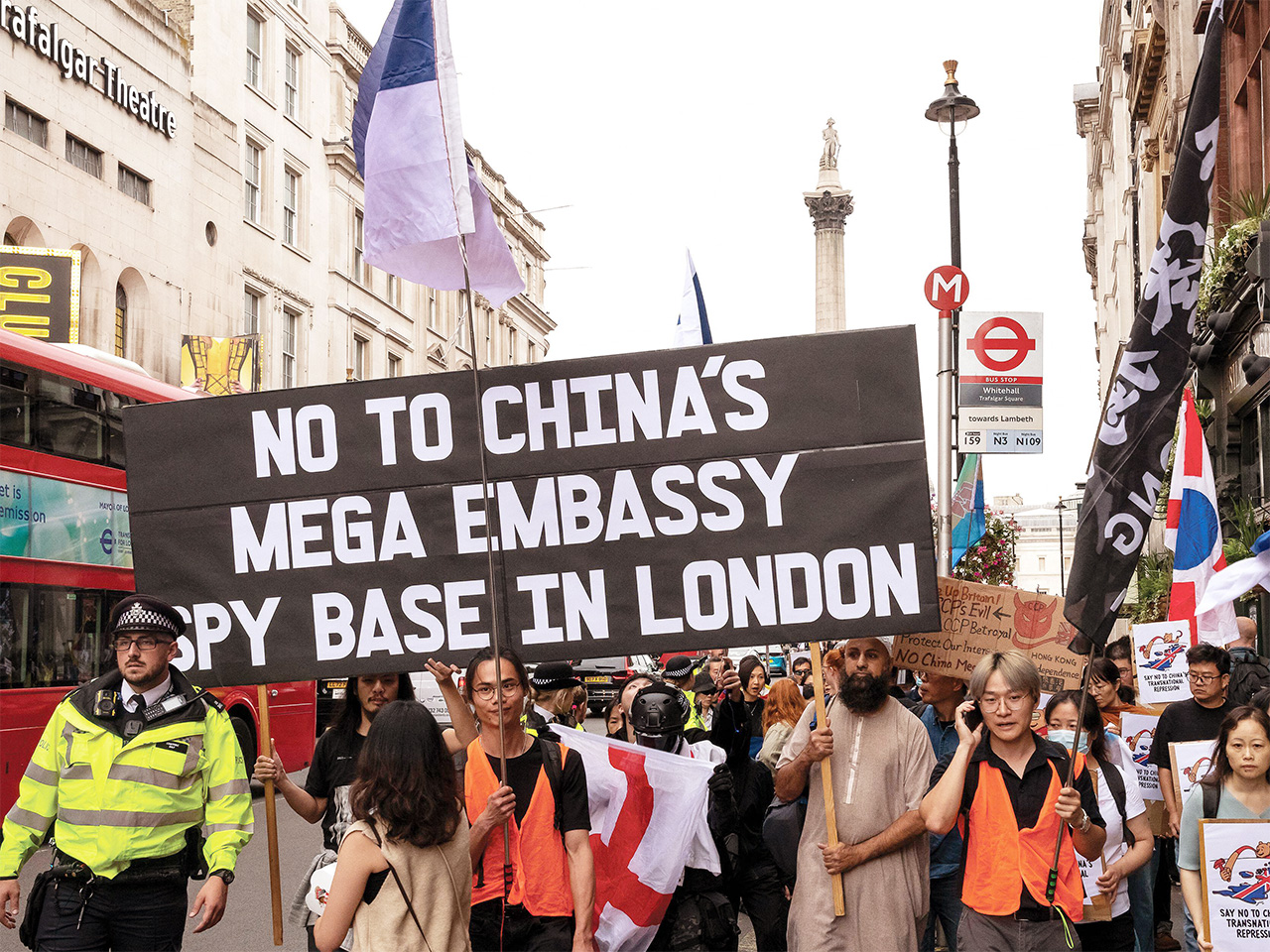
Security and intelligence-gathering considerations help to explain China’s push to secure a new mission building at Royal Mint Court in London. Equally, the UK government’s approval of a consolidated, large compound is less surprising than critics suggest. Though the decision sparked protests and legal challenges, it reflects a view that a single, purpose-built site is easier to monitor and regulate than a scattered network of offices.
| |
|
Sign of the times: Protests over China’s push to secure a mission building at Royal Mint Court
|
|
Yet there are important differences from the Cold War era. Today’s embassies are nodes in a data-dense, commercially connected world. Telecommunications, science and technology, and investment officers sit alongside political sections, while chancelleries increasingly matter for economic statecraft, from investment screening and sanctions enforcement to tech diplomacy. The Royal Mint Court debate reflects this hybrid character: critics warn of espionage risks and pressure on dissidents, while officials emphasise reciprocity, negotiated mitigations and the practical benefits of consolidation.
At the opposite end of the spectrum, small resident missions – so-called “mini embassies” – are central to contemporary competition in the Indo-Pacific. Under the Biden administration, the US opened embassies in several Pacific Island states, such as Vanuatu, Tonga and the Solomon Islands, as part of a South Pacific outreach intended to counter Chinese influence. Leveraging its Indo-Pacific overseas territories, France has likewise expanded or re-established diplomatic footprints, including opening a new embassy in Samoa in 2025 and a defence mission at its embassy in Fiji in 2023. These are modest posts, often led by a resident ambassador supported by a handful of diplomats and local staff, typically managing development programmes and political reporting.
While such missions are comparatively inexpensive, they still signal commitment in ways that non-resident accreditation cannot. Routine engagement anchors relationships, shapes votes in regional and multilateral fora, and builds trust. The effect is reminiscent of the Cold War scramble for recognition among newly independent states but today the currency is infrastructure finance, coastguard support and climate-adaptation funds.
Finally, embassies are once again theatres for domestic politics. Recent reporting on US diplomats’ involvement in fundraising linked to the country’s 250th anniversary celebrations reveals ambassadors being encouraged to seek corporate backing for commemorative events, blurring the line between public diplomacy and partisan spectacle. When embassies appear to serve domestic political branding as much as foreign policy, it does great damage to US statesman Arthur Vandenberg’s maxim that “politics stops at the water’s edge”. How countries manage the trade-offs between security, oversight and openness will determine whether embassies remain instruments of influence and trust-building or become mere appendages of power projection. In this new era the embassy is not fading. It is adapting and, in doing so, revealing how states understand power, legitimacy and competition in the first half of the 21st century.
Gorana Grgić is Monocle’s security correspondent. This piece originally featured in our April issue, which also includes a guide to the world’s best embassies. Click here to read more, and here to subscribe.
|
|
affairs: space
Amid the scramble for lunar supremacy, Artemis II pushes humanity to new limits
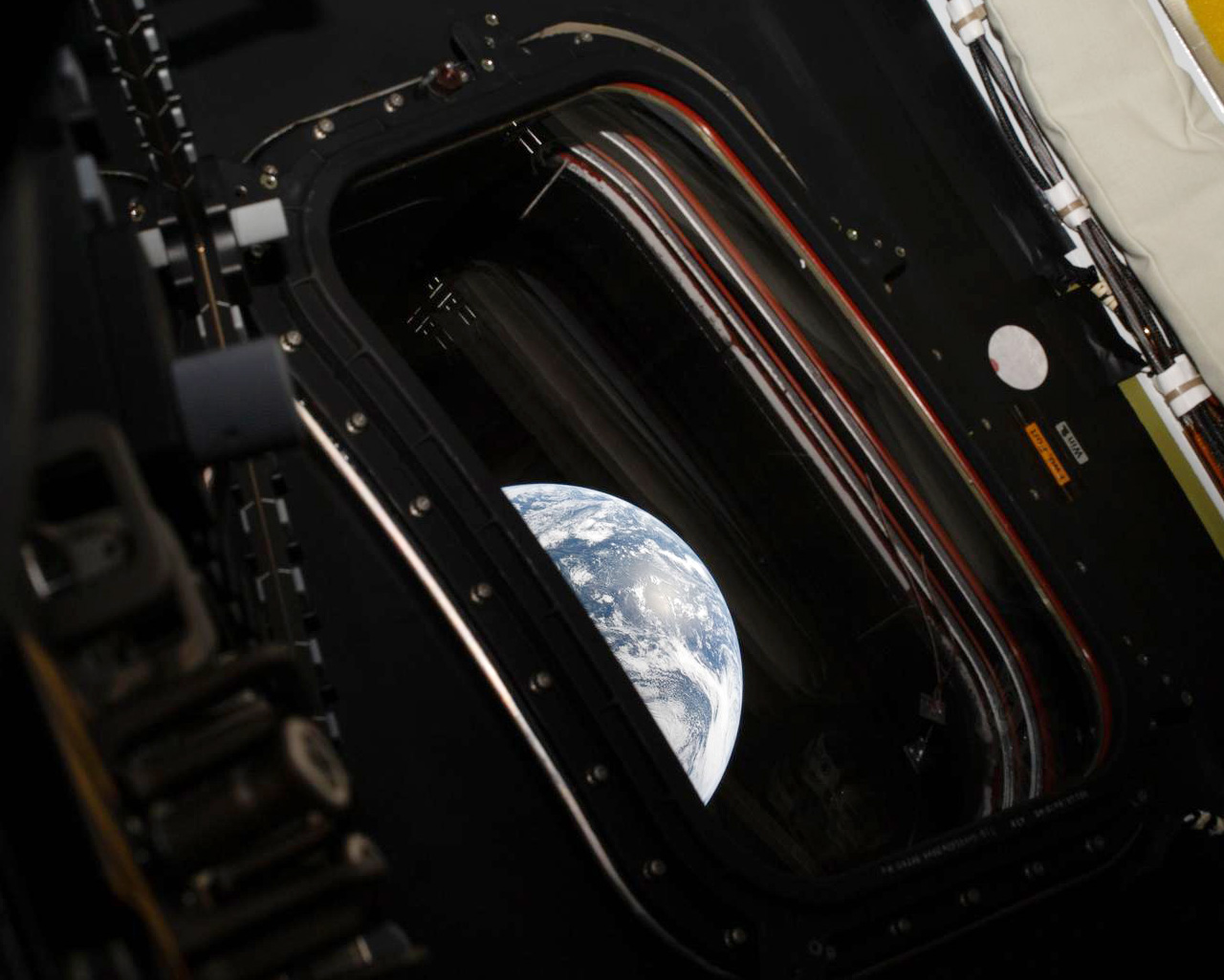
The Artemis II and its crew will pass around the far side of the Moon today (writes Tom Webb). It’s the farthest from Earth that any astronaut has travelled but this triumph for humanity is less about science and more about strategic and commercial objectives.
Propelled by competition from China, currently the second-largest space power, the US has announced plans for the establishment of a Moon base over the next seven years. “The question is whether it’s about exploiting resources for humanity or marking your territory,” says Tira Shubart, journalist and fellow of The Royal Astronomical Society. “The answer is: all of the above.” The Moon holds resources of extraordinary value. Helium-3, a rare isotope deposited on the lunar surface in large quantities by solar winds, could theoretically power humanity for millennia. Water ice, essential for drinking, breathable oxygen and even rocket fuel, add to the Moon’s strategic appeal.
| |
|
Out of this world: Earth appears in the window of Artemis II
|
|
While China has been conducting much of its programme independently, the US has brought Europe, Japan and other allies into the fold. “Components from the European Space Agency, for example, have been orbiting with Artemis II 33,000 miles [53,000km] above Earth, providing fuel, water and life-support systems to astronauts” adds Shubart. The collaboration is both operational and symbolic, contrasting with China’s more unilateral approach focused on national prestige and control.
By venturing into uncharted territory, the Artemis II mission underscores that space exploration remains both collaborative and competitive. With the advantages attained in controlling the high ground, whoever gets the stronger foothold in space could secure superpower status back home.
Listen to the full conversation with Tira Shubart on today’s edition of ‘The Globalist’.
|
|
• • • • • DAILY TREAT • • • • •
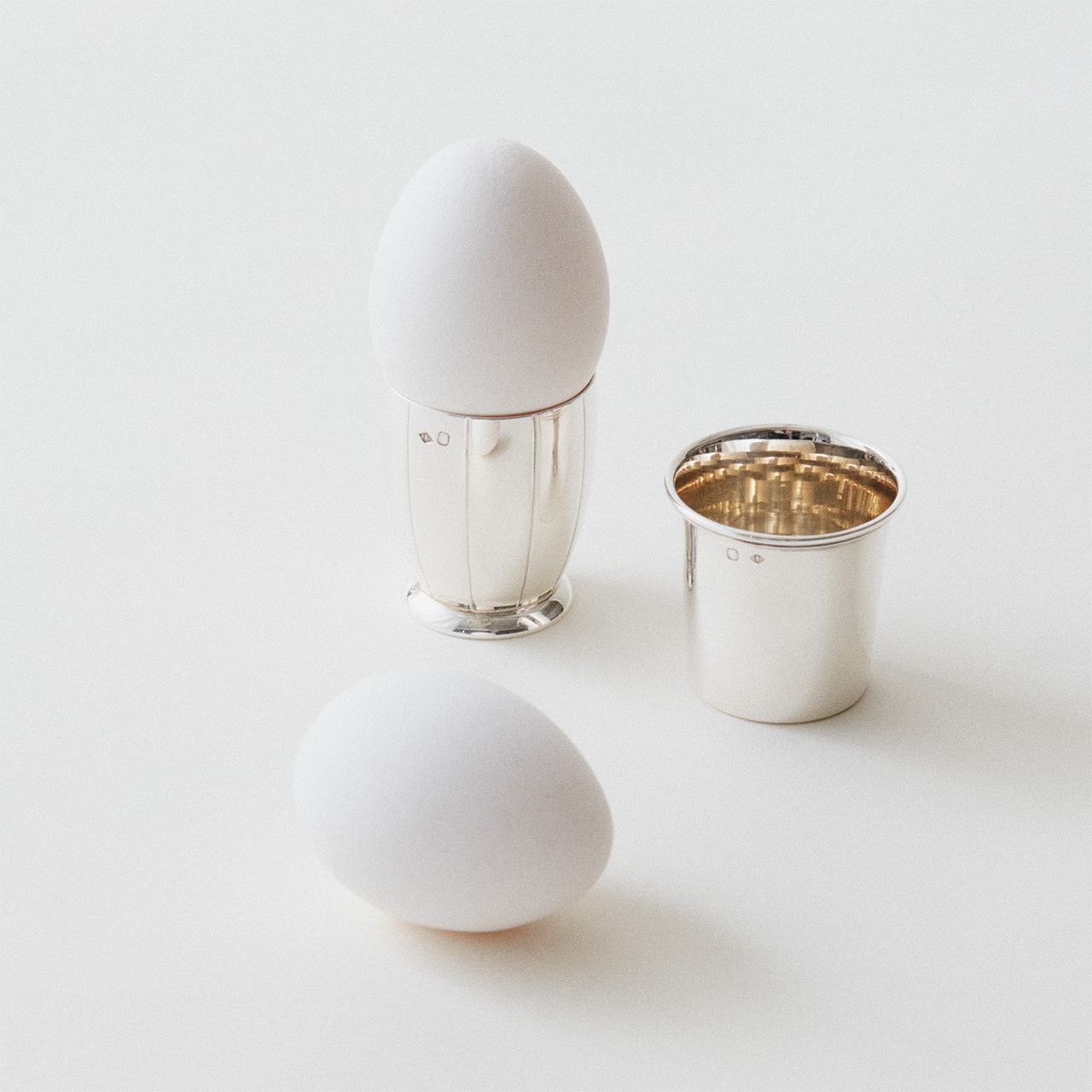
Pick up an art deco egg cup from Puiforcat
The curved silhouette of these sterling-silver egg cups by French silversmith Puiforcat will add charm to the breakfast table.
Inspired by art deco designs from the brand’s archives, the Cannelle cup is adorned with fine grooves, while the flared rim of the Cyclamen model is based on Puiforcat’s classic tumbler. You can also personalise your purchase with an engraving.
puiforcat.com
|
|
in print: germany
Explore the Berlin fashion archive renting museum-quality designer pieces
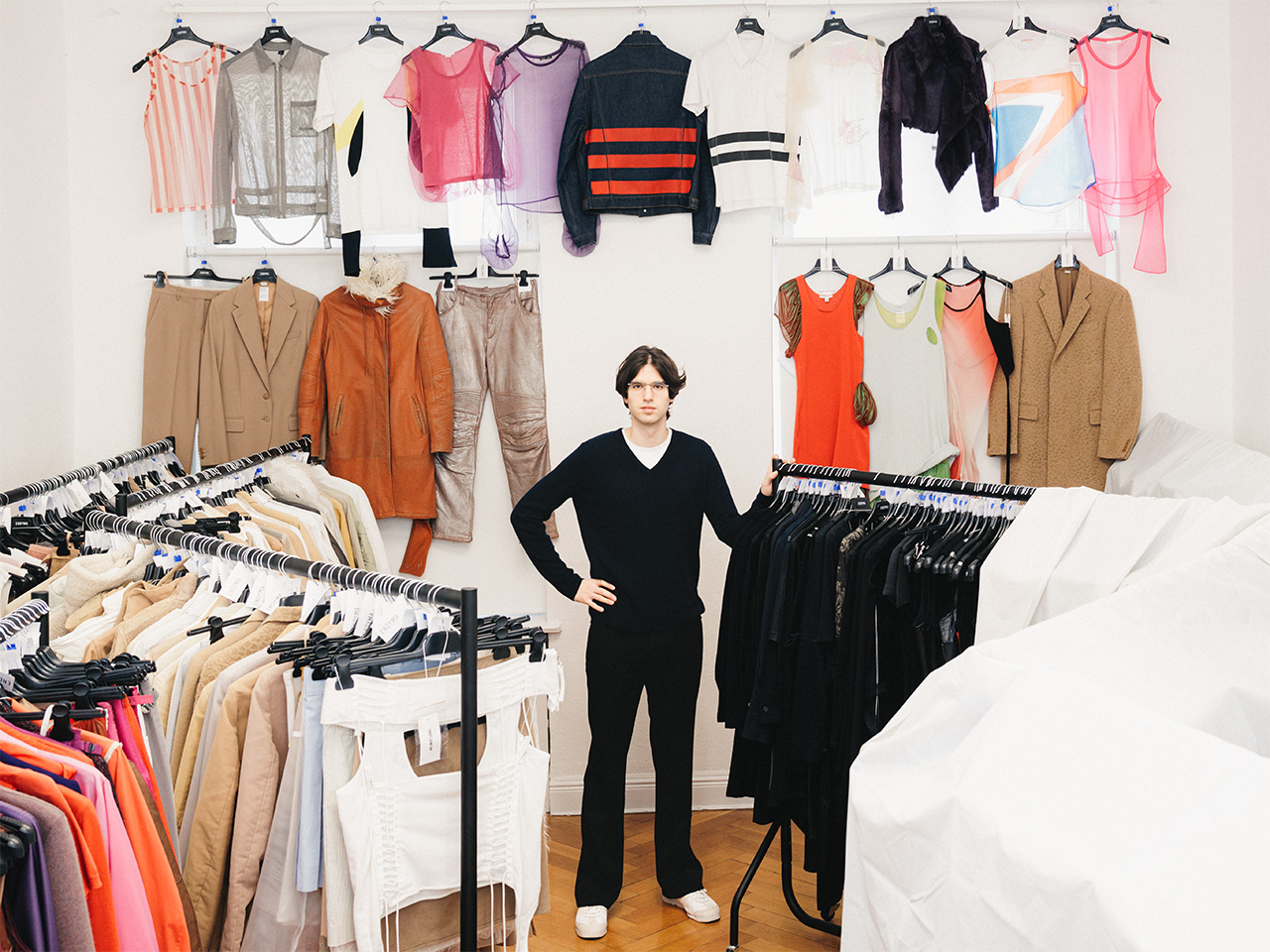
Whether they’re a student or a creative director, anyone who arrives at fashion archive and dealership Endyma is first asked to wash their hands. Visitors are then instructed not to pull on any of the garments on the racks but gently lift them by their hangers – and ideally avoid touching them at all. “Even if it’s just a bunch of T-shirts, I treat it as a life-or-death situation,” says founder Michael Kardamakis.
|
These aren’t any old T-shirts, of course. Kardamakis, a Greek-born 33-year-old, has spent 15 years assembling a goldmine of 1980s and 1990s fashion, including the world’s largest collection of Helmut Lang garments. The clothes take up a whole Altbau apartment in Berlin’s Schöneberg district. The front of the house is reserved for the Austrian avant-garde designer, while the back holds brands such as Burberry, Armani and Jurgi Persoons.
Endyma (Greek for “garment”) operates as a shop and reference library for the fashion industry, with pieces rented out for shoots or used as inspiration for collections. Designers study the clothes to copy the collar construction of a leather coat or to figure out how Lang adapted a military strap for a silk organza dress. “It activates the imagination,” says Kardamakis of Helmut Lang’s design. “It’s just the right amount of wrong.”
Read the full story about Endyma here.
|
|
| | |