A gentle rundown on food, entertaining, hotels and the way we live – from the desks of Monocle’s editors and bureaux chiefs.
|
Sunday 5/4/26
|

|
|
London
Paris
Zürich
Milan
Bangkok
Tokyo
Toronto
|
|
|
|

On the rise
This Easter Sunday we stop by an unfussy Lisbon canteen that has stood the test of time and head to a revived postwar hotel in Berlin’s Charlottenburg neighbourhood. Plus: we speak to a Singapore-based French restaurateur about his favourite culinary haunts, whip up an impressive lamb recipe and try a Milanese confectionery staple that populates the city’s pasticcerie at this time of year. Getting us started is our editorial director, Tyler Brûle, with a sense of life on the ground in the Gulf.
|
|
Despite daily drone assaults, the UAE keeps its business buzz
By Tyler Brûlé
|

|
The week started with a quick dash to the UAE for a few meetings and briefings, a bit of scouting for some projects and 48 hours of intense observation and analysis of life on the ground. Before departing, more than a few friends and associates asked, “How are you getting there? Isn’t everything still closed?” I quickly informed them that airline timetables were ticking upwards both in and out of Abu Dhabi and Dubai, and that for the return leg to Lisbon I was even waitlisted.
On Sunday evening I boarded an Etihad Boeing 787-9 out of Zürich and before the doors closed I did a tour down the aisles and determined that the plane was operating with a load factor of about 80 per cent. Not bad considering that you can fly direct to a broad range of Asian destinations from Zürich (and needn’t fly via the Gulf). But this was a little reminder of the power of strong brands and relentless marketing as many travellers in Europe, Asia and Australia feel that a stop in Doha, Dubai or Abu Dhabi is somehow a logistical necessity.
Flight EY144 started its descent towards UAE airspace about five hours after departure and as I tracked our progress on Flightradar a curious, rather alarming thing happened – our 787-9 entered into a series of stomach-churning spins. Thankfully this was only on screen, onboard all was stable with our aircraft as it made a few graceful turns on its approach to AUH. Back in the app, UAE airspace was clearly being digitally manipulated as groups of commercial aircraft were clustered near Al Ain, flightpaths were zig-zagging across Saudi Arabia and aircraft (including my own) would disappear and then reappear as they approached Abu Dhabi. The atmosphere inside the airport felt the same as it did a few weeks back, just before Iran started sending cruise missiles and drones across the Gulf. Plenty of passengers were connecting to points in Thailand and Indonesia, and there was a steady stream of labourers from Pakistan and defence contractor types from the US and Europe lined up at immigration.
For the past three decades this journalism gig has seen me dip in and out of war zones (Lebanon, Afghanistan, Sierra Leone), spend considerable time around weapon systems and heavily armed commandos, interview PR-savvy rebels and buttoned-up public affairs officers, crawl through blown-up buildings and charred tanks, and have ugly entry and exit wounds in my left and right arms from an ambush in Kabul. I know how zones of conflict look, smell, sound and, most importantly, feel. Quite often it’s remarkable how normal it all is. As I pulled off the highway onto the perfectly groomed Saadiyat Island and arrived at the hotel, I was immersed in a hyper version of normal. I met my London and Zürich colleagues for a little pre-meeting catch-up in the lobby before heading off in our NPO – Nissan Patrol Office, remember?
While schools are on a remote-learning footing (much to the annoyance of many locals) and hotels are running at around 20 per cent occupancy, the roads are busy, offices are full and the same goes for malls. Indeed one luxury goods retailer had a record day at its Dubai flagship last week and construction cranes working on the Grove Saadiyat retail development swing late into the night. The terraces at restaurants below were full and buzzy on a Monday eve. That same evening, the Abu Dhabi-based newspaper The National reported “UAE intercepts 11 missiles and 27 drones”. We hadn’t heard one boom or had a single phone alert all day.
Since Russia invaded Ukraine much has been written about the future of war. How drones have reshaped not only the battlefield but also air-defence requirements and the types of recruits required to man them. In the skies over the UAE and in control rooms at various ministries, another chapter is being written about how to effectively intercept Shahed drones (Apache helicopters are most effective I was told), manage (control) information flow and keep the public informed, connected and calm. “We have day and night settings for our message alerts now and they’re geo-targeted,” one minister told me. “You only receive an alert if there is an intercept in your area. The day alert is urgent and cuts through all the other noise [that] you have going on around you but at night it is more gentle to not cause undue stress. We’re working to improve the messaging further.”
Shortly after I left the meeting with the minister the day alarm sounded while I was browsing and buying at Fount, a select shop devoted to the best in local and international design. It advised to seek shelter and remain in place until all was clear. About seven minutes later another message popped up (no alarm) thanking me for my co-operation and informing me that all was clear. Upon meeting up with my colleagues a few hours later, I asked what they’d done during the alert. They hadn’t received it. Even though we were all in Abu Dhabi, the overall system proved to be pinpoint in both its targeting and narrowcasting.
When I landed in Lisbon on Wednesday I read a story on the “live” feed of an international broadcaster about a woman in Dubai who hadn’t been able to visit friends for a month because she can’t leave the house on account of all the booms and intercepts. Perhaps she lives by a missile battery, perhaps she suffers from other health issues, the report didn’t say but it did paint a rather distorted image of what daily life looks like. I went out to get a read from the street and I can assure you that the UAE is very much up and open for business.
Enjoying life in ‘The Faster Lane’? Click here to browse all of Tyler’s past columns.
|
|
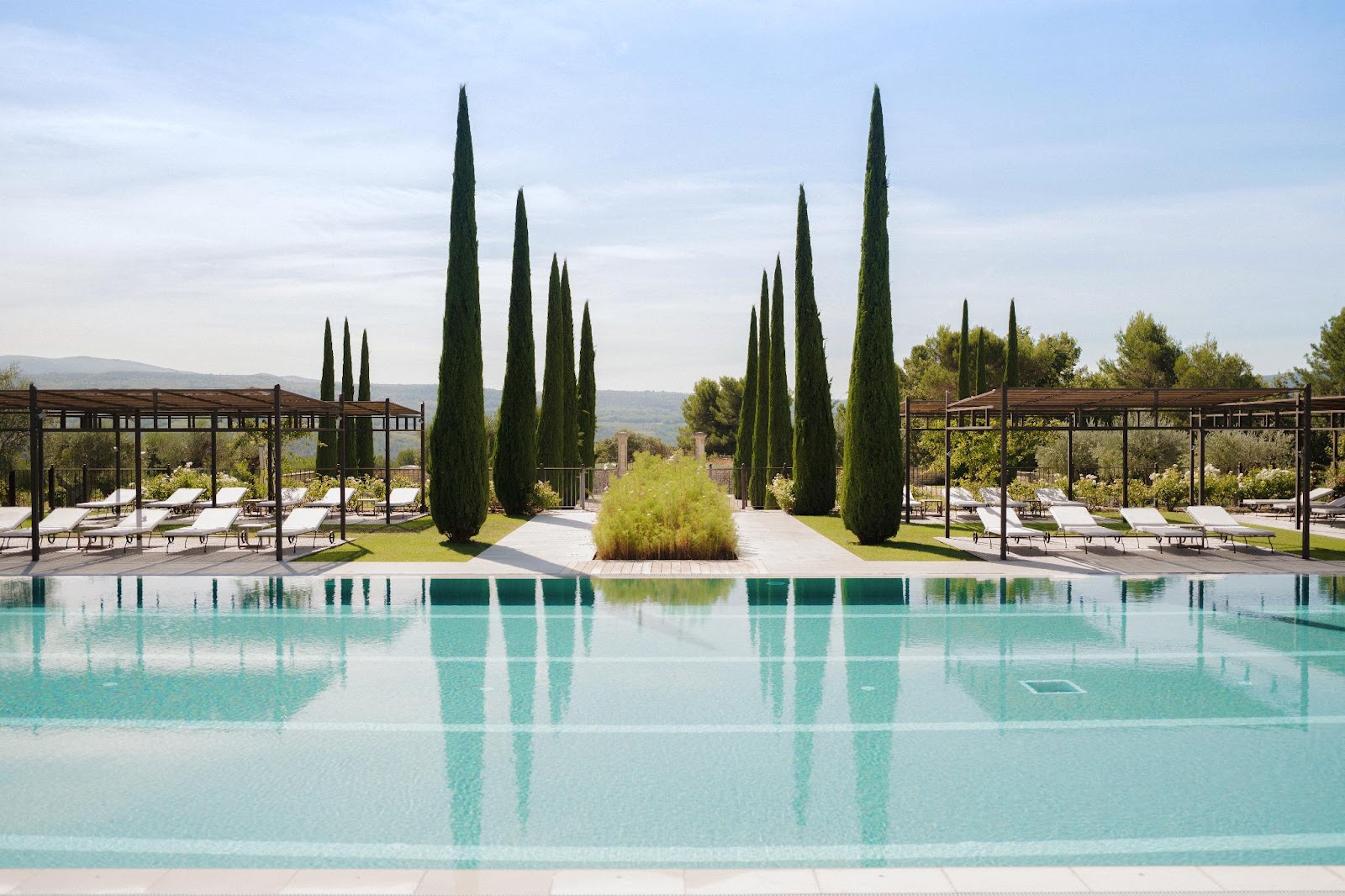
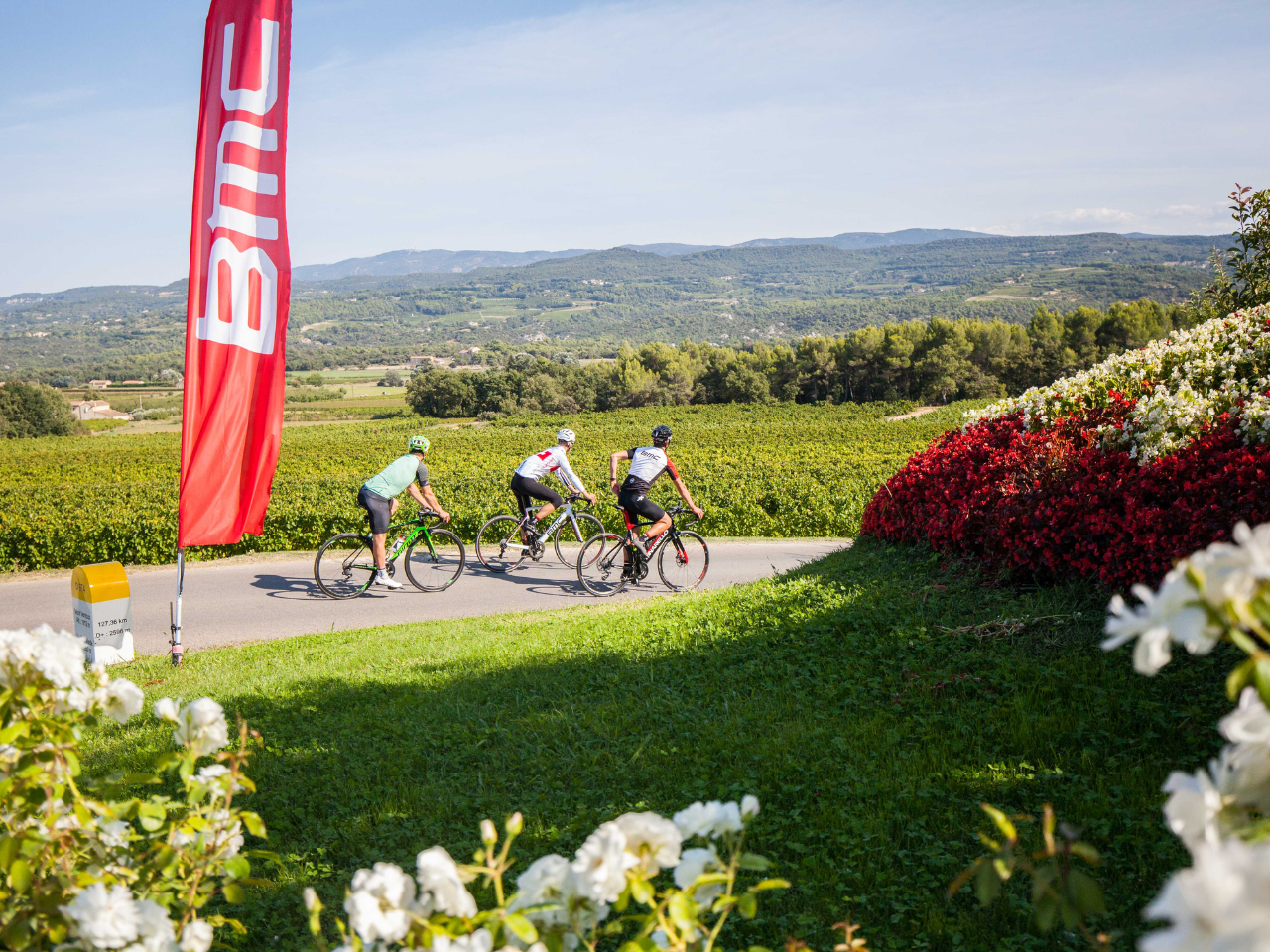
Coquillade Provence: Cycling & Wine in the Luberon
|
EATING OUT: Galeto, Lisbon
Salt of the earth
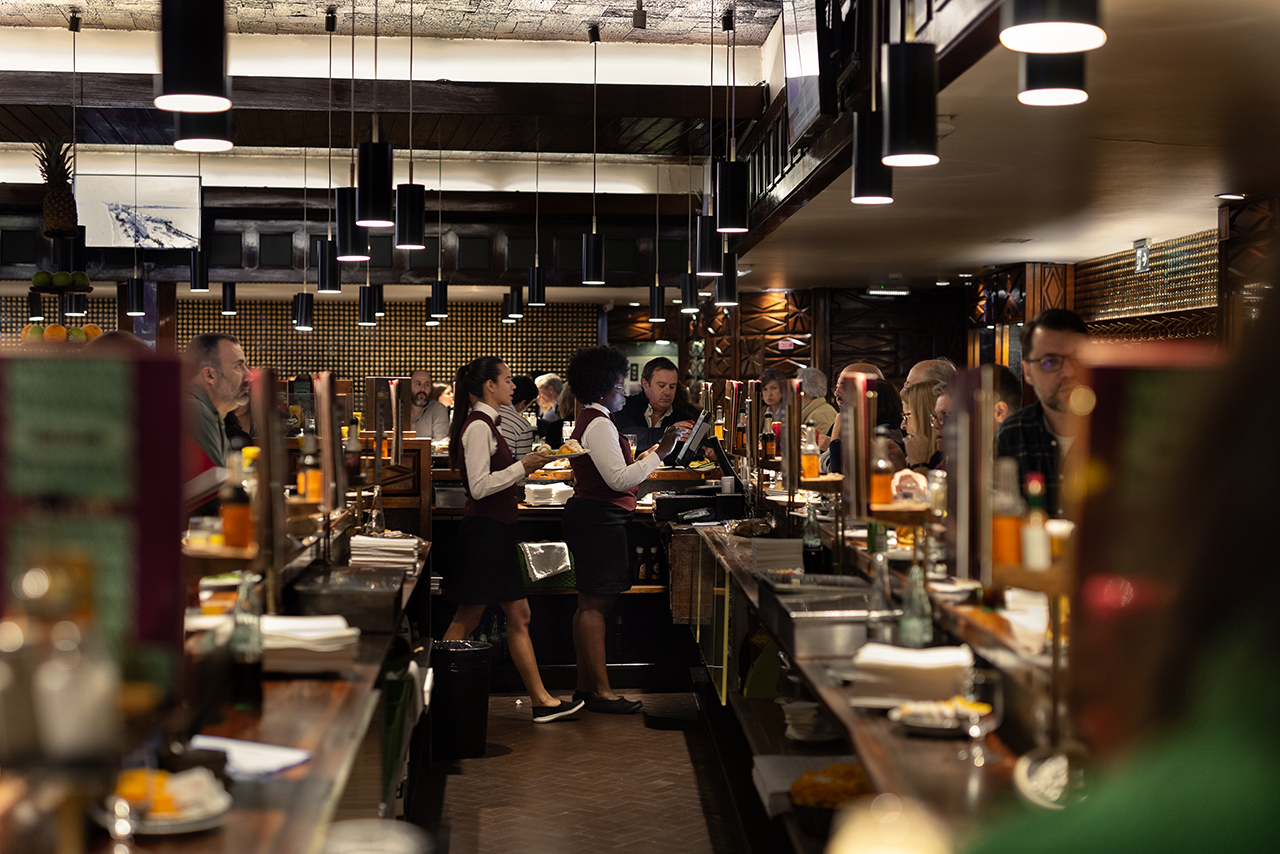
What makes a restaurant dependable (asks Gaia Lutz)? In Galeto’s case it’s simply that it is always there: the Lisbon institution is open 20 hours a day, seven days a week, 364 days a year, only closing on Labour Day. It is more of a city service than a mere restaurant – open to all whenever they need it. “The way I see it, Galeto is almost like a hospital or post office,” says owner Francisco Oliveira.
|
|
The restaurant’s roots are Brazilian and European. The Italian diaspora who settled in South America in the mid-20th century founded a genre of informal canteens that served the unfussy chicken dish that gave Galeto, which opened in 1966, both its name and inspiration.
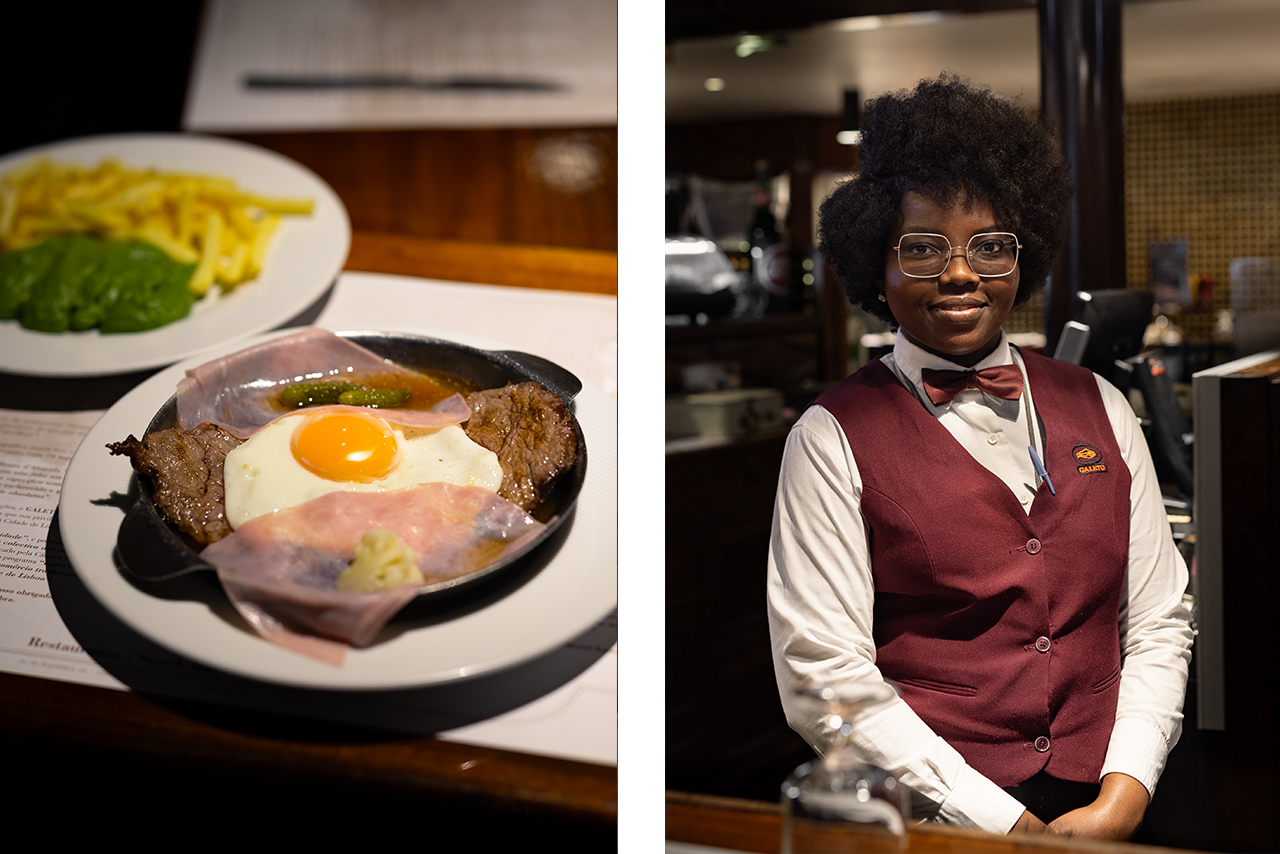
While Lisbon has seen steady change, Galeto has remained consistent. The menu is vast but the house staples are still bife à Galeto (beef with fried egg, ham and pickles) and number eight on the set menu: a hamburger with French fries and creamed spinach. From the moment when doors open at 07.30 until 03.30 the next morning, Galeto’s 130-person staff keep service running smoothly; some have more than 40 years’ experience on the restaurant’s floor. “This is a family-owned business with a mission,” says Oliveira. “It’s a kind of effort that we no longer see in hospitality today.” Well, almost never.
14 Avenida da República, 1051-191
|
|
SUNDAY ROAST: Julien Royer
French connection
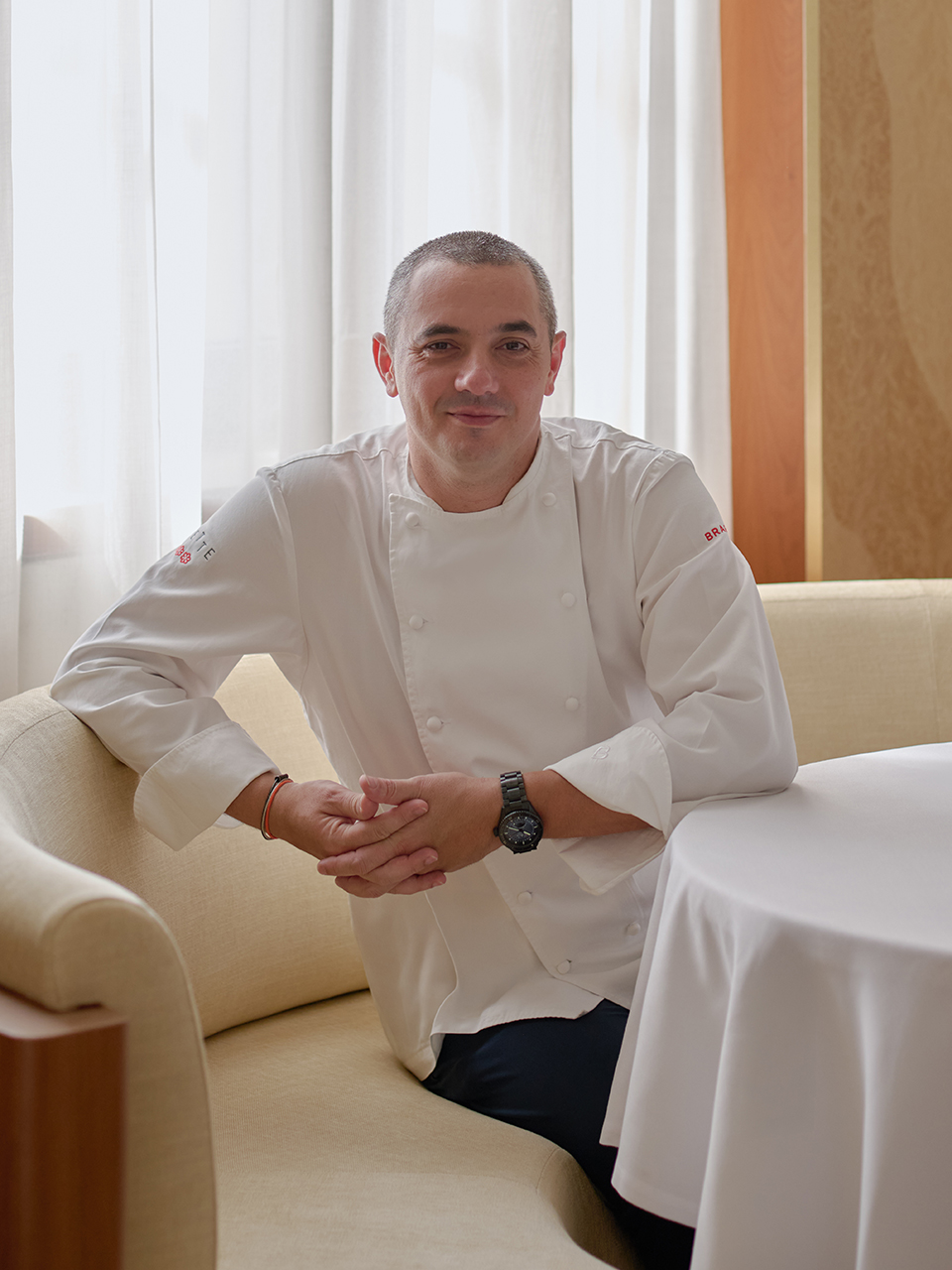
Singapore-based, French chef Julien Royer is the founder of Odette (writes Joseph Koh). The decade-old establishment has just reopened after a refresh, complete with a menu featuring Asian-inflected French dishes and artworks by Singaporean artist Dawn Ng. Here, Royer tells The Monocle Minute Weekend Edition about his favourite Singaporean haunts, pantry staples and a very French breakfast.
|
Where do we find you this weekend?
I’ll start the day with a game of tennis before having a casual lunch with my wife in Joo Chiat. It’s a lively neighbourhood with many small dining spots. In the afternoon I’ll either take a walk around the Singapore Botanic Gardens or New Bahru, where there’s always something interesting to see.
What’s for breakfast?
A very French breakfast: sourdough bread with butter and jam, freshly squeezed orange juice and coffee. Should friends or family visit, I like to bring them to Tong Ah Eating House for some kaya toast and kopi (Nanyang coffee).
A Sunday soundtrack?
Suprême NTM, an old-school French rap group that was popular in the 1990s, on vinyl.
News or not?
I typically read The Straits Times or The Business Times on my phone but on Sundays I pick up a physical copy.
What’s on the menu?
I recently discovered a place for really good pizza. It’s Beyond the Dough on Arab Street. The crust is not too thick, crunchy on the outside and soft on the inside. And the toppings are excellent.
And to drink?
For white wine, it will always be chardonnay from Burgundy or chenin blanc from the Loire Valley. Red would be a syrah from the Rhône Valley or a blend from Languedoc. When I go out, I always head to Bistro Gaston or Le Bon Funk.
A favourite product for the pantry?
I’m French so it has to be cheese. The two I always have in my fridge are comté – you cut or grate it into pasta, put it on bread or use it for cooking – and saint-nectaire cheese from my hometown in the Auvergne region.
Which brands does your wardrobe currently consist of?
I’m in love with my new Cloud trainers from On because they’re so comfortable to wear for hours in the kitchen. For clothing I like Boggi Milano, and if I’m looking for something really nice, Christian Dior.
|
|
RECIPE: Ralph Schelling
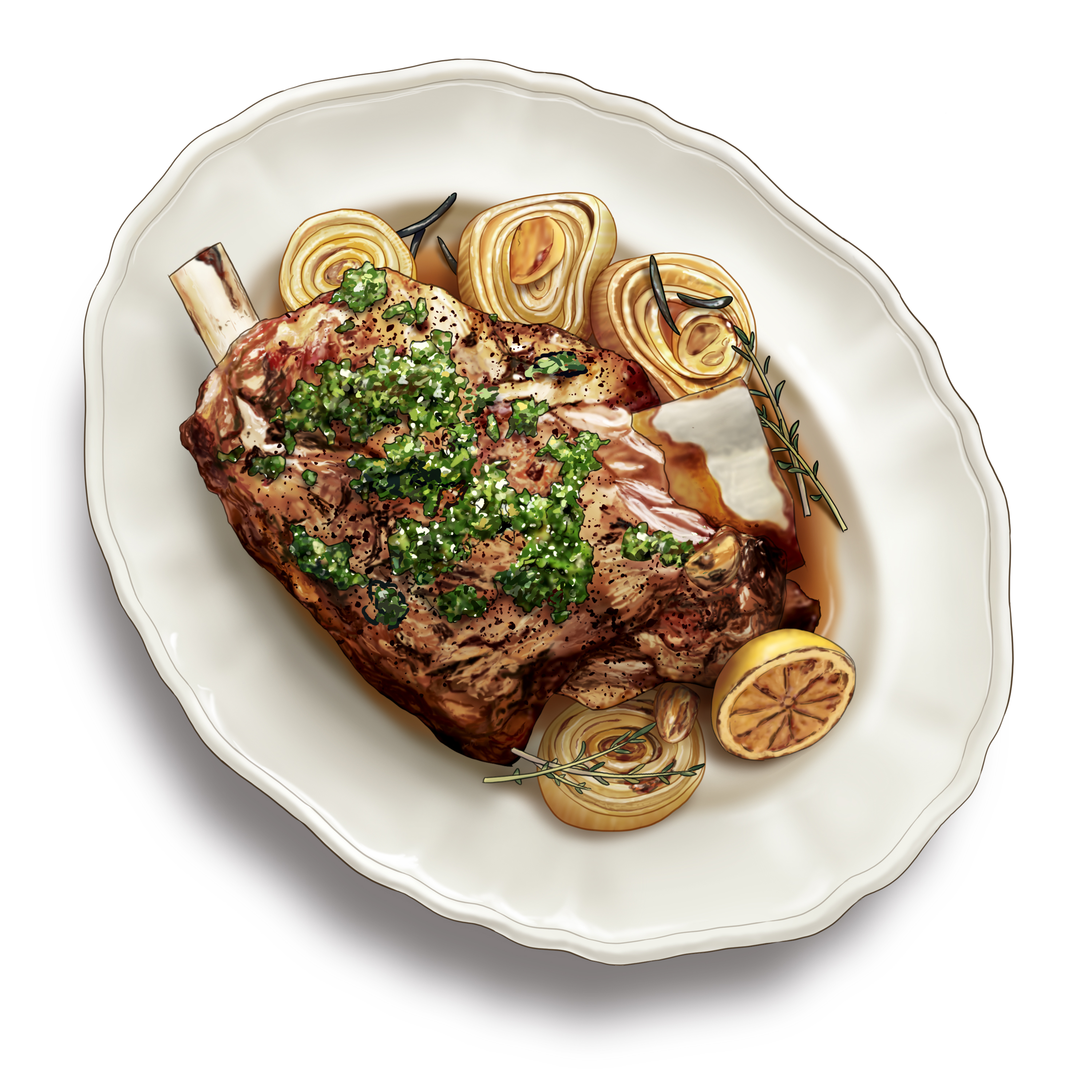
Braised lamb with salsa verde
When our Swiss chef lived in San Sebastián, he often made this lamb dish with Basque cider or Brandy de Jerez instead of white wine. Serve with roast potatoes and your choice of vegetables for an impressive centrepiece at your Easter table.
|
Serves 4
Ingredients
For the lamb
1 milk-fed lamb leg (approximately 1.5kg)
2 onions
2 whole garlic bulbs
Pinch of fleur de sel
100ml olive oil
200ml white wine
For the salsa verde
1 bunch flat-leaf parsley
2 slices white bread
1 clove garlic
2 anchovy fillets
2 tbsps capers
2 tbsps lemon juice
2 tbsps white balsamic vinegar
150ml olive oil
Pinch of salt
Freshly ground black pepper
Method
1.
Preheat the oven to 170C and rinse the lamb leg with cold water.
2.
Peel and roughly chop the onions and halve the garlic bulbs.
3.
In a baking dish, rub the lamb and onions with oil and season with fleur de sel. Place the inner side of the leg facing outwards.
4.
Pour in the wine and roast for about 40 minutes. Turn the meat and roast for another 30 minutes until crispy, basting the meat occasionally with the sauce in the last 15 minutes to achieve a crispy parchment paper-like crust.
5.
To make the salsa verde, roughly chop the parsley including the stems. Remove the crusts from the bread and tear into pieces. Peel the garlic. Purée everything with the remaining ingredients until smooth.
6.
Plate the lamb and serve with the salsa verde.
ralphschelling.com
|
|
WEEKEND PLANS? The Dean, Berlin
Here to stay
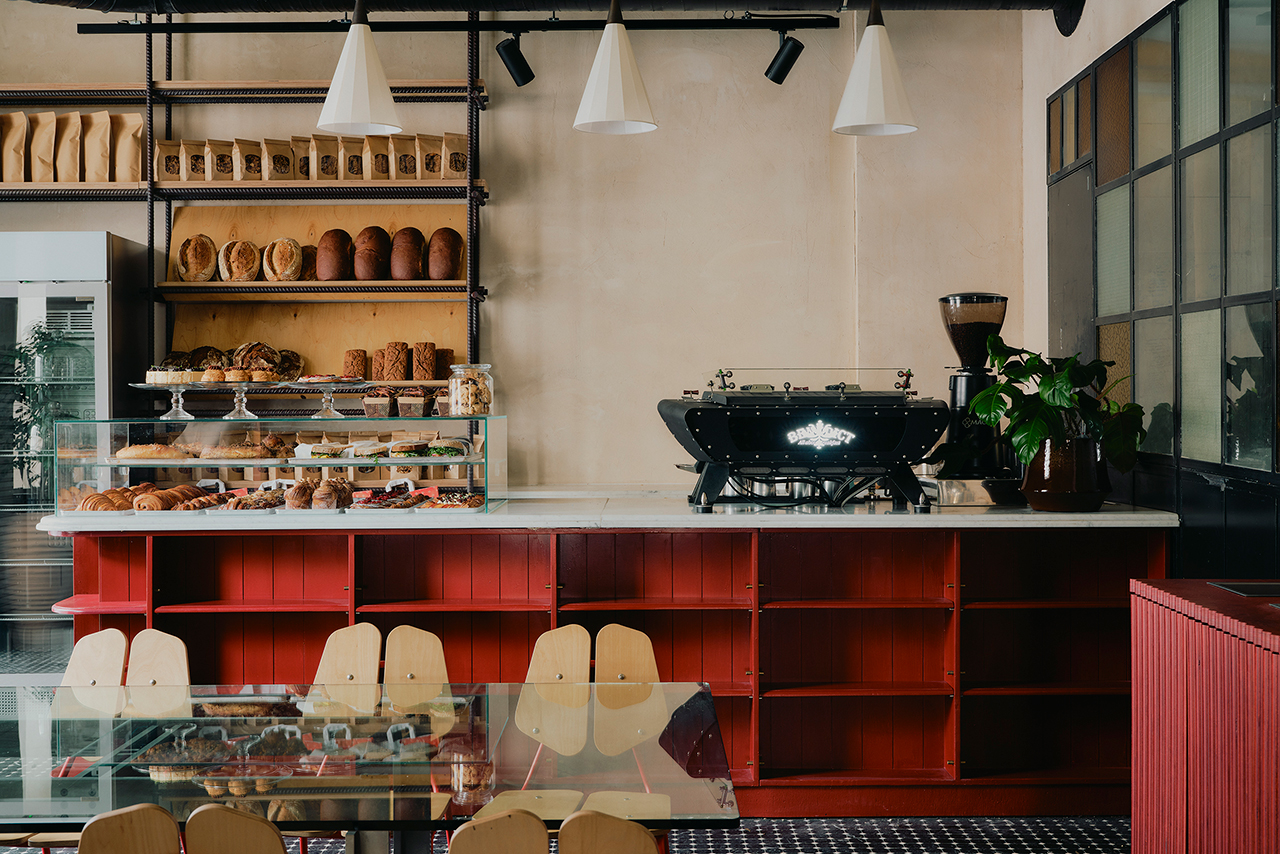
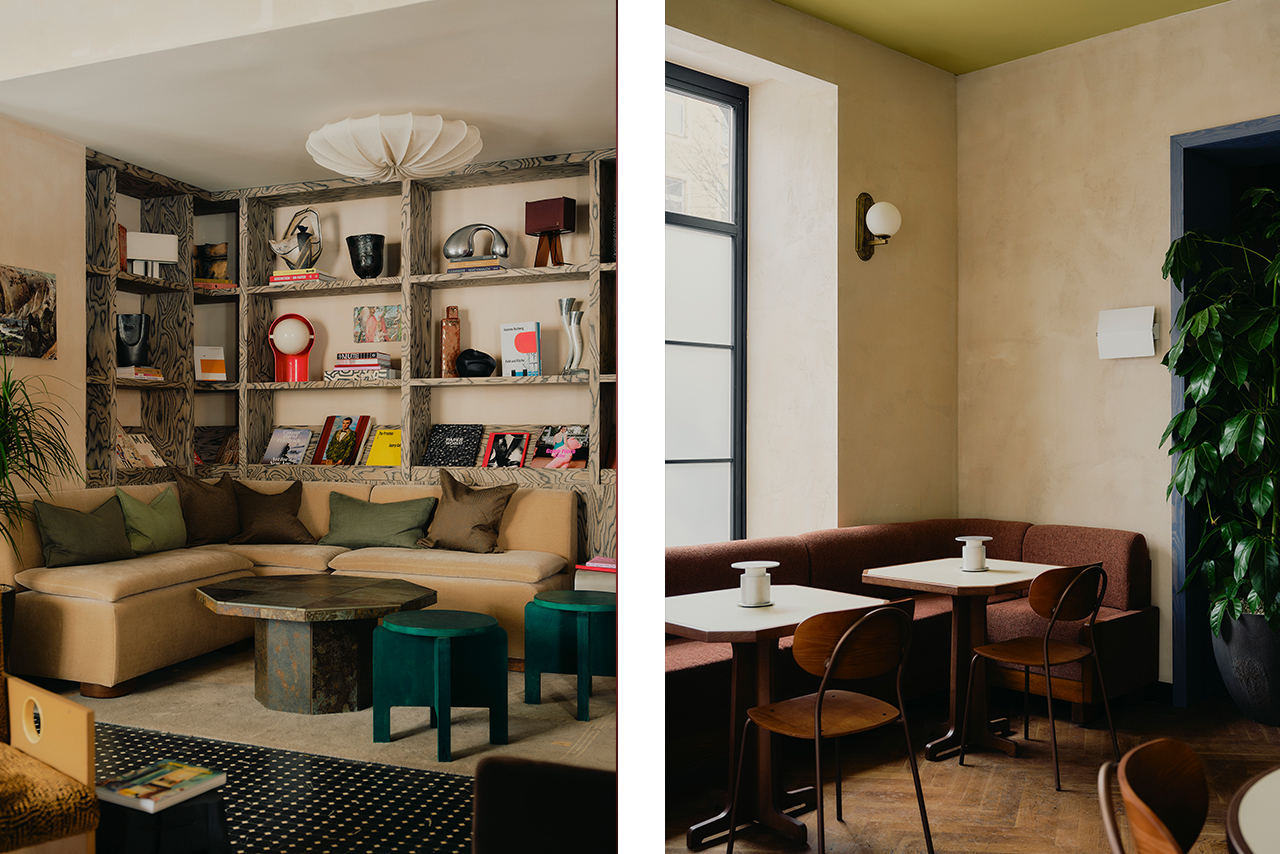
Irish hospitality group The Dean has taken its first step beyond The Emerald Isle (writes Florian Siebeck). In Charlottenburg – West Berlin’s old-money quarter – the brand has taken on an 81-room, late-19th-century building that has served, in turn, as a residence and a postwar office.
|
|
“My approach was about revealing the building rather than over-restoring it,” says British designer Rachael Gowdridge. Instead of doing away with its past, she leaned into it. “This place has lived many lives,” she says. The interior embraces narrow proportions and unconventional layouts rather than disguising them: furniture is often set slightly off-axis and a bed’s headboard might rest against a window instead of a wall.
An extensive art collection, featuring work by German artists in particular, permeates the hotel and examples are often found in unexpected places. “There’s a deliberate tension throughout,” says Gowdridge. “Refined moments sit alongside raw ones, much like the district itself.”
thedeanhotels.com
Planning a visit? Monocle’s Berlin City Guide will take you to some of our favourite hotels, restaurants and galleries.
|
|
| | |