| Daily coverage for the global derivatives industry | SIGN UP ⋅ SHARE |
|
|
|
The International Monetary Fund, World Bank and International Energy Agency have agreed to work together to address the economic fallout from the Iran war, including sharing data and coordinating policy advice. "The impact is substantial, global, and highly asymmetric, disproportionately affecting energy importers, in particular low-income countries," the organizations say in a joint statement.
|
|
|
Bank of England Governor Andrew Bailey said markets are overestimating the likelihood of rate hikes, emphasizing the need to protect growth and jobs amid inflation pressures from the Iran war. He signaled policymakers will act cautiously, noting weak pricing power among businesses and broader economic softness.
|
|
|
|
A former Bank of Japan chief economist says that the conflict in Iran is causing inflationary pressures, making a case for the BOJ to raise interest rates this month. "If the idea is to have assessed the situation, I think it would be fine to move in April," Toshitaka Sekine says.
|
|
|
International Energy Agency Executive Director Fatih Birol has warned that Middle East oil supply disruptions will intensify in April, significantly impacting Europe as the closure of the Strait of Hormuz curbs supplies. Over 12 million barrels of oil have been lost since the US-Israel war on Iran started, Birol says, adding that losses are expected to double in April, leading to inflation and reduced economic growth. The shortage of jet fuel and diesel, already affecting Asia, is likely to spread to Europe, Birol says.
|
|
|
The US economy is facing several potential risks, including surging oil prices due to the Strait of Hormuz closure, which could drive Brent crude to $200 per barrel. Economists remain calm, citing the US's reduced oil dependence and futures markets predicting a price drop. Another risk is the stress in the private credit market, which could spread to banks and the broader economy if companies struggle to secure financing. Additionally, the AI boom, which has driven economic growth, may face challenges due to capital constraints and energy issues.
|
|
|
The US Treasury is convening domestic and international regulators to assess risks in the fast-growing private credit sector, citing concerns over opacity, illiquidity and insurer exposure. The move follows recent market stress and rising scrutiny of underwriting standards and complex securitized products.
|
|
|
 |
| (ISDA) |
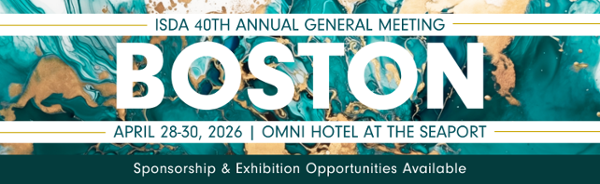
Get ready for the most anticipated event in the derivatives calendar! Global market leaders, innovators and policymakers will meet at the ISDA AGM to exchange ideas and help shape the future of the industry. Join us for 3 days of engaging discussions, insights and unmatched networking opportunities with the people driving progress across financial markets. Register before December 31st to take advantage of early promo pricing. Click here to register. |
|
|
This comprehensive 2-day Masterclass was developed to help participants understand the terminology of collateral, securities, and related documentation, learn about relevant regulatory history and current market practice, especially with regard to the post-Uncleared Margin Requirements landscape. This course also includes practical explanations of tasks and responsibilities for OTC margin managers. Register here to secure your spot!
|
|
|
| Free eBooks and Resources |
|
|
 
| Check out the Latest Research Papers |
|
|
| ISDA® is a registered trademark of the International Swaps and Derivatives Association, Inc. |
|
|
|
|
| Got this from a friend? Subscribe now and stay in the loop! |
|
 |
|
| |
| We find by losing. We hold fast by letting go. We become something new by ceasing to be something old. |
Frederick Buechner,
writer, poet, preacher, theologian |
|
| |
 |
|
|
|
|