| | In this edition: Africa’s long-term gains from Mideast energy disruption; China doubles down on DRC,͏ ͏ ͏ ͏ ͏ ͏ |
| |  Maputo Maputo | Kinshasa |  Addis Ababa Addis Ababa |
 | Africa |  |
| |
|
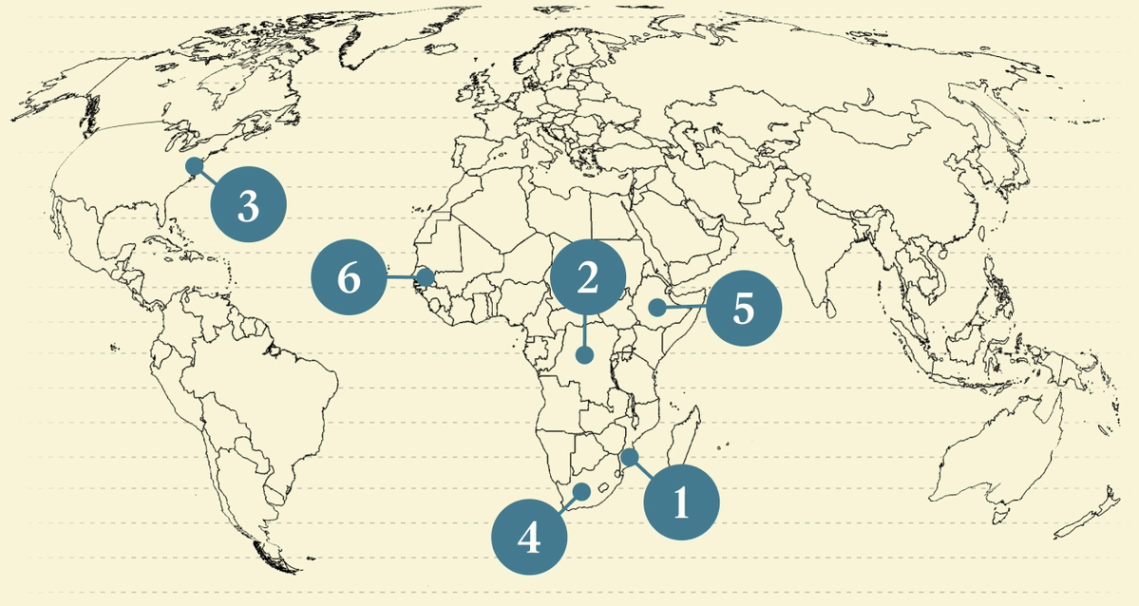 - Africa’s long-term Iran bump
- China bets big on DRC
- Pretoria’s man in DC
- Sibanye’s EU bet
- Powering Ethiopia
- Senegal’s defiance
 The Week Ahead, and getting closer to a cure for sickle cell disease. |
|
Africa’s energy giants eye long-term gains |
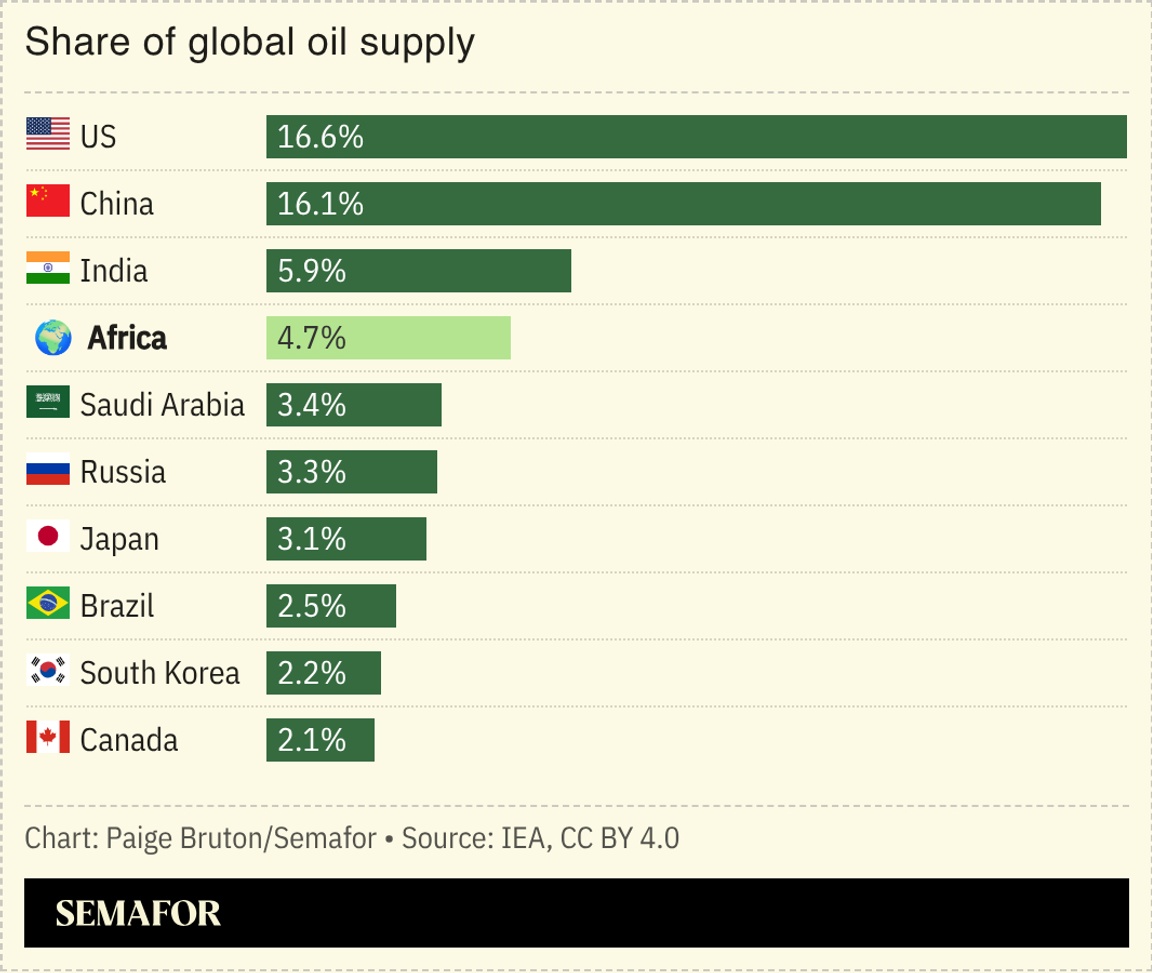 Africa’s energy producers are emerging as unexpected long-term beneficiaries of the Middle East conflict, according to oil analysts. Angola, Mozambique, and Nigeria are among nations increasingly viewed by European and Asian buyers as lower-risk alternatives to disrupted supplies: With the Strait of Hormuz and Red Sea now high-risk routes, African volumes carry lower insurance premiums and more predictable delivery times — structural advantages that could reshape long-term supply contracts. Africa’s liquefied natural gas sector stands to gain most; export capacity is projected to more than double by 2040, according to the African Energy Chamber. The crisis could also accelerate long-delayed projects, including the Trans-Saharan pipeline designed to carry Nigerian gas through Niger and Algeria to Europe, which has been beset by safety and security concerns in the Sahel region. Horizon Engage risk analyst Clementine Wallop warned, however, that while Africa was a “logical place to look,” the risks some of these projects have faced — security, political, or logistical in nature — “show that this is not a quick fix.” Potential gains for producer nations are nevertheless cold comfort for millions of ordinary Africans: The conflict has sent Brent crude surging more than 50% to around $110 a barrel, and since most African countries are net importers of refined oil products, the price shock has been swift and severe. — Yinka Adegoke |
|
 Zohra Bensemra/Reuters Zohra Bensemra/ReutersChina is doubling down on DR Congo just as Washington tries to up its own bets on one of the world’s most lucrative critical minerals hubs. Kinshasa and Beijing inked a new deal covering geological data sharing, investment protections, and local processing, after the Trump administration struck a minerals-for-security partnership with the DRC in December, part of a broader effort to counter China’s dominance as Congolese President Felix Tshisekedi’s government battles Rwanda-backed M23 rebels in the east. But the China-Congo pact should not be seen as a “riposte” to Washington, said C. Geraud Neema, Africa analyst at the China-Global South Project: “This China agreement doesn’t come close in magnitude with what Kinshasa signed with DC.” Still, Beijing retains structural advantages as the DRC’s biggest bilateral creditor, and Chinese firms, which already dominate cobalt and copper production, are now looking to other critical minerals. Zijin Mining Group is set to commission a $1.4 billion Manono lithium project in June, which analysts said could produce around 130,000 tons of lithium carbonate annually — roughly 5% of global supply. — Yinka Adegoke |
|
South Africa opts for low profile envoy |
 Kevin Lamarque/Reuters Kevin Lamarque/ReutersSouth Africa appointed a career diplomat as the acting head of its Washington embassy, as it stalls on naming a new official ambassador. Thabo Thage’s appointment as the de facto head of mission allows him to negotiate and sign agreements at a time of heightened diplomatic tension between the countries. The move reflects Pretoria’s caution over making a full ambassador appointment. Thage has previously served in several senior diplomatic posts, including as South Africa’s ambassador to Bulgaria and Chile. Pretoria’s previous ambassador, Ebrahim Rasool, was expelled last year after he accused US President Donald Trump of being a white supremacist. An attempt to fill the gap failed after the US rejected MTN chairman Mcebisi Jonas’ credentials to serve as special envoy. Relations are badly strained after several spats, including South Africa’s genocide case against US ally Israel over its military operations in Gaza, Washington’s call for South Africa’s Black empowerment laws to be rolled back, and Trump’s repeated false claims of a “white genocide” in South Africa. — Tiisetso Motsoeneng |
|
Sibanye sees limits to EU strategic status |
| |  | Tiisetso Motsoeneng |
| |
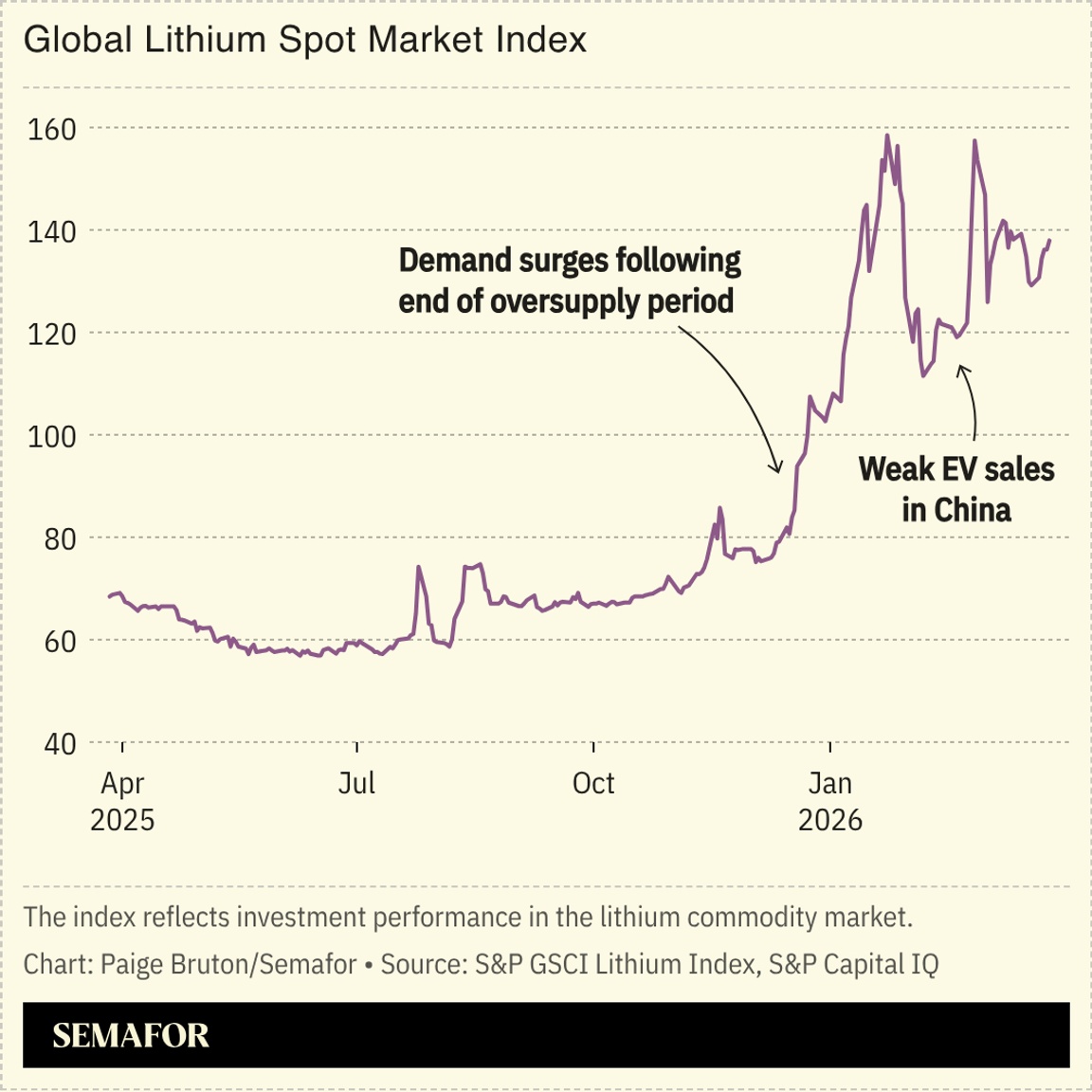 South African miner Sibanye-Stillwater said the EU’s “strategic project” label for its $870 million lithium operation fell short of necessary protections to survive global price shocks, arguing it left Europe’s nascent lithium supply chain exposed to competition from low-cost Chinese refiners. Sibanye, among the world’s top three platinum metals miners, is currently developing the Keliber project in Finland to produce battery-grade lithium hydroxide from local ore. The mine is due to come online in the coming months, some five years after the Johannesburg-based miner first bought into Keliber. But the EU badge has been disappointing for Sibanye’s CEO Richard Stewart, who told Semafor that the label does not guarantee a market or protect it from predatory pricing. Keliber still faces the prospect of low-cost imports undercutting its commercial goals unless Brussels accepts some form of demand-side support or risk sharing. |
|
Bringing solar to Ethiopia |
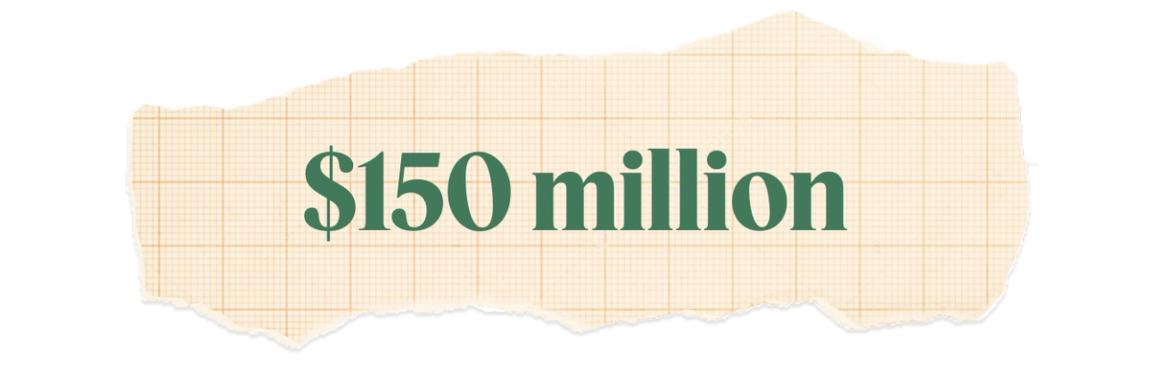 The amount that Sun King, the world’s largest off-grid solar company, plans to invest to bring solar power to Ethiopia by 2030, according to a deal with the Ethiopian Investment Commission. The Kenya-based firm, which already operates in 14 African countries, aims to reach 2 million Ethiopian households and businesses by 2030, according to a joint statement. Many of Ethiopia’s 120 million people do not have grid access, even though the country exports hydropower via the Grand Ethiopian Renaissance Dam. Sun King will establish a local subsidiary as part of a broader $1.3 billion Africa-wide expansion drive. |
|
CAF in disarray, Senegal defiant |
 Julien de Rosa/AFP via Getty Images Julien de Rosa/AFP via Getty ImagesThe resignation of a top executive at Africa’s football governing body raised questions about the organization’s integrity following a controversial ruling that stripped Senegal of its African Cup of Nations title. Veron Mosengo-Omba, a Congolese official who in 2021 rose to second-in-command at the Confederation of African Football, said he was retiring. It comes less than two weeks after CAF stripped Senegal of the AFCON title it won in January, awarding the championship instead to Morocco. The March 17 ruling triggered fury across the continent and renewed longstanding questions about the organization’s governance. Senegal’s players, awaiting an appeal ruling from the Court of Arbitration for Sport, an independent international organization, have responded with defiance: They paraded their trophy in Paris this weekend before a friendly against Peru. — Alexander Onukwue |
|
 As Africa’s economic growth surpasses Asia’s in 2026, the Atlantic Council will host its Investing in Africa Forum on April 16 in Washington, DC. Convening 25 global leaders, the forum will explore opportunities across critical minerals, AI and connectivity, creative industries, and sports, advancing a roadmap for sustainable investment based on a “trade, not aid” approach. Register here. |
|
 Business & Macro |
|
|