| | Oil prices fall and stocks rise after Donald Trump eases his threats against Iran, US travel chaos d͏ ͏ ͏ ͏ ͏ ͏ |
| |  XIAMEN XIAMEN |  PYONGYANG PYONGYANG | WOLLONGONG |
 | Flagship |  |
| |
|
The World Today | 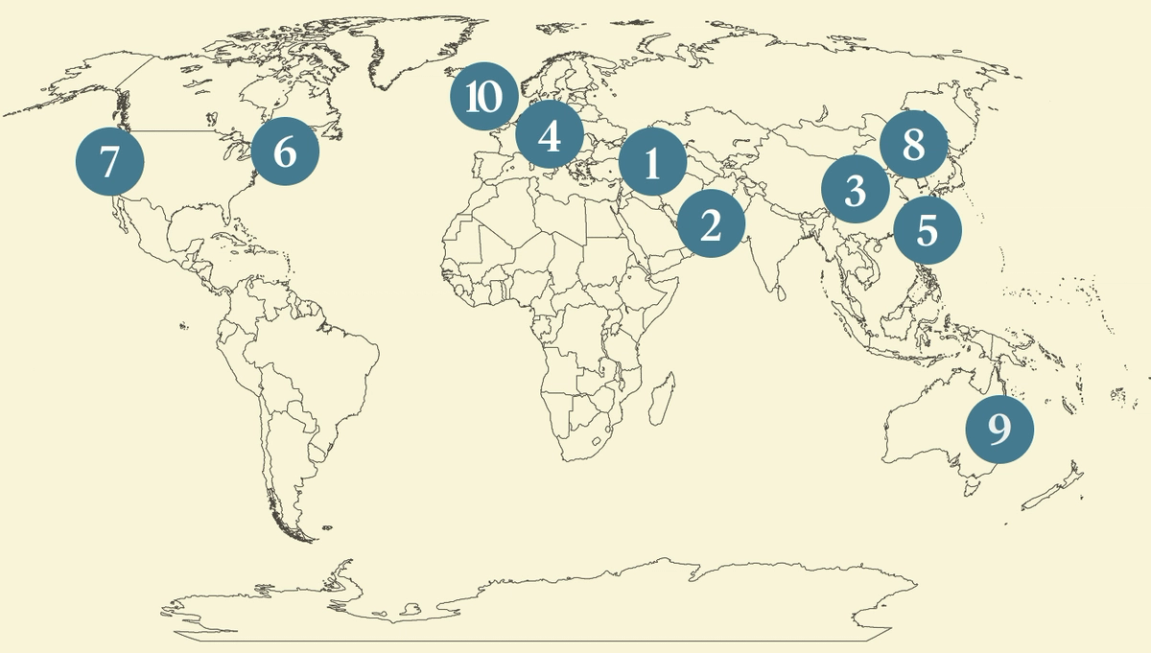 - Oil falls on Trump walkback
- Big Oil vs. White House
- China feels gas price pain
- Europe’s role in Iran war
- Conflict imperils AI boom
- More US airport chaos
- New prediction market fund
- NK worker spies in US
- Australia’s illicit cig trade
- The longest coastal walk
 A new exhibition on Hong Kong’s short-order cafés goes beyond the clichés. |
|
Markets relieved as Trump eases on Iran |
 Brendan McDermid/Reuters Brendan McDermid/ReutersStocks rose and oil prices fell after US President Donald Trump eased his threats on Iran. Trump announced a five-day suspension of US strikes on Iran’s energy infrastructure, hailing productive talks with Tehran, which Iranian officials denied even took place. Trump’s sudden talk of de-escalation — he said the US was intent on making a deal with Iran — was part of his efforts to calm markets that had been rattled by his threats to destroy Iranian power plants, and came after US allies warned him of the dangers of his plans, Bloomberg reported. While investors were relieved, analysts remained cautious: “It’s incredibly difficult to trade these markets when Trump is swinging between massive escalation and declaring peace/victory,” one said. |
|
Oil execs, WH differ on outlook |
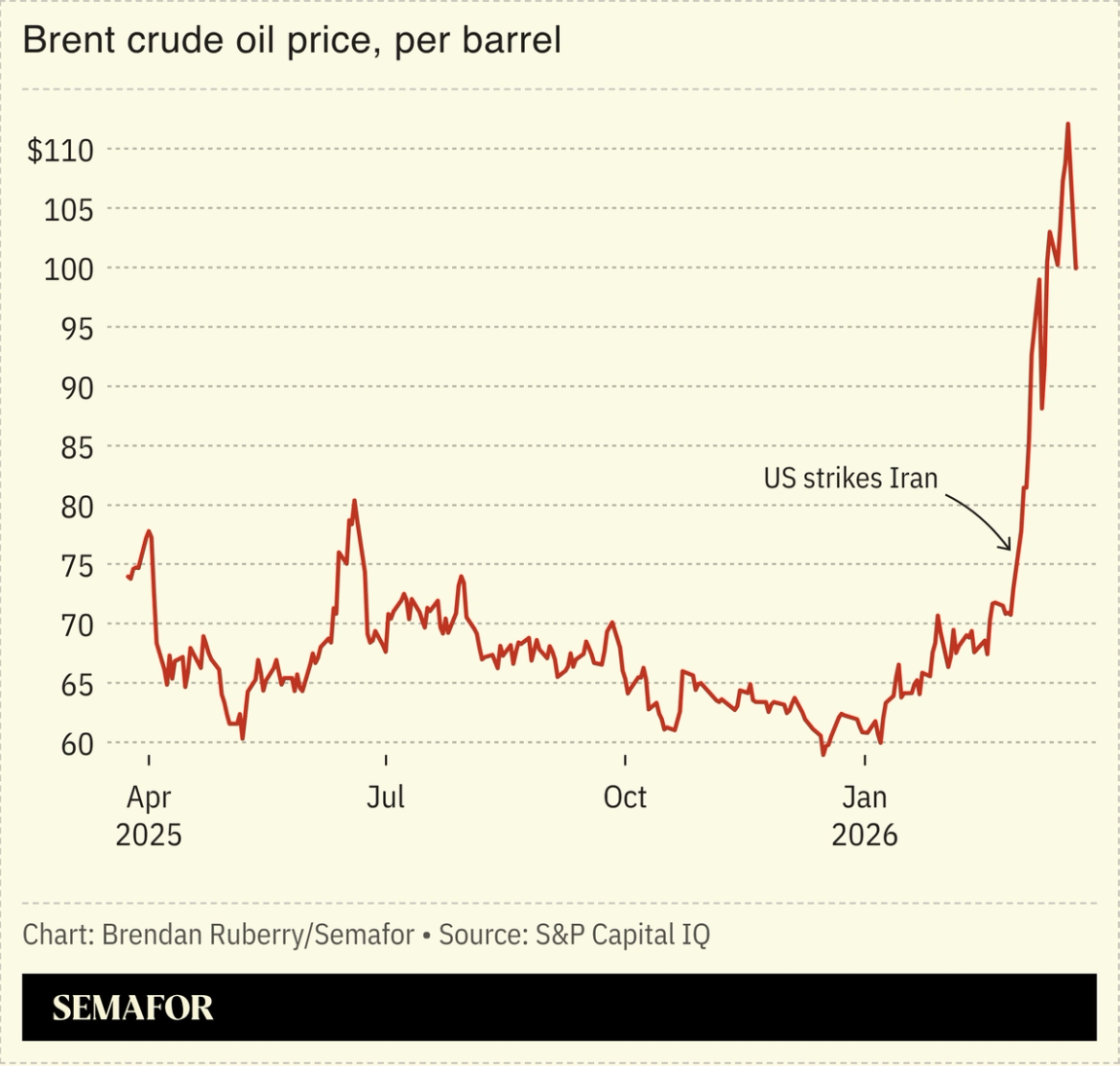 Oil executives and the Donald Trump administration on Monday offered divergent outlooks for the global energy market. Speaking at CERAWeek — the energy sector’s marquee annual event — the US energy secretary described the recent oil price volatility as “a short-term disruption” that would ultimately drive more drilling to come online. Chevron’s CEO was skeptical, however, warning that prices are likely to go higher even if the Strait of Hormuz reopens soon. The disruption is something of a mixed blessing for US oil companies, Semafor’s energy editor wrote: They will benefit from the price spike in the near term, but “prices this high could ultimately create more problems than they solve.” |
|
China drivers feel pain of Iran energy shock |
 Maxim Shemetov/Reuters Maxim Shemetov/ReutersDrivers lined up at gas stations across China on Monday, as the country starts to feel the pain of the energy shock triggered by the Iran war. China has a considerable crude stockpile and is swiftly electrifying its economy, but hundreds of millions of drivers who still rely on gas will likely feel the sting of higher prices. Beijing on Monday said it would ease a planned hike in gas prices to “reduce the burden” on drivers, a surprise move signaling it is “deeply concerned about inflationary pressure and consumer affordability,” an oil analyst said. While the oil price shock could help offset deflationary pressure in China, rising prices driven by higher input costs risks morphing into “bad inflation,” an economist said. |
|
Europe’s quiet role in Iran conflict |
 USAF B-1 bomber at RAF Fairford airbase. Toby Shepheard/Reuters USAF B-1 bomber at RAF Fairford airbase. Toby Shepheard/ReutersEurope is quietly supporting the US’ campaign against Iran, even as President Donald Trump lambasts the continent for staying on the sidelines. US military bases in the UK, Germany, Portugal, Italy, France, and Greece are fueling and launching American bombers and drones. The continent’s cooperation underscores how any move to cut defense ties with Europe “would be a huge loss to the US,” an expert told The Wall Street Journal, but it also exposes Europe’s decades-long dependence on Washington: European leaders who have sought to distance themselves from the war hope their limited support for Trump’s actions against Tehran will convince him not to abandon Ukraine, Politico reported. “It really is his war, and our problem,” a European analyst wrote in UnHerd. |
|
Conflict imperils AI chip supply chain |
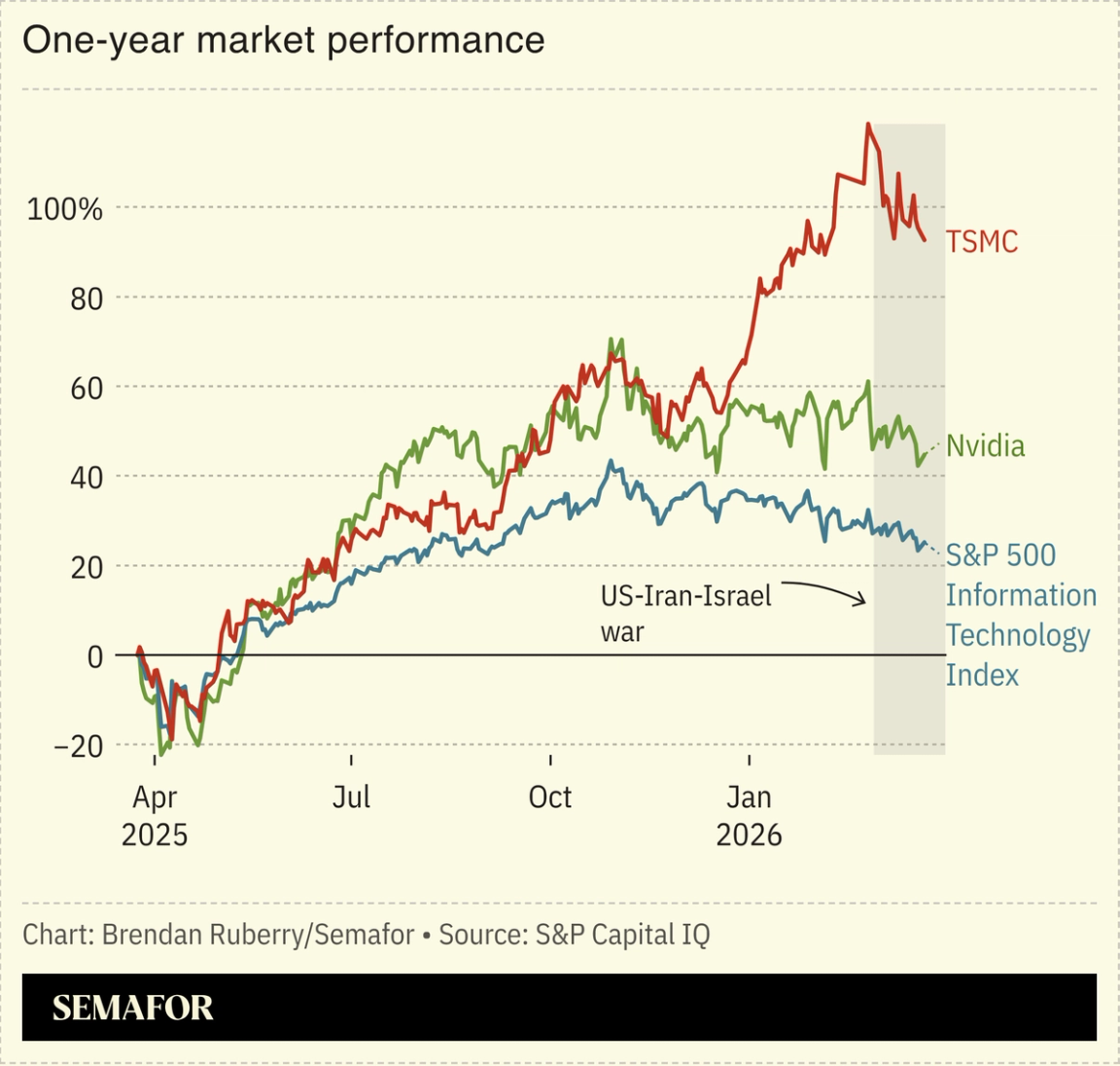 The Iran war risks disrupting the AI supply chain, analysts said, upending the prospects for East Asian firms that drive chip manufacturing but rely on the Middle East for energy imports. Two major South Korean companies dominate memory chip production, while Taiwan’s TSMC makes 90% of advanced semiconductors; both places depend heavily on imports of fossil fuel and critical materials for chipmaking that transit the Strait of Hormuz. A natural gas shortage could also hit the US data center boom because of higher energy costs, Financial Times economics writer Tej Parikh noted: Tech valuations that have soared off of the AI boom could come under pressure, and the longer the strait is closed, “the deeper the fallout will be.” |
|
US air travel chaos worsens |
 Adam Gray/Reuters Adam Gray/ReutersThe chaos plaguing US airports deepened on Monday as travelers faced hours-long lines stemming from a partial government shutdown. As security officers work without pay, leading many to call out of work or quit, federal immigration agents were dispatched to airports across the country, ramping up a fight in Washington that stems from disagreements over homeland security funding. President Donald Trump reportedly rejected an off-ramp that would alleviate long lines at airports but leave Immigration and Customs Enforcement without funding. Air travel on Monday faced further turmoil after New York’s LaGuardia Airport was closed for several hours following a deadly collision between an Air Canada jet and a firetruck; one runway is closed until Friday. |
|
New VC fund for prediction markets |
 Kalshi CEO Tarek Mansour and Polymarket CEO Shayne Coplan. Marco Bello/Reuters Kalshi CEO Tarek Mansour and Polymarket CEO Shayne Coplan. Marco Bello/ReutersThe launch of a new venture capital fund focused on prediction markets underscores the rapid growth of the nascent industry. The founders of the two biggest platforms, Kalshi and Polymarket, are among the investors in 5c(c) Capital, which plans to raise up to $35 million, with some 20 companies in its portfolio over the next two years, Bloomberg reported. Prediction markets have taken off in recent years, allowing people to bet on real-world events, like elections and sports. They’ve drawn the ire of US state regulators who argue they are essentially unlicensed sports gambling sites, and some lawmakers in Washington want more regulation. A new bill proposed in the Senate would outlaw sports betting on Kalshi and Polymarket. |
|
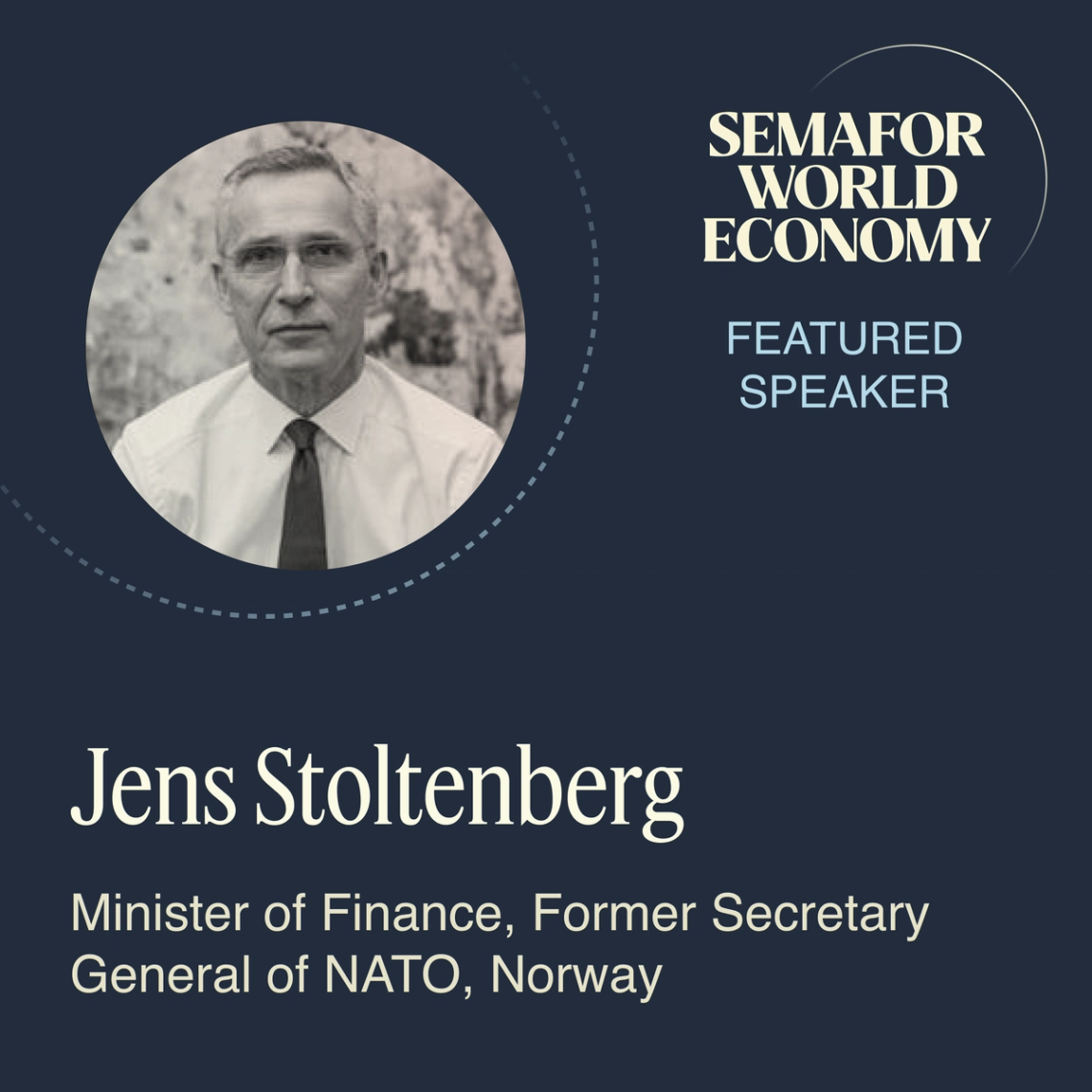 This April, Jens Stoltenberg, Minister of Finance, Former Secretary General of NATO, Norway, will join global leaders at Semafor World Economy — the largest convening of top global CEOs and government officials in the United States — to sit down with Semafor editors for conversations on the forces shaping global markets, emerging technologies, and geopolitics. See the full lineup of speakers, including Global Advisory Board members, Fortune 500 CEOs, and top elected officials from the US and across the G20.
|
|
North Korea places workers in US firms |
 KCNA via Reuters KCNA via ReutersNorth Korea has been placing remote workers in US companies, both to funnel money to Pyongyang and to steal information. A cybersecurity investigation infiltrated a network of around 20 operatives who had applied to at least 160,000 roles and were employed by five US-based companies. One worker stole military technology information; another gained access to government networks; others extorted money. Some workers are paid $300,000 a year, with up to 90% flowing to the regime: The North Korean unit is “super organized and very much metric-driven,” an analyst told NBC News. They would attend interviews all day, then once hired, “collect paychecks until they were terminated… rinse and repeat.” |
|
Australia’s illicit tobacco market |
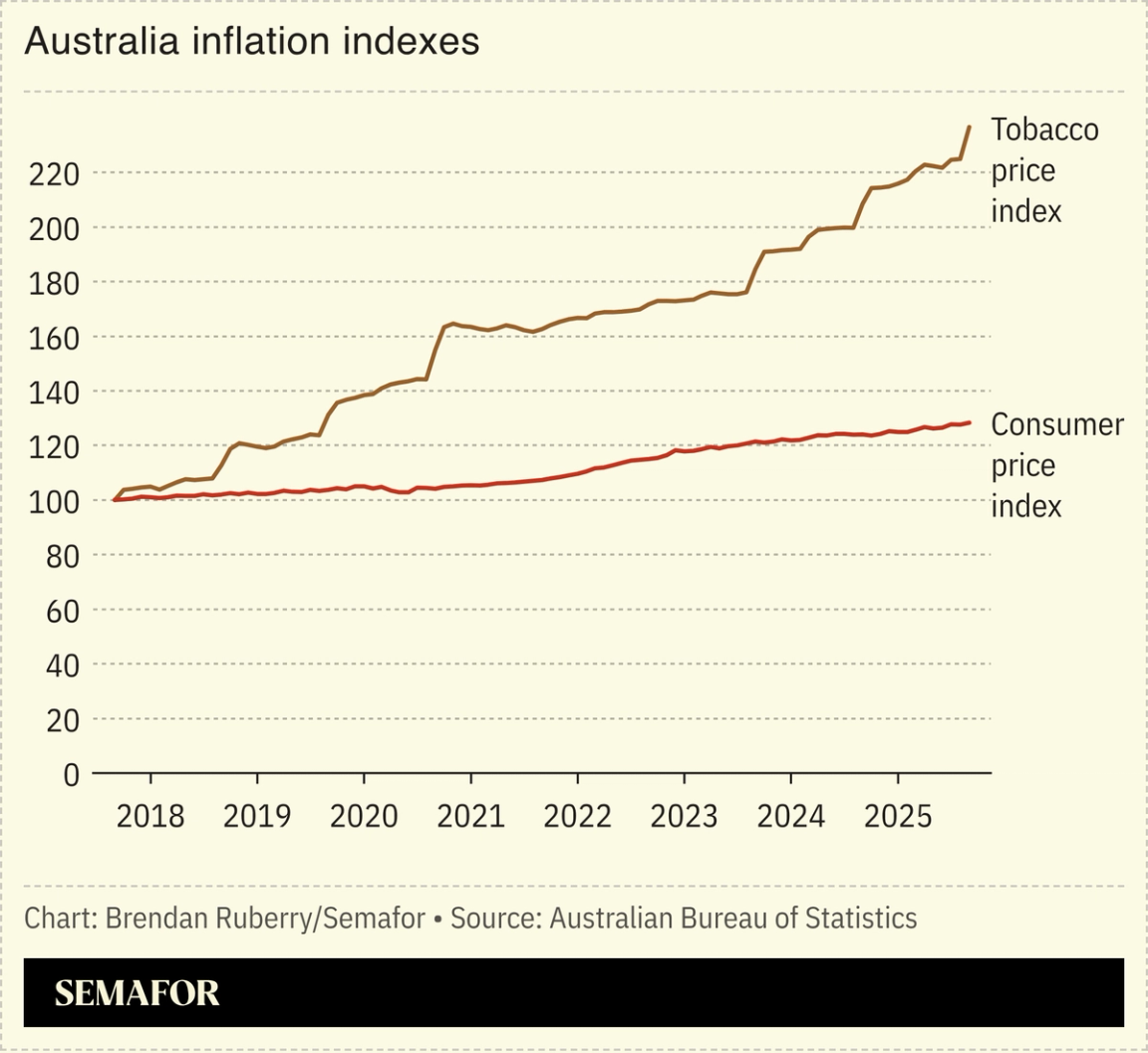 Australia’s efforts to stamp out smoking have sent cigarette prices soaring and created a thriving black-market tobacco industry. Canberra charges tobacco companies $1.53 ($1.08 USD) per cigarette. The result is that a pack costs $40 USD — about four times the cost for US consumers — of which around 70% is tax. Duties have been ratcheting up for a decade, and smoking rates fell from about 22.3% in 2001 to 10.6% in 2022. But a report found that 55% of tobacco sold in Australia is now illicit, fueling gang violence, including hundreds of fire-bombings of tobacco stores. The availability of contraband tobacco means experts fear smoking rates could increase this year for the first time in decades. |
|
|


