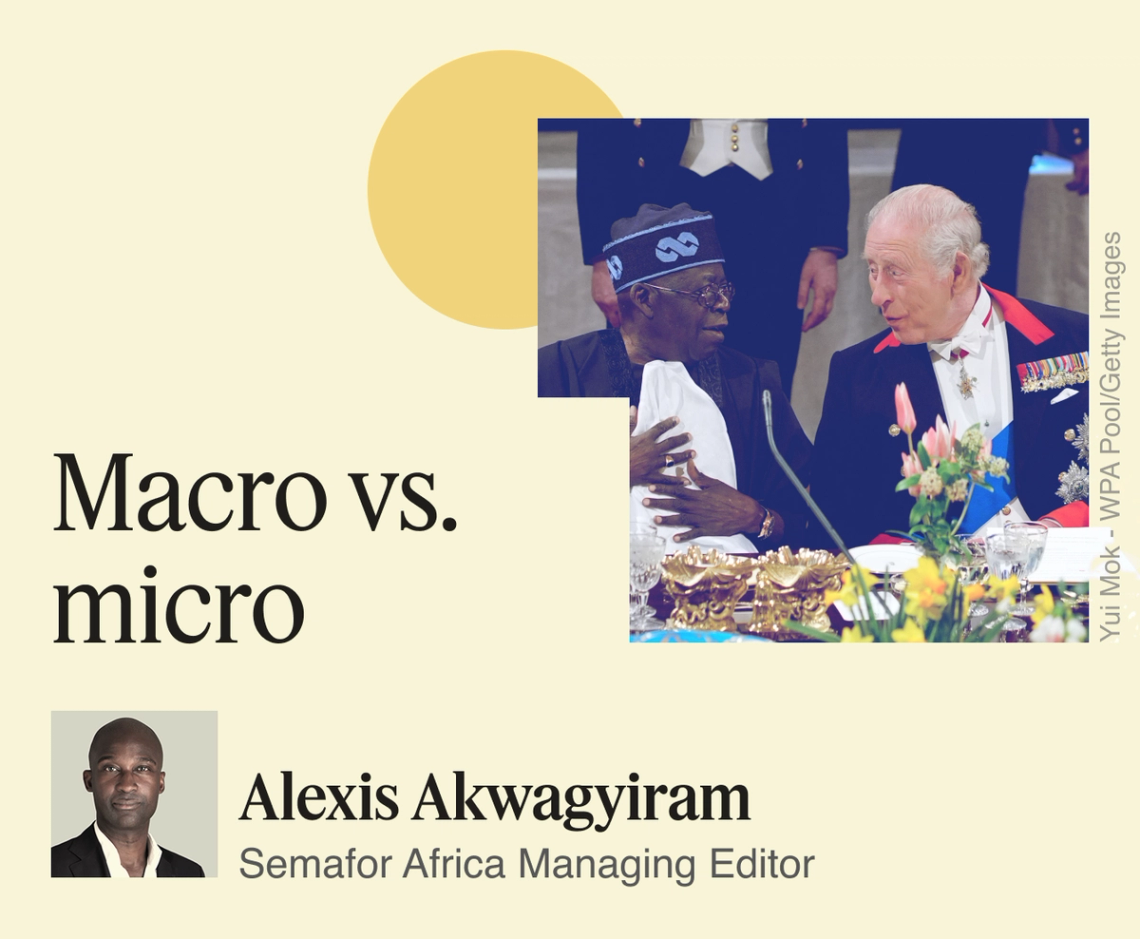
 Bola Tinubu’s state visit to the UK offered a brief diversion from the Iran war, a conflict that could play a major role in the Nigerian president’s campaign to secure a second term. On the face of it, oil prices holding above $100 a barrel are good for Africa’s top crude producer. But the true picture is more complex: Nigeria still imports most of its refined products, including petrol, and those higher fuel prices will be felt at the pump, pushing up the cost of refilling the generators that millions of Nigerians rely on, and in food inflation. Tinubu can’t control the war but, in the minds of voters, surging fuel prices are inextricably linked to his signature policy — scrapping Nigeria’s fuel subsidy system. Inflation surged in the two years after he announced the bold move, along with his decision to allow the naira to freely float. Much like with oil prices, those policies have been positive in a macroeconomic sense. But with January’s presidential election looming, the danger for Tinubu is that his administration will be associated with a cost of living crisis. His challenge is finding a way to maximize the revenue boost from the oil price rise while cushioning the impact on the poorest people in a nation where around 60% of the population live below the World Bank’s poverty line. And he needs to do that without a U-turn that returns the nation to a form of fuel subsidy. The government is clearly mindful of the risk, with the finance minister last week ruling out any form of intervention to control petrol prices. Instead, Tinubu’s administration will have to rapidly mobilize social welfare programs, such as direct cash transfers, to help those hardest hit. Perhaps the clearest takeaway from this macro vs. micro conundrum is that the ability of ordinary Nigerians to earn a living hasn’t improved, leaving them at the mercy of commodity price fluctuation. “The deeper issue,” Abuja-based risk consultant Ebipere Clark pointed out to me, “is stagnant incomes and weak social protection, not simply the level of the petrol price.” |