Hello there,
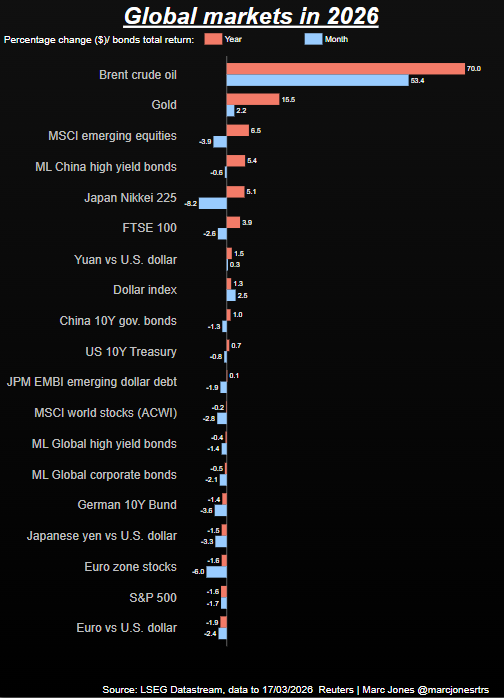
European natural gas prices are surging after Iranian aerial attacks caused extensive damage to the world's largest gas plant in Qatar. Ras Laffan, located 80 km (50 miles) north of Doha, was already closed earlier this month after an Iranian drone attack and the energy-industry hub hosts several international companies including Shell, the world's biggest liquefied natural gas (LNG) trader.
Full details of the extent of the damage and the timeline for repairs aren’t yet known, but the disruption to LNG supply could stretch to months and potentially longer. Reflecting the potential for longer-term losses, wholesale natural gas prices in Europe jumped as much as 35% on Thursday, pushing them to more than double pre-war levels.
This is particularly bad news for Asian countries who buy most of the LNG shipped from the Middle East and for Europe, which is
increasingly reliant on LNG. Prices of around 63 euros per megawatt hour are still far below the all-time peak of 345 euros hit four years ago when the EU’s former top supplier Russia cut supplies after its invasion of Ukraine. But the region does need to replenish its stocks after a particularly harsh winter and the higher prices are already costing it billions of euros extra as it vies with Asian buyers for supply.
European Union leaders meeting in Brussels on Thursday are trying to find quick fixes but they have few easy options.
The longer this continues, the only solution is for the world to use less gas. But that is easier said than done. The world’s biggest energy consumer nations are now back at the drawing board: Europe last week unveiled new financial guarantees for atomic power after decades of closing nuclear plants. Other major importers are planning to source fuel from a broader array of suppliers to hedge their risk.
U.S. President Donald Trump is calling for de-escalation after Israel's attack on the huge South Pars gas field and the Iranian strike on Qatar’s LNG facilities. But at the same time, his administration is also considering deploying thousands of U.S. troops to reinforce its operation in the Middle East. According to a Reuters exclusive, the options could include deploying U.S. troops to Iran’s shoreline to help secure the Strait of Hormuz for oil tankers. The Trump administration has also discussed options to send ground forces to Iran's Kharg Island, the hub for 90% of Iran's oil exports.
The economic challenges thrown up by the war in Iran would be very familiar to Adam Smith. His famous work, "The Wealth of Nations", celebrates its 250th birthday this month and is the topic of this week’s Reuters Econ World podcast. We look at how his ideas on trade, wealth and labor still resonate today. Listen here.
And finally, in a world where it seems the price of everything is going up, could coffee offer a counter move? Some industry experts expect coffee prices to crash like cocoa prices did. Some good news, perhaps, for all you coffee drinkers out there.
As always, I'd love to hear from you by hitting reply on this email or finding me on LinkedIn.