In partnership with |  |
| What data do you need when fundraising? | This will be a two-part issue, and we will go through some of the basic data you must collect when you are fundraising. The goal will be to help you start to put together a very basic overview of the numbers investors may ask for as you fundraise. | Key Metrics No matter what you call these, these figures are the most important once that investors will need to see they include everything that causes your revenue to increase/decrease and/or your expenses to increase/decrease. Some example of these figures include: Revenue Metrics: Customer Lifetime Value - How much is each new customer worth to you on average? Customer Growth - How many new customers are you getting per week/month/year, and how is that number growing? Conversion Rate - How many customers that you get on a free plan can you convert into paying?
Expense Metrics: Customer Acquisition Cost - How much does it cost to acquire a new customer? Overheads - How much are your overhead costs, and how much are those growing? Hiring - How many employees do you have, and at what rate is that increasing?
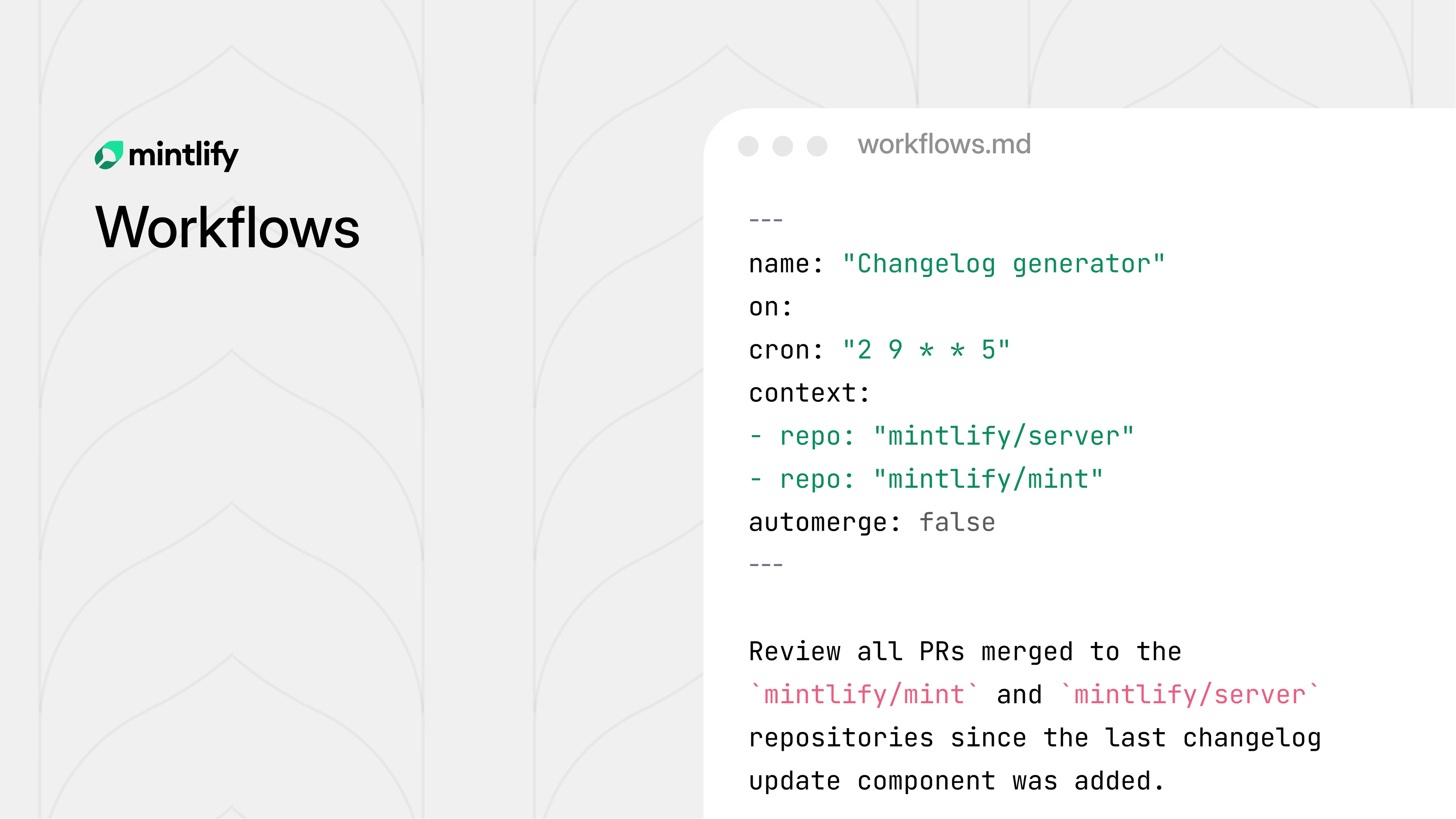
| These are really the high level key figures that will influence your revenues and expenses you should look at your cashflows, see where money is coming in and out then look at the figures that can best describe how that flow in or out might change. | | Stop Chasing Docs. Automate Them. | | Docs piling up faster than you can write them? Same. | Every team knows the feeling — product ships, docs don't. Changelogs get forgotten. Style violations quietly accumulate. Broken links go unnoticed for months. | Mintlify's new Workflows feature fixes this. Define automation rules, and the agent handles the recurring maintenance work for you — on your schedule, by your rules. | Draft docs when a PR merges. Generate changelogs every Friday. Run a style audit on every push. Flag translation lag before it becomes a problem. Each workflow is version controlled, fully configurable, and fits into your existing review process. | You decide when it runs, what it checks, and whether changes get committed directly or opened as a pull request for review. | The result: documentation that actually keeps up with your product, without someone manually chasing it down. | Try Workflows | |
|
| Targets Once you’ve reviewed all your key metrics, you should have goals for where those metrics will be in the next year and a plan to reach those goals.
I recommend that when fundraising, you don’t bother highlighting all your targets. Instead, pick the top three numbers you want to change to increase profits and focus on those. This will allow you to dive deep into how you will alter the business by leveraging three key things.
Let’s say you choose Customer Lifetime Value as one of your key metrics to double in the following year. This is important enough that you can provide investors with a 2-3 page memo outlining your plan to double the amount of money you make from each customer by increasing add-ons/features, raising prices or whatever other strategy you plan to deploy.
| | Do you share data with investors? | | | Are you tracking agent views on your docs? | | AI agents already outnumber human visitors to your docs — now you can track them. | See your AI traffic! |
|
| | Are you looking to grow your business? Here is how I can help: | |
|