| | In today’s edition: Asymmetric warfare, tweaks to incoming missile alerts, and a gradual return of s͏ ͏ ͏ ͏ ͏ ͏ |
| |  Abu Dhabi Abu Dhabi |  Washington DC Washington DC | Tehran |
 | Gulf |  |
| |
|
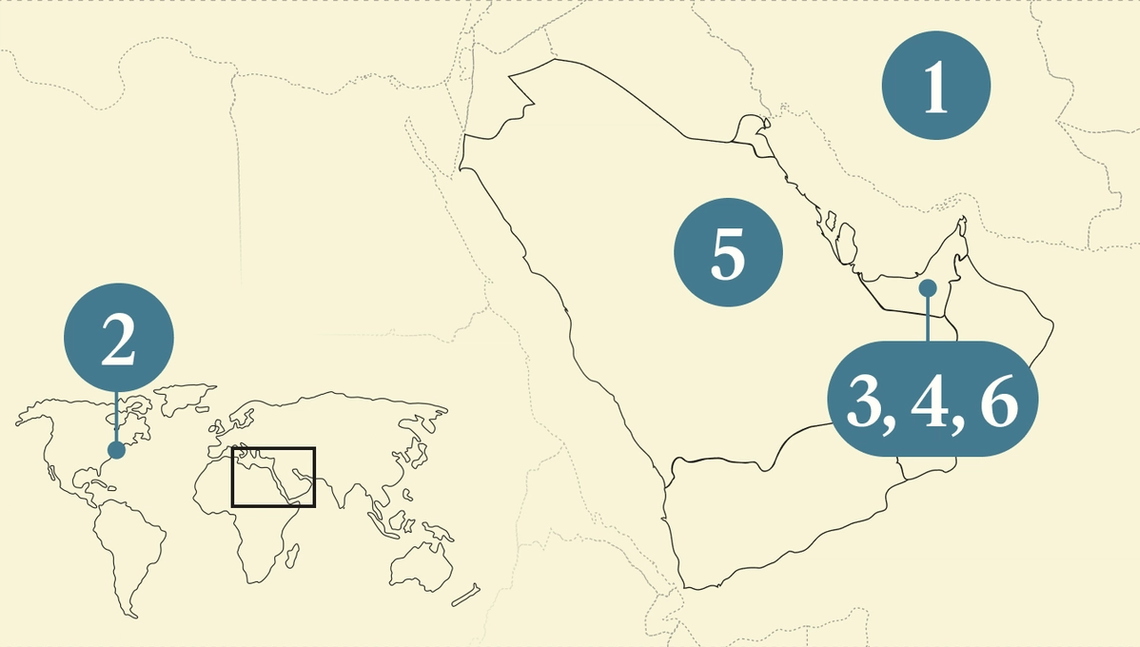 - Use the army you have
- Gulf-US relations
- Tweaking missile alerts
- Flights slowly return…
- … but events don’t
- UAE will bounce back
 Semafor Gulf, covering a golden age under fire. |
|
Iran’s low-cost war has advantages |
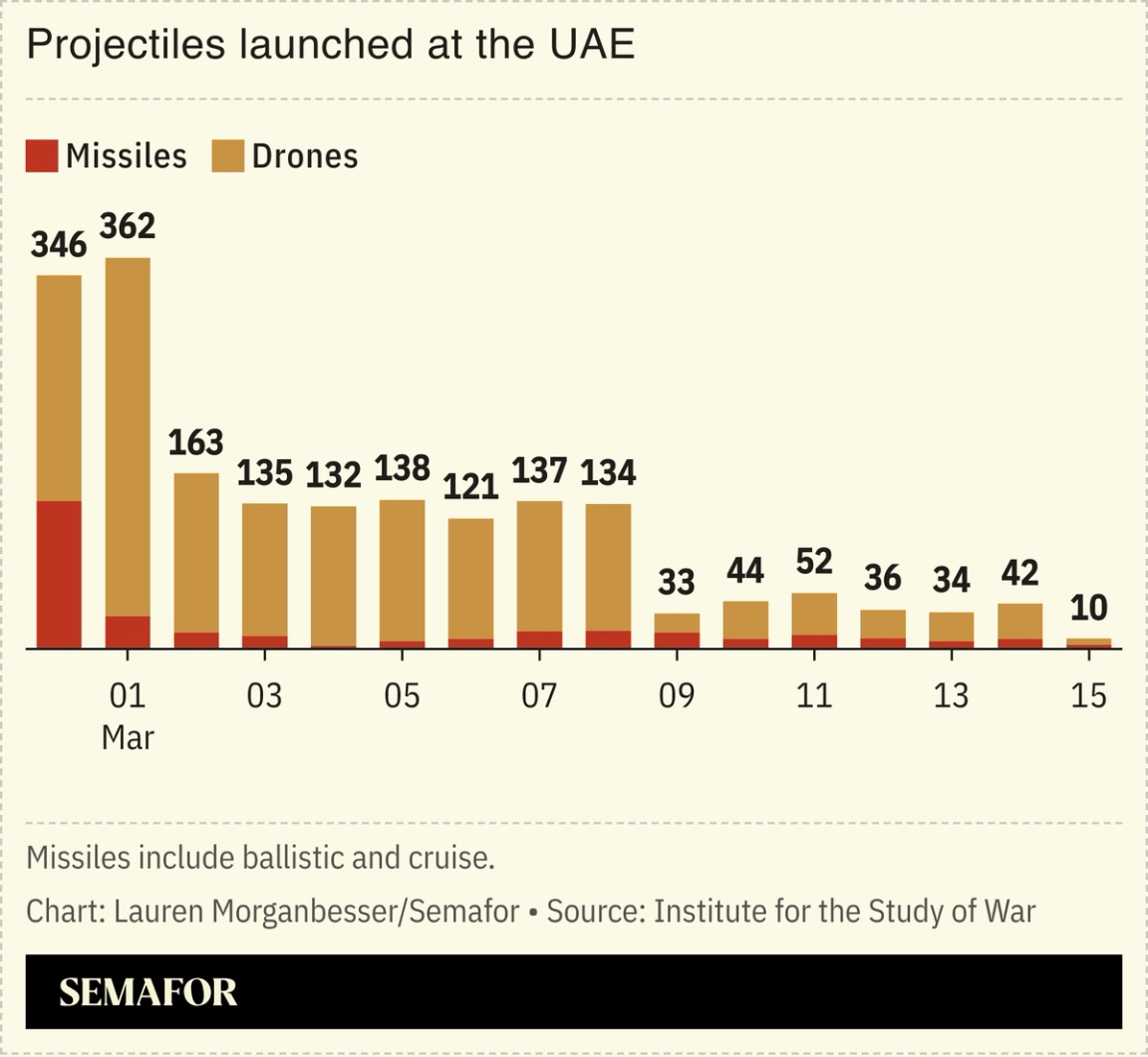
 Ahmed Saad/Reuters Ahmed Saad/ReutersThe asymmetry of this war was supposed to favor the attackers: Iran’s aging air force and weak air defenses made it easier for Israel and the US to strike targets across the country. But Tehran’s reliance on cheap drones and sea mines in the Strait of Hormuz has allowed it to impose costs on the Gulf, and the global economy. As the conflict enters its third week, there are signs of attrition. Israel informed the US that it is running critically low on ballistic missile interceptors, American officials told Semafor’s Shelby Talcott. Washington insists that its own air defense stockpiles are robust, and that it has severely degraded Iran’s missile production. All sides are signaling they are prepared for a longer fight. For Iran, its asymmetric tools are simple but effective. Propeller-driven Shahed drones — sometimes powered by motorcycle engines and made partly of styrofoam — can skim low over the Gulf and evade radar. The threats to vessels passing through Hormuz have halted most shipments of goods and energy: Clearing mines requires specialized naval vessels and can take months, potentially prolonging the costs of the war even after a ceasefire or resolution. |
|
Gulf states weigh up US ties |
 Gulf countries’ security tie-ins with the US — from hosting American bases to huge hardware purchases and bilateral defense treaties — have been more of a liability than a source of protection over the course of the war. With Tehran targeting Gulf states because of those links, some regional leaders are beginning to consider how to reduce their exposure to the US. This process has been happening for some time — Gulf states have been building up security ties with China for years — but it may now accelerate. They are likely to have to do more for themselves, too. Despite years of heavy defense spending, Gulf armed forces are underpowered in relation to the threats they face. It is notable that US President Donald Trump’s call for help to reopen the Strait of Hormuz was directed at Asian and European powers, not regional ones. There is no sign of a fundamental rupture, though, with Oman’s foreign minister — who has been the most vocal in the critique of the region’s US-led security architecture — saying many parties are “betting that aligning with the United States may lead Washington to reconsider some of its decisions.” — Dominic Dudley |
|
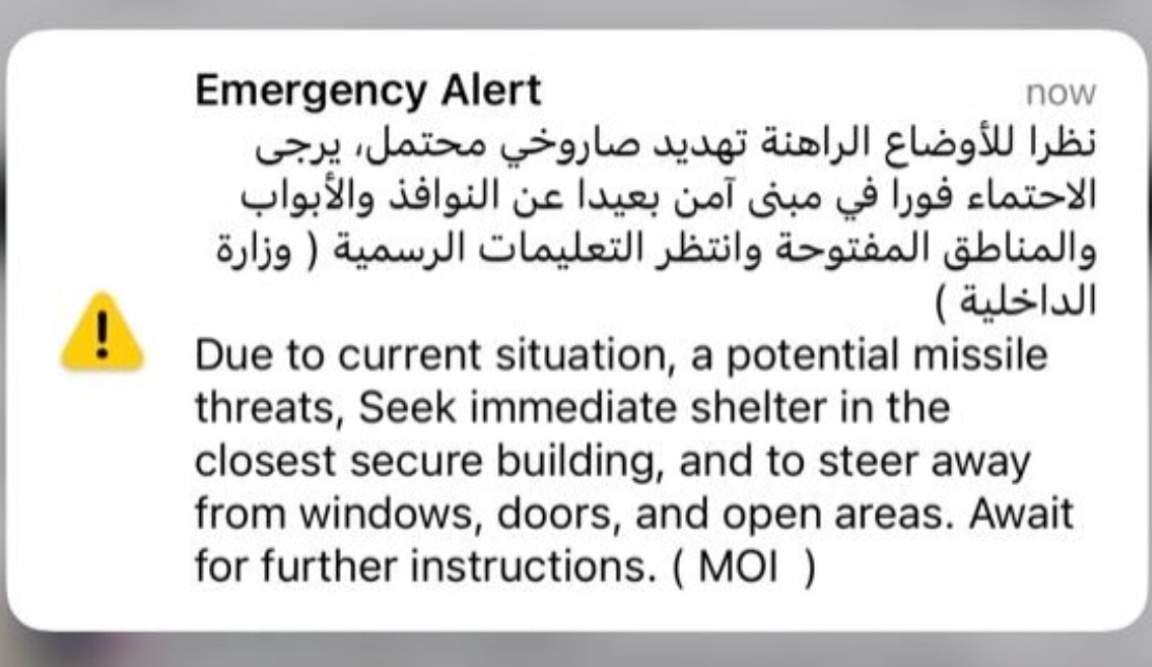 By phone or by siren? Depending on which Gulf country you’re in, the missile alert system may feel like an app store product, or something decidedly more old school. Mere hours into the US-Israeli war in Iran on Feb. 28, UAE residents heard the first blaring sounds from their mobile phones, alerting them to incoming missiles or drones. Strikes on neighboring Qatar have come with similar shrieks urging residents to seek shelter — even disrupting a TV broadcast — and a subsequent “all clear” message. As the alerts frayed the nerves of residents, and the air defense system proved its mettle, the UAE authorities changed their approach. From 9:00 am to 10:30 pm, the loud tone is used, followed by a standard text message ping to indicate the threat has passed. Overnight, a regular text message is used for both alerts. Saudi Arabia only began to test its mobile phone alert system nearly two weeks into the conflict, after hundreds of projectiles had come from Iran. Residents say that no alerts have been sent yet. Bahrain and Kuwait, meanwhile, rely on air raid sirens, with no change in volume no matter the time of day. — Kelsey Warner |
|
UAE airlines slowly resume operations |
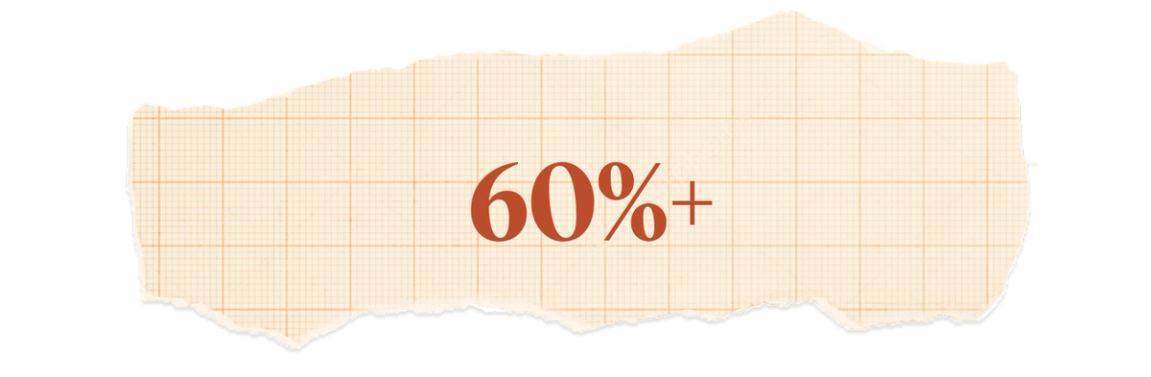 The percentage of Emirates flights now taking off, compared to pre-war levels, according to FlightRadar24. Local rival Etihad has taken a far more cautious approach and is operating at around 15% of normal capacity. On Monday morning, Dubai International Airport temporarily shut down again after an Iranian drone attack caused a fuel tank fire. It was the third attack on the airport since the conflict began. Airspace was completely closed at the start of the war and the disruption has continued sporadically since then; ticket prices have soared worldwide — a reflection of the importance of the Gulf as an air travel hub — and passengers report that missile alerts continue to cause delays. The UAE’s General Civil Aviation Authority said more than 1.4 million passengers passed through the country’s airports from Mar. 1 to 12; without the war, however, that figure would have been roughly three times higher. |
|
 Hamad I Mohammed/Reuters Hamad I Mohammed/ReutersThe Gulf’s busy events calendar is starting to wobble, with Formula 1 races in Bahrain and Saudi Arabia the most high-profile casualties so far. Crypto conference TOKEN2049 has postponed its Dubai edition to 2027, citing uncertainty around safety and international travel, while the Fanatics Flag Football Classic has been relocated from Riyadh to Los Angeles. Other gatherings are still going ahead, albeit with adjustments: The AIM Congress in Dubai has been pushed back from April to September. A World Triathlon Championship event in Abu Dhabi in late March is still due to take place, but only for the junior races, with the elite events postponed. Events and conferences, including the upcoming Expo 2030 in Riyadh, are used as a driver for growth in the region, creating demand for the aviation and tourism infrastructure. Saudi Tourism Minister Ahmed Al Khateeb has said Riyadh is positioning itself as a global hub for exhibitions and conferences. The long-term question for organizers is as much about attendance as it is about scheduling: If events are held, will international participants and spectators still come? — Manal Albarakati |
|
View: How about them Emiratis |
  Christopher Pike/Reuters Christopher Pike/ReutersIt is premature to write off the UAE model after its core offering of prosperity in an unstable region has been shaken, because the country has proven its ability to weather crises and bounce back stronger, Emirati entrepreneur Mishaal Al Gergawi writes in his debut Semafor column. “The UAE offers something that is in short supply globally — competent, predictable governance by a country courting migrants,” Al Gergawi wrote. “Faced with the prospect of an anti-immigrant West and a non-functioning rest, there are few places for the world’s population to go.” |
|
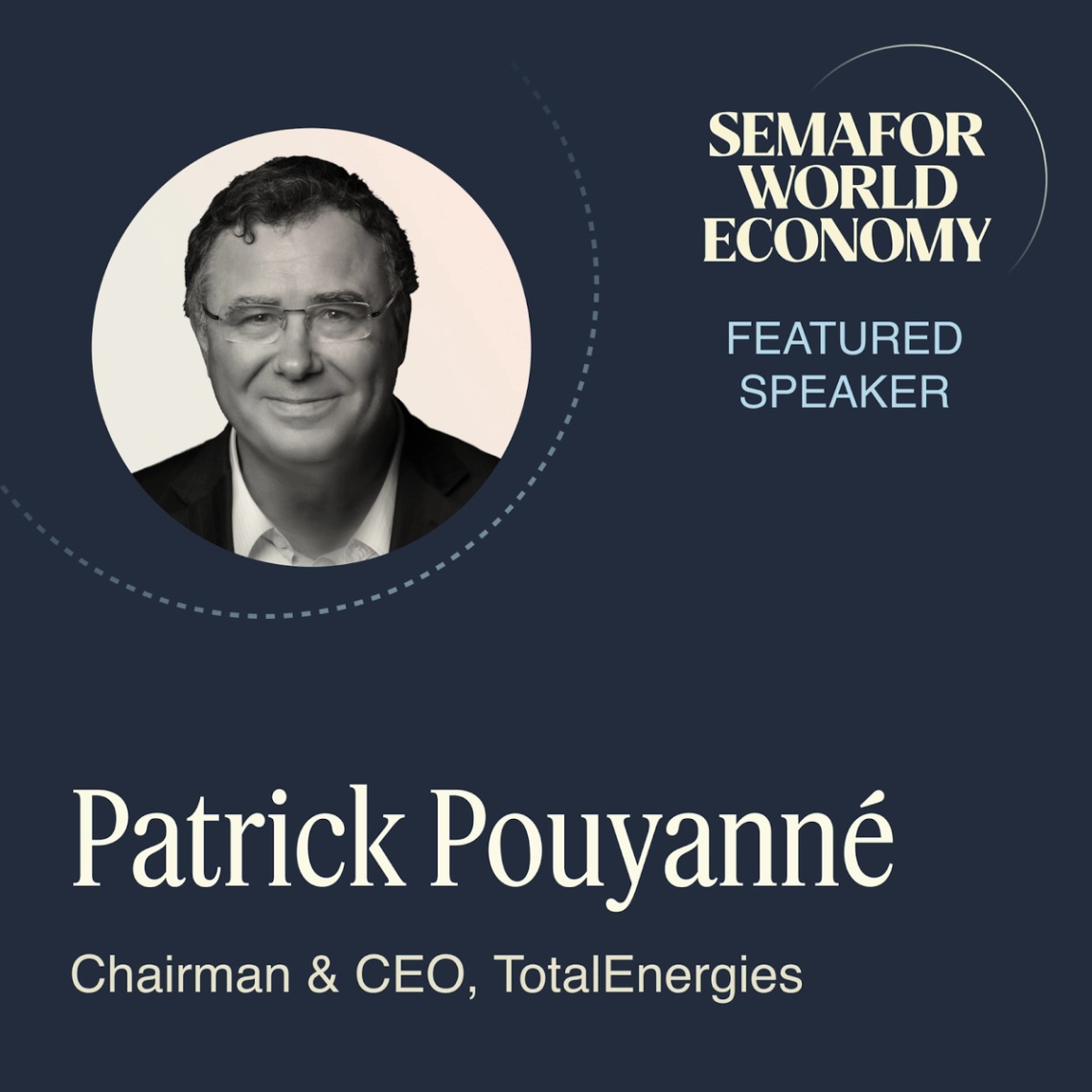 This April, Patrick Pouyanné, Chairman & CEO of TotalEnergies, will join global leaders at Semafor World Economy — the premier gathering for the world’s top executives — to sit down with Semafor editors for conversations on the forces shaping global markets, emerging technologies, and geopolitics. See the first lineup of speakers here. |
|
 - Arab Gulf States Institute: Caught between Iranian strikes and US-Israeli pressure to join the fight, the Gulf Arab states are trying to manage what they cannot control, in order to try and preserve both their security and the space for negotiations.
- Atlantic Council: The Gulf’s critical position in the global economy — via its oil and fertilizer exports and its aviation hubs — means the world depends on the region and cannot afford to see it go offline, akin to power grids and the global financial clearing systems.
- Bloomberg: Once the war ends, Gulf states will need to rethink everything, from their defense and regional alliances to overseas investments and their role in global markets.
- Geopolitico: A long read on how the war is bringing undercurrents of Iran’s history to the surface, while also revealing the limits of American power.
- Riyal Politik: With the costs mounting for the Gulf states, will the war be merely a short-term shock to their economies, or mark the start of a deeper repricing of risk in the region?
|
|
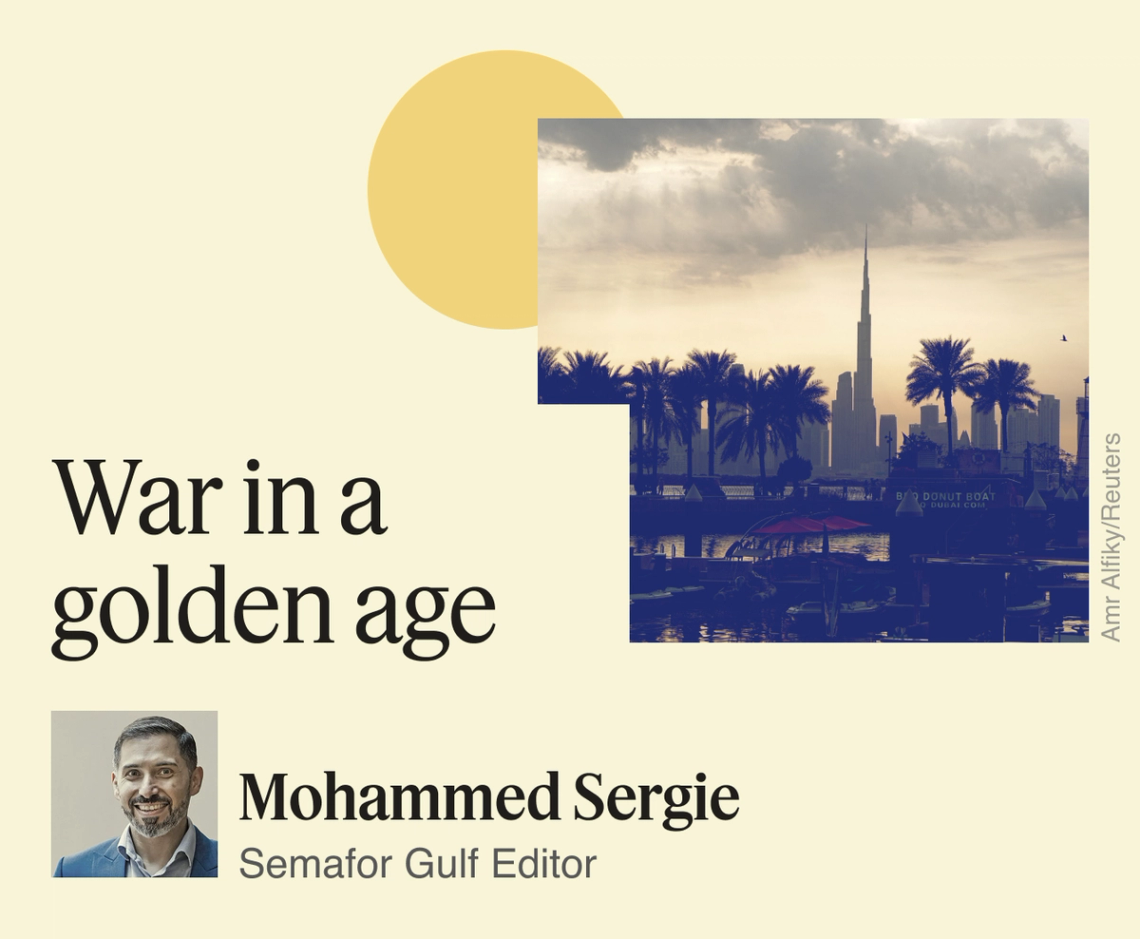 When we launched Semafor Gulf in 2024, we were excited to pursue one of the biggest economic and geopolitical stories in the world. People in Abu Dhabi, Dubai, and Doha had the sense they were witnessing an emerging golden age. The Gulf’s economic and cultural transformation, megaprojects, and embrace of tech conjured a vision of a future defined by development, not conflict. That thesis is now being tested. But it hasn’t dented Semafor’s ambitions to build the leading independent news business in the Gulf. For more than two weeks, Iran has bombarded Gulf countries with missiles and drones. The attacks have rattled citizens and residents, but they have also made clear that governments were prepared for this moment. Air defense systems have intercepted the vast majority of incoming thre |
|
|


