Plus: The Oscars make it clear that Hollywood is in a death spiral
 ͏  ͏  ͏  ͏  ͏  ͏  ͏  ͏  ͏  ͏  ͏  ͏  ͏  ͏  ͏  ͏  ͏  ͏  ͏  ͏  ͏  ͏  ͏  ͏  ͏  ͏  ͏  ͏  ͏  ͏  ͏  ͏  ͏  ͏  ͏  ͏  ͏  ͏  ͏  ͏  ͏  ͏  ͏  ͏  ͏  ͏  ͏  ͏  ͏  ͏  ͏  ͏  ͏  ͏  ͏  ͏  ͏  ͏  ͏  ͏  ͏  ͏  ͏  ͏  ͏  ͏  ͏  ͏  ͏  ͏  ͏  ͏  ͏  ͏  ͏  ͏  ͏  ͏  ͏  ͏  ͏  ͏  ͏  ͏  ͏  ͏  ͏  ͏  ͏  ͏  ͏  ͏  ͏  ͏  ͏  ͏  ͏  ͏  ͏  ͏  ͏  ͏  ͏  ͏  ͏  ͏  ͏  ͏  ͏  ͏  ͏  ͏  ͏  ͏  ͏  ͏  ͏  ͏  ͏  ͏  ͏  ͏  ͏  ͏  ͏  ͏  ͏  ͏  ͏  ͏  ͏  ͏  ͏  ͏  ͏  ͏  ͏  ͏ ­ ­ ­ ­ ­ ­ ­ ­ ­ ­ ­ ­ ­ ­ ­ ­ ­ ­ ­ ­ ­ ­ ­ ­ ­ ­ ­ ­ ­ ­ ­ ­ ­ ­ ­ ­ ­ ­ ­ ­ ­ ­ ­ ­ ­ ­ ­ ­ ­ ­ ­ ­ ­ ­ ­ ­ ­ ­ ­ ­ ­ ­ ­ ­ ­ ­ ­ ­ ­ ­ ­ ­ ­ ­ ­ ­ ­ ­ ­ ­ ­ ­ ­ ­ ­ ­ ­ ­ ­ ­ ­ ­ ­ ­ ­ ­ ­ ­ ­ ­ ­ ­ ­ ­ ­ ­ ­ ­ ­ ­ ­ ­ ­ ­ ­ ­ ­ ­ ­ ­ ­ ­ ­ ­ ­ ­ ­ ­ ­ ­ ­ ­ ­ ­ ­ ­ ­ ­  
Fortune 500 Digest with Alyson Shontell
Saturday, March 14, 2026
Foreword
Alyson Shontell
Editor-in-Chief

It’s no secret that Jeffrey Epstein had a vast Rolodex of powerful executives. But how did he build that network in the first place?

The Fortune newsroom has been digging into that question in the weeks since the DOJ released 3 million documents about the case, including reams of Epstein’s email correspondence. This past week, we published a deep dive into Epstein’s relationship with the person that was perhaps his most prominent business contact: Microsoft (No. 14) cofounder Bill Gates, who was the richest man in the world when Epstein started chasing him. Fortune’s Eva Roytburg and Jim Edwards found that the relationship was one that Epstein very carefully and diligently engineered, following a playbook that he also deployed with other powerful subjects, including Elon Musk and Peter Thiel, to varying degrees of success.

The method essentially boiled down to: Target an executive; surround the target by forging relationships with less prominent contacts in their orbit; relentlessly seek introductions, meetings, and information on the individual; offer a range of services from tax advice to exit agreements, from investment tips to women; and keep all receipts of those interactions—for blackmail—in case the relationships soured.

In the case of Gates, Epstein made himself initially seem more credible by establishing a relationship with former Microsoft executive Steve Sinofsky and Sinofsky’s longtime partner Melanie Walker, a medical doctor and senior official at the Gates Foundation, as well as with Boris Nikolic, who did a stint as Gates’ top science advisor.

“Jeffrey Epstein built his network the way a fixer always does: by making himself useful in moments of vulnerability,” Eva told me. “He negotiated high-profile executive exits, supplied access to women, and coached the powerful through crises both petty and life-altering. To reach the very top—men like Bill Gates and Elon Musk—he worked through intermediaries, collecting secrets until he had enough leverage to hint at access, repayment, or both.”

For more on what Eva and Jim learned from digging into this tangled network of power and manipulation, read: How Jeffrey Epstein pulled Bill Gates and Microsoft into a web of sex, money, and secrets.

In other news, the Oscars are this weekend. And the Best Picture nominees have an important thing in common: Not one of the 10 was filmed in Los Angeles. It’s more evidence that the Hollywood business model—one where a movie industry concentrated in L.A. set the agenda for the entertainment industry—is in a death spiral. Fortune’s Geoff Colvin has the story.

Follow Alyson on X, LinkedIn, TikTok, Instagram, and the Titans and Disruptors vodcast.

Quick note: This week, we announced the Fortune 500 Innovation Forum, planned for Nov. 16-17 in Detroit. There, we’ll foster conversations about the role of capitalism and competition in America. Learn more.

Advertisement
Catch Up
Fortune 500 C-suite Power Moves
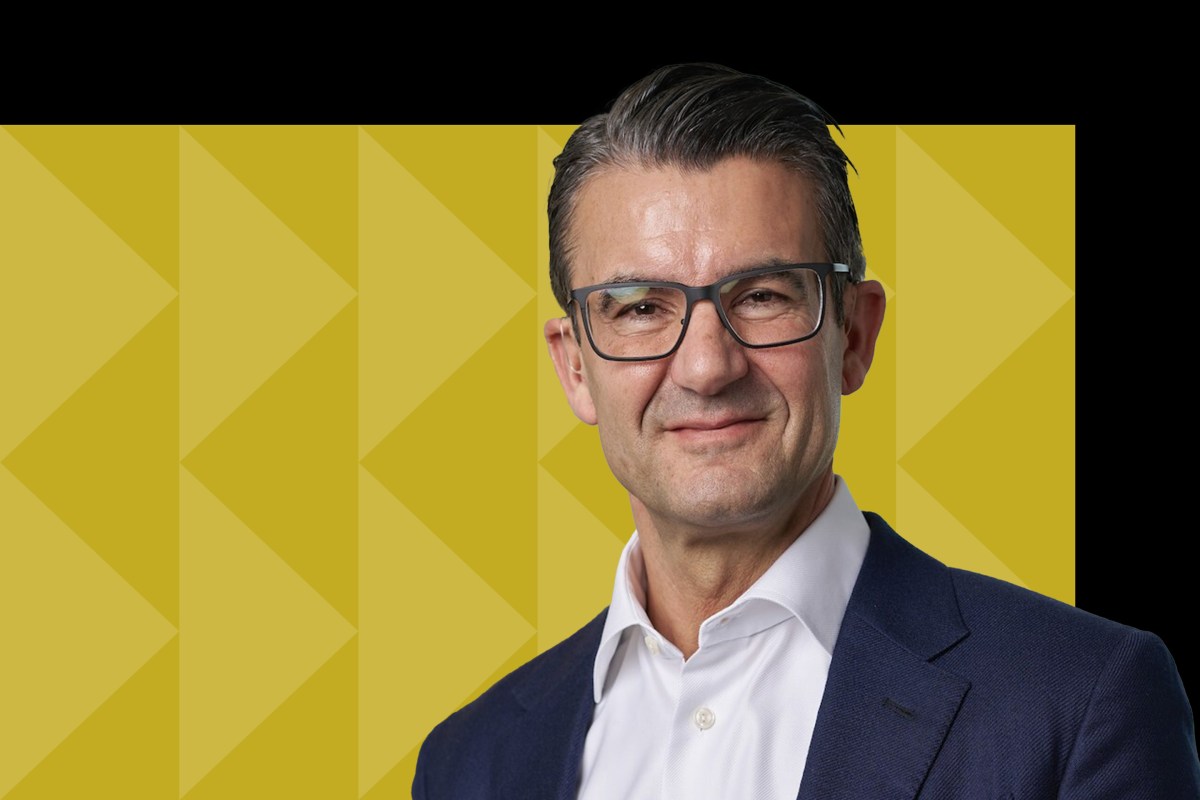
Equinix (No. 446) appointed Olivier Leonetti CFO, effective March 16. Adobe (No. 201) announced that CEO Shantanu Narayen plans to step down after 18 years in the role, effective once a successor is selected. Kimberly-Clark (No. 213) appointed Francesco Tinto Chief Information & Global Business Services Officer.
And more in this week's Fortune 500 Power Moves.
Advertisement
The Omni Homestead Resort
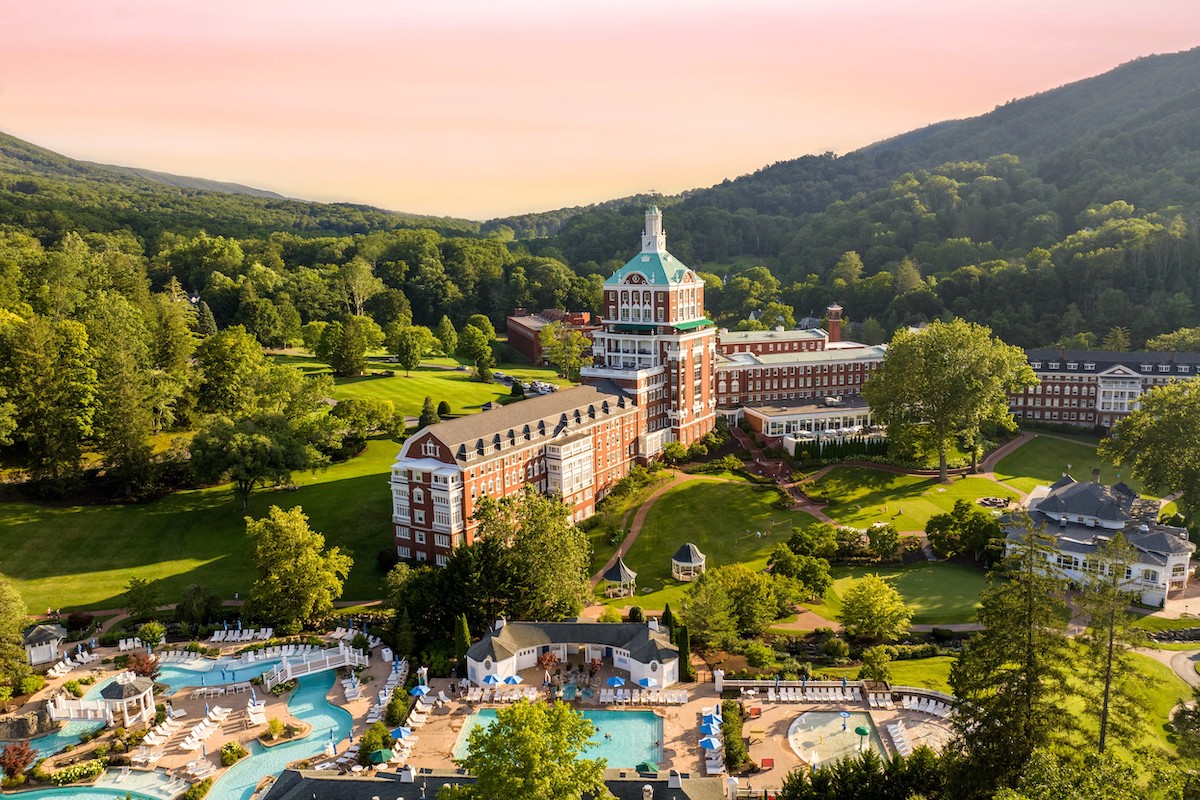
Culture at the Omni Homestead Resort has been accumulating for centuries, shaped by the rhythms of the Allegheny Mountains and the stream of guests drawn to this corner of Virginia since 1766. The resort’s Warm Springs Pools, fed by mineral water once gathered in a simple stone basin, remain central to that legacy. History continues to surface in quieter ways across the grounds, from the artwork in guest rooms to menus that revisit Appalachian staples. Beyond the gates, the cultural landscape expands into the Virginia Highlands, where performances at the nearby Garth Newel Center bring chamber music to an intimate mountain stage and regional vineyards shape the resort’s wine programming through tastings and sommelier-led events.
Book now
Deals & Developments
  • Meta Platforms (No. 22) has acquired Moltbook, a social platform resembling Reddit that’s designed for use by AI agents. The site drew controversy last month after security issues surfaced and posts were discovered in which AI agents appeared to discuss methods for evading human oversight—though investigators later concluded those posts were created or influenced by users, not autonomous systems.
  • Uber Technologies (No. 101) announced a deal with Zoox, the self-driving taxi company owned by Amazon, that will allow Uber users in Las Vegas to order rides on the Uber app. The partnership is set to begin this summer and expand to Los Angeles by mid-2027. Zoox is one of a few robotaxi companies Uber has partnered with, including Waymo, owned by Alphabet (No. 7).
  • The Justice Department and Live Nation Entertainment (No. 190), parent of Ticketmaster, have tentatively settled an antitrust lawsuit accusing the company of trying to “suffocate the competition” in the live events industry. Under the deal, Live Nation would pay about $280 million, divest at least 13 amphitheaters nationwide, and open its ticketing system so rival platforms can sell tickets, according to a Justice Department official who spoke anonymously to reporters. However, attorneys general from New York, California, New Jersey, and more than 20 other states say they plan to continue litigation. New York AG Letitia James asserted that the settlement “fails to address the monopoly at the center of this case.”
  • Billionaire Tilman Fertitta is in exclusive talks to buy Caesars Entertainment (No. 376) for about $7 billion, according to the Wall Street Journal. Fertitta’s offer of $34 per share tops a previous bid of roughly $33 per share from Icahn Enterprises (No. 417).
Overheard
“You could feel it, going into a store and it wasn’t like, ‘I gotta have this’ anymore.”
—A former Lululemon athletica (No. 401) senior executive speaking on condition of anonymity in conversation with Fortune’s Phil Wahba for his new feature.
On earnings calls:
  • Oracle (No. 87) topped expectations with $17.19 billion in quarterly revenue, a 22% year-over-year increase, driven largely by an 84% surge in cloud infrastructure sales. The strong performance helped ease investor concerns over the company’s $50 billion capital expenditure plan for the current fiscal year. Executive chairman and cofounder Larry Ellison described Oracle as a “disruptor,” asserting that the company remains insulated from AI-driven threats to software-as-a-service (SaaS) companies. Read more: