March 13, 2026

Image

Better health begins with ideas


Editors’ Note

The war in Iran is incurring humanitarian consequences. The World Health Organization counts 18 confirmed attacks on health care in Iran since February 28, along with another 25 in Lebanon. Total causalities are already in the thousands. Strikes on desalination plants and oil refineries threaten regional access to clean water and create environmental hazards that endanger civilian health.  


To lead this week’s edition, James Miller, Oxford International Development Group’s managing director, and Sultan Barakat, a professor at Hamad Bin Khalifa University’s College of Public Policy, explain how health diplomacy could create incentives for cooperation among the region’s actors, even as the Iran war makes broader political engagement impossible.  


Moving to India, the consumption of unhealthy foods and increased sedentary behavior are driving a nutrition crisis, where children and adolescents face dangerously high triglyceride—blood fat—levels alongside widespread malnutrition. Javaid Sofi, a public policy researcher at Virginia Polytechnic Institute and State University, explains how India’s shifting nutrition landscape will cause more children to enter the workforce already managing chronic illnesses, such as diabetes or heart disease, and what that means for India’s economy.  


A little more than a year after Indonesia joined the BRICS—the bloc of nations including Brazil, Russia, India, and China—Ivan Meidika Kurnia, a health policy advisor at the Tony Blair Institute for Global Change, and Elizabeth Sarah Aryaputri, a doctoral candidate at the London School of Hygiene and Tropical Medicine, assess how the nation can leverage its position in the bloc to produce priority drugs locally, expand South-South cooperation, and establish its role as a leader in global health.  


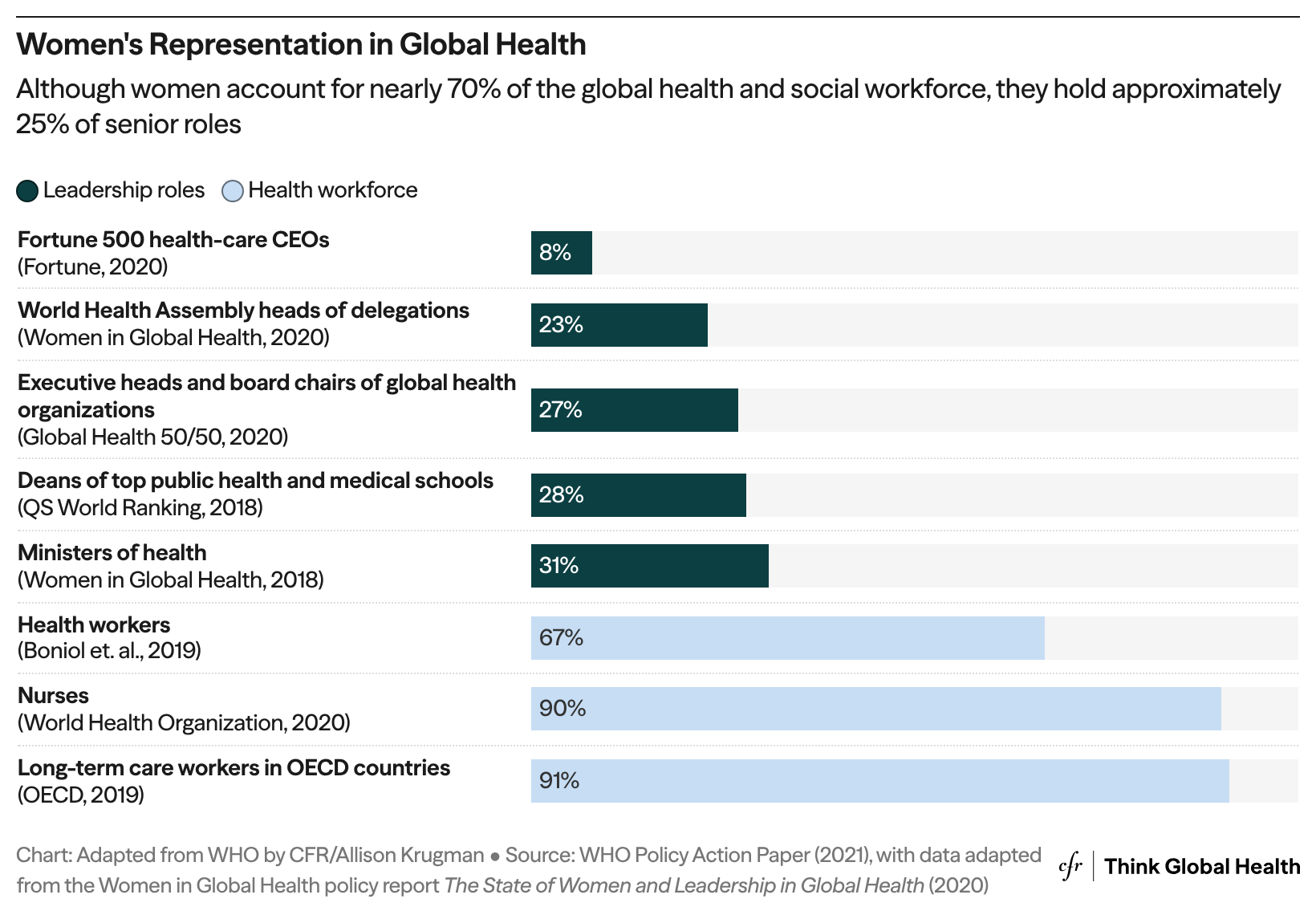
On Sunday, countries celebrated International Women’s Day. To commemorate the occasion, Saumya RamaRao, chair of the Population Council’s institutional review board, and Apoorva Jadhav, senior fellow at the Population Reference Bureau, examine the ways women leaders bring fresh perspectives to challenges long ignored by men to improve the health and well-being of all people. 


Until next week!—Nsikan Akpan, Managing Editor, and Caroline Kantis, Associate Editor 


This Week’s Highlights


GOVERNANCE

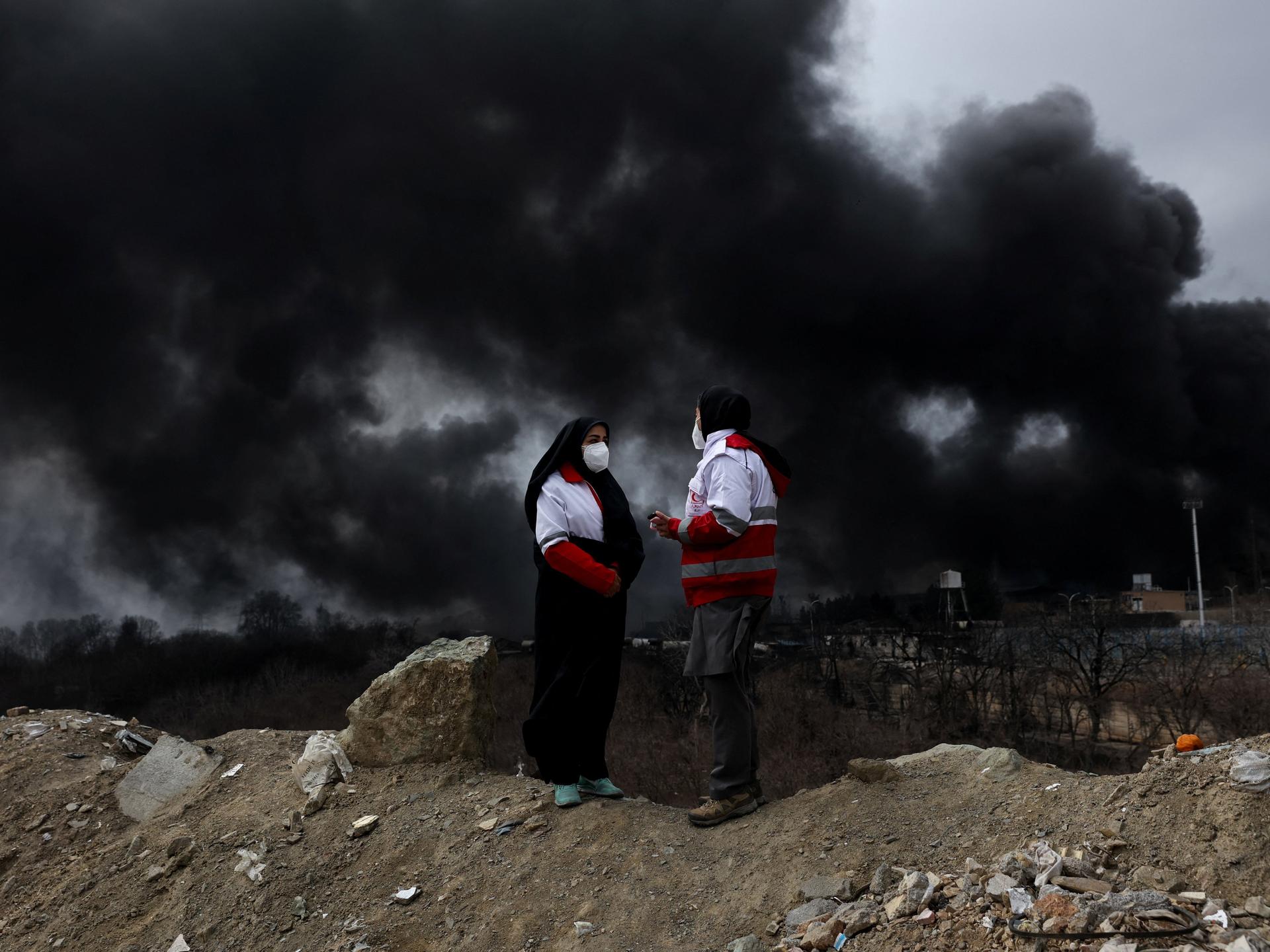
Members of the Red Crescent talk to each other as smoke rises after a reported strike on Shahran fuel tanks, amid the U.S.-Israeli conflict with Iran, in Tehran, Iran, March 8, 2026.

A Humanitarian Off-Ramp for the Iran War 

by James Miller and Sultan Barakat

Health diplomacy has long served as means for adversaries to work together when politics make broader engagement impossible


Read this story


FOOD

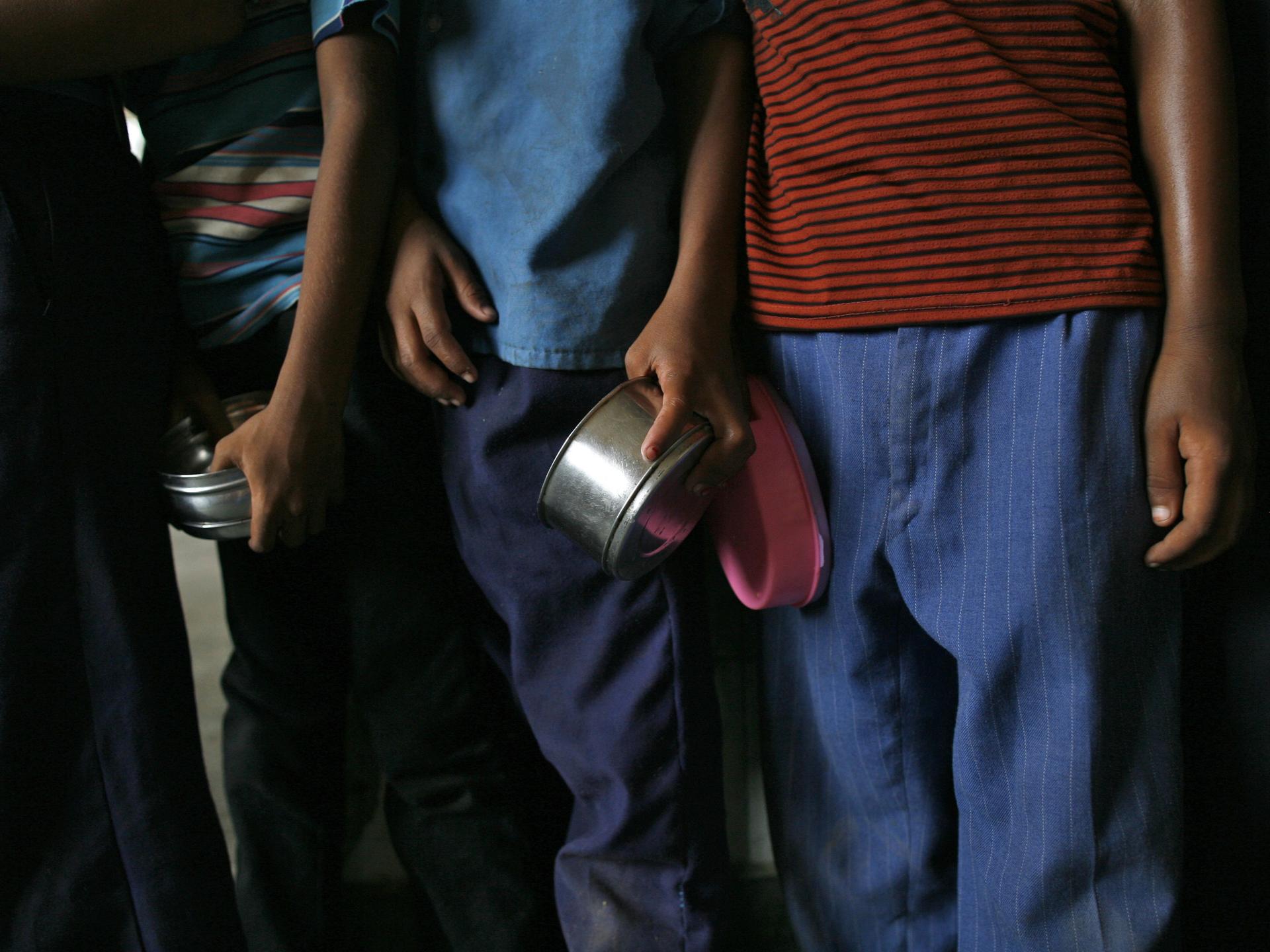
School boys carry tiffin boxes as they wait to receive their free midday meal, distributed by a government-run primary school, in New Delhi, India, on July 19, 2013.

Childhood Nutrition Challenges in India 

by Javaid Sofi

Ultra-processed food consumption and rising sedentary behavior mean India’s children will enter the workforce already managing chronic illness 


Read this story


Figure of the Week


A bar chart showing women's representation in the global health and social workforce

Read this story


Recommended Feature


GOVERNANCE

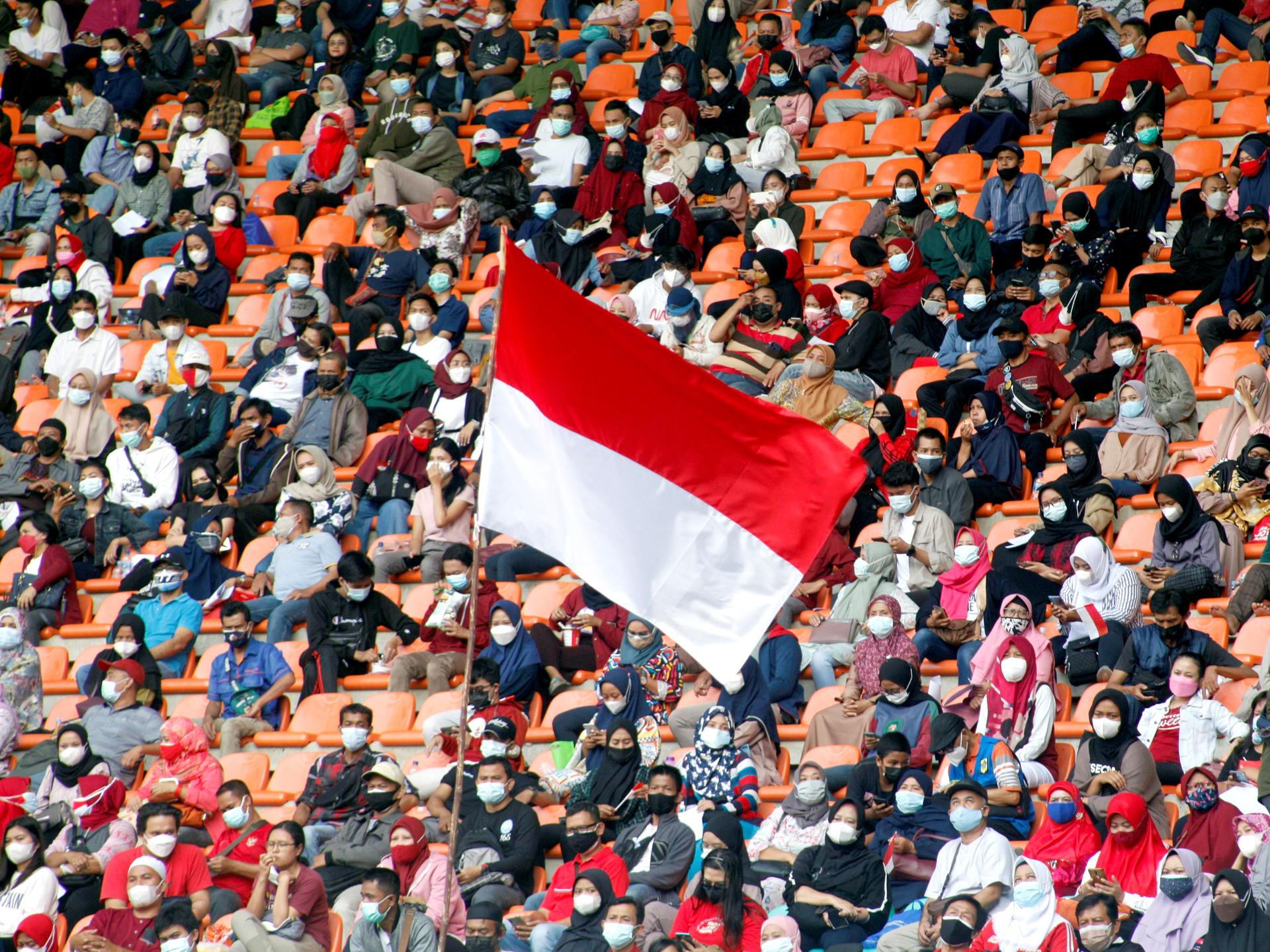
The Indonesian flag flies as people, wearing protective face coverings, wait to receive a COVID-19 vaccine dose, at Pakansari Stadium, in Bogor, Indonesia, on August 14, 2021.

Indonesia in the BRICS: What It Means for Global Health   

by Ivan Meidika Kurnia and Elizabeth Sarah Aryaputri  

Just over a year after Indonesia joined the BRICS, the nation is still determining its place in the bloc’s health-cooperation dynamics 


Read this story


What We’re Reading

Scientists Get a Glimpse of How New Pandemics Are Made (New York Times)


War on Iran Threatens Asia’s Food Supply as Fertilizer Prices Surge (South China Morning Post)


Measles Is “Worse Than Expected” in Utah, Officials Say (NBC News) 


Why Young Girls Are Disguised as Boys in Afghanistan (NPR)


Weight-Loss Jab Could Be Made for $3 a Month, Study Finds (The Guardian)


Five Lessons From Vinay Prasad’s Turbulent Tenure at the FDA (STAT)


Iran Says 1,255 People Killed in U.S.-Israeli Attacks, Mostly Civilians (Al Jazeera)


Cancer Haunts Neighbors of Canada’s Oil Sands Wastelands (New York Times)


Interested in submitting?

Review our Submission Guidelines

Image
Twitter Bluesky

An initiative from the Council on Foreign Relations

58 East 68th Street — New York, NY 10065

Unsubscribe

View in Browser

Manage Your CFR Email Preferences