| |  | | | | |  | By Megan R. Wilson | Did someone forward this newsletter to you? Sign up here to get it in your inbox. In today’s issue: - Exclusive from The Post newsroom: Influential vaccine advisory panel backs off attacking mRNA covid shots
- Why a decline in covid vaccine uptake could add to the pharma industry’s woes
- Hims & Hers Health adds Eli Lilly alum to its C-suite
Good afternoon, and thanks for checking in with Health Brief. Buffalo Wild Wings is introducing an espresso “Proteini,” a cocktail that’s inspired by chicken wings and contains 10 grams of protein. It makes me wonder how this fits into the new federal dietary guidelines. Do you have any health policy tips or industry intel for me? Reach out. I’m at megan.wilson@washpost.com. If you prefer to message me securely, I’m also on Signal at megan. 434. This newsletter is published by WP Intelligence, The Washington Post’s subscription service for professionals that provides business, policy and thought leaders with actionable insights. WP Intelligence operates independently from The Washington Post newsroom. Learn more about WP Intelligence. | 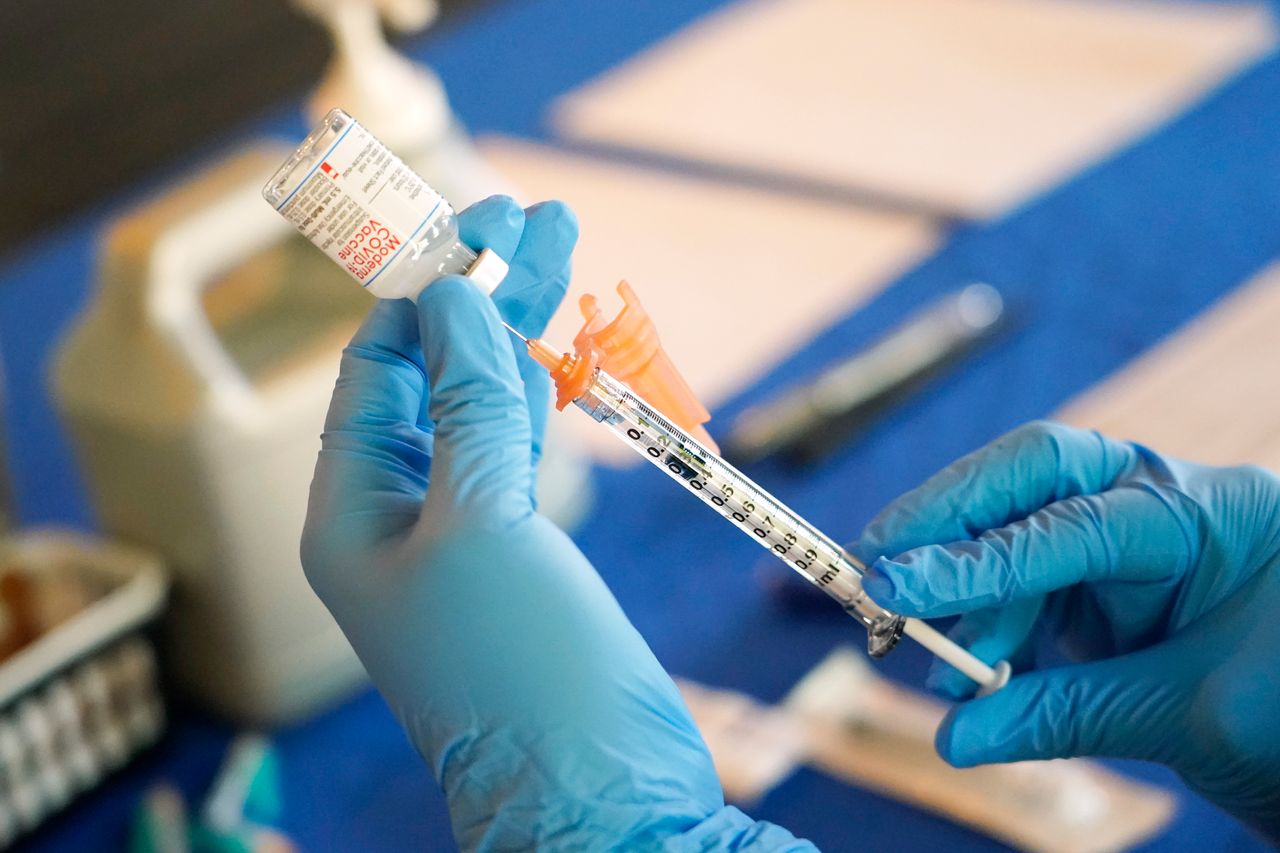 | | Two mRNA covid vaccines, made by Moderna and Pfizer-BioNTech, make up the majority of total covid-19 vaccinations. (Rogelio V. Solis/AP) | | | |  | The Lead Brief | An influential vaccine advisory panel is scrapping plans to discuss eliminating the federal government’s recommendation to get mRNA covid shots, my WaPo colleagues Lena H. Sun and Rachel Roubein write in their latest scoop. The Advisory Committee on Immunization Practices (ACIP), which makes vaccine policy recommendations to the Centers for Disease Control and Prevention, is stocked with members handpicked by Health Secretary Robert F. Kennedy Jr. Why it matters: The panel’s recommendations, if adopted by the CDC, can impact who can access certain vaccines and whether insurers cover them. → Two mRNA covid vaccines, made by Moderna and Pfizer-BioNTech, comprise the majority of total covid-19 vaccinations. There is only one non-mRNA covid shot on the market in the U.S., which is manufactured by Novavax. Here’s more on the state of play: - Some ACIP members have expressed skepticism about the safety of mRNA shots, including covid-19 vaccinations, and had sought to potentially stop recommending mRNA shots altogether. But those plans are now being abandoned, people familiar with the plans, who spoke on the condition of anonymity to describe internal deliberations, told Lena and Rachel.
What to watch: The panel is scheduled to meet on March 18 and 19, but the meeting could be postponed if a federal judge sides with medical groups suing the Trump administration over its sweeping changes to vaccine recommendations, including Kennedy’s overhaul of ACIP’s members. - Should the meeting go forward, ACIP plans to receive updates on vaccine injuries stemming from the covid-19 shot and long covid, in addition to updating the methodology it should use to make vaccine recommendations.
→ But my colleagues report it could go even further: The committee might also vote during next week’s meeting to establish medical billing codes for post-covid vaccine injuries and long covid. Why it matters: This would allow providers to seek insurance reimbursement to treat those conditions. Read more from WaPo: “RFK Jr.’s vaccine advisers drop proposal to revisit covid-19 shot.” | | | | | | Immunization Update | | _tstmp_1773262976-1280-0.png) | | Fewer adults and children — except for the youngest kids — received a covid shot during the most recent season than they did the season before, according to CDC data analyzed by my colleagues at WaPo. Why it matters: The declining uptake of covid immunizations adds fuel to the uncertainty among manufacturers and investors around putting money behind new immunization products. The Trump administration has also been criticized for shifting standards on approving new vaccines, while it says it’s focused on following the science. Vinay Prasad, the Food and Drug Administration official in charge of regulating vaccines, will be leaving the agency at the end of April. Prasad has come under fire for his stricter approach to approving new immunizations, including annual booster shots, but his strategy has Kennedy’s support. Under Kennedy, the federal government has scaled back vaccine recommendations for several shots. Last year, the administration halted roughly $500 million in federal mRNA vaccine research. - Vaccine manufacturers of varying sizes are pulling back investments in the U.S., including laying off workers, canceling new factory projects that would provide jobs and deciding to forego additional research on new products, according to the New York Times.
→ Seth Berkley, former CEO of Gavi, the Vaccine Alliance, told STAT last month that the uncertainty could cede development to other countries, including China — which could present a national security risk if there’s another deadly pandemic. “The worst-case scenario is we don’t do work on mRNA vaccines anymore,” Berkley told the publication. “Nobody does here. And then next time we have a pandemic, we don’t have the capabilities.” | | | | | | Jobs Report | Hims & Hers Health has named Kathryn Beiser as its chief communications officer. Beiser held a similar role at Eli Lilly for five years. Her résumé also includes work at Kaiser Permanente and public affairs firm Edelman. Why it matters: It’s the latest high-level hire for Hims & Hers as it builds out its C-suite and becomes a bigger force in the health care industry. The telehealth company recently reached an agreement with pharma giant Novo Nordisk to sell the company’s GLP-1 products on its platform and to cease marketing compounded copycat products. The makers of blockbuster GLP-1 weight loss drugs — which also includes Eli Lilly — have been frustrated by the cheaper, compounded versions of the medicines. → Last year, Hims & Hers added Deb Autor, a former pharmaceutical executive and federal regulator, as its first chief policy officer. At the time, the company framed the new position as a representation of its desire to increase its engagement with regulators and policymakers. The FDA, which has been critical of the telehealth company’s advertising and reach into compounding, appeared pleased with the truce it recently brokered with Novo Nordisk. | | | | | | | | | | | | |


_tstmp_1756933376-1920-1080.png)