Intel's tale of two Craigs and Elon's debt.
 ͏  ͏  ͏  ͏  ͏  ͏  ͏  ͏  ͏  ͏  ͏  ͏  ͏  ͏  ͏  ͏  ͏  ͏  ͏  ͏  ͏  ͏  ͏  ͏  ͏  ͏  ͏  ͏  ͏  ͏  ͏  ͏  ͏  ͏  ͏  ͏  ͏  ͏  ͏  ͏  ͏  ͏  ͏  ͏  ͏  ͏  ͏  ͏  ͏  ͏  ͏  ͏  ͏  ͏  ͏  ͏  ͏  ͏  ͏  ͏  ͏  ͏  ͏  ͏  ͏  ͏  ͏  ͏  ͏  ͏  ͏  ͏  ͏  ͏  ͏  ͏  ͏  ͏  ͏  ͏  ͏  ͏  ͏  ͏  ͏  ͏  ͏  ͏  ͏  ͏  ͏  ͏  ͏  ͏  ͏  ͏  ͏  ͏  ͏  ͏  ͏  ͏  ͏  ͏  ͏  ͏  ͏  ͏  ͏  ͏  ͏  ͏  ͏  ͏  ͏  ͏  ͏  ͏  ͏  ͏  ͏  ͏  ͏  ͏  ͏  ͏  ͏  ͏  ͏  ͏  ͏  ͏  ͏  ͏  ͏  ͏  ͏  ͏ ­ ­ ­ ­ ­ ­ ­ ­ ­ ­ ­ ­ ­ ­ ­ ­ ­ ­ ­ ­ ­ ­ ­ ­ ­ ­ ­ ­ ­ ­ ­ ­ ­ ­ ­ ­ ­ ­ ­ ­ ­ ­ ­ ­ ­ ­ ­ ­ ­ ­ ­ ­ ­ ­ ­ ­ ­ ­ ­ ­ ­ ­ ­ ­ ­ ­ ­ ­ ­ ­ ­ ­ ­ ­ ­ ­ ­ ­ ­ ­ ­ ­ ­ ­ ­ ­ ­ ­ ­ ­ ­ ­ ­ ­ ­ ­ ­ ­ ­ ­ ­ ­ ­ ­ ­ ­ ­ ­ ­ ­ ­ ­ ­ ­ ­ ­ ­ ­ ­ ­ ­ ­ ­ ­ ­ ­ ­ ­ ­ ­ ­ ­ ­ ­ ­ ­ ­ ­  
Wednesday, March 4, 2026
The curious case of Nvidia’s employee stock compensation change-up


Good morning. If you’re invested in the Intel turnaround story, a new chairman of the board might not seem like the shot across the bow you’ve been waiting for.

But this chairman’s name happens to be Craig Barratt.

What, you say? The former Intel CEO and chip manufacturing pioneer is back in the saddle to help current chief executive Lip-Bu Tan bring the chipmaker back to its glory days??

Well, not exactly. The former Intel CEO is Craig Barrett, with an E. He’s not involved in the company anymore, though he’s very much keen on seeing it gets its act together.

Craig Barratt, with an A, is the former CEO of Atheros Communications, a pioneer of WiFi chips. He’s no slouch at all in the chips game (he also was the CEO of Barefoot Networks and was at Google for years). For those looking for a Hollywood storyline however, this Barratt is one letter off the script.

Today’s tech news below.

Alexei Oreskovic
@lexnfx
alexei.oreskovic@fortune.com

Want to send thoughts or suggestions to Fortune Tech? Drop a line here.

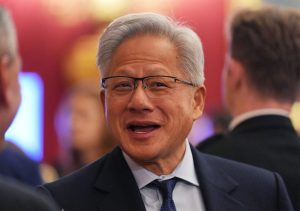
Nvidia's stock comp surprise


Nvidia surprised Wall Street last week by vowing to include employee stock compensation costs in its results, abandoning a widely used accounting magic trick that critics (including Warren Buffett) have long griped about.

Given that the $4.4 trillion chipmaker's stock compensation costs are pretty hefty and only getting heftier (its stock compensation costs weighed in at $6.4 billion in 2025, up 35% from the prior year) the obvious question is why would Nvidia do this?

The answer, as Fortune's Amanda Gerut reports: Because it can. 

Nvidia's profits are now so massive that the impact of stock compensation costs is negligible. With roughly $116 billion in after-tax profits and 42,000 employees in 2025, Nvidia’s roughly $3 million profit per employee is barely affected by including stock-based compensation of $150,000 per employee, according to University of Florida professor emeritus Jay Ritter.

Other chip companies however, don't have the same luxury. 

Including stock comp expense in non-GAAP earnings would lead to a 14% to 20% hit to EPS at companies including Broadcom, AMD, and Marvell, says Melius analyst Ben Reitzes. Nvidia’s hit is about 3%.—AO

xAI Set To Have $17.5 Billion Debt Wiped Ahead of SpaceX IPO

Elon Musk's social media platform X and AI startup xAI are set to have their roughly $17.5 billion in debt paid back in full, according to a report from Bloomberg. Morgan Stanley, which arranged both companies' debt raises, has reportedly notified existing lenders of the planned repayment, though the source of capital has not been disclosed.

X took on roughly $12.5 billion in debt during Musk's 2022 Twitter acquisition, while xAI added $5 billion through bonds and loans last June. Last year, Musk merged the two companies together under xAI Holdings—the first step in a broader consolidation of Musk's empire. SpaceX then acquired xAI last month, creating a combined entity now valued at $1.25 trillion. The combined SpaceX business is widely expected to IPO in the coming months.

Early repayment, however, comes at a cost, with penalties for paying off some of the debt ahead of schedule. According to Bloomberg, xAI's $3 billion in high-yield bonds will be redeemed at a 17% premium.—Beatrice Nolan

Meta and News Corp's $50M a year AI deal

Meta and News Corp have struck a multiyear licensing deal that will allow Mark Zuckerberg's AI tools to feast on the publisher's content in the U.S. and the U.K. News Corp, which owns the Wall Street Journal, will get $50 million a year from Meta, according to a report from ... the Wall Street Journal.

It's the latest of many such deals that media outlets have been striking with AI companies. The New York Times has an AI deal with Amazon, and Fortune has a deal with Perplexity. But News Corp's deal with Meta is interesting for two reasons: 

1. The deal, which allows Meta to pull real-time news and information for users on its platform, would seem to give Meta some very search-like capabilities. That means Meta will be increasingly threatening Google's core product (A separate recent report that Meta is working on a shopping research tool is another example of the encroachment into Google's turf). 

2. Meta's history with news publishers is checkered to say the least. Back in 2015,  it signed a flurry of high-profile deals with the likes of the New York Times, Buzzfeed, and National Geographic to launch Instant Articles, a feature that cached articles on Meta's servers to speed up load times. In 2023, Meta unceremoniously shuttered the project. Maybe this time its media partnerships will be different...—AO