What matters in U.S. and global markets today

Get full access to Reuters.com for just $1/week. Subscribe now.


Morning Bid U.S.

Morning Bid U.S.

A Reuters Open Interest newsletter

What matters in U.S. and global markets today


By Mike Dolan, Editor-at-Large for Finance and Markets

The ongoing Middle East eruption shocked Asia's stock markets on Wednesday, with South Korea's Kospi plummeting 12% for its worst day ever and Japan's Nikkei and Taiwan's benchmark each losing about 4%.

The Korean won hit its weakest in 17 years, while Seoul and several other Asian centers were forced to suspend trading periodically thanks to the scale of the selloff.

I’ll get into that and more below.

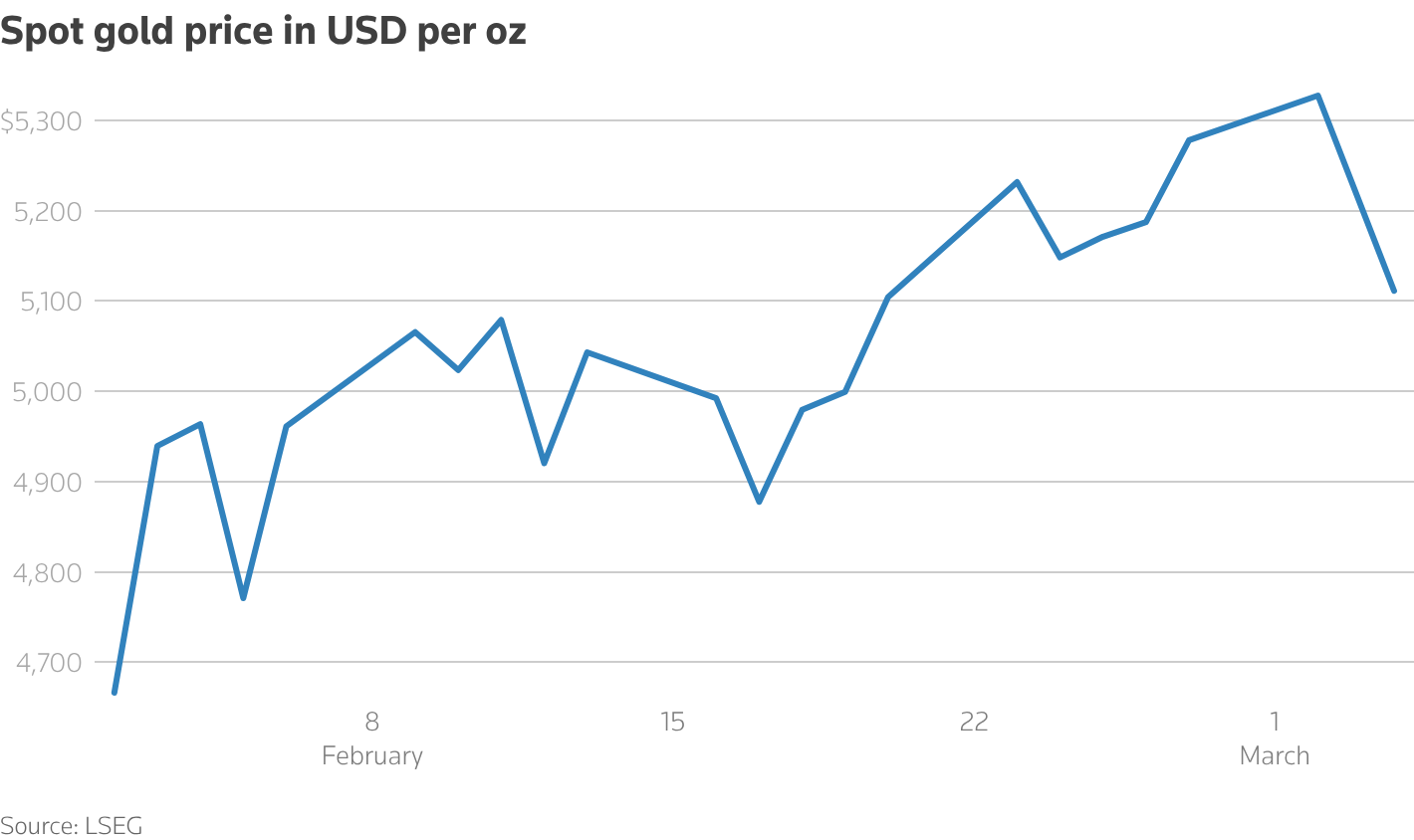
But first, check out my latest column on why gold lost some of its safe‑haven shine this week.

And listen to the latest episode of the Morning Bid daily podcast. Subscribe to hear Reuters journalists discuss the biggest news in markets and finance seven days a week.


Data refreshes every time you open this email. For more U.S. market news, click here. Please send any feedback to morningbid@thomsonreuters.com.


Today's Market Minute

  • The U.S. Navy could begin escorting oil tankers through the Strait of Hormuz if necessary, President Trump said on Tuesday, adding that he had also ordered oil tanker insurance support.
  • South Korean shares sank more than 10% on Wednesday, wiping off $430 billion in value just this week, after the won currency hit a ‌17-year low on a widening Middle East war.
  • OpenAI is considering a contract to deploy its AI technology on NATO’s "unclassified" networks, a person familiar with the matter said on Tuesday.
  • The conflagration in the Middle East raises the uncomfortable question of how to hedge against geopolitical risk when the traditional equity-bond portfolio no longer works, writes ROI Markets Columnist Jamie McGeever.
  • It’s not just oil and gas that flow through the Strait of Hormuz - it’s aluminium too, with the threat to Western manufacturers rising, writes ROI Metals Columnist Andy Home.
 

Seoul-sapping selloff

Asia's big manufacturing economies are heavily exposed to imported energy products from the Middle East, so both the price rise and supply uncertainty caused by the conflict are alarming.

However, there were tentative signs that markets elsewhere are taking a breather, as investors await further developments. Both U.S. and global Brent crude oil prices were up another 3% but held below Tuesday's 8-month and 19-month highs, respectively.

Europe's stocks popped up about 0.5% in what looked like a pause after two days of heavy selling. U.S. stock futures were marginally higher too. And the dollar's rise flattened out for the most part, even though government bond yields continued to push higher.

Gold and precious metals, unexpected losers this week during the geopolitical shock, regained some poise on Wednesday as the dash for cash abated somewhat.

President Trump announced plans to provide shipping insurance and possible naval support for energy supplies to exit an effectively closed Gulf - and that may be helping at the margins, although these moves could take some time to have an impact. World markets asking when this energy blockage will abate are having to think in weeks rather than days.

The conflict in Iran and across the region is impossible to predict. Many are now focusing on who's set to take over as Supreme Leader following the killing of Ayatollah Ali Khamenei last weekend. Some in markets took heart from a New York Times story that said Tehran officials had made a secret outreach to Washington over the weekend on how to end the conflict.

But for investors who think the coast will be clear once Gulf tensions ease, there are plenty of other things to worry about. For one, there’s rising concern about private credit funds run by the likes of Blackstone and BlackRock.

Today's calendar sees more routine issues back on the radar, with the ADP's private sector jobs report and ISM's service sector survey both coming out. The former may be looked at more closely in light of the big U.S. payrolls report due on Friday.

And with that, onto today's column.


Gold flubs its lines amid Middle East mayhem

The most peculiar market move in an alarming week of Middle East conflict was how the most obvious "safe haven" - gold - flubbed its lines. Instead of piling into gold, investors seemed to sprint for dollar cash, offloading anything that caught a speculative head of steam before last weekend's attacks.

Three days after Saturday's attacks on Iran, the initial bid for ‌precious metals faded quickly. On Tuesday, there was a major reversal, with gold suddenly falling 4% and silver dropping as much as 10%.

A return of the dollar's long-lost "safety bid", which saw the greenback climb this week despite heavy losses in U.S. stocks and bonds, was cited as one basic reason for gold's reversal.

Both public and private funds in the Middle East region now facing Iranian retaliatory strikes may be opting for dollar liquidity. A spike in dollar-denominated oil and gas prices may also have spurred demand for cash in the world's reserve currency.

The main reason for the dollar rise, however, is most likely the hit to major European and Asian ⁠economies from a protracted energy supply disruption and price spike compared with the relatively insulated U.S.


Graphics are produced by Reuters.

Read the full column