Greetings from London! The latest U.S. war in the Middle East has not yet had much direct impact on global automakers.
Most of them have abandoned Iran, though Chinese rivals have eagerly taken up the slack. But the indirect impacts, through higher prices at the pump, possible shipping disruptions and the unforeseen side effects of Iran bombing wealthy Gulf states, have yet to be felt.
Even though they are not directly in the firing line, automakers will be watching the latest conflict nervously. Which brings us to today’s Auto File… |
|
|
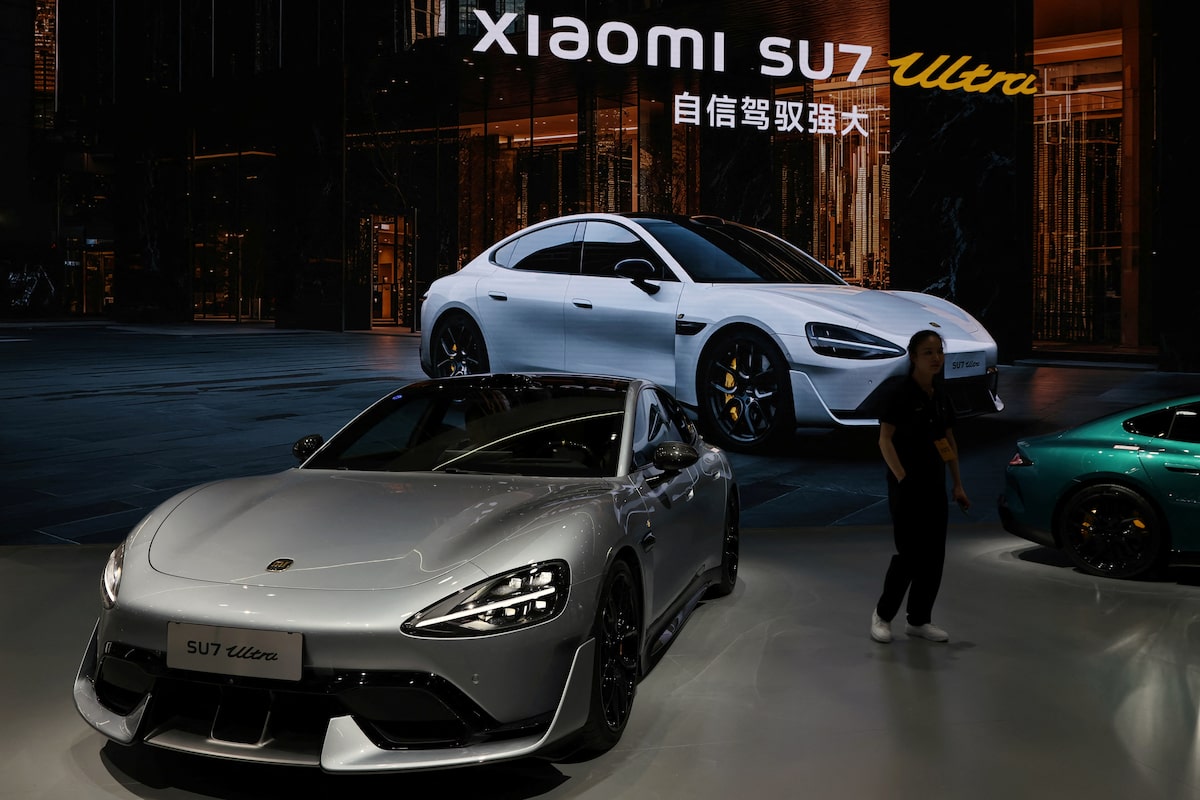
Xiaomi's safety reputation has been dented - REUTERS/Go Nakamuras. |
Chinese smartphone manufacturer-turned-EV maker Xiaomi has set up a safety advisory committee, as it seeks to head off criticism from consumers over a spate of deadly accidents.
Xiaomi came out of nowhere two years ago with the SU7 EV, which generated a great deal of excitement in China and showcased Chinese ingenuity and speed. But after a couple of fatal accidents, it has brought consumer complaints and hurt Xiaomi’s EV sales.
The company has discontinued production of the first-generation SU7 and is set to launch in April an upgraded version of its best-selling sedan with a backup power supply for the doors. Deliveries of the SU7, a rival to Tesla's Model 3, exceeded 381,000 vehicles as of February.
As part of damage control efforts, Xiaomi now plans regular meetings with car owners, media and experts to hear their suggestions regarding the safety of its vehicles, with the first session set for the first half of this year. |
|
|
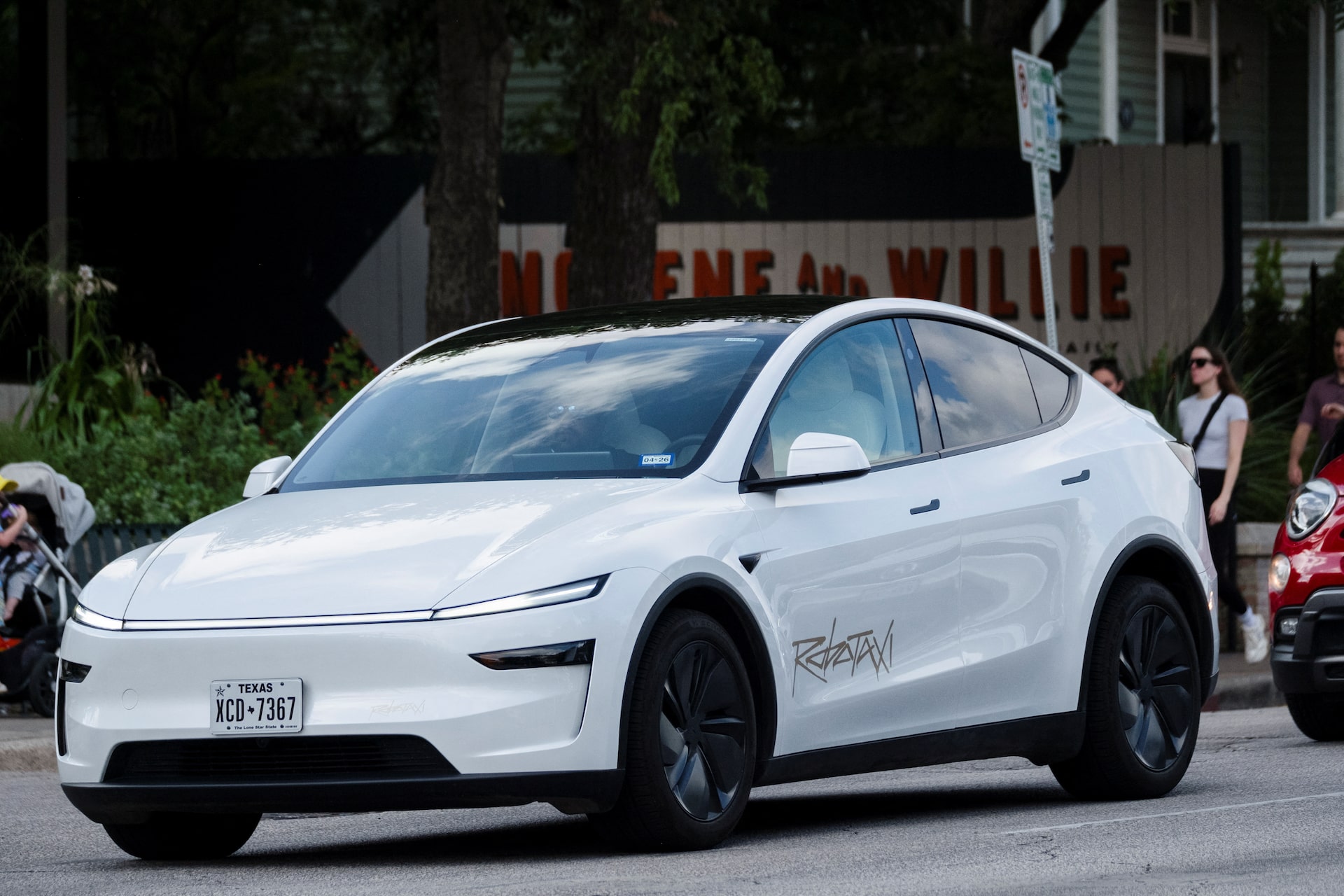
Not ready for California - REUTERS/Joel Angel Juarez. |
Tesla's California no-show |
Tesla CEO Elon Musk has publicly talked up the EV maker’s imminent plans for a driverless robotaxi service in California.
But as Reuters colleague Chris Kirkham reports, Tesla did nothing last year to secure approval from state regulators to make that happen. You can read all about it here.
Records show that Tesla logged zero miles of autonomous test driving on California’s roads last year for a sixth year running. Operating driverless vehicles in California – the largest U.S. auto market – is a linchpin of Tesla’s ambitions to operate a vast fleet of robotaxis and sell millions of autonomous-driving software subscriptions.
Tesla would need to log at least 50,000 miles (80,467 km) of autonomous driving on public roads in California with a safety driver before applying for a different permit allowing testing without one, according to proposed DMV regulations expected to be finalized later this year. But Tesla has not logged any miles with state regulators since 2019 and has documented only 562 miles in total since 2016. |
|
|
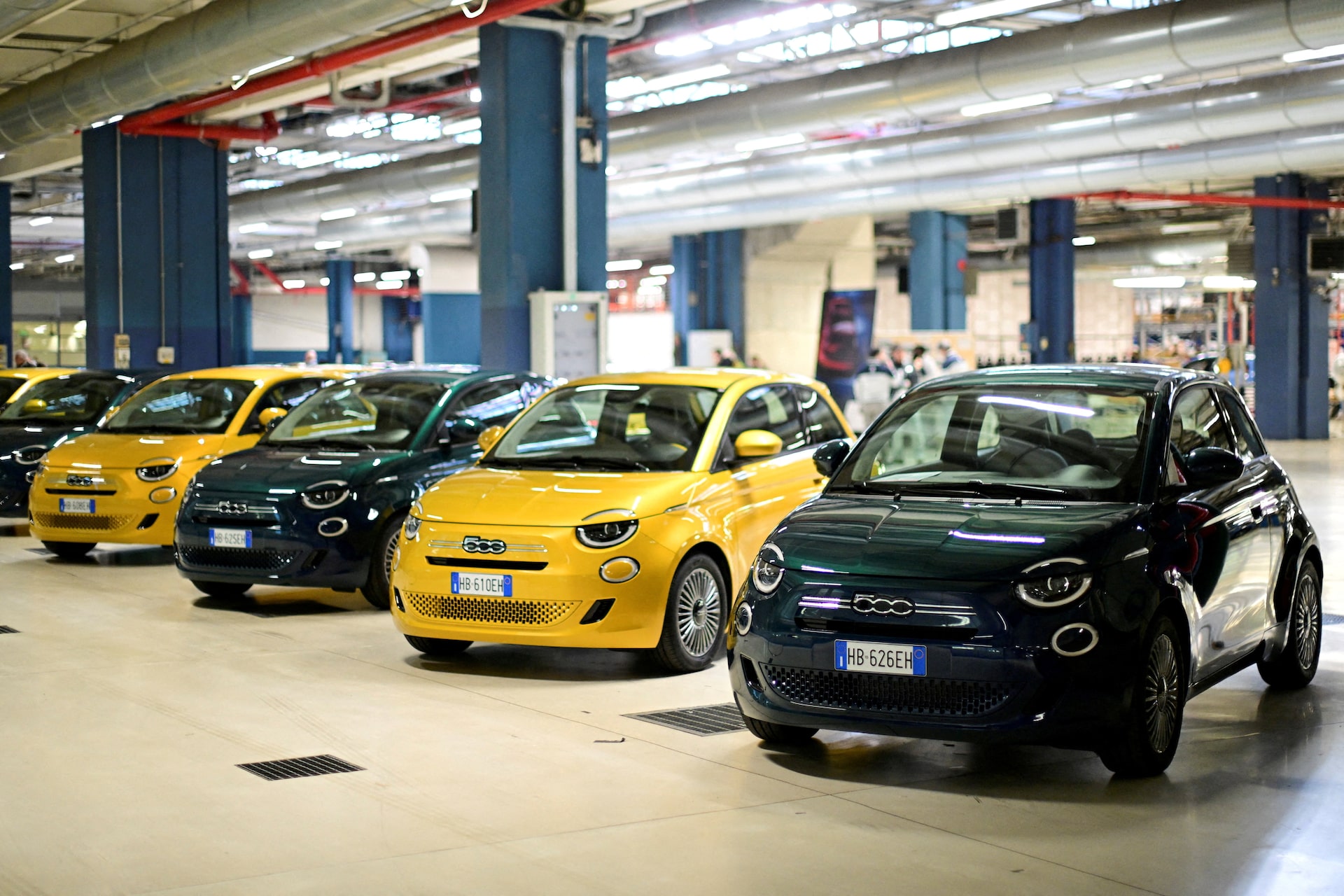
Is Stellantis driving back to profitability? - REUTERS/Daniele Mascolo.
|
While posting a huge $23.8 billion loss for the second half of 2025, Stellantis CEO Antonio Filosa has promised that the world’s No. 4 automaker will return to profitability this year. The company has been working to overcome a steep drop in market share in the U.S., which had previously accounted for virtually all its profits. As well as bringing back combustion engine models, Stellantis last month announced huge charges related to its pullback from overoptimistic ambitions for EV sales. Filosa says that Stellantis is now on the right track and ended 2025 with three months of vehicle orders on its books for North America and Europe. |
|
|
Alongside Tesla, the rise of China’s BYD is arguably one of the most compelling autos stories for decades. The company went from sales of under 420,000 cars in 2020 to 4.6 million in 2025. But that rapid climb has hit a roadblock as sales at home in China’s fiercely competitive car market have taken a pummelling.
BYD’s sales in February dropped 41.1% from the same period in 2025 – the biggest fall since February 2020 during the height of the coronavirus pandemic – driven by a 65% decline in China. That was even worse than a 53.2% drop in January, when Geely unseated BYD as China’s top carmaker.
To fend off competition, BYD has joined other domestic and foreign peers in launching a seven-year low-interest financing plan that was first introduced by Tesla in January. BYD is also expected to roll out major innovations later this month. |
|
|
Toyota raised its offer price for supplier Toyota Industries, valuing the bid at $30 billion and ending a months-long battle with activist fund Elliott Investment Management.
British self-driving startup Wayve has raised $1.2 billion from investors including Mercedes-Benz, Stellantis, Nissan and Uber as it scales up robotaxi deployments and works with global automakers on driver assistance technology.
Mercedes-Benz will feature an advanced driving assistance system co-developed with Chinese tech firm Momenta in nine upcoming models this year, including the electric GLC SUV and S-Class sedan.
Volkswagen has received bids valuing its diesel engine division Everllence at around 8 billion euros including debt, according to three people familiar with the discussions.
British luxury car maker Aston Martin will cut its workforce by up to 20% as it struggles to recover from the impact of U.S. tariffs and weak demand in China.
Hyundai and South Korea have signed a deal to invest about 9 trillion won ($6.26 billion) to build an AI data centre, a robot manufacturing factory and other developments in the country's western coastal region.
Think your friend or colleague should know about us? Forward this newsletter to them. They can also subscribe here. |
|
|
|