Hello, Today’s focus is the consequences on governance of the conflict across the Middle East following U.S. and Israeli airstrikes against Iran.
We’ll be looking at how insurance companies are cancelling war risk coverage for vessels in the Gulf and what it means for the fossil fuels they carry. And here are some more social and governance stories related to the conflict that caught my eye: |
|
|
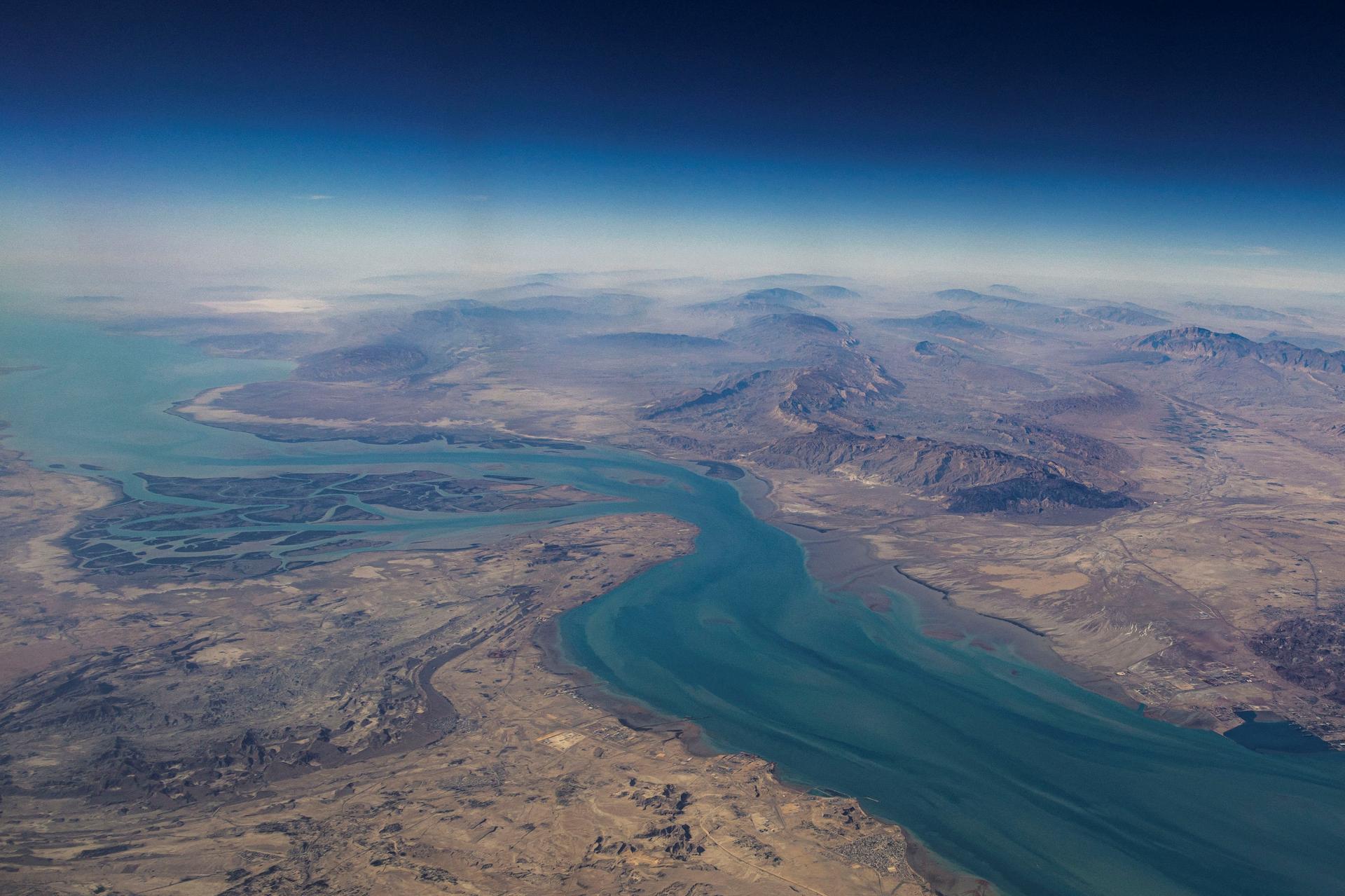
An aerial view of the Iranian shores and the island of Qeshm in the strait of Hormuz. REUTERS/Stringer/File Photo |
Insurers cancelling war risk |
The widening Iran conflict has disrupted shipping, leaving at least five tankers damaged, two personnel killed and around 150 ships stranded around the Strait of Hormuz.
Shipping through the strait between Iran and Oman, which carries around one-fifth of oil consumed globally as well as large quantities of gas, has ground to a near halt after vessels in the area were hit as Iran retaliated to U.S. and Israeli strikes.
As a result of the incidents, marine insurers are cancelling war risk coverage for vessels and oil shipping rates are set to surge further. Companies including Gard, Skuld, NorthStandard, the London P&I Club and the American Club said their cancellations would take effect from March 5, according to notices dated March 1 on their websites.
These cancellation notices mean shipping companies with vessels in the region will need to seek new insurance cover at higher rates in order to maintain policies.
War risk premiums have risen to as much as 1% of the value of a ship in the past 48 hours, from around 0.2% last week, industry sources said on Monday, which adds hundreds of thousands of dollars in further costs for every shipment. |
|
|
Meanwhile, costs of shipping oil from the Middle East to Asia – already at six-year highs – are set to rise further as the widening conflict is deterring shipowners from sending vessels to the region, market sources and analysts said.
The disruption has caused oil and European natural gas prices to jump, with Brent crude futures up as much as 13% as the conflict triggered multiple oil and gas shutdowns in the Middle East.
From a sustainability perspective, United Nations Executive Secretary of UN Climate Change Simon Stiell, said this was the moment for nations to stop relying heavily on fossil fuels and that everything must be done to avoid further escalation.
"Along with its brutal human costs, this newest upheaval shows yet again that fossil fuel dependence leaves economies, businesses, markets and people at the mercy of each new conflict or trade policy lurch,” said Stiell. “But there is a clear solution to this fossil fuel cost chaos – renewables are now cheaper, safer and faster-to-market, making them the obvious pathway to energy security and sovereignty.” Click here to check out the Reuters Gulf Currents newsletter for more updates on the crisis and click here for live updates. |
Festus Omwamba sits at the Kahawa Law Courts to hear charges of recruiting Kenyans into the Russian armed forces, in Kiambu, Kenya. REUTERS/Monicah Mwangi |
-
Africa and Ukraine war: In keeping with today’s main focus on war, South Africa and Kenya faced more signs of citizens being drawn into the war in Ukraine. Pretoria reported two South Africans killed on the front lines and a Nairobi court charged a man with trafficking 25 Kenyans to fight for Russia. More than 1,700 Africans are fighting for Russia in its Ukraine war, Ukrainian Foreign Minister Andrii Sybiha said, adding that Moscow was using deception to trick them into fighting. Russian authorities have denied illegally recruiting African citizens to fight in Ukraine.
-
South Sudan crisis: South Sudan is at a "dangerous point" as a surge in killings threatens a fragile 2018 peace deal, the U.N. human rights chief said, a day after Western powers accused groups linked to the military of carrying out a massacre. The government denied that soldiers had deliberately targeted any civilians but acknowledged they may have been caught in crossfire in the strife-torn territory that borders Ethiopia.
-
U.S. in Africa health: “There are major concerns about data and pathogen sharing,” said Africa Centres for Disease Control and Prevention Director-General Jean Kaseya. Zimbabwe last week withdrew from its $367 million U.S. health-funding talks over sensitive data demands, calling the deal unequal. Zambia also pushed back on parts of its agreement. Global health advocates have criticised the deals’ pathogen‑sharing requirements, which oblige countries to quickly share outbreak data with Washington without guaranteeing that any resulting drugs or vaccines would be provided to the affected nations.
-
U.S. Congo minerals: The U.S. has made progress in its push to take the Democratic Republic of Congo’s strategic minerals from China's orbit. DR Congo, which hosts the world's largest cobalt supply and rich copper and lithium reserves, is central to the U.S. push to cut the West's reliance on China for rare minerals. But several of the shortlisted assets sit in politically fraught zones or carry permitting disputes, making quick, reliable mining deals unlikely. Click here for the full story.
-
U.S. climate litigation: Around 28 co-authors of the federal judiciary's reference manual on scientific evidence accused court officials of letting partisan politics shape its latest edition by cutting a climate change chapter. In a separate letter, 16 Democratic lawmakers led by U.S. Senator Ron Wyden of Oregon demanded that the judiciary reinstate the chapter, saying "censorship of scientific information undermines the key role of this non-partisan guidance."
|
|
|
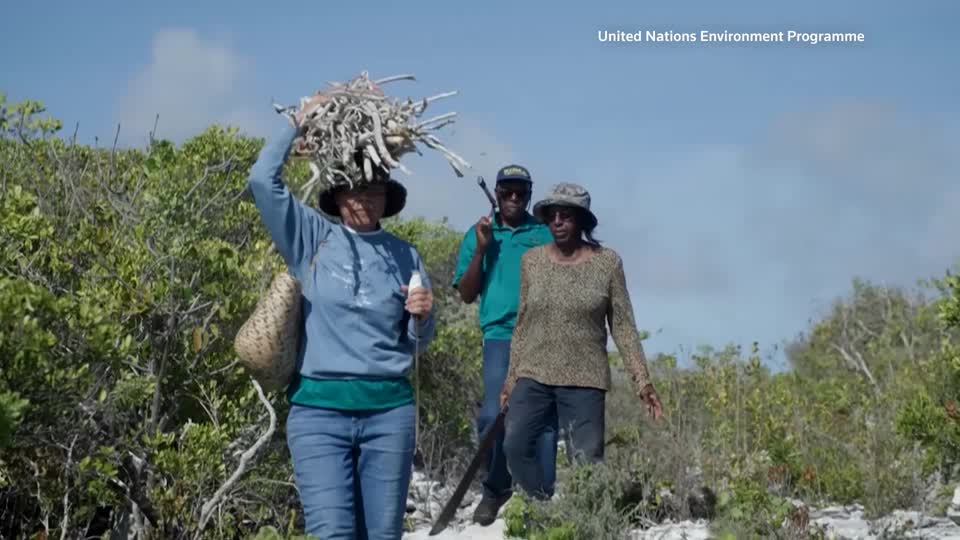
Bahamian island of Acklins, residents are harvesting cascarilla, Acklins in the Bahamas. REUTERS/ video keyframe, report produced by Jillian Kitchener. |
Today’s spotlight is on the remote Bahamian island of Acklins, where residents are harvesting cascarilla, a native shrub whose rising global demand is reshaping local livelihoods and raising concerns about sustainability.
Click here for the full Reuters video. |
|
|
Sustainable Switch was edited by Mark Potter. |
|
|
| |
|
|
|
Sustainable Switch is sent three times a week. Think your friend or colleague should know about us? Forward this newsletter to them. They can also sign up here.
| | | |
|
|
|