|
Wednesday 25/2/26
|

|
|
London
Paris
Zürich
Milan
Bangkok
Tokyo
Toronto
|
|
|
|

Take your seats
Find a nice chair, sofa or chaise longue because today’s dispatch is starting in the seated position with Mallorca-based furniture designer Adriane Escarfullery’s robust furniture collection. Then we speak to TF Chan, director for contemporary craft and design fair Collect, and take a classic Swedish armchair out for a spin on the patio. Plus: Guinea-Bissau-born designer Armando Cabral puts a twist on USM’s grid-like Haller system. In the driver’s seat today is Callum McDermott on how Sydney is finally hitting its stride.
|
|
OPINION: Callum McDermott
Harbouring ambition
Sydneysiders tend to be blissfully unaware of how good we have it. We gripe about “problems” that the rest of the world dreams of having. There’s the ferry to work that traverses the iconic harbour but can sometimes be a few minutes late. The undulating terrain around said harbour, which makes the landscape so interesting but also a bit annoying. Meanwhile the winters are mild enough that you only get to wear your big coat a handful of times. Imagine the horror.
It’s an outlook that I’ve been reflecting on as Monocle launches its new Sydney City Guide. In defence of the locals, the city hasn’t been without issues. The rapturous reception to the 2000 Olympic Games should have been a boon for soft power, the economy and culture. But the opportunity was squandered: the Harbour City saw 20 years of sluggish development; legislative and regulatory overreach hobbled the local economy; Melbourne pulled ahead as the country’s cultural capital.
|
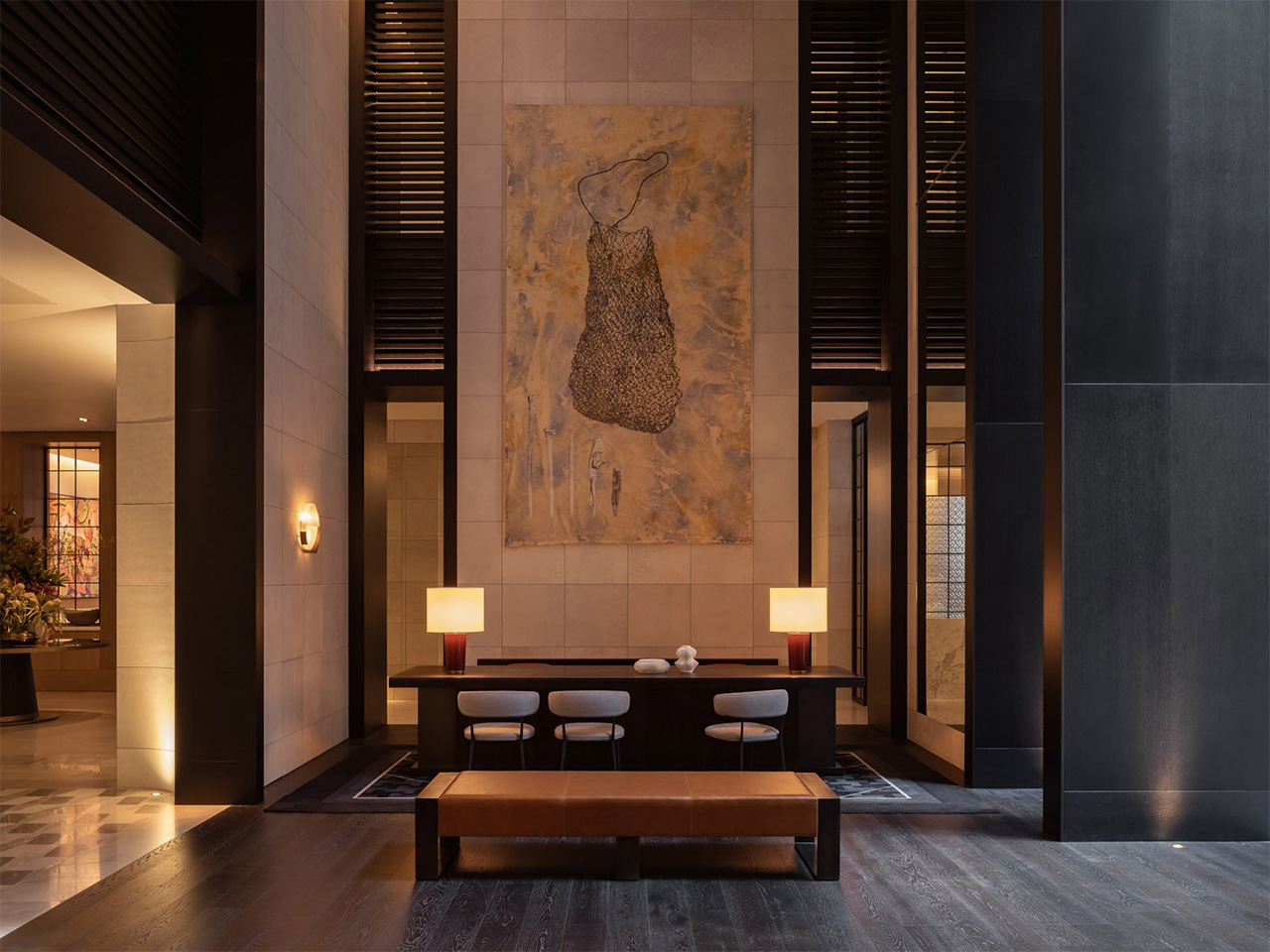
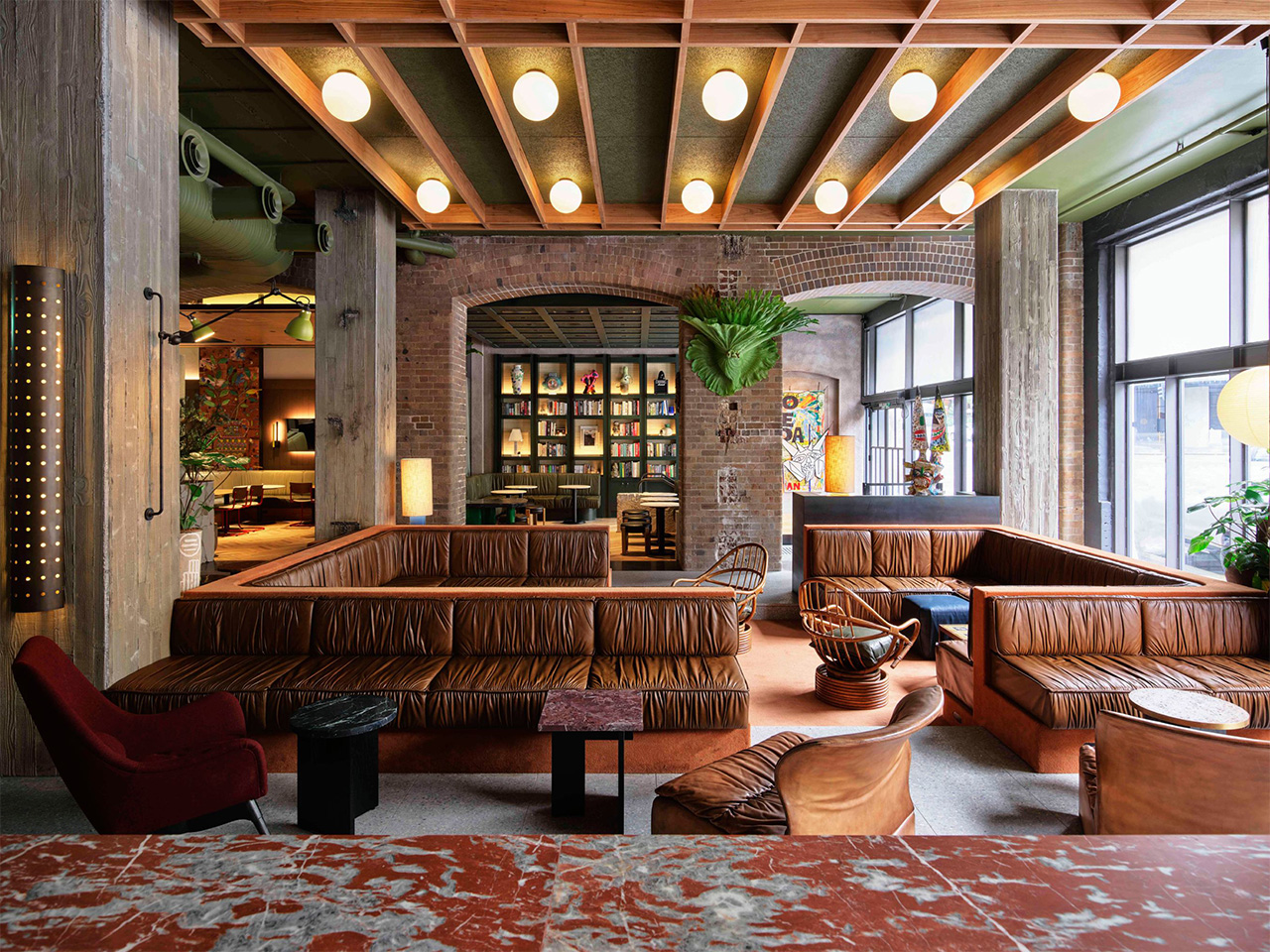
But in 2022 it felt as though Sydney had begun to turn a corner. Freshly unleashed from its coronavirus-pandemic lockdowns and the worst of its notorious lockout laws, the city had the winds of change in its sails. It remembered that it had been, and could be again, the most important city in Australia. And that sense of possibility and enthusiasm has been driven, in part, by ambitious design and architecture. In recent years there have been museums designed by renowned studios, vast public-transport overhauls and city-shaping infrastructure projects, as well as a panoply of exciting new retail and hospitality outfits, including the Capella hotel, Ace Hotel (pictured, above) and Chinatown Country Club (pictured, below). Stand out interiors have been created by studios such as Acme & Co, George Livissianis, Tom Mark Henry, SJB and many more. All of this has been overlaid onto one of the world’s most idyllic urban landscapes. The nihilism of the 2000s has been replaced by optimistic civic pride.
An essential step in Australia’s perpetual battle against cultural cringe is having the confidence to say that its work can stand up against the very best in the world. And though icons of Sydney have largely been left to international designers – Jorn Utzøn’s Opera House masterpiece being the prime example – local firms are now working hand in hand with their foreign counterparts to shape the silhouette of the city.
|
Take the new Sydney Fish Market, one of the most consequential buildings in the city’s history. The largest fish market in the southern hemisphere will serve as the linchpin to an ambitious plan to reshape the western half of the harbour. It was realised thanks to Danish outfit 3XN Architects, along with Australian firms Aspect and BVN. The result is a building that looks both globally minded and thoroughly Sydney. That will also be true for Western Sydney International Airport later this year, Australia’s first international aviation hub in decades, which has been conceived by Zaha Hadid Architects and Cox Architecture. Cox was a key part of the “Sydney School” of architecture, which reinterpreted global currents to create a unique visual style. Perhaps the logical next step is applying the Sydney School’s ethos to the rest of the world.
Anywhere you look in the city centre, you’ll see signs too. The clues tell you that you’re in a metropolis that’s becoming – or rediscovering – itself. You see it on the harbour in the Barangaroo development and at places such as the Permanent Public Pavilion by Besley & Spresser. You see it at the new Sydney Modern Project at the Art Gallery of New South Wales or on the gleaming new metro and tram lines. Sydney is a city that’s ready for its big moment again – and this time it won’t waste it.
Callum McDermott is an Australian journalist and co-editor of Monocle’s new Sydney City Guide. Visit monocle.com for access to our full selection of 25 guides to leading metropolises across the globe.
|
|
LA GALERIE DU 19M  MONOCLE MONOCLE
|
|
DESIGN NEWS: Adriane Escarfullery, Spain
No holding back
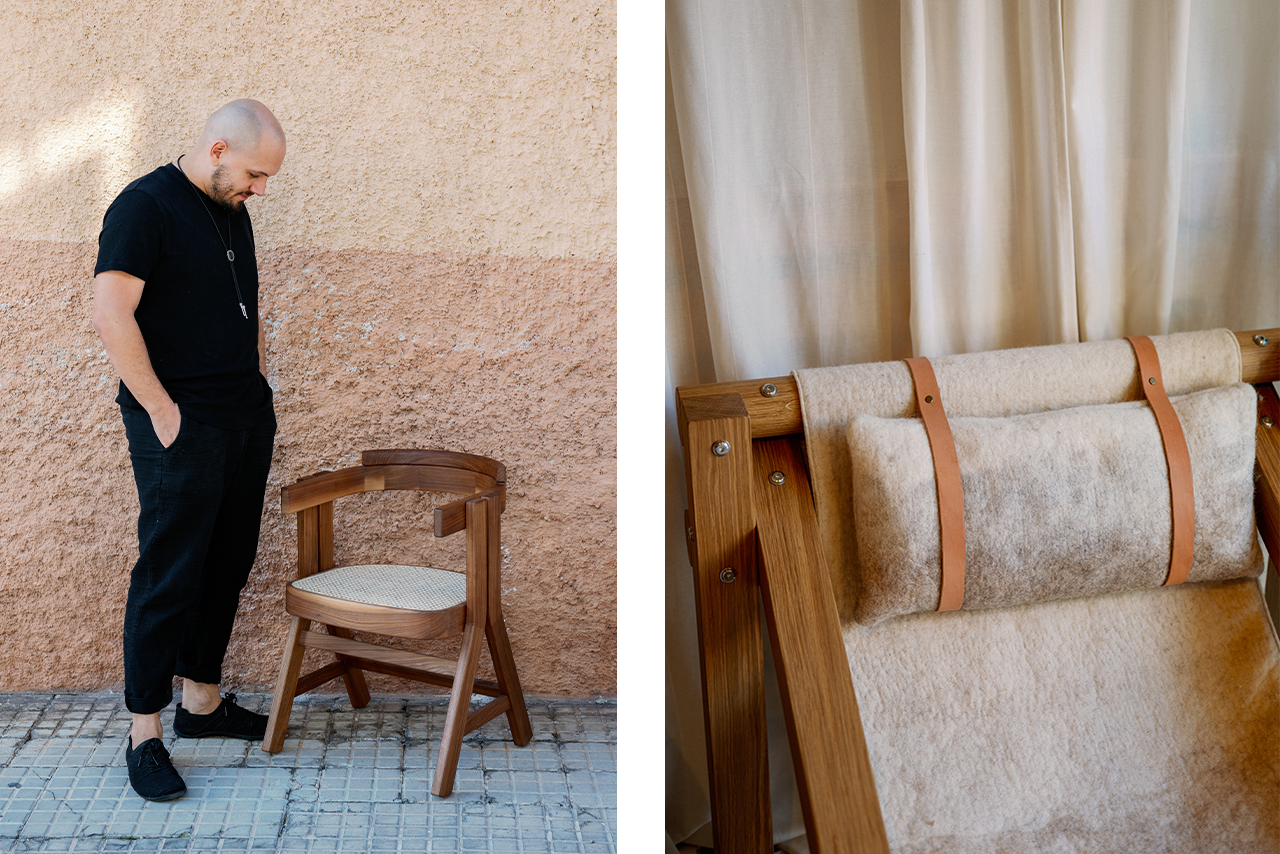
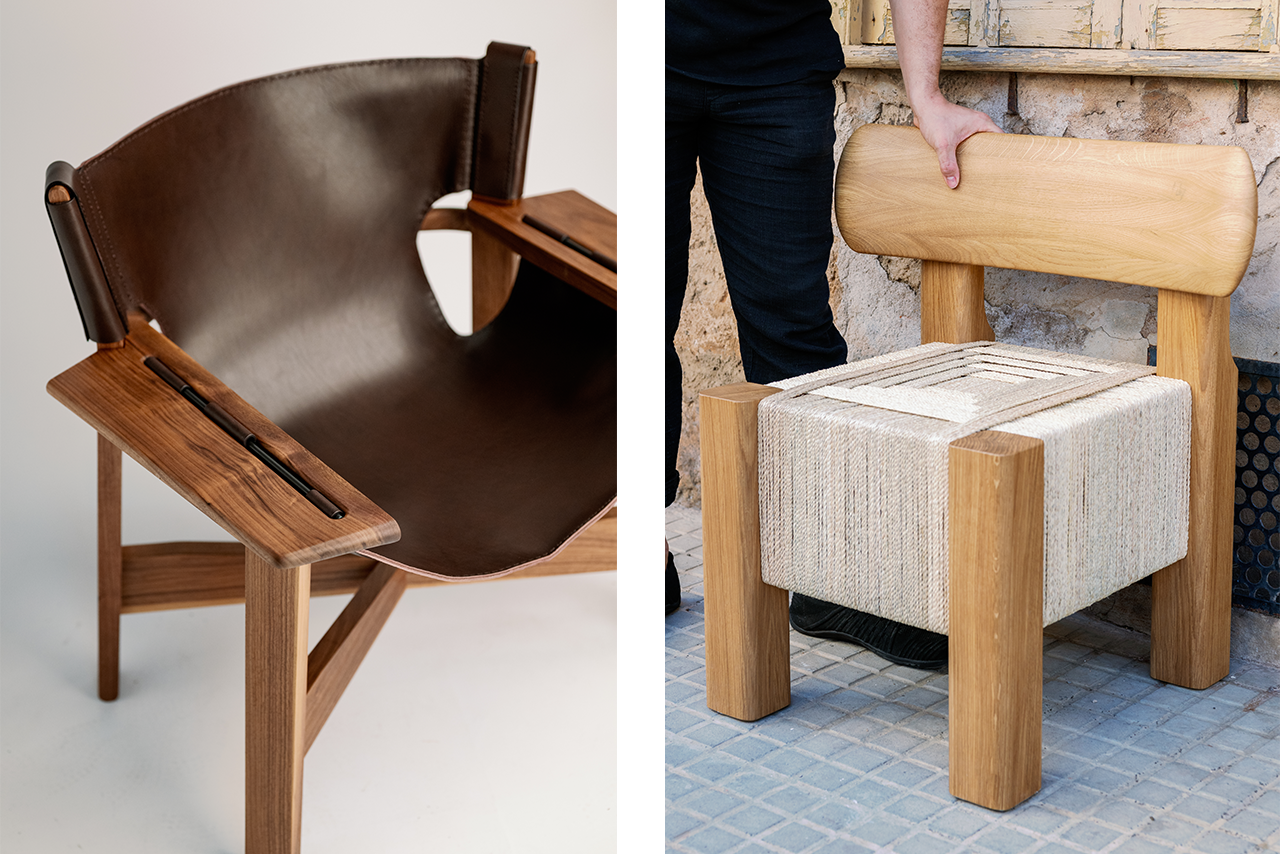
It’s all coming together for Dominica-born, Mallorca-based furniture designer Adriane Escarfullery. He has just completed his largest-ever order for the upcoming Terreno Barrio Hotel in Palma, which has been designed by Ohlab architects. The arrival of Escarfullery’s chairs in the establishment will be a chance for the public to experience his collection. It includes the robust Fee Fi Fo Fum armchair made from recycled wood and the stocky Elef, with palm-weaved upholstery and a wide backrest that’s “inspired by the ears of an elephant”.
|
|
Making and assembling his chairs by hand has given Escarfullery a bad back but he’s not the type of man who goes for the easy route. “I now have lots of people offering to invest in the business, including my friends and family, but I have seen how that can go wrong and I don’t want to lose them,” he says. No matter what happens, one thing is sacrosanct: “I still want to have the time to enjoy Sunday lunch with my mum,” he adds.
adrianescarfullery.com
For more on Escarfullery, pick up a copy of the March issue of Monocle, which is on sale from tomorrow.
|
|
WORDS WITH... TF Chan, UK
Only collect
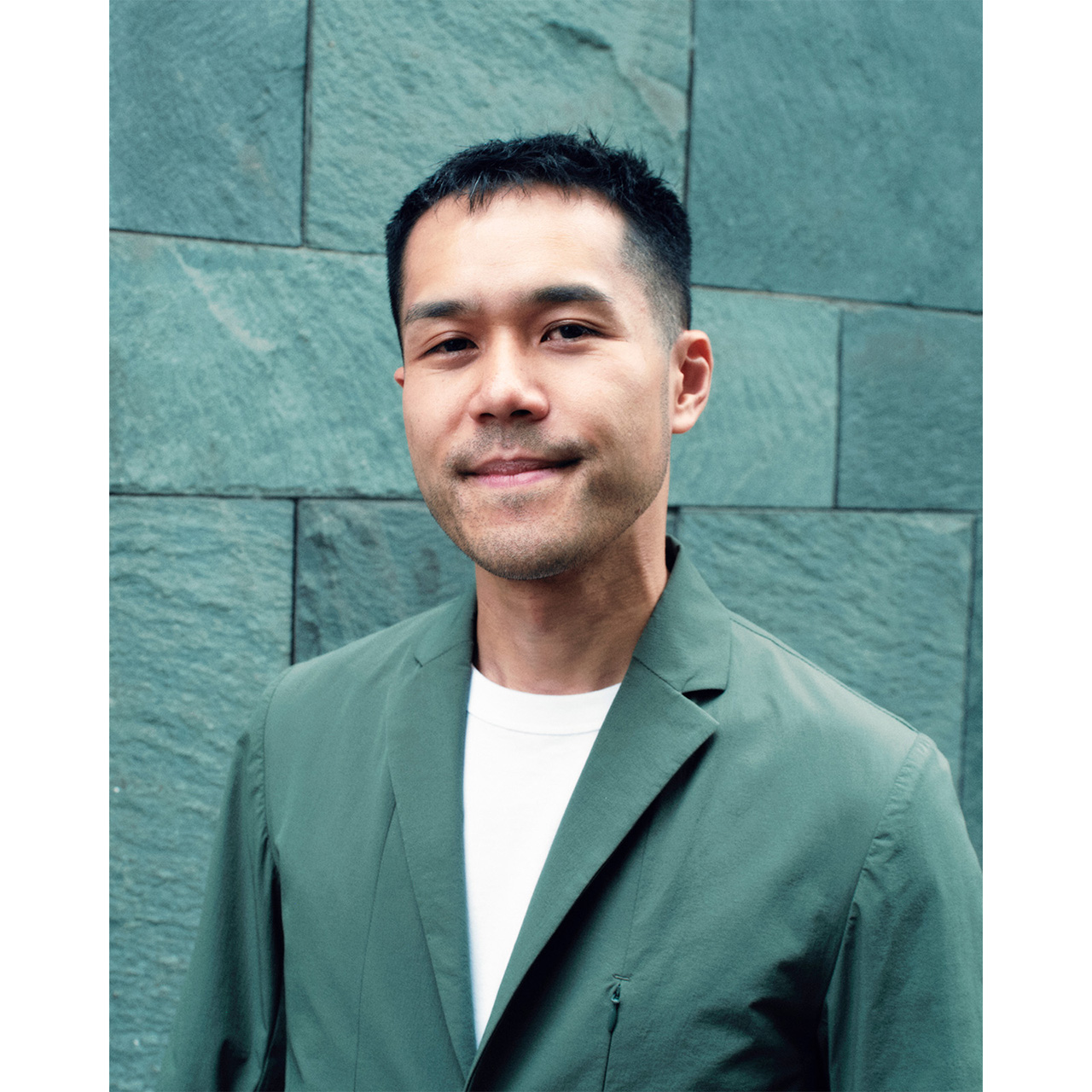
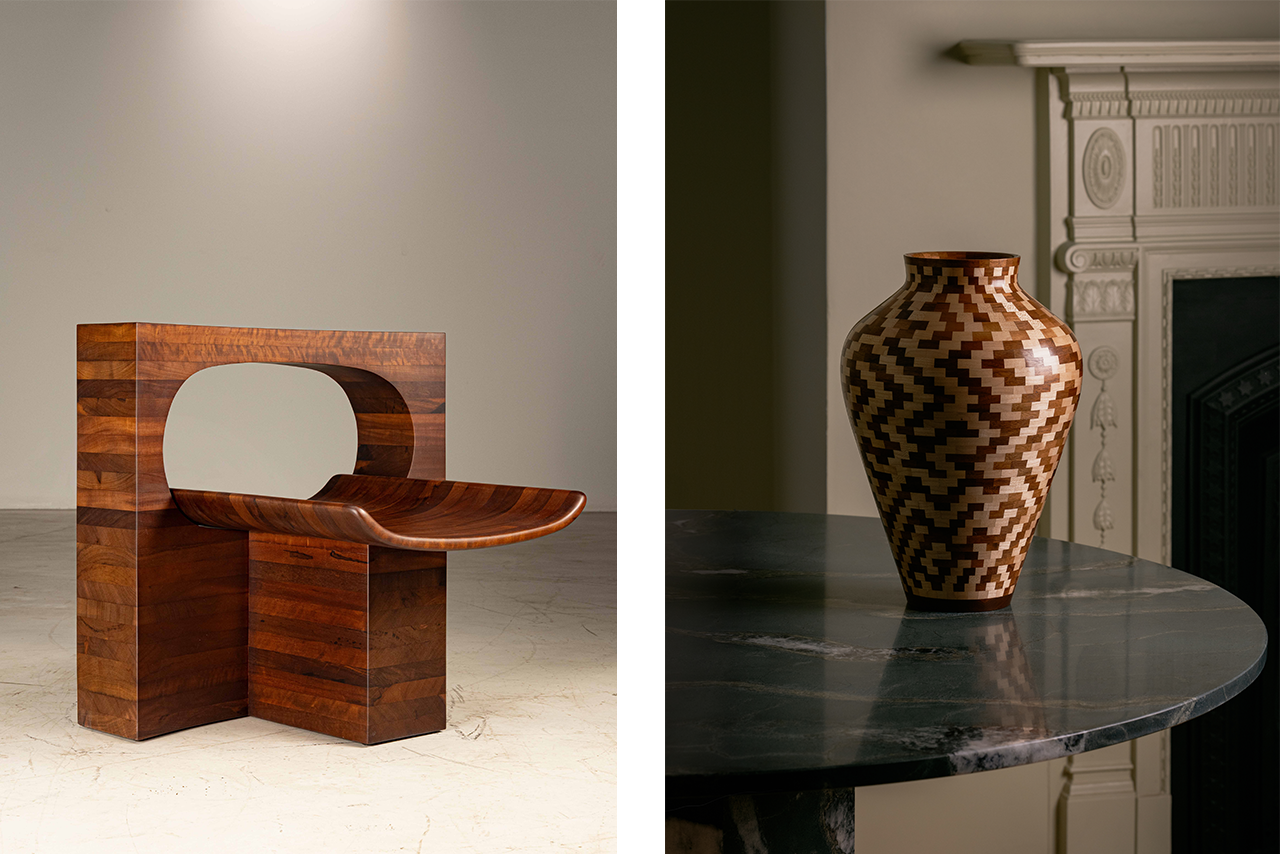
Collect is one of the world’s foremost fairs for contemporary craft and collectable design. The 2026 iteration opens to the general public on 27 February and runs until Sunday at London’s Somerset House, bringing together museum-quality works from more than 400 creatives, spanning ceramics, glass, textiles, metalwork, furniture and more. Hong Kong-born, London-based journalist and curator TF Chan is the event’s director.
|
Craft is part of a broader collectable-design groundswell – what’s driving this interest?
We often talk about how a piece’s success depends on both form and function – how something looks, as well as how it works in terms of ergonomics, efficiency, durability and so on. Collectable design adds a third dimension to this as it encourages us to consider what an object says. Within this realm, design is not just about delivering aesthetic pleasure and solving problems but also expressing identities and values. They are statements in themselves.
Why does this matter?
Today you can buy something online and have it delivered in a day or two. It will probably serve your purposes for a month or so and be good enough. But it’s not the type of thing that stands the test of time. You wouldn’t want to pass it on to the next generation. It’s not actually elevating your quality of life. Craft introduces objects into our lives that have taken time, expertise and care to produce. When you know that a maker has thought about how to manipulate a material to create something distinctive, it carries a narrative. In a world where we’re saturated with stuff, we need to expect more of the things that surround us.
|
What impact does craft have beyond the creation of beautiful objects?
We’re increasingly living our lives in two dimensions because we’re constantly staring at screens. Craft is a perfect antidote to that because it is not about abstractions. It is about real people with skills and livelihoods. When we celebrate this, we’re affirming the belief that society should be organised to support humans and enable them to flourish. The future of craft depends on supporting artists and designers but also good education policies, affordable studios, access to materials and machinery.
Visit Collect at Somerset House, which is open to the public from Friday 27 February until Sunday 1 March 2026. You can also hear from TF Chan on this week’s episode of ‘Monocle on Design’.
|
|
SPONSORED BY LA GALERIE DU 19M
|
|
from the archive: Grythyttan Stålmöbler A2, Sweden
Outside chance
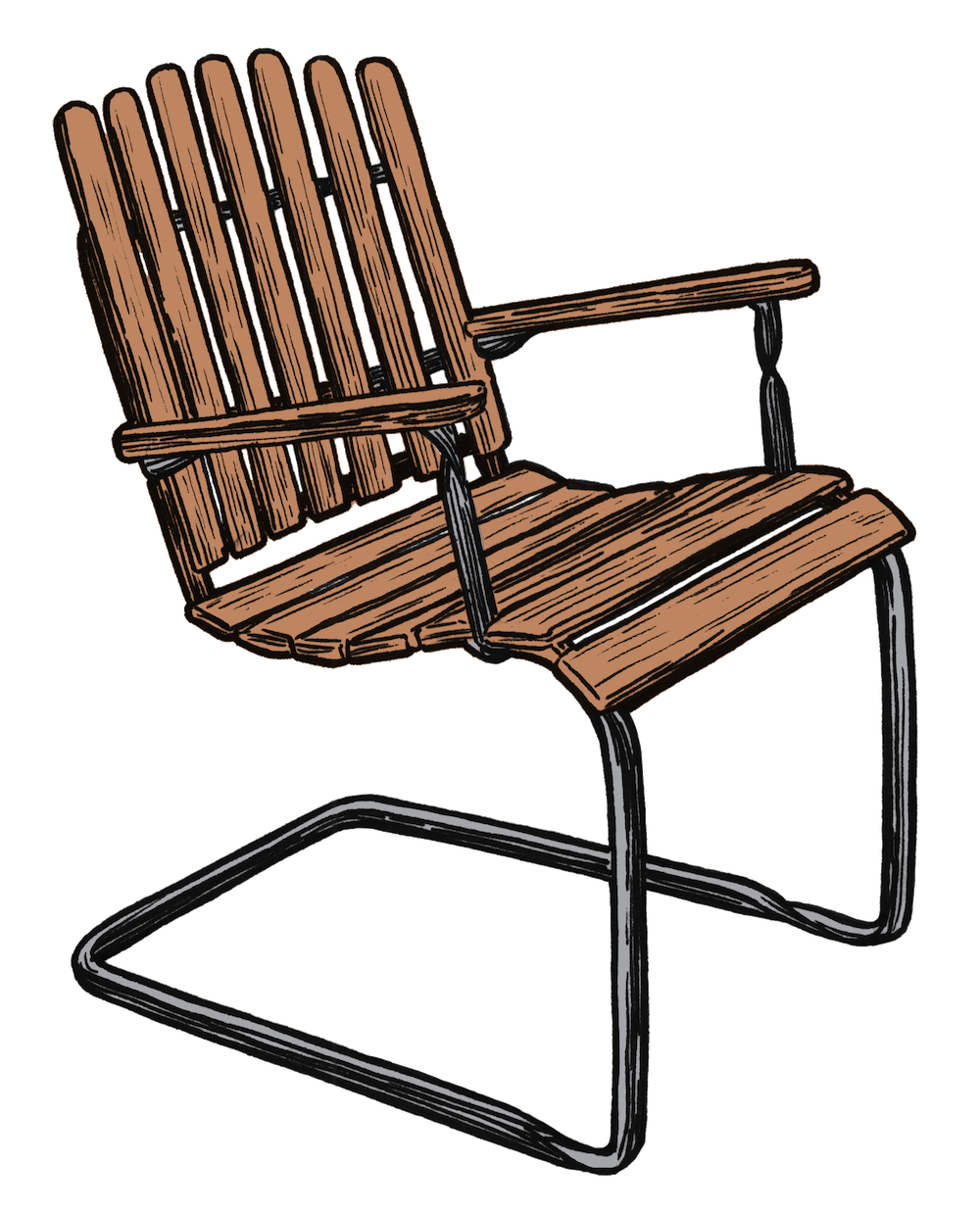
Though it might be hard to believe when looking out of the window, spring is around the corner and it is time to start sprucing up the patio. Monocle’s first choice for seating is Swedish firm Grythyttan Stålmöbler’s A2 armchair. Grythyttan began in rural Svealand in 1895 as a blacksmith forge producing high-quality metalware such as horseshoes and axes. Inspired by the functionalist movement, the founder’s son, Artur Lindqvist, decided to apply the family firm’s expertise to furniture-making. The result was the A2, which combines a thin steel frame, designed for a comfortable rocking movement, with planks of teak, pine or oak.
This cantilevered seat was first exhibited in 1930 and has remained in production ever since, making its way to many a garden, towpath and balcony, as well as the courtyard of Midori House, Monocle’s London HQ. Outdoor furniture often gets tatty after a few seasons but with the A2, the oiled wood’s patina only improves with age.
|
|
around the house: USM x Armando Cabral, Portugal
Twist of fate
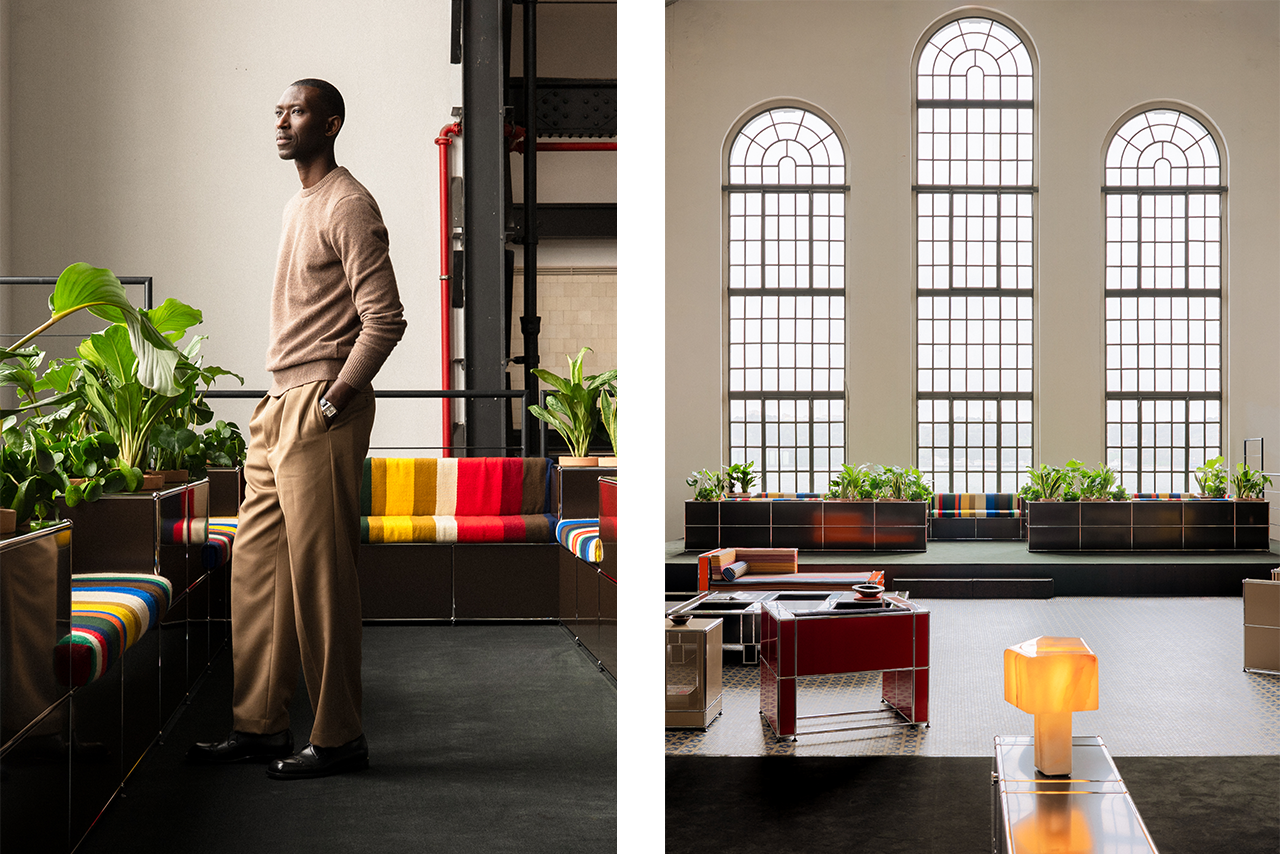
Swiss modular furniture specialists USM have partnered with Guinea-Bissau-born designer Armando Cabral and his namesake lifestyle brand on a new collection of furniture. Called “Nkyinkyim” – an Akan word that means “twisting” – the range challenges the typically rigid forms of USM’s grid-like Haller system. “Nkyinkyim is a word [symbolised by a wavy line] representing the path of life,” says Cabral, whose pieces are currently on show at Maat Central in Lisbon and available to purchase from USM globally. “This collaboration gives that symbol a physical form.”
|
The collection’s bookshelves, for example, occasionally have missing structural uprights, which give them a form reminiscent of the nkyinkyim symbol. Completing the set is a bed, lounge chair, side table, valet stand and bookshelf. Cabral collaborated with a number of Portuguese design brands to finish the works, including 100-year-old textile mill Fabricaal and gallery Garcé Dimofski. Curious to see the collection in person? Stop by Maat Central’s Sala dos Geradores before the presentation wraps up on 7 March.
usm.com;armando-cabral.com
For more design from the Portuguese capital, read:
– Alvalade, the 15-minute Lisbon neighbourhood offering the best of urban living and green space
– Craft roots keep Lisbon Design Week on the cutting edge
– From Hermès windows to boutique hotels: Joana Astolfi’s journey designing distinctive Portuguese spaces
|
|
| | |