Pentagon-Anthropic dispute. The Pentagon has issued an ultimatum to Anthropic over its technology use terms, multiple media outlets reported. If Anthropic does not agree by 5 p.m. Friday, the Pentagon reportedly threatened to label the firm a supply-chain risk or to invoke a law allowing the government to force the firm’s hand. Anthropic wants the Pentagon to comply with its policies that prohibit mass domestic surveillance and the use of autonomous weapons without human oversight, while the Pentagon seeks to use the technology for any lawful action.
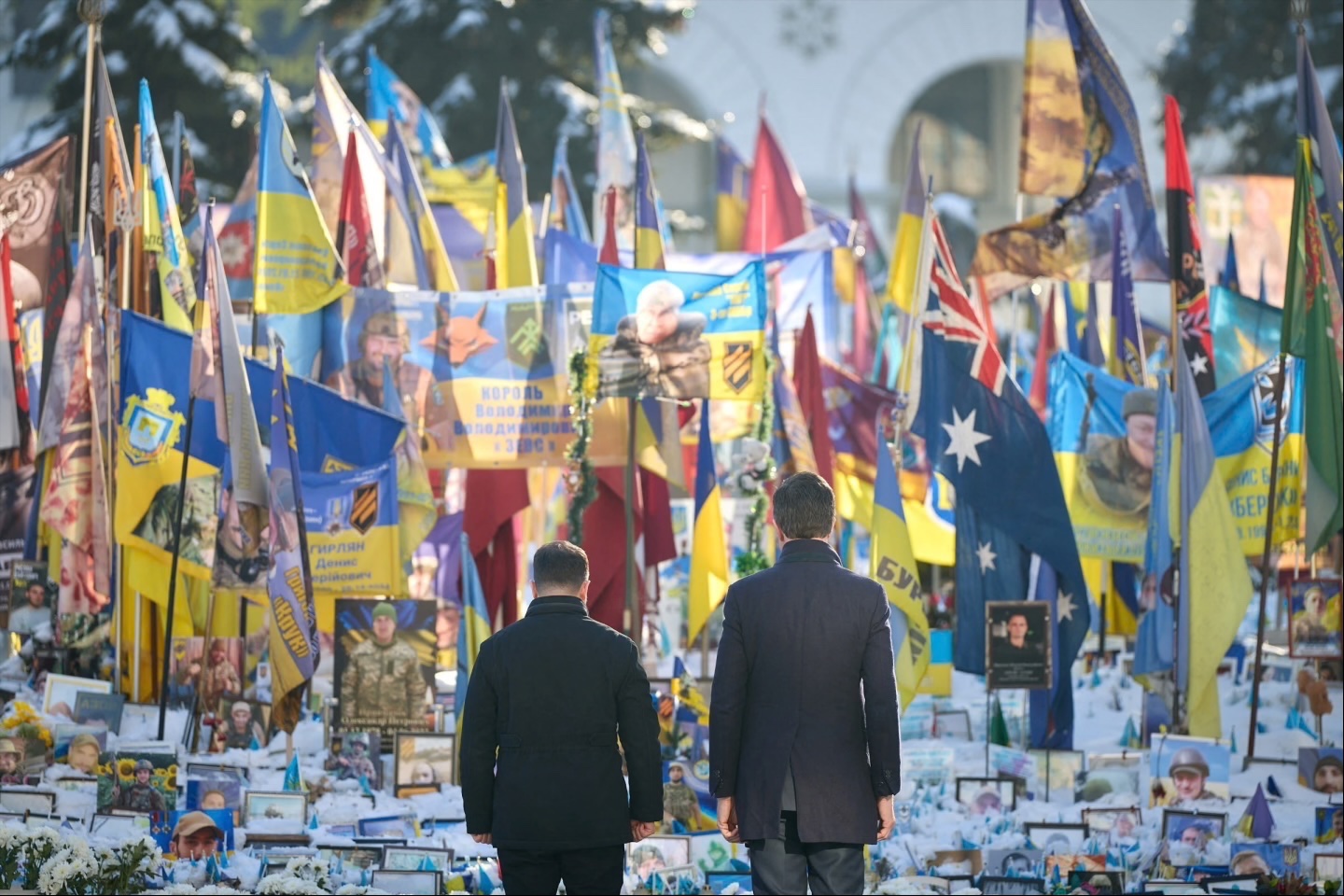
UNGA vote on Ukraine. The United States abstained yesterday from a UN General Assembly vote on a resolution in support for “lasting peace in Ukraine.” The resolution passed 107-12, with 51 absentions. It called for an immediate truce, the release of illegally detained people, and the return of persons who had been forcefully transferred. The deputy U.S. ambassador to the United Nations said the resolution’s language was “likely to distract” from ongoing U.S.-led diplomatic efforts to get Russia and Ukraine to agree to a truce.
DEA back in Bolivia. Bolivia’s government has resumed cooperation with the U.S. Drug Enforcement Administration almost two decades after the country’s leftist Evo Morales administration ended joint counternarcotics operations and ordered the agency’s 2008 expulsion. The policy shift comes after a centrist government recently took power. Bolivia’s interior minister said Monday that the country was also cooperating with European intelligence and police and hoped to do so with neighboring countries as well.
Russian probe of Telegram chief. Telegram founder Pavel Durov confirmed yesterday that the Kremlin had opened an investigation into him over allegations of “aiding terrorism.” He wrote that the allegations were “pretexts” to suppress free speech and restrict access to the encrypted messaging platform. Russia has recently tried to coax citizens toward a state-run rival messenger and put restrictions on some of Telegram’s functions.
South Korea’s rising birth rate. The total number of babies born in the country last year rose 6.8 percent from 2024, bringing the country’s fertility rate to 0.8 for the first time in four years, the statistics ministry said yesterday. A ministry official attributed the jump to an increase in marriages among couples who had delayed their nuptials due to the COVID-19 pandemic. South Korea spent hundreds of billions of dollars over the last twenty years on policies aimed at boosting the birth rate.
Report on China’s military purge. More than one hundred Chinese military officers have potentially been ousted since 2022, according to a report published yesterday by the Center for Strategic and International Studies. The estimate far exceeds the government’s official total of thirty-six generals and lieutenant generals. The findings suggest that rebuilding China’s military leadership “will take time,” a report co-author and MIT professor wrote.
Japanese detainee in Iran. Tokyo today “strongly demanded” the release of a Japanese national detained in Iran since January, following a report by RFE/RL that Iranian authorities had arrested the Tehran bureau chief of the Japanese public broadcaster NHK World. The RFE/RL report cited unnamed sources. NHK said it was unable to provide further information.
Afghanistan-Pakistan clashes. Troops from the two countries’ militaries exchanged fire across their shared border yesterday following Pakistani airstrikes in Afghanistan over the weekend. Pakistan said the strikes targeted groups responsible for recent militant attacks in Pakistan. Afghanistan’s Taliban government said the strikes killed and injured dozens, including women and children.