|
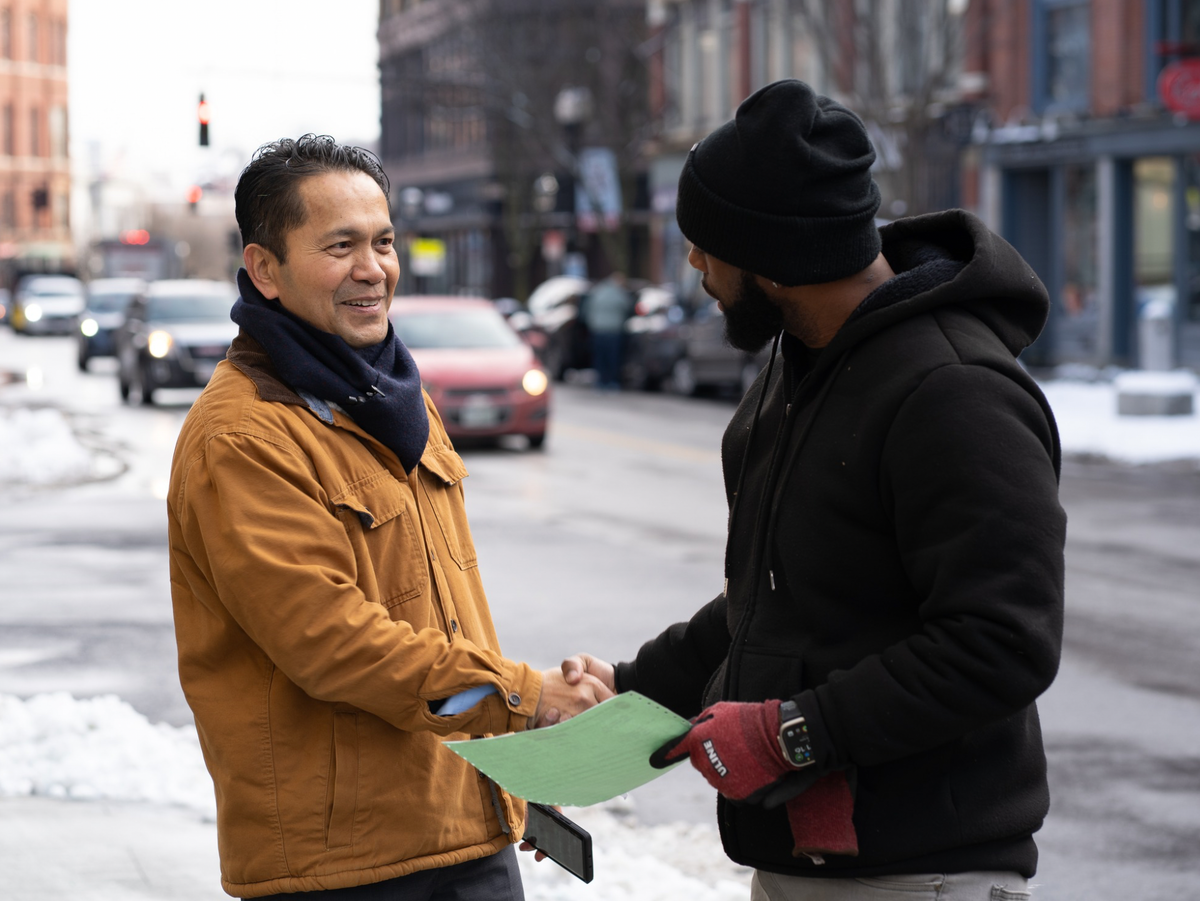
Time and again, we’ve seen activists posing as journalists put their thumb on the scales of the American democratic process. From small online blogs to behemoths like CNN and Fox, media outlets push political agendas to assist one candidate over the other. We’ve seen it at the national level, and it's also happening here in Massachusetts. In the Lowell-area First Middlesex Senate special primary election, voters chose two winners: a Democrat, Vanna Howard, and a Republican, Sam Meas. The same journalist at the same outlet wrote about both candidates. For Ms. Howard, the Democrat, the headline prominently featured her name and declared she would run “unopposed” in the general election. Directly underneath, a large celebratory photograph showed the triumphant Democrat. In the body, the writer highlighted that she was the first Cambodian-American woman elected to the House and could become the first Cambodian-American senator not just in Massachusetts, but in the whole country. In covering Meas — whom I proudly serve as campaign manager — the writer left his name out of the headline and grouped him with “unenrolled candidates still in [the] mix.” The article immediately emphasized that he failed to meet a party registration deadline and listed his past electoral losses from 2010, 2012, and 2018. It conveniently omitted the fact that he is also Cambodian-American and would make history if elected. The outlet did not include a photo. The coverage framed one candidate as inevitable. It cast the other as incidental — accidental even. Unfortunately, this journalistic malpractice extends beyond one outlet. In a recent MassLive article titled “A Lowell-area Senate seat is up for grabs and this Democrat just secured her party’s nomination,” the headline again centered exclusively on the Democrat. The article detailed her primary win and background in depth, reinforcing a narrative of momentum and inevitability. It mentioned the Republican nominee only briefly and did not provide comparable context or profile. These decisions are not random. Whether the writer realizes it or not, those choices are deliberate. They shape public perception of a democratic process and aim to drive voters to support the candidate the writer prefers. When voters repeatedly read that one candidate “faces no opposition,” they treat the race as over. When coverage frames the opposing nominee primarily through past losses and technical ballot issues, voters take away a different message: not viable, not serious, not worth attention. This conduct suppresses turnout, discourages donors, and narrows debate. While no one compares it to breaking into a government building to intimidate voters, it still constitutes a form of election interference. Traditional media outlets routinely claim the role of guardians of truth. They warn about misinformation and demand public trust. They also question why readers withdraw that trust. But journalists cannot command trust if they treat objectivity — the journalistic equivalent of good faith — as optional. If journalism truly informs voters, reporters must give both general election nominees equal contextual treatment. Equal treatment does not require positive coverage. It requires consistent standards. If historic representation matters, journalists should apply that standard consistently. If viability deserves scrutiny, journalists should apply that scrutiny consistently. If a general election features two candidates on the ballot — representing major parties at that — then neither runs “unopposed.” Massachusetts stands as one of the most overwhelmingly one-party states in the country. Competitive elections rarely occur. When media framing reinforces inevitability on one side and marginalizes the other, journalists do more than report the political climate. They entrench it. Journalists should do their job instead of projecting their agenda. Let our candidates compete openly and honestly before the voters. Then write about who they are honestly and neutrally. Anything less amounts to more than journalistic malpractice; it does a disservice to the people of the First Middlesex District. On March 3, when Mr. Meas and Ms. Howard face off, voters will have a real choice to decide what they want for their community and its future. Jason Ross is a Massachusetts political consultant and the campaign manager for Republican state Senate candidate Sam Meas.
|