| | In this edition: South Africa responds to US tariffs, the opportunity in capital scarcity, and a con͏ ͏ ͏ ͏ ͏ ͏ |
| |  Praia Praia | Hargeisa |  Libreville Libreville |
 | Africa |  |
| |
|
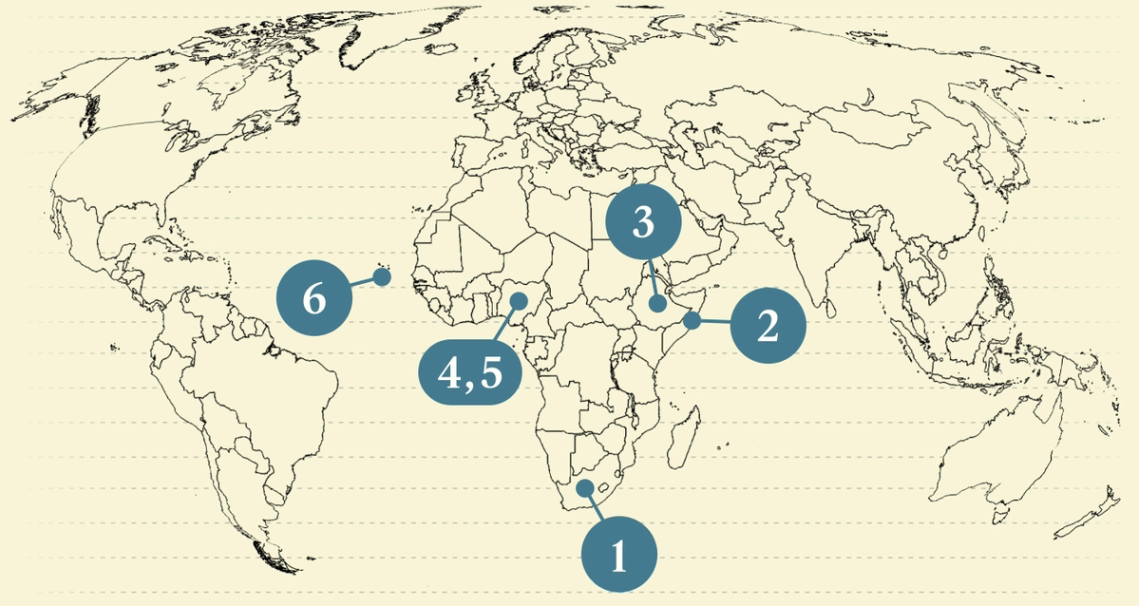 - S. Africa responds to tariffs
- Somalia’s offer to US
- Ethiopia-Eritrea tensions rise
- Dangote Refinery to go public
- Fairmoney plans expansion
- Protecting the high seas
 A new study into a future continental split. |
|
South Africa responds to US tariffs |
| |  | Sam Mkokeli and Yinka Adegoke |
| |
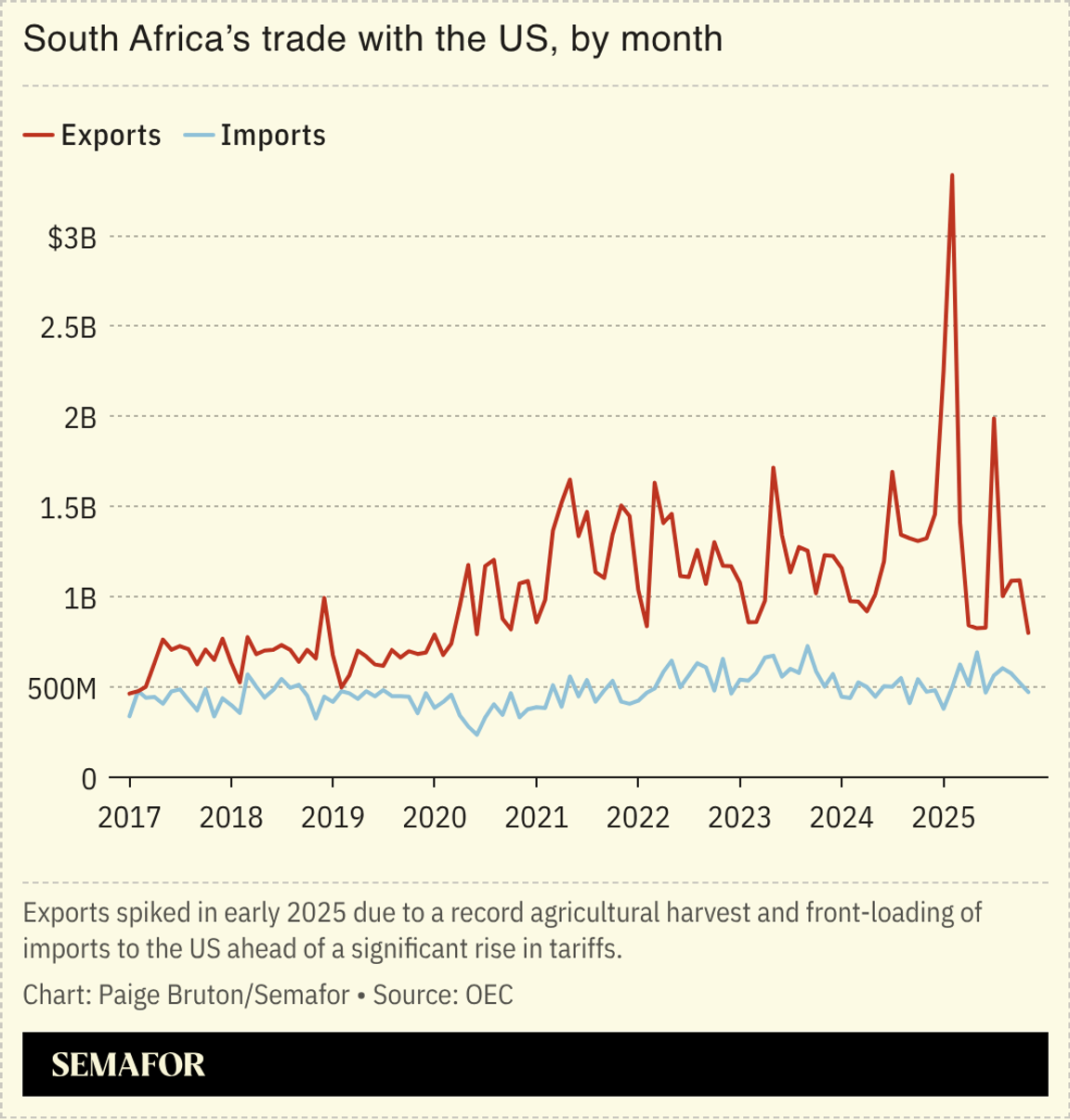 South African business leaders and policymakers are relieved but cautious after the US Supreme Court struck down President Donald Trump’s sweeping trade tariffs, paving the way for a lower blanket levy. The ruling removes an immediate layer of uncertainty for exporters and policymakers. Since August 2025, a 30% US tariff on many South African exports — the highest on the continent — had left companies at a competitive disadvantage relative to other trading partners. The shift to a lower, across-the-board tariff, places South Africa back on roughly equal footing with global peers. Business leaders said, however, that the bigger story was the volatility they were dealing with. “The ruling is a net benefit, without a doubt,” said Donald MacKay, CEO of XA Global Trade Advisors. “But everyone has to diversify from the US. You don’t know what Donald Trump is going to do next.” |
|
 Feisal Omar/Reuters Feisal Omar/ReutersSomalia offered to renew a deal granting the US access to its ports and airports, days after the breakaway region of Somaliland reiterated a similar proposal. Mogadishu emphasized that its offer to Washington “remains the appropriate and lawful channel for any security cooperation.” Somaliland, a self-governing entity since 1991, has been ramping up its diplomatic outreach as it pushes for international recognition: Israel became the first country to recognize it as an independent state in December. As well as opening up its military bases for the US, the breakaway region has offered the Trump administration access to its minerals. The Horn of Africa is an increasingly contested region for global powers due to its proximity to the Red Sea: The US, China, and EU member states operate military bases in the area for different operations including counter-terrorism, trade, and shipping. |
|
Ethiopia, Eritrea risk new war |
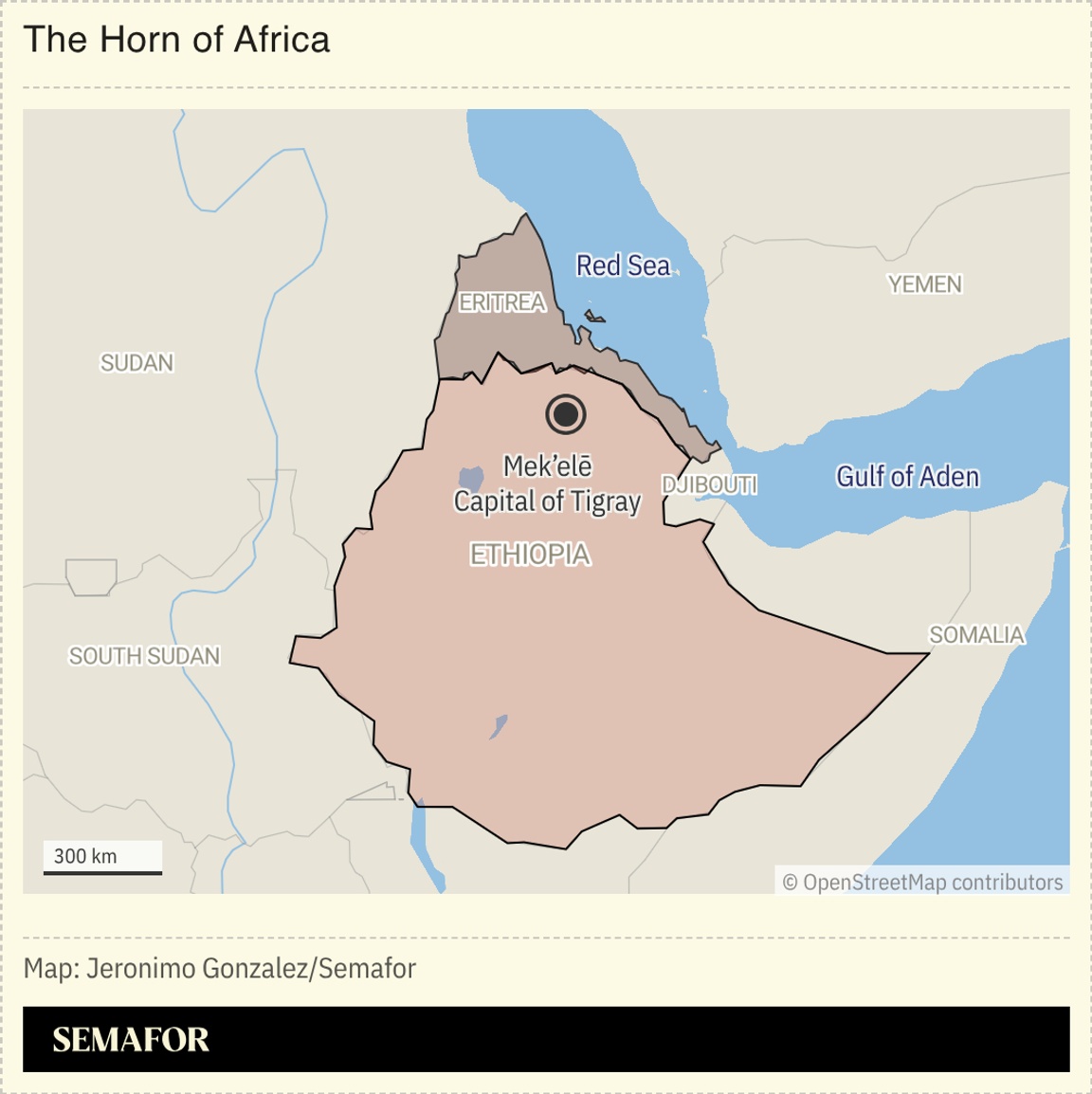 Ethiopia and Eritrea appeared on the verge of war, as longstanding tensions in the Horn of Africa threatened to spill over into full-blown hostilities. Deteriorating relations between Addis Ababa and Asmara have created a “powder keg” in the region, the International Crisis Group warned; Ethiopia accuses Eritrea of arming rebels, while the latter says the former has declared war. The two have long been at odds, with territory at the heart of the dispute. Landlocked Ethiopia — one of Africa’s biggest economies — says it has a historic right to maritime access, which it lost when Eritrea seceded. The threat of war has sent prices in the region soaring, with many hoarding foodstuffs. “The situation is very frightening,” an Ethiopian political analyst told DW. |
|
 Semafor will convene with leaders in Nairobi on Tuesday, March 24 to advance financial inclusion at the intersection of long-term capital, policy, and financial infrastructure. Bringing together investors, policymakers, and financial system leaders, the conversation will move beyond ecosystem-building toward action — mobilizing capital, strengthening infrastructure, and closing persistent access and affordability gaps. Join us as we dive into how coordinated public–private efforts can accelerate inclusive growth across East Africa and other emerging markets. March 24 | Nairobi | Request Invitation |
|
Dangote refinery to go public in Nigeria |
 Sodiq Adelakun/File Photo/Reuters Sodiq Adelakun/File Photo/ReutersThe Lagos-based Dangote Refinery will list its shares locally within the next five months, Chief Executive Aliko Dangote said, portending a huge win for the Nigerian stock market’s ambition to generate interest for local and foreign investors. Africa’s largest crude oil refinery, which has operated for a little over a year, is currently being expanded to double its processing capacity to 1.4 million barrels per day. Dangote, Africa’s wealthiest person, said Nigerians will be able to buy shares currently held by the country’s state oil company NNPC in around “four to five months.” NNPC was an early investor in the refinery during its construction. Nigeria’s stock market is one of a number of bourses in Africa that have performed strongly in the past year, riding the wave of a weakened dollar to post strong gains. The exchange topped a valuation of $84 billion this month, surpassing its January 2024 capitalization by nearly 60%, according to Bloomberg. — Alexander Onukwue |
|
Nigeria’s Fairmoney evolves |
 Godong/Universal Images Group via Getty Images Godong/Universal Images Group via Getty ImagesNigerian fintech startup Fairmoney is looking to expand its lending operation to include the financing of smartphones and vehicles, beginning with motorcycles, an executive told Semafor. It is the latest mark of a growth push among African fintechs to broaden services and capture a larger share of customers’ business. Fairmoney plays in an increasingly competitive digital lending scene in Nigeria where startups offer quick cash loans to individuals who typically struggle to secure credit from traditional commercial banks. The startup had relied on venture capital for its operations, having raised $57 million since its founding in 2017 from investors that include US giant Tiger Global. But Fairmoney is “now a primarily deposit-funded bank” that looks “more like your normal bank where a lot of the loan book and operations are funded from deposits,” Henry Obiekea, managing director for Nigeria, told Semafor. Fairmoney extended loans worth 150 billion naira ($111 million) last year, a double digit percentage rise over 2024, according to Obiekea. — Alexander |
|
Africa’s marine protection proposal |
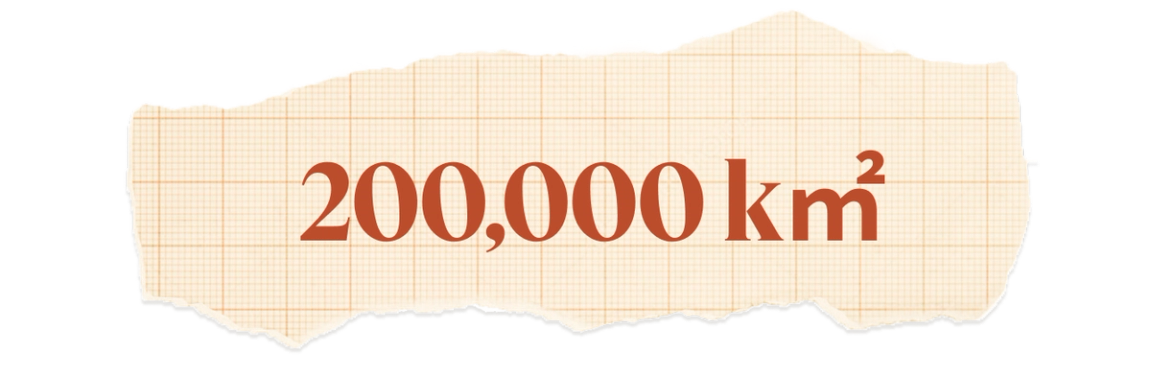 The size of an ecosystem in the Atlantic Ocean proposed as a marine protected area by West Africa’s regional bloc, Ecowas. The world’s high seas — international waters beyond any country’s control — have long been exposed to overfishing, shipping, and plastic pollution. After nearly two decades of negotiations, the first-ever legally binding High Seas Treaty took effect last month in a move to protect marine life. The waters off the coast of West Africa stretch from Cabo Verde and Senegal in the north to Nigeria and São Tomé and Príncipe in the south. Ecowas’ proposal could help to restrict industrial fishing and deep-sea mining exploration in the region, environmental journalism platform Dialogue Earth reported. “It would also assert African sovereignty over waters traditionally heavily influenced by external powers,” wrote Mustapha Manneh. |
|
 Business & Macro
|
|
|