| | Nations and CEOs puzzle over a response to the US tariff chaos, the killing of a cartel boss sparks ͏ ͏ ͏ ͏ ͏ ͏ |
| |  Brasília Brasília |  Mexico City Mexico City | Addis Ababa |
 | Flagship |  |
| |
|
The World Today | 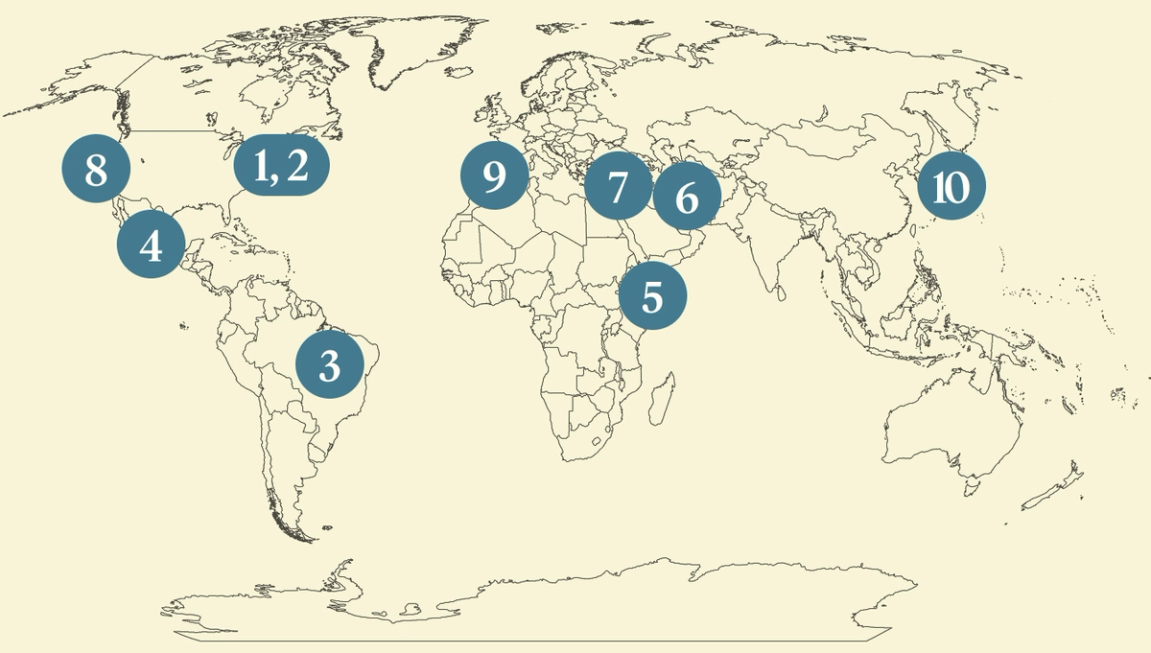 - Tariff ruling upheaval
- CEOs weigh tariff response
- Brazil seeks trade allies
- Mexico cartel violence
- Ethiopia, Eritrea near war
- Trump mulls Iran strikes
- Undiplomatic US diplomats
- Universal vaccine hopes
- Robot vacuum data breach
- Japan’s queue jumpers
 A ‘fascinating and immersive look’ at one of Britain’s best-known animated exports. |
|
Winners, losers of US tariff ruling |
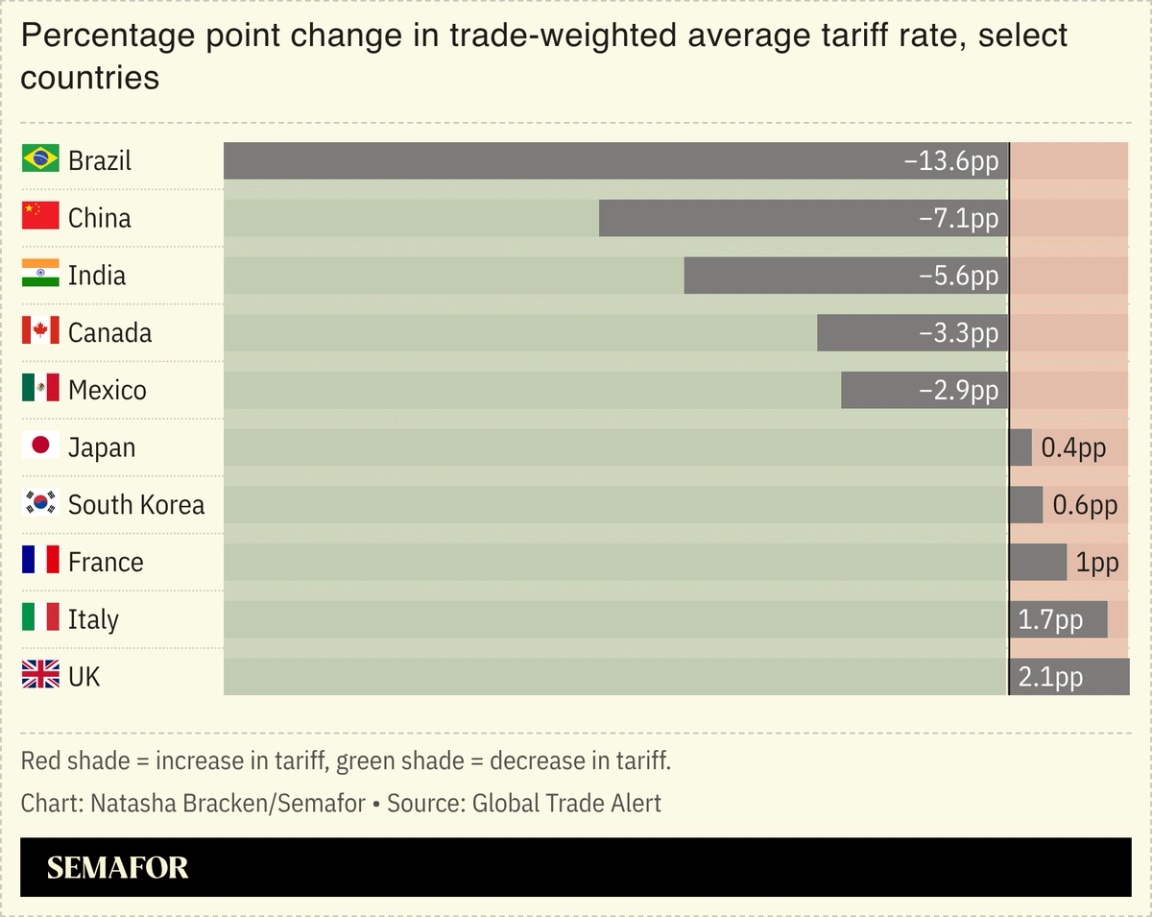 The US Supreme Court ruling canceling President Donald Trump’s “Liberation Day” tariffs has thrown trade deals into doubt and heaped uncertainty on global business, analysts said. Countries that have goods trade surpluses with the US — Southeast Asian economies, for example — and those that faced significant duties, such as Brazil and India, were cast as winners; Australia and Britain, which negotiated reduced levies, are likely worse off. Questions remained, especially regarding major American trading partners, though. The EU, which was finalizing a US deal, reacted with alarm at the upheaval: A top lawmaker lamented the “pure tariff chaos,” while trade with China will be an issue during Trump’s April visit to Beijing. |
|
CEOs weigh US tariff response |
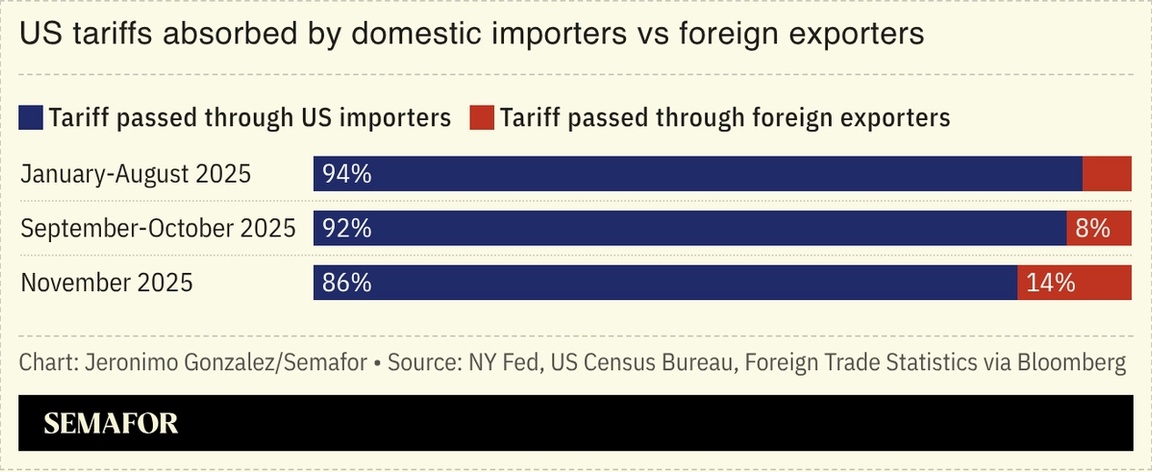 Global CEOs faced a difficult choice following the court ruling canceling US President Donald Trump’s tariffs — whether to push for refunds on the duties, or avoid his wrath. Major trade groups immediately called for companies to be handed back money as a result of last week’s Supreme Court decision, a figure that could amount to billions of dollars and which Trump himself has said could be tied up in litigation for years. Justices gave no guidance on whether refunds should be issued. Several company bosses are taking time to digest the ruling’s full implications, many gaming out what Trump’s response might be: The president has already announced a blanket 15% global tariff under a different law. |
|
Brazil seeks new trade allies |
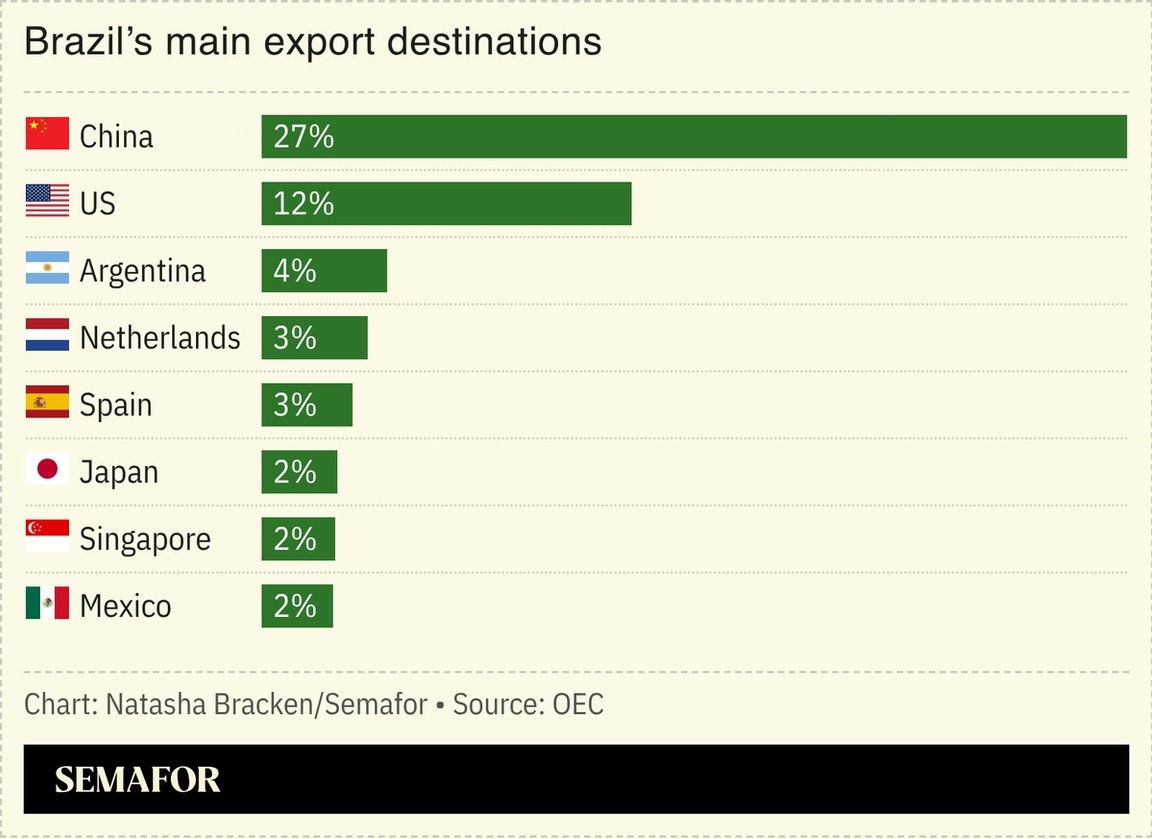 Brazilian President Luiz Inácio Lula da Silva accelerated his global diplomatic push, forging new trade agreements amid global upheaval. Brasília and Delhi agreed to a mining pact following Lula’s visit to India last week, with both nations vowing to play a bigger role in rare earths production, an industry currently dominated by China. South Korea’s president, meanwhile, hailed a “new leap” in ties with Brazil following a meeting with Lula in Seoul. Both leaders agreed to closer trade links, including in minerals too. Brazil has been hit by some of Washington’s steepest tariffs, and even if those could be reduced after the US Supreme Court tariff ruling, Brasília is keen to ease its reliance on the world’s biggest economy. |
|
Mexico cartel death sparks violence |
 Gilberto Gallo/Reuters Gilberto Gallo/ReutersMexican authorities killed the leader of the country’s most powerful cartel, responsible for exporting a large share of US-bound fentanyl. The death of Nemesio Oseguera Cervantes, known as “El Mencho,” sparked violence in almost two-thirds of Mexico’s states, underscoring the widespread power of his Jalisco New Generation Cartel. Mexican President Claudia Sheinbaum will be hoping his killing will alleviate pressure from Washington, which has threatened further tariffs if her government does not crack down on drug flows that kill tens of thousands of Americans each year. Still, some experts in Mexico fear the cartel’s power will remain unchallenged: When previous kingpins have been caught or killed, drug production rarely dropped. |
|
Ethiopia, Eritrea risk new war |
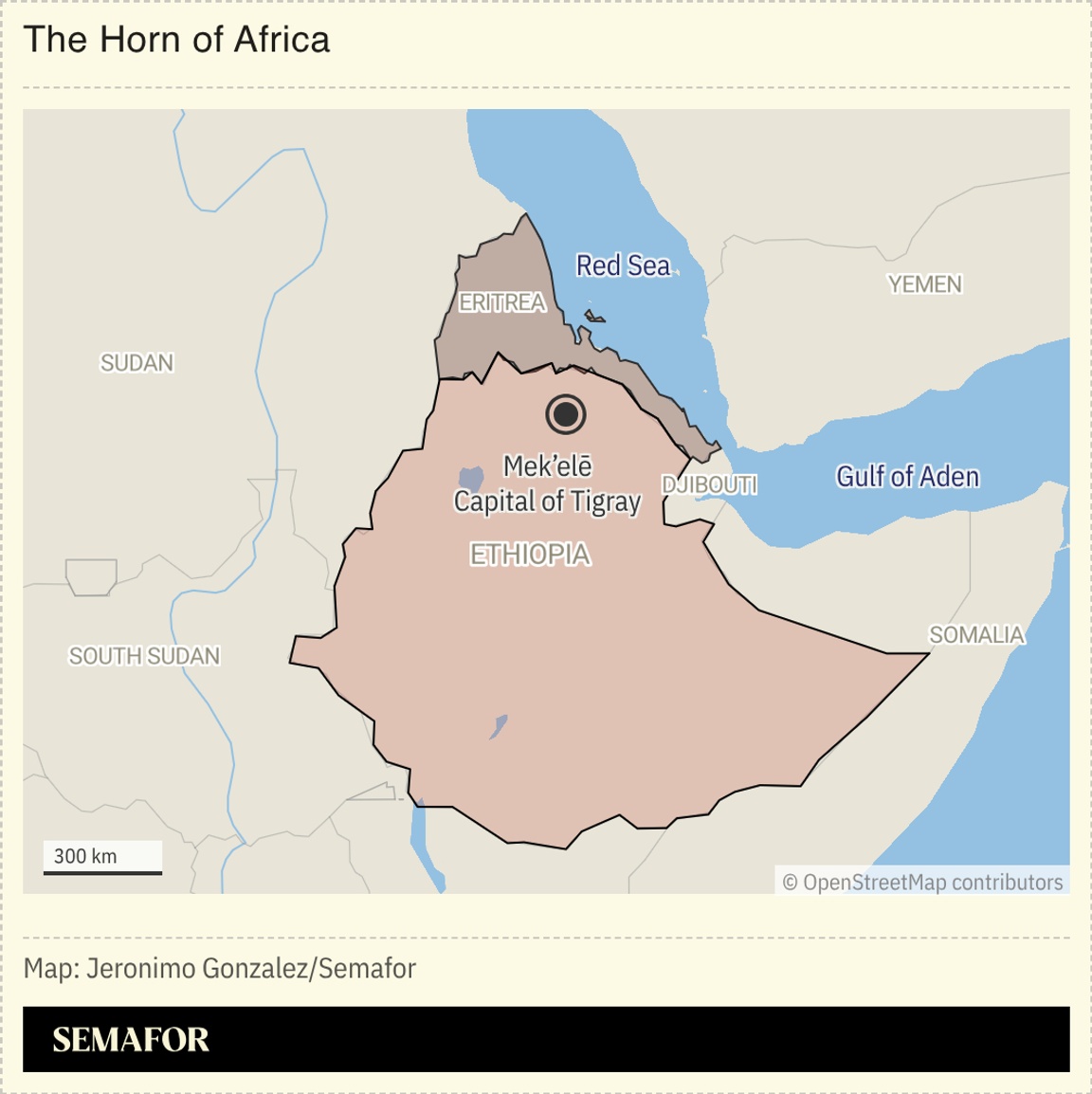 Ethiopia and Eritrea appeared on the verge of war again, just three years after their last catastrophic conflict. Tensions between Addis Ababa and Asmara have created a “powder keg” in the Horn of Africa, the International Crisis Group warned; Ethiopia accuses Eritrea of arming rebels, while the latter says the former has declared war. The two have long been at odds, with territory at the heart of the dispute. Landlocked Ethiopia — one of Africa’s biggest economies — says it has a historic right to maritime access, which it lost when Eritrea seceded. The threat of war has sent prices in the region soaring, with many hoarding foodstuffs. “The situation is very frightening,” an Ethiopian political analyst told DW. |
|
Iran readies for US conflict |
 US Navy/Mass Communication Specialist Seaman Daniel Kimmelman/Handout via Reuters US Navy/Mass Communication Specialist Seaman Daniel Kimmelman/Handout via ReutersUS President Donald Trump is weighing a strike on Iran, as the country was roiled by fresh anti-government protests. Negotiators will meet again on Thursday to discuss Tehran’s nuclear program, with Trump reportedly telling advisers that if the regime does not end its atomic ambitions, he will order a targeted strike followed by a much larger attack aimed at toppling the leadership. Trump’s senior aides have advised him to give diplomacy a chance first, Axios reported. Meanwhile, students at several Iranian universities staged protests, the first major rallies since January’s crackdown that left thousands dead. Iran is bracing for conflict with the US, and scrambling to rebuild tattered defenses: It has reportedly agreed to buy Russian shoulder-mounted anti-air missile systems. |
|
Undiplomatic US diplomats |
 The US ambassador to Israel outraged Islamic countries by saying Israel annexing much of the Middle East would be “fine.” Mike Huckabee said that Israel had a Biblical right to parts of Iraq, Jordan, Lebanon, and Syria, sparking Arab and Muslim governments to decry his comments as “dangerous and inflammatory.” Washington said the remarks were taken out of context, but they are just one example of its diplomats not being very diplomatic: The new US envoy to South Africa is a former opponent of anti-apartheid activists who has pushed unsubstantiated claims of white genocide in the country, while Paris took exception to the US ambassador’s comments about the recent killing of a hard-right activist. |
|
 Get the world in your inbox with the Daily News Brief. The Council on Foreign Relations curates global news with expert-informed analysis in this free newsletter, in your inbox every weekday. For more than a century, CFR has guided leaders and citizens alike through moments of profound change. Subscribe today to understand the choices and challenges shaping our world. |
|
Cautious hopes for universal vaccine |
 Henry Romero/Reuters Henry Romero/ReutersEarly research raised hopes for a vaccine that would protect against all respiratory pathogens simultaneously, rather than just a single disease such as influenza. Traditional vaccines prime the immune system for specific targets, such as a protein on a virus. The new system, delivered via nasal spray, boosts the system’s communication signals, putting it on a higher alert. In mice, the spray reduced infection rates from viruses including flu and SARS-CoV-2, as well as common bacteria such as Staphylococcus aureus, for about three months. Vaccinologists were cautiously excited, although there remain reasons to be skeptical: Mice’s bodies are apparently somewhat different from humans’, and keeping the immune system on permanently high alert could have downsides. |
|
Vacuum hack reveals safety loopholes |
 Annegret Hilse/Reuters Annegret Hilse/ReutersA Spain-based hobbyist’s effort to rewire his robot vacuum allowed him to access live video from 7,000 homes worldwide. The software engineer wanted to steer his Chinese-made DJI Romo with a video game controller, so used an AI tool to hack it, unintentionally gaining access to thousands of robots, he showed The Verge. DJI has reportedly fixed the problem, but the incident reveals again that web-connected devices could create “an army of internet-connected robots” to use as surveillance tools, Popular Science said. Our data is often vulnerable via unglamorous routes: A hack of a mailroom-services company in Texas may have led to the largest data breach in US history last week, Fox News reported. |
|
|


