A newsletter by Reuters and Westlaw |
|
|
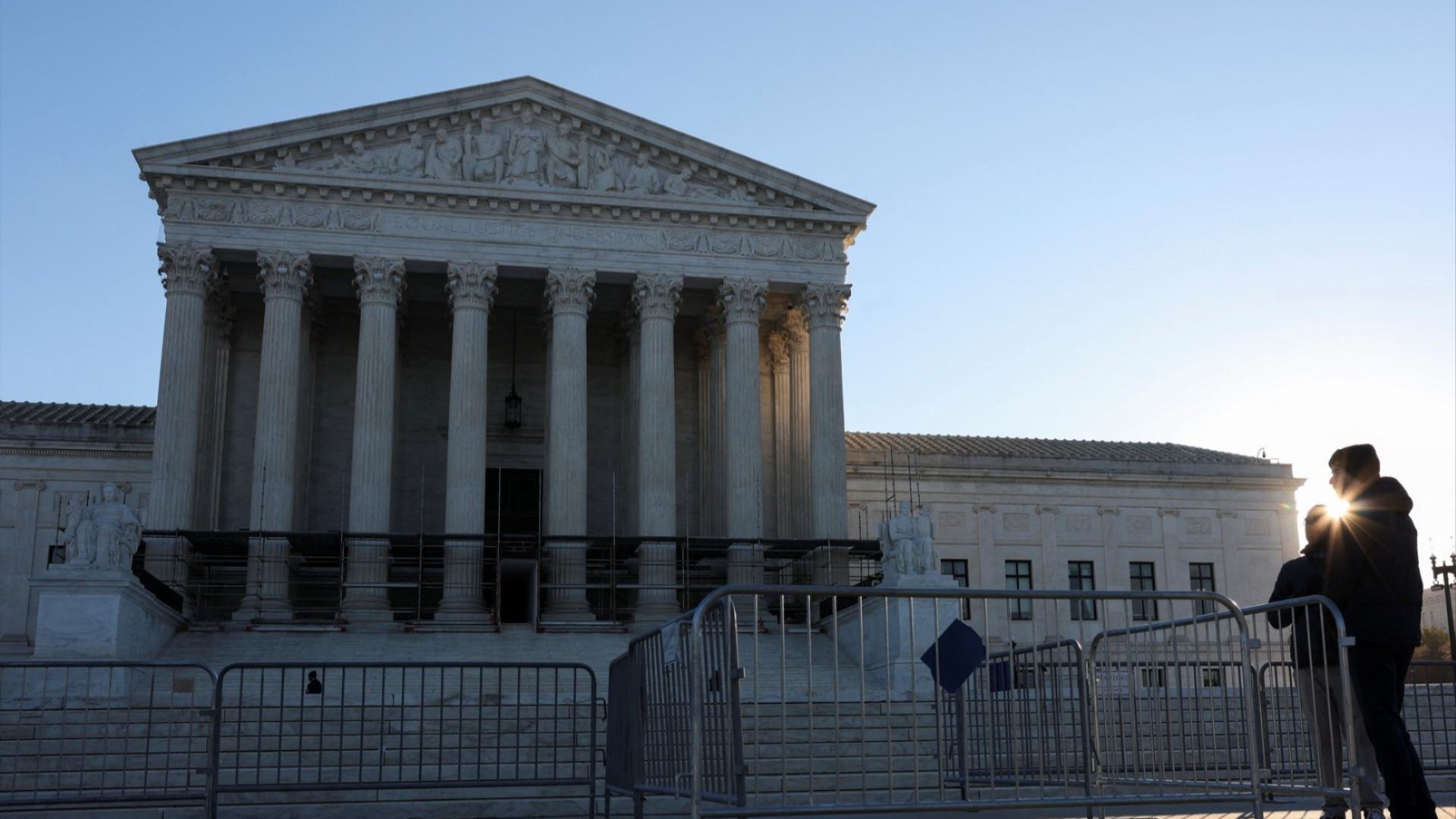
The U.S. Supreme Court is getting a tech upgrade. The court adopted new software to assist in identifying whether a case poses a potential conflict of interest for the justices. Here’s what to know: |
-
The Court’s IT team built software that scans parties and lawyers in each case against information supplied by the justices—essentially an automated double‑check on conflicts.
- It’s the latest step since the Court adopted its first ethics code in 2023, though critics note the justices still continue to police their own recusals.
-
Starting March 16, lawyers will have to provide beefier disclosures, including fuller party lists and any relevant stock tickers, to feed the new system.
- Read more here.
|
|
|
Court calendars are subject to last-minute docket changes. |
|
|
-
U.S. law firm Lehotsky Keller Cohn sued a special committee of cryptocurrency miner Rhodium Enterprises’s board and an investor group, accusing them of interfering with an $11 million legal fee and waging an “assault” on the firm’s reputation amid Rhodium’s bankruptcy.
-
Uber is owed attorney fees after a plaintiffs lawyer used and shared confidential corporate information he obtained in litigation in other lawsuits against the rideshare giant, U.S. Magistrate Judge Lisa Cisneros in San Francisco ruled.
|
|
|
That’s how much Bayer’s Monsanto unit has proposed to pay to establish a long-term claims program in a class settlement aimed at resolving current and future claims that its Roundup weedkiller caused cancer. The proposed settlement covers the bulk of the lawsuits, but will need a judge's approval. Read more here. |
|
|
John Bandler, an adjunct professor at Elisabeth Haub School of Law at Pace University, examines how to maintain and improve your firm’s cybersecurity program. |
|
|
|