What matters in U.S. and global markets today

Global news you can trust.

Download the Reuters App.


Morning Bid U.S.

Morning Bid U.S.

A Reuters Open Interest newsletter

What matters in U.S. and global markets today


By Mike Dolan, Editor-at-Large for Finance and Markets

By the standards of the year so far, the market-moving news flow has slowed to a trickle, with world markets subdued as Wall Street returns from its three-day weekend.

Meantime, geopolitical attention shifts to Geneva today as the U.S. and Iran continue nuclear talks.

I’ll get into that and more below.

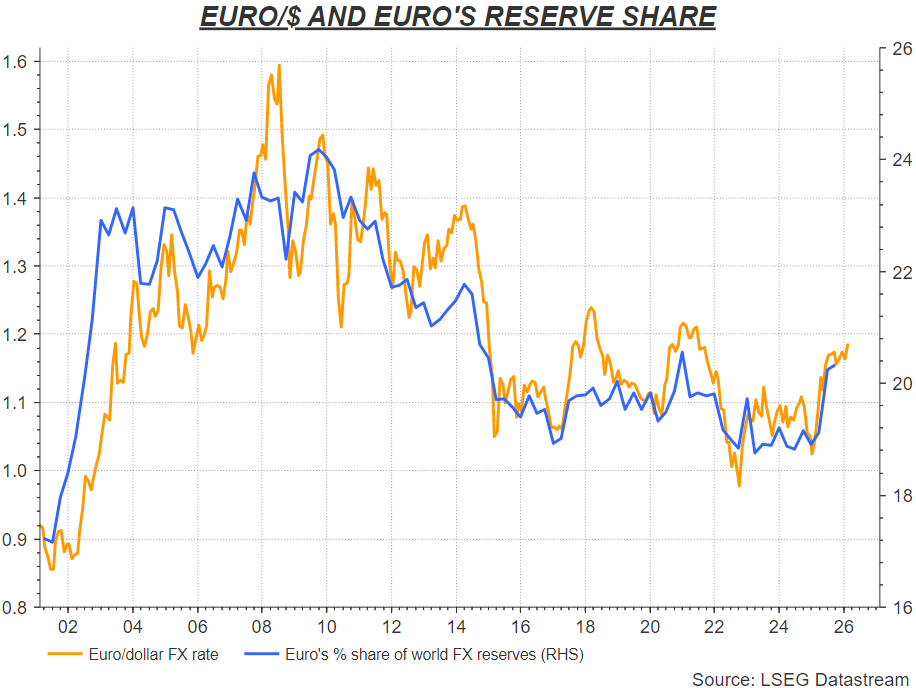
But first, check out my latest column on the trade-offs of a 'global euro' for European policymakers.

And listen to the latest episode of the Morning Bid daily podcast. Subscribe to hear Reuters journalists discuss the biggest news in markets and finance seven days a week.


Data refreshes every time you open this email. For more U.S. market news, click here. Please send any feedback to morningbid@thomsonreuters.com.


Today's Market Minute

  • The U.S. and Iran will hold indirect talks in Geneva on Tuesday aimed at resolving their long-running nuclear dispute, with little clear indication of compromise as Washington masses a battle force in the region.
  • The world's most valuable tech stocks have suffered sharp declines in market value in 2026 after years of outsized gains, as investors question whether heavy spending on AI will generate sufficient returns.
  • Australia's central bank concluded inflation would stay stubbornly high if it had not hiked interest rates as it did this month, and was not yet sure if further tightening would be necessary.
  • Russian oil producers could be forced to cut output as tightening pressure from U.S. President Donald Trump and European powers restricts the country’s exports, writes ROI Energy Columnist Ron Bousso.
  • The world hasn't run out of copper, despite the many warnings of imminent shortfall that have accompanied its rally to all-time highs, writes ROI Metals Columnist Andy Home.
 

Sleepy 'uber-bulls'

As U.S. markets reopen on Tuesday, stock futures were slightly in the red ahead of the bell, with traders perhaps still wary of the wild AI-related swings in various parts of the tech sector last week.

Despite that, the broader mood remains upbeat. Bank of America’s monthly global fund manager survey for February continues to suggest investor sentiment is “uber-bullish” on the economy and earnings for the year - albeit with red flags still flying about possible overspending on AI infrastructure.

Elsewhere, global stocks were steady. In Asia, the mood was muted in holiday-thinned trading, with Japan's Nikkei slipping after yesterday's lower-than-expected GDP print. Those figures showed the Japanese economy grew at an annualised 0.2% in the fourth quarter, well below a forecast 1.6% gain.

That weighed on the yen on Monday, with the currency easing 0.4% against the dollar after last week’s almost 3% rise, before reversing its losses on Tuesday.

The U.S. calendar for Tuesday is thin, with the New York Fed's manufacturing survey and NAHB Housing Index the main data releases. U.S. Treasuries are still basking in the glow of the relatively benign headline CPI inflation readout from Friday.

Later in the week, investors may get some further clues on the Fed's policy path from Wednesday's FOMC minutes and Friday's Q4 GDP figures, while inflation figures from Canada, the UK and Japan will help flesh out the global picture.

In the UK, another rise in unemployment to 5.2% - the highest level in over ten years, not including the pandemic - has excited speculation of another Bank of England interest rate cut next month. Money markets are pricing in an 80% chance of a further move.

The pound fell back against the euro and dollar, while the FTSE 100 pushed higher. Two-year gilt yields fell to 18-month lows.

Amid the general quiet on Tuesday, geopolitics rumbled in the background as U.S.-Iran nuclear negotiations resumed. Oil and gold prices ticked down slightly as the talks got underway in Geneva. President Trump said on Monday he believes Iran wants to make a deal.


'Global euro' may have to come with some FX lift

As American and European policymakers know well, global currency dominance and exchange rate movement are different things. But there's a decent argument that Europe's push to widen euro usage necessarily involves some revaluation of the single currency.

As Transatlantic ties fray and European Commission President Ursula von der Leyen warned of lines that "cannot be uncrossed" after President Donald Trump's bid for the U.S. to acquire Greenland, European Union leaders and finance chiefs this past week have launched another push to bolster the bloc's economic clout and reposition its defense.

With the Munich Security Conference as the backdrop, an informal EU summit last week brought renewed impetus to deepen European capital markets integration. Leaders also discussed possibly expanding joint euro debt sales and - led by the European Central Bank on Saturday - widening euro access, liquidity and financing worldwide.

Some of this has been on the table before. But the urgency for action is now evident in a willingness for a two-speed advance with six core countries - Germany, France, Italy, Spain, the Netherlands and Poland - in the vanguard if agreement among the 27 is too cumbersome or slow. An EU6 summit is due early next month.


Graphics are produced by Reuters.

Read the full column