While Spain and Portugal experience multiple storms.

Audio Articles now available!

Download the Reuters App.


Sustainable Switch

Sustainable Switch

Climate Focus

By Sharon Kimathi, Energy and ESG Editor, Reuters Digital

Hello!

Our attention is turning to the Southern Hemisphere in today’s newsletter as countries from Argentina to Australia to South Africa have been experiencing record heat and raging wildfires.

While a lot of us in the Northern Hemisphere have been experiencing cold spells, heavy snow and rainfall, those of us in the South have been battling droughts and facing record heat.

Scientists are predicting that even more extreme temperatures could lie ahead – and possibly another global annual high – after three of the hottest years on record.

In January, a record-setting heat dome enveloped Australia, sending temperatures near 50 degrees C (122 degrees F) while heat and catastrophic wildfires gripped parts of South America, setting remote parts of Argentina's Patagonia ablaze and killing 21 people in coastal towns in Chile.

In fact, a lot of the ‘Climate Buzz’ stories take place in Africa where people in my birth nation, Kenya, are facing a severe drought. The crisis has also hit countries in the Horn of Africa, with Somalia declaring a national drought emergency in November after recurrent seasons of poor rainfall.

But the drought is not just limited to East Africa as farmers in South Africa's most visited and affluent province, Western Cape, are facing one of the worst droughts in living memory.

Additionally, South Africa has been experiencing its worst wildfires in years.

There’s also a strong Tropical Cyclone that tore through Madagascar this week. The National Office for the Management of Risks and Crises, better known as the BNGRC, had warned earlier that rising sea levels in Toamasina were already flooding streets.

Further afield in Morocco, the North African country has been experiencing weeks of torrential rain and releases from overflowing dams have inundated villages, farmland and the city of Ksar El Kebir in the northwest region.

Meanwhile over in the global north, Spain and Portugal have been battling a series of storms. Keep scrolling for more on the latest downpour in the Iberian Peninsula.


Climate Buzz

1. Drought spreads beyond Kenya's arid north, plunging herders into crisis

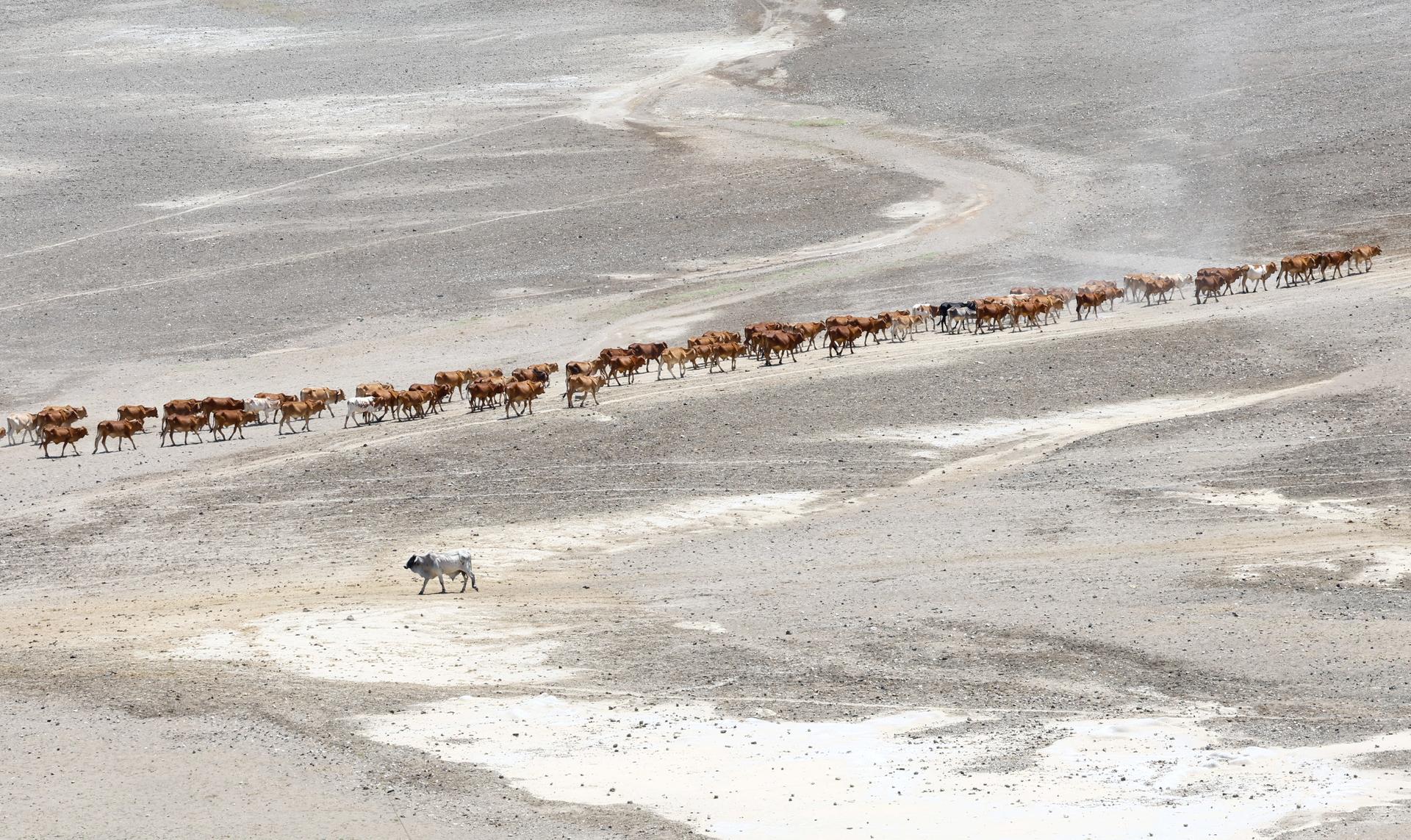
Although Kenya has faced a drought before – most recently in 2022 when it affected the nation’s arid north and northeast regions – this time, it has spread across areas that have not historically been deeply affected by drought such as Kajiado county, which borders the capital Nairobi.

This week, the Kenya Meteorological Department released its forecast for the March-May monsoon, with Kajiado expected to receive near-average to below-average rainfall. Click here for the full Reuters report.


Cattle from Maasai pastoralist affected by the worsening drought due to the failed rainy season, walk in a dried river bed near Magadi. Kajiado, Kenya. REUTERS/Thomas Mukoya

2. Cyclone Gezani tears through Madagascar, killing at least 31

Fierce winds left a trail of destruction in Madagascar as Tropical Cyclone Gezani hit the island, killing at least 31 people with another four missing, the country's disaster management office said. Gezani also left at least 36 people seriously injured. More than 2,740 residents were evacuated as a precaution after the cyclone struck coastal communities before moving inland.

3. Spain and Portugal on high alert as storms cause more damage

Swathes of Spain and Portugal were on high alert this week as heavy rain and strong winds battered the Iberian Peninsula, felling trees, disrupting transport and forcing the closure of schools in some areas.

Prime Minister Luis Montenegro told reporters earlier that authorities were "at the limit of our capacity to contain these waters". This comes as the Portuguese Interior Minister Maria Lucia Amaral resigned amid criticism from opposition parties and local communities over what they describe as the authorities' slow and failed response to devastating Storm Kristin two weeks ago.

4. South African president pledges focus on crime and water crises

Water shortages have taken the political spotlight in South Africa’s elections as President Cyril Ramaphosa announced that his administration would pursue criminal charges against municipal officials who fail to deliver water to communities. "Water outages are a symptom of a local government system that is not working," he said of the worsening water crisis that is the result of a drying climate and failures to maintain water pipes.

5. Winter Olympics special report: From island to ice

Click here to find out more about how every curling stone that slides across the ice at the Winter Olympics in Italy traces its origin back to this windswept island off the west coast of Scotland, a place so protected that access is limited to short windows in winter under ecological supervision. 


What to Watch

 
Play 
 

Gaza is facing a waste crisis as the United Nations Development Programme began clearing a huge wartime garbage dump this week that has swallowed one of Gaza City’s oldest commercial districts, causing environmental and health risks. Click here for the full Reuters report and video.


Climate Commentary

  • Clyde Russell, Asia Commodities and Energy Columnist at Reuters, writes about the “new scramble for Africa” and how this time it’s different to the colonial-era two centuries ago as the continent now has choices. What do you think? Click here to find out more.
    • Clean energy has multiple benefits including the fact that an army can seize an oil field and load barrels onto tankers, but it cannot capture the wind or blockade the sun, writes Bruce Douglas, CEO of the Global Renewables Alliance and a global clean energy leader for the Ethical Corp Magazine.
  • Growing power demand for oil and gas operations and tech manufacturing are creating openings for U.S. power plant developers alongside the data center boom, writes energy reporter Neil Ford at Reuters Events.
 

Climate Lens


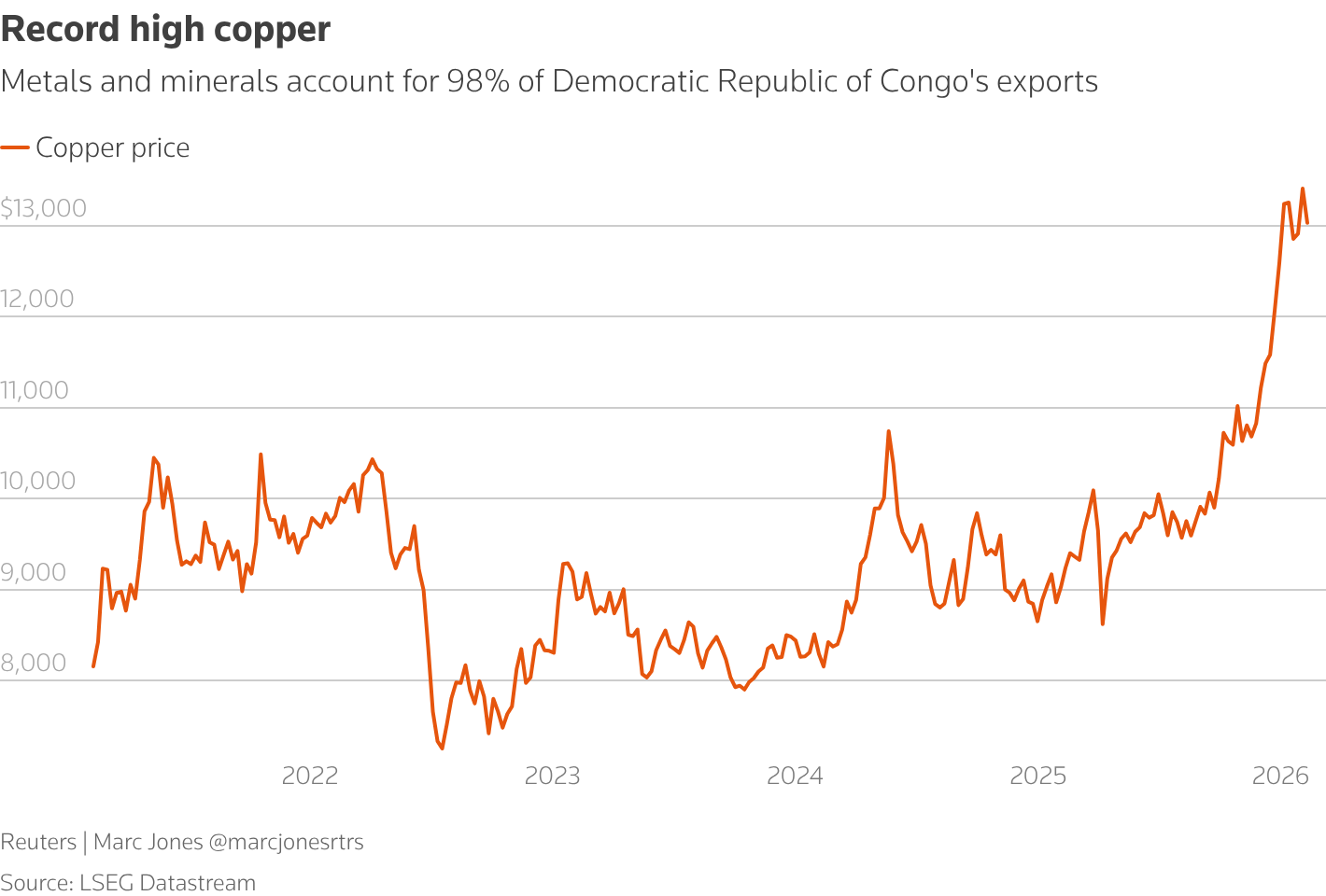
Mineral-rich Congo, which remains blighted by internal conflict with rebel forces, is the latest African country looking to capitalize on surging demand for smaller and riskier emerging economies' debt.

Likunde said proceeds of the bond would be used to finance a number of large-scale projects, including modernising the international N'djili airport and roads in the capital Kinshasa, as well as hydropower plants and rural infrastructure. Click here for the full story.


Number of the Week