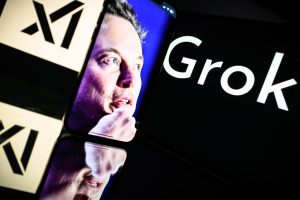
Six of xAI's original 12 founding members are now gone, as Musk pushes to improve speed of execution.
 ͏  ͏  ͏  ͏  ͏  ͏  ͏  ͏  ͏  ͏  ͏  ͏  ͏  ͏  ͏  ͏  ͏  ͏  ͏  ͏  ͏  ͏  ͏  ͏  ͏  ͏  ͏  ͏  ͏  ͏  ͏  ͏  ͏  ͏  ͏  ͏  ͏  ͏  ͏  ͏  ͏  ͏  ͏  ͏  ͏  ͏  ͏  ͏  ͏  ͏  ͏  ͏  ͏  ͏  ͏  ͏  ͏  ͏  ͏  ͏  ͏  ͏  ͏  ͏  ͏  ͏  ͏  ͏  ͏  ͏  ͏  ͏  ͏  ͏  ͏  ͏  ͏  ͏  ͏  ͏  ͏  ͏  ͏  ͏  ͏  ͏  ͏  ͏  ͏  ͏  ͏  ͏  ͏  ͏  ͏  ͏  ͏  ͏  ͏  ͏  ͏  ͏  ͏  ͏  ͏  ͏  ͏  ͏  ͏  ͏  ͏  ͏  ͏  ͏  ͏  ͏  ͏  ͏  ͏  ͏  ͏  ͏  ͏  ͏  ͏  ͏  ͏  ͏  ͏  ͏  ͏  ͏  ͏  ͏  ͏  ͏  ͏  ͏ ­ ­ ­ ­ ­ ­ ­ ­ ­ ­ ­ ­ ­ ­ ­ ­ ­ ­ ­ ­ ­ ­ ­ ­ ­ ­ ­ ­ ­ ­ ­ ­ ­ ­ ­ ­ ­ ­ ­ ­ ­ ­ ­ ­ ­ ­ ­ ­ ­ ­ ­ ­ ­ ­ ­ ­ ­ ­ ­ ­ ­ ­ ­ ­ ­ ­ ­ ­ ­ ­ ­ ­ ­ ­ ­ ­ ­ ­ ­ ­ ­ ­ ­ ­ ­ ­ ­ ­ ­ ­ ­ ­ ­ ­ ­ ­ ­ ­ ­ ­ ­ ­ ­ ­ ­ ­ ­ ­ ­ ­ ­ ­ ­ ­ ­ ­ ­ ­ ­ ­ ­ ­ ­ ­ ­ ­ ­ ­ ­ ­ ­ ­ ­ ­ ­ ­ ­ ­  
Thursday, February 12, 2026
Elon Musk reorgs xAI amid talent X-odus


Good morning. Despite living in America’s tech capital of San Francisco, I have yet to encounter anyone wearing Meta’s Ray-Ban AI smart glasses. This seems especially weird in light of Wednesday’s news that EssilorLuxottica, the Ray-Ban parent company that makes the Meta smart glasses, sold more than 7 million pairs of them in 2025.

Compared to the 1.25 billion smartphones that shipped last year, seven million is small potatoes. But for a new(ish) technology in a form factor with plenty of doubters, seven million people is not too bad.

Google Glass (remember that) never sold anywhere close to seven million units, yet one would see folks wearing them—and lampooned—often enough in San Francisco. Meta’s Ray-Ban glasses are less conspicuous, of course. That means less backlash, which is good. But it also means the product is less visible and its success less immediately evident.

Today’s tech news below.

Alexei Oreskovic
@lexnfx
alexei.oreskovic@fortune.com

Want to send thoughts or suggestions to Fortune Tech? Drop a line here.

Musk reorgs xAI after X-odus


Elon Musk is reorganizing xAI, the AI startup that he recently merged with SpaceX and which has suffered a talent exodus in recent weeks.

Musk told staff Wednesday that xAI will be organized into four core groups: the Grok chatbot and voice tech, the Imagine video product, Coding, and the agentic MacroHard business (a Muskian play on the name Microsoft), Bloomberg reported.

In a post on X, Musk said the reorg was made to "improve speed of execution," and said "this unfortunately required parting ways with some people."

Jimmy Ba, a cofounder who had led research and safety teams, announced his departure on Tuesday, just one day after fellow cofounder Tony Wu announced he was leaving. Six of the original 12 founding members are now gone, with five of the exits occurring within the past year alone. High turnover in the AI industry has not been unusual in recent months—with researchers often jumping ship to rival labs or leaving to start their own ventures—but the scale of the exits at xAI is unusual.

Notably, the departures come around the time Musk has merged xAI with SpaceX, with plans to take the combined entity public as early as June. If they continue, the wave of exits could complicate those plans and spook potential investors.

The exact reasons for the departures are unclear, but internal tensions have reportedly surfaced over the pace of product development amid intense competition from OpenAI and Anthropic. The company has also weathered controversies concerning its Grok chatbot, which came under scrutiny after X was flooded with AI-generated non-consensual imagery.—Beatrice Nolan

More Siri snags at Apple

In June 2024, Apple said that a new AI-capable Siri was on the way. It's now 2026 and we're still waiting. And the wait may be getting even longer. 

The company is considering delaying its plans to release the new Siri in March due to a seemingly never ending stream of technical problems, Bloomberg reports. The problems include slow processing times for some requests, accuracy issues, and a bug that cuts off users who speak too quickly. Apple recently announced it would incorporate Google's Gemini AI technology for future versions of Siri, though the version being tested still inadvertently reverts to OpenAI technology (which Apple previously had a partnership with), according to Bloomberg. 

The upshot is that Apple may be forced to release new Siri features piecemeal over the coming year, with bits of Siri sprinkled in the release of iOS 26.5 this May and other bits in iOS 27 in September. —AO