Policy changes, but facts endure. AP delivers accurate, fact-based journalism to keep the world informed in every administration. Support independent reporting today. Donate. |
|
|
By Holly Meyer and David Crary |
| |
|
By Holly Meyer and David Crary |
| |
|
Hello, World of Faith readers.
This week, the news takes us to Bangladesh where the country’s Hindu minority fear rising violence. At the Vatican, the pope is faced with what to do after a breakaway traditionalist group with plans to consecrate bishops without his permission. In the U.S., the ranks of rabbis are becoming more diverse. |
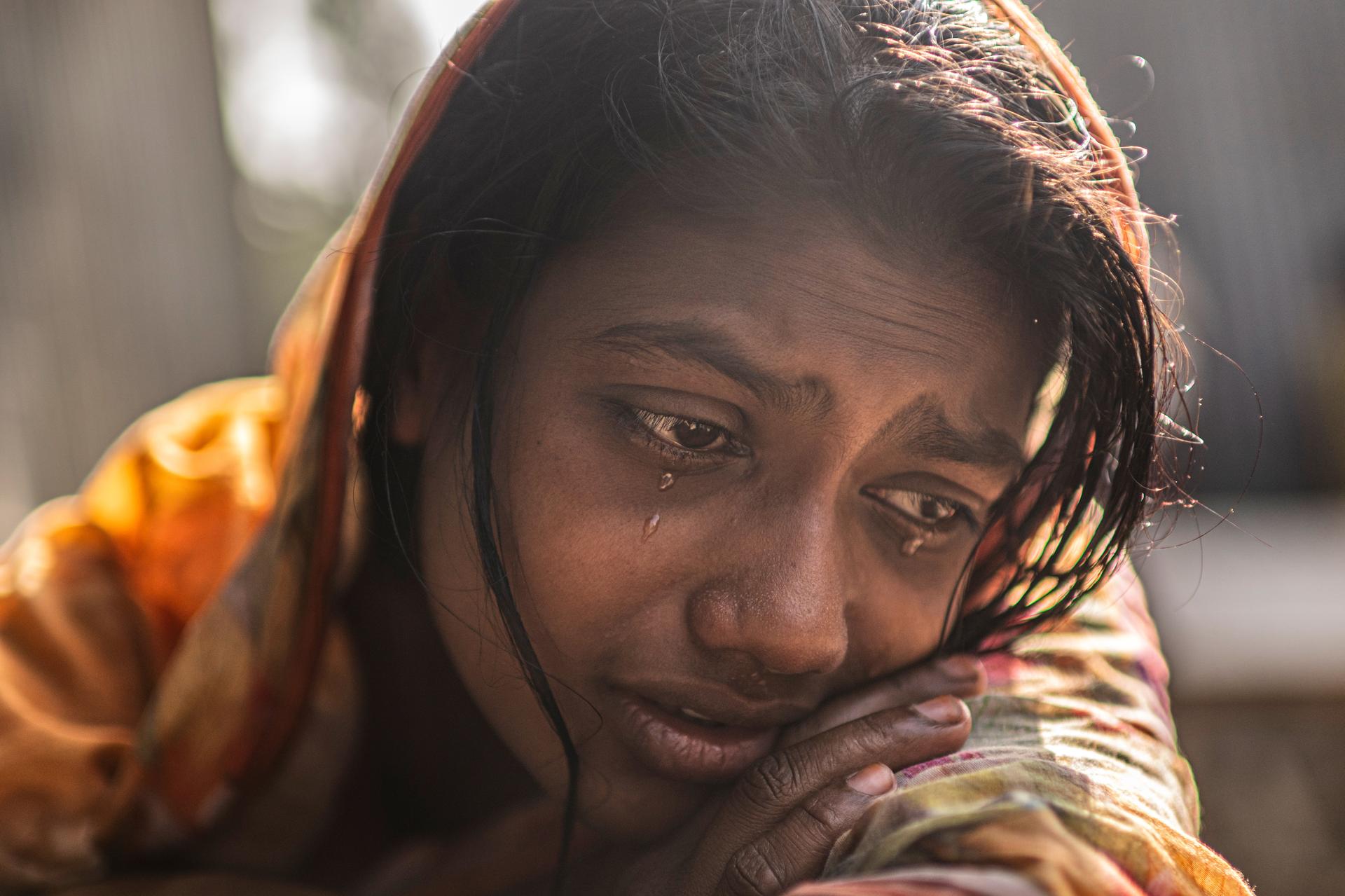
Meghna Rani weeps inside her home in Tarakanda village in Mymensingh District, Bangladesh. (AP Photo/Mahmud Hossain Opu) |
Bangladesh's Hindu minority in fear as attacks rise and a national election nears |
Attacks on Bangladesh’s Hindu minority have surged since the ouster of former Prime Minister Sheikh Hasina in an uprising in 2024. The violence has deepened fears about their place in the Muslim-majority nation ahead of a consequential election on Feb. 12. Read more.
|
|
|
Human rights groups say homes, temples and businesses have been targeted in a campaign of violence and intimidation that reflects deepening polarization, the re-emergence of Islamists and a widening culture of impunity.
Community leaders warn that the climate of fear could suppress minority participation in the election.
While the interim government has condemned the attacks and promised protection, critics say accountability has been limited.
|
|
|
Pope faces crisis as traditionalist group plans bishop consecrations without his consent |
Pope Leo XIV is facing his first major crisis with traditionalist Catholics. A breakaway group attached to the traditional Latin Mass, the Society of St. Pius X, has announced plans to consecrate new bishops without papal consent in a threatened schism. Read more.
|
|
|
The Swiss-based society, which has schools, chapels and seminaries around the world, has been a thorn in the side of the Holy See for four decades. It was founded in opposition to the modernizing reforms of the 1960s Second Vatican Council.
In 1988, the group’s founder, Archbishop Marcel Lefebvre, consecrated four bishops without papal consent. The Vatican promptly excommunicated Lefebvre and the four other bishops, and the group today still has no legal status in the Catholic Church.
But in the decades since that original break with Rome, the group has continued to grow, with branches of priests, nuns and lay Catholics who are attached to the pre-Vatican II traditional Latin Mass.
|
|
|
The ranks of US rabbis grow more diverse, with rising numbers of women and LGBTQ people |
Rabbis and rabbinical students in the United States are more diverse than ever. That includes increasing numbers of women and LGBTQ+ people. Women from earlier generations who became rabbis marvel at the greater opportunities available today for those pursuing clergy roles. Read more.
|
|
|
Orthodox branches of Judaism generally don't allow women to be rabbis, with some exceptions. But Reform and Conservative, the largest movements in the U.S., permit it, as does the growing nondenominational branch.
An organization that supports and trains Jewish spiritual leaders — Atra: Center for Rabbinic Innovation — has new research documenting the diversification of the U.S. rabbinate and its student pipeline. It recently surveyed stakeholders including rabbis, students, schools and other key Jewish institutions.
Atra’s research affirms that men still make up the majority of the more than 4,000-strong non-Ultra Orthodox U.S. rabbinate, but women are now a sizable minority. There are also more LGBTQ+ people, Jews of color and members of interfaith households.
|
|
|
|