This week, the World Health Organization (WHO) Executive Board convened to consider whether the United States still owes the international organization hundreds of millions of dollars and whether the legal requirements for its withdrawal have been met.
Although the United States’ exit from the WHO has been compared to a divorce, that analogy is inapt, say CFR’s Thomas J. Bollyky and Elena Every. To lead this week’s issue, Bollyky and Every explore the dynamics behind that “messy breakup” and how the WHO could win back the United States.
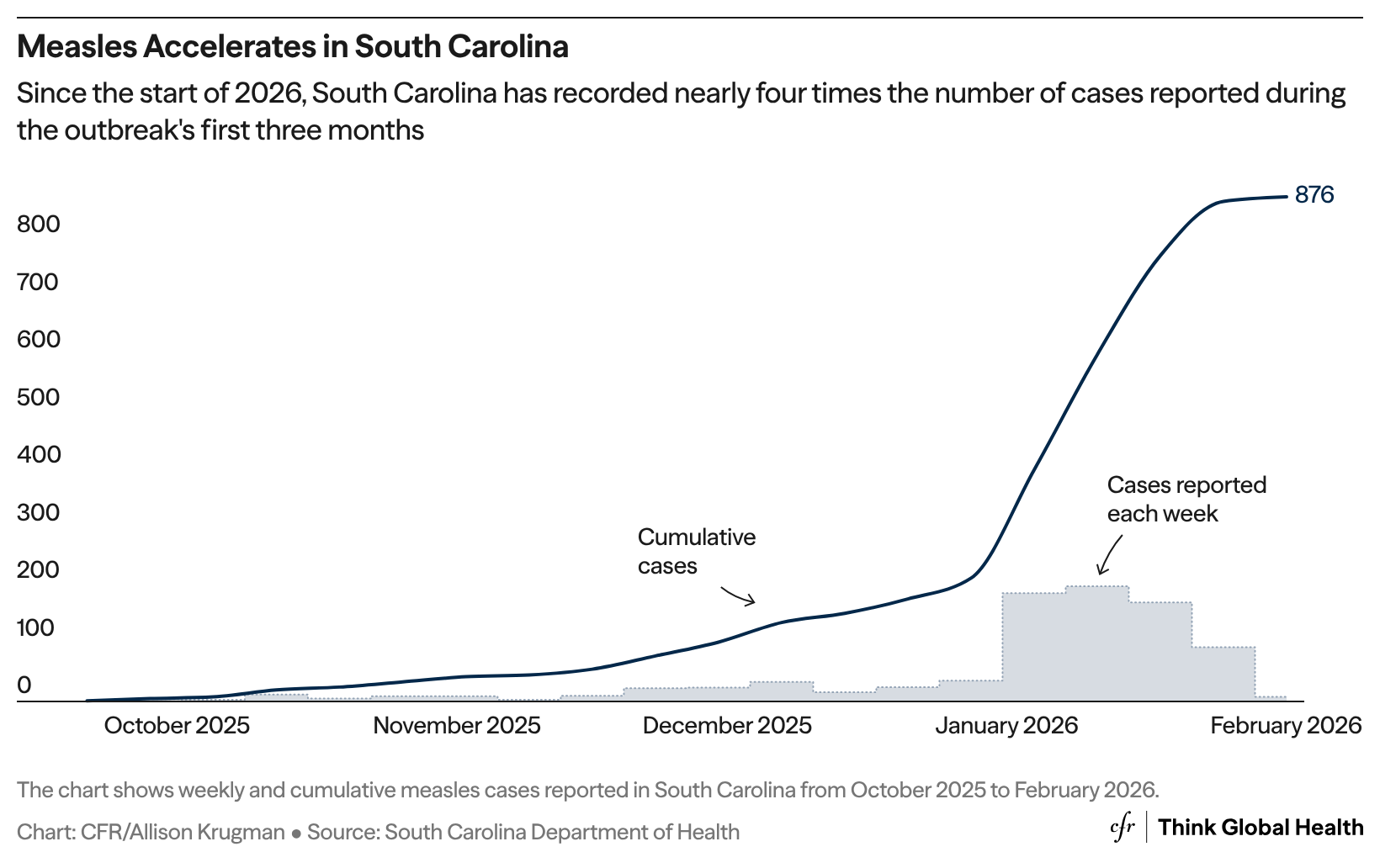
Since October, measles has infected 876 people in South Carolina, surpassing last year’s epicenter in West Texas. Every vaccine-preventable outbreak carries a familiar theme—dwindling vaccination rates driven by misinformation and distrust. Journalist Anika Nayak explores the cultural dynamics feeding South Carolina’s outbreak and what a new coalition of public health professionals, clinicians, and teachers is doing to track cases, support education, and promote vaccine outreach.
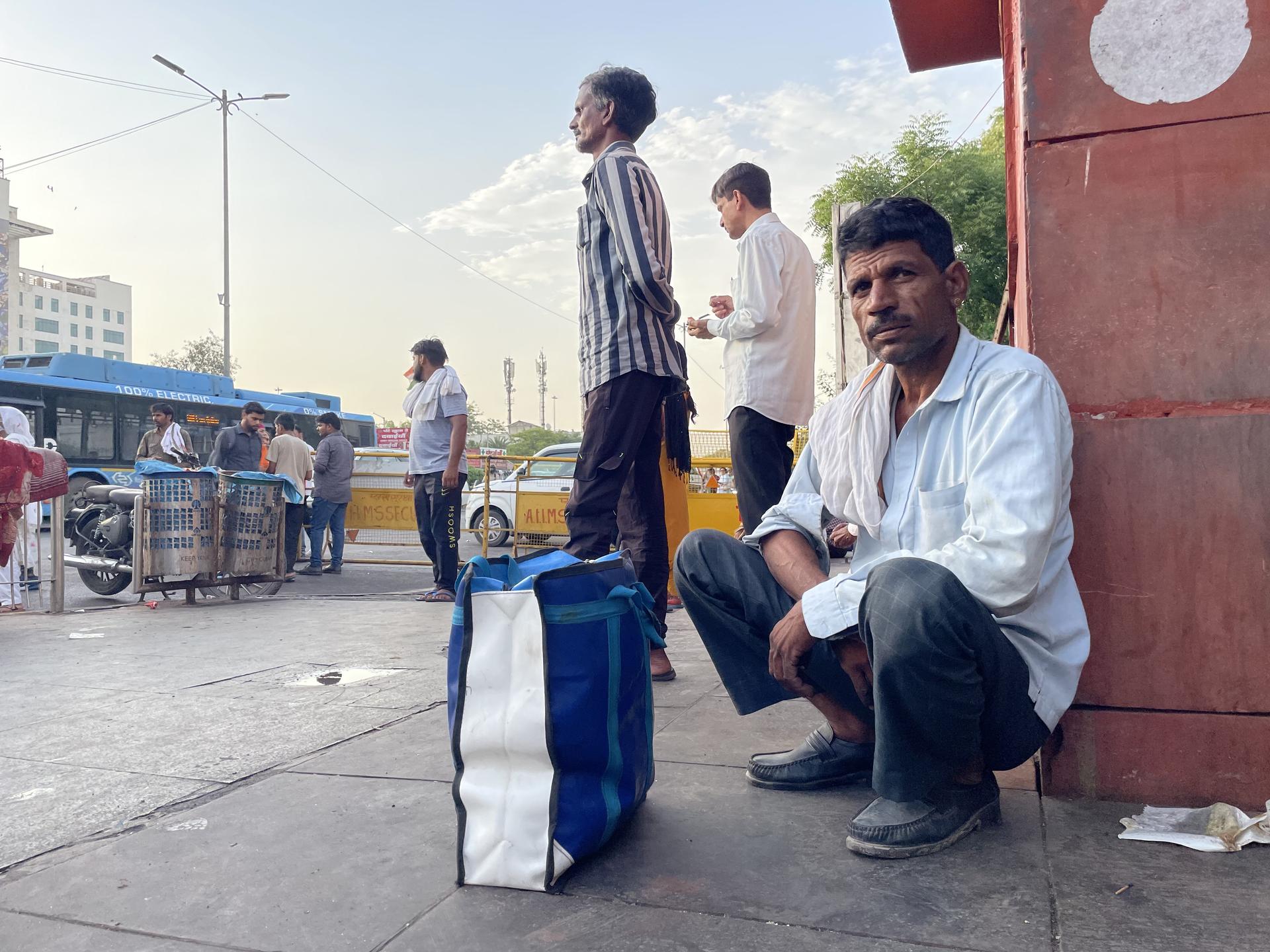
In India, health systems are struggling to address tuberculosis (TB). Although the country reduced its TB death rate by 21% from 2015 to 2023, recent aid cuts threaten to reverse those gains. Journalist Rishabh Jain visits Bihar, a state ranked among India’s highest for TB burden, to uncover how the funding drop is preventing community health programs from delivering treatments.
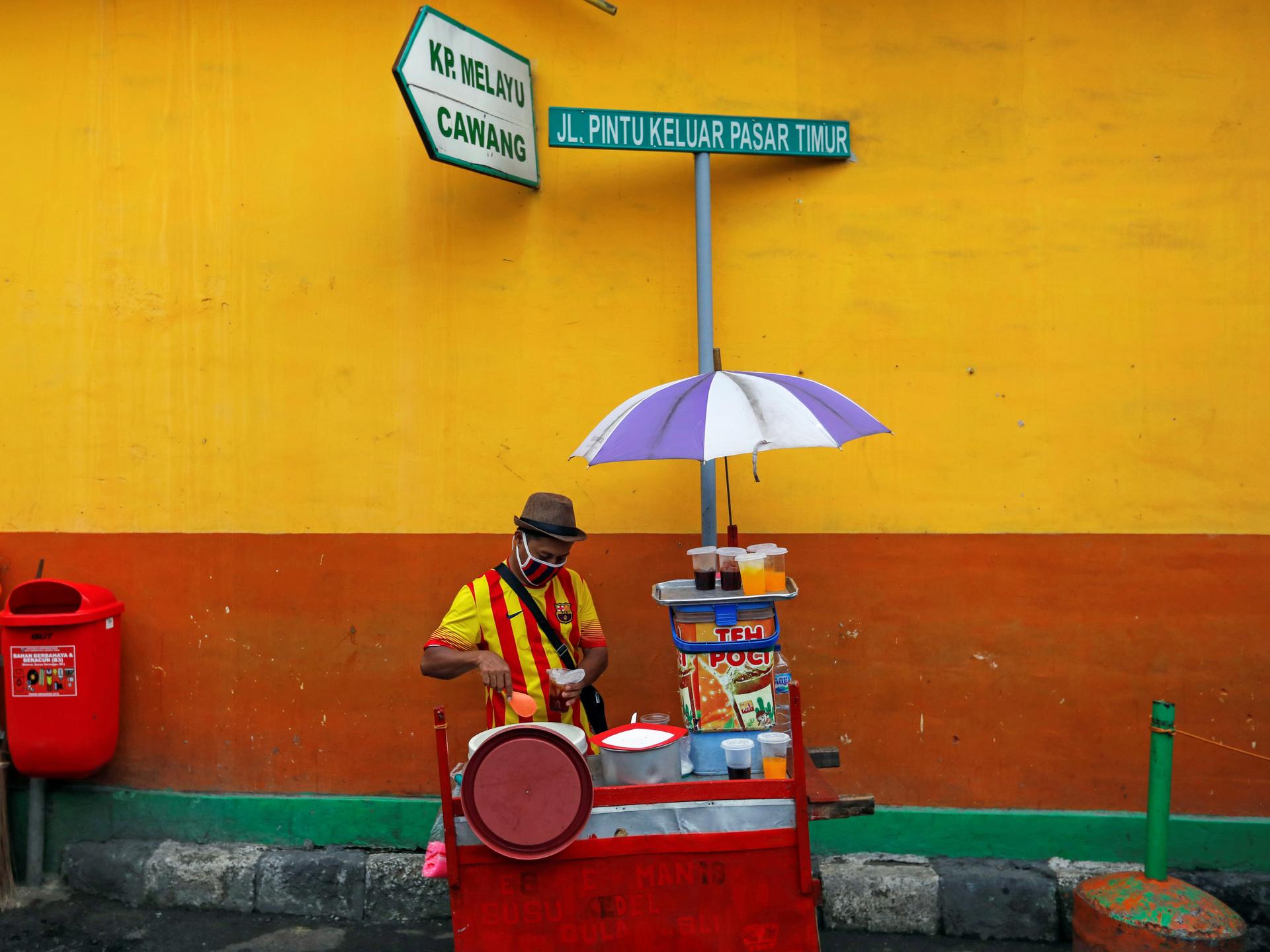
Journalist Miriam Bahagijo then takes TGH to Indonesia, where a delayed sin tax on sugar-sweetened beverages has met with criticism from public health experts, who warn that repeated postponements could increase the burden of noncommunicable diseases such as diabetes and heart disease.
Until next week!—Nsikan Akpan, Managing Editor, and Caroline Kantis, Associate Editor