What began as a 19th-century military surveying technique is now a tool in the hands of creators and engineers. Here’s how we got here.
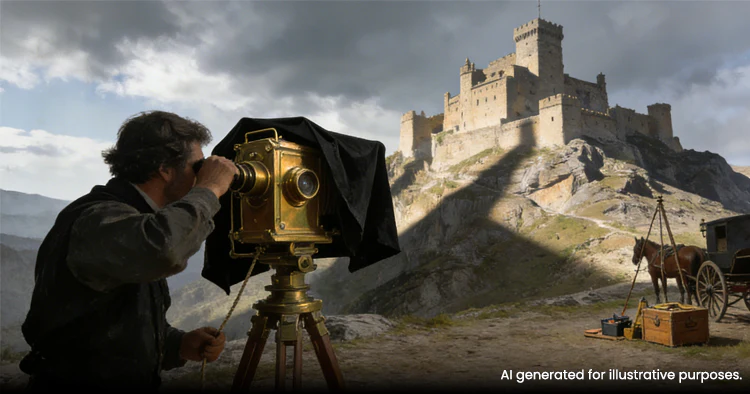
The story begins with photogrammetry, developed in the 1850s by French military engineer Aimé Laussedat. By analyzing overlapping photographs, he could accurately map landscapes and structures—laying the groundwork for all 3D capture to come.
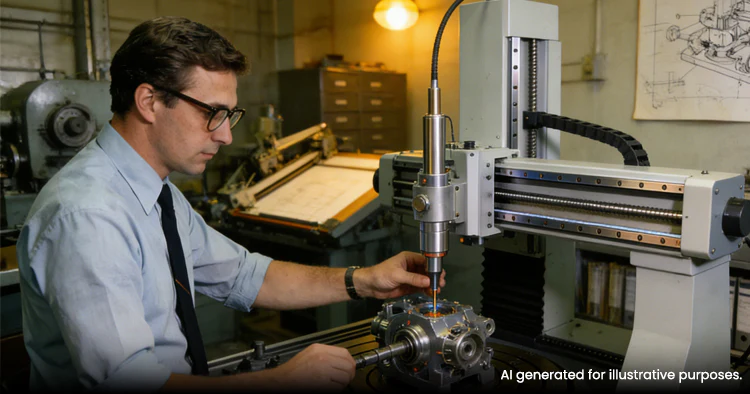
As aerospace and automotive manufacturing demanded higher precision, the first coordinate measuring machines (CMMs) emerged. Soon after, laser-based measurement experiments began—setting the stage for non-contact 3D scanning.
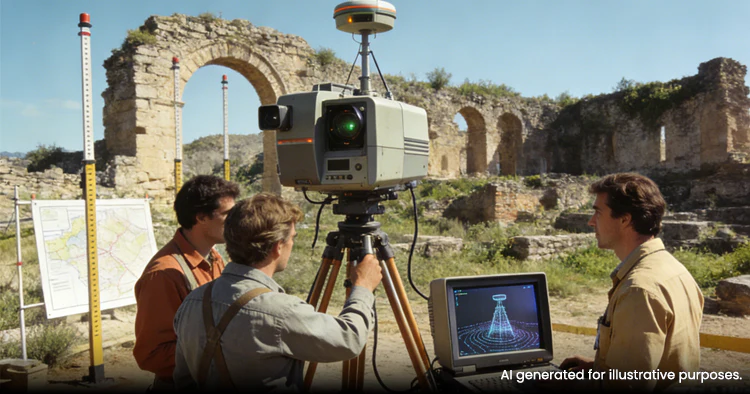
In the 1990s, the first practical laser scanners were developed to digitally preserve endangered heritage sites. By the early 2000s, the technology entered construction and surveying—replacing tape measures with accurate 3D data.
3D scanning soon spread to archaeology, film VFX, and even gaming. When Microsoft released Kinect in 2010, makers and DIYers quickly repurposed it for affordable scanning—democratizing the technology almost overnight.
Now, 3D scanning lives in two parallel worlds:
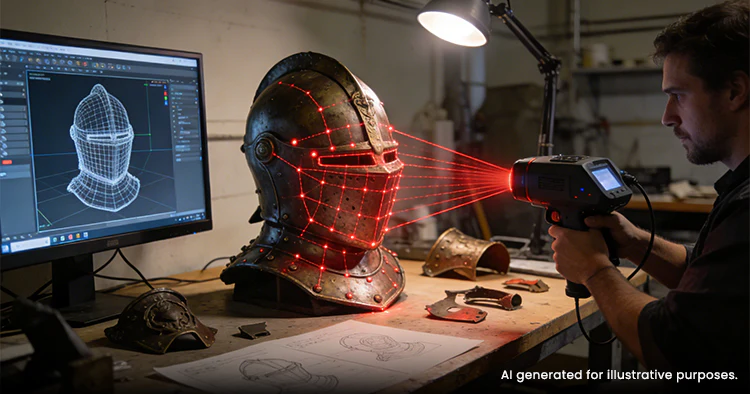
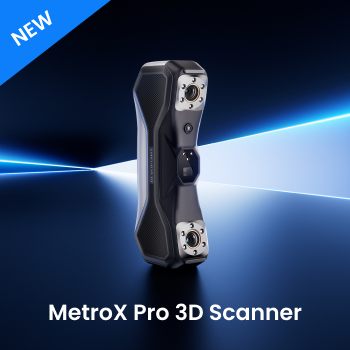
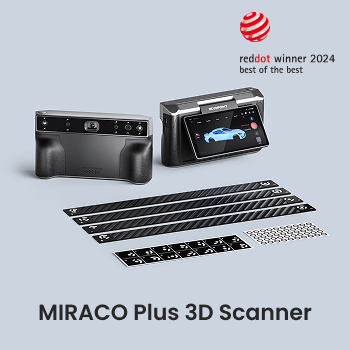
Professional-grade handheld scanners deliver metrology-level accuracy for engineering, healthcare, and manufacturing.
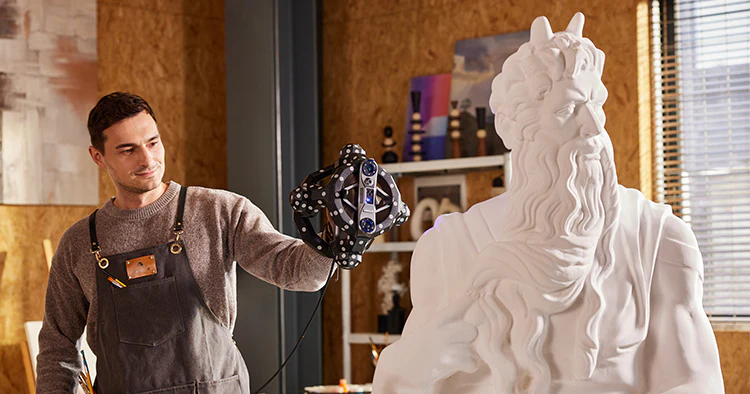
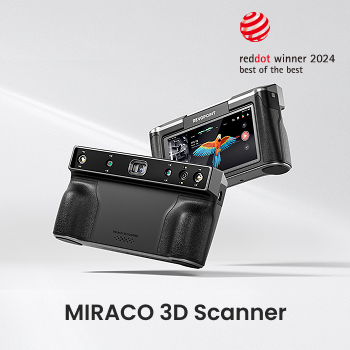
Accessible & open-source tools—from low-cost hardware to free software—put scanning within reach of educators, creators, and small businesses.
From preserving ancient monuments to prototyping new products, 3D scanning has truly moved out of the lab and into the world.
How 3D scanning can work for you?
Whether you’re curious about trying it yourself or exploring professional applications, we’ve put together a helpful guide to today’s tools and use cases.