| | Trump’s criminal investigation into the Fed chair prompts pushback from allies, the White House weig͏ ͏ ͏ ͏ ͏ ͏ |
| |  | Flagship |  |
| |
|
The World Today | 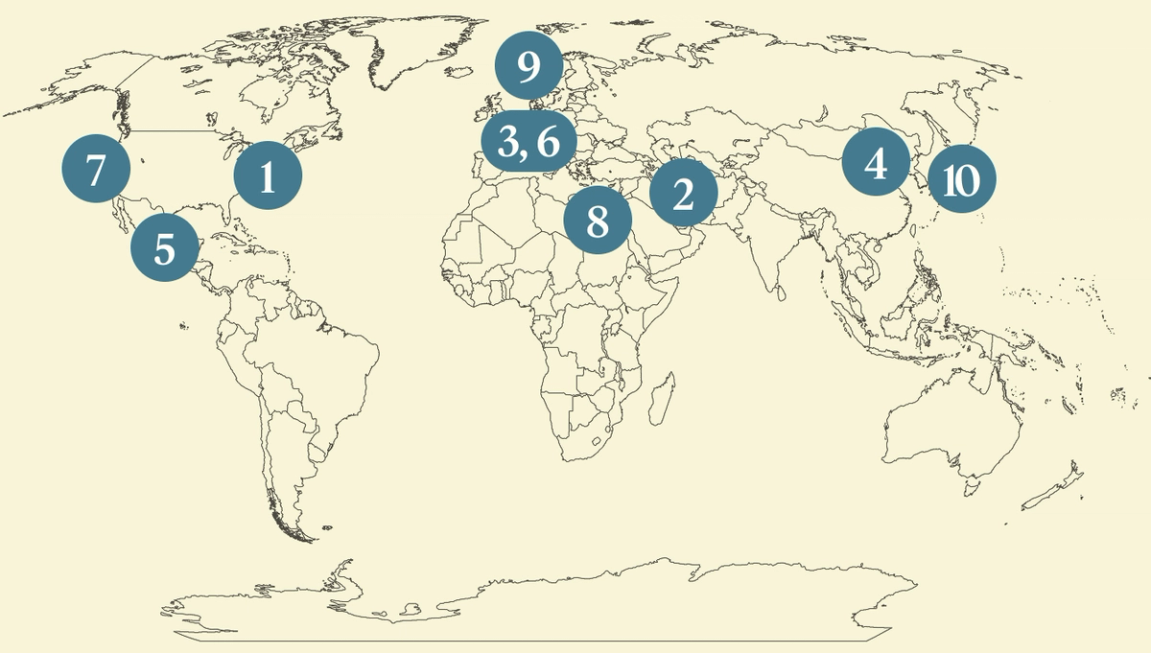 - Pushback over Fed probe
- Trump considers Iran strikes
- Macron wants Moscow talks
- East Asia’s diplomatic shift
- Sheinbaum hails Trump talk
- Le Pen appeals conviction
- Google founders quit Cali
- N. Africa’s renewables turn
- Norway hits EV milestone
- Literate chimp dies
 David Attenborough returns to reveal the exotic wildlife of… London? |
|
Fed probe prompts pushback |
 Kent Nishimura/File Photo/Reuters Kent Nishimura/File Photo/ReutersThe Trump administration’s criminal investigation of Federal Reserve Chair Jerome Powell sparked frustration among White House officials and allies, and threatened ramifications for markets and the government. Treasury Secretary Scott Bessent reportedly told US President Donald Trump that the probe “made a mess,” and multiple Senate Republicans voiced displeasure: “We need this like we need a hole in the head,” one said. A Commerzbank economist said the move could accelerate rate cuts, ING forecast risks for the dollar, and a leading central bank historian warned that the row was “bigger than the Fed.” Powell was “being made an example of, so that everybody else… can see what could happen to you if you defy the administration,” he said. |
|
Trump considers Iran strikes |
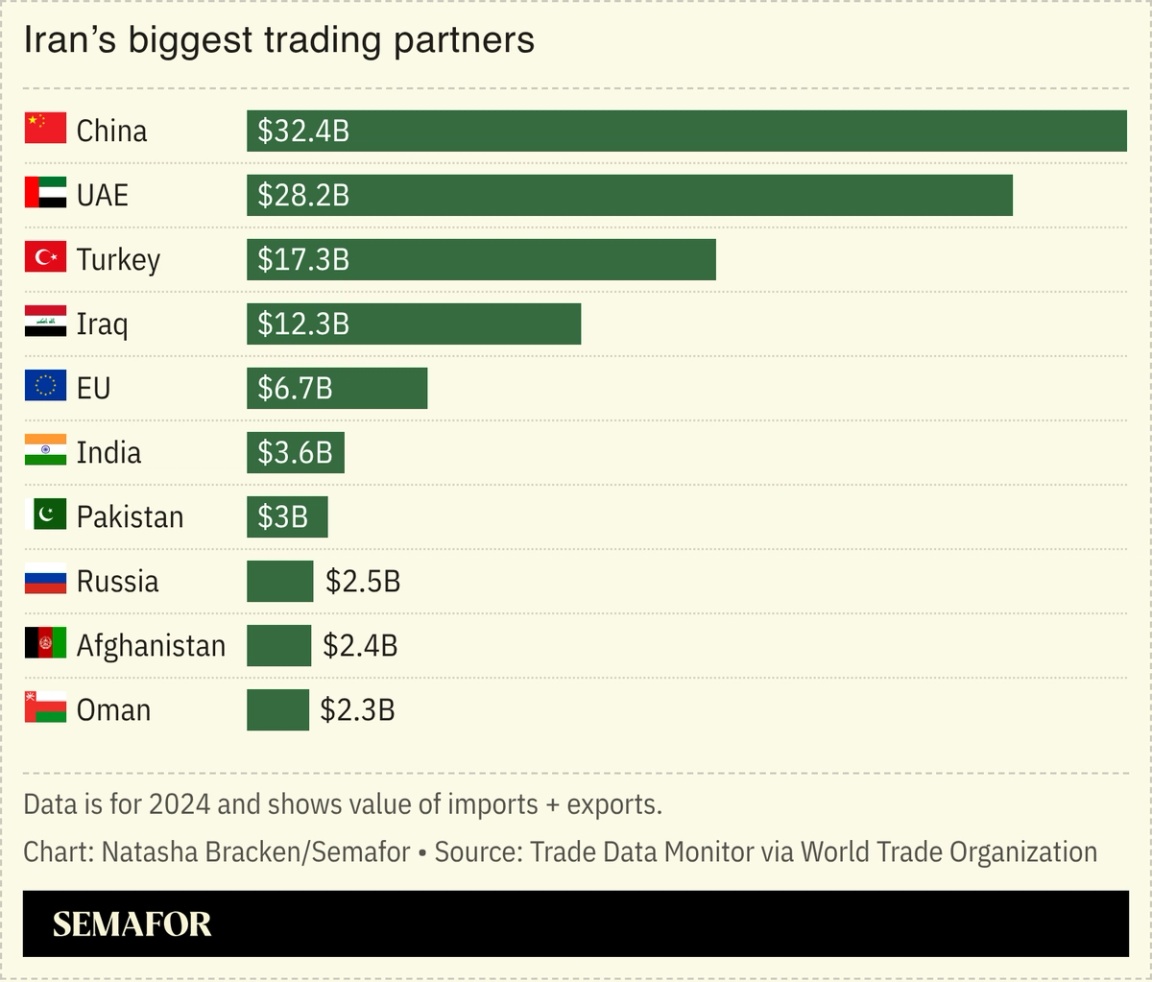 US President Donald Trump is reportedly leaning towards striking Iran, though many of his top officials and Tehran itself are pushing for negotiations over the Islamic Republic’s crackdown on protests. Iran claimed to have quelled demonstrations that have lasted more than two weeks and are feared to have left hundreds dead, even easing its telecoms blackout, though an internet shutdown persisted. Iran struck a conciliatory tone in talks with a Trump envoy, while The Wall Street Journal said administration officials, including Vice President JD Vance, are urging Trump to explore diplomatic channels. The US president has so far taken a hard line, though, announcing secondary tariffs on Iran’s trading partners and eyeing a military response. |
|
Europe leaders push for Kremlin talks |
 Markus Schreiber/Pool via Reuters Markus Schreiber/Pool via ReutersEuropean leaders proposed talks with the Kremlin, highlighting a fracture on the continent over how to end Russia’s war in Ukraine. French President Emmanuel Macron and Italian Prime Minister Giorgia Meloni, both notably Atlanticist and strongly opposed to Moscow, are behind the push. They argue that “it is important to play at least a role” in discussions, one French official told Politico, to ensure that the EU’s own red lines aren’t crossed, though the EU itself and hawkish Eastern European capitals are opposed. US President Donald Trump’s threats to take over Greenland have further pushed Europe to establish its own position, although the unity is, as usual, threatened by a clash between Paris and Berlin, this time over defense spending. |
|
East Asia’s shifting global diplomacy |
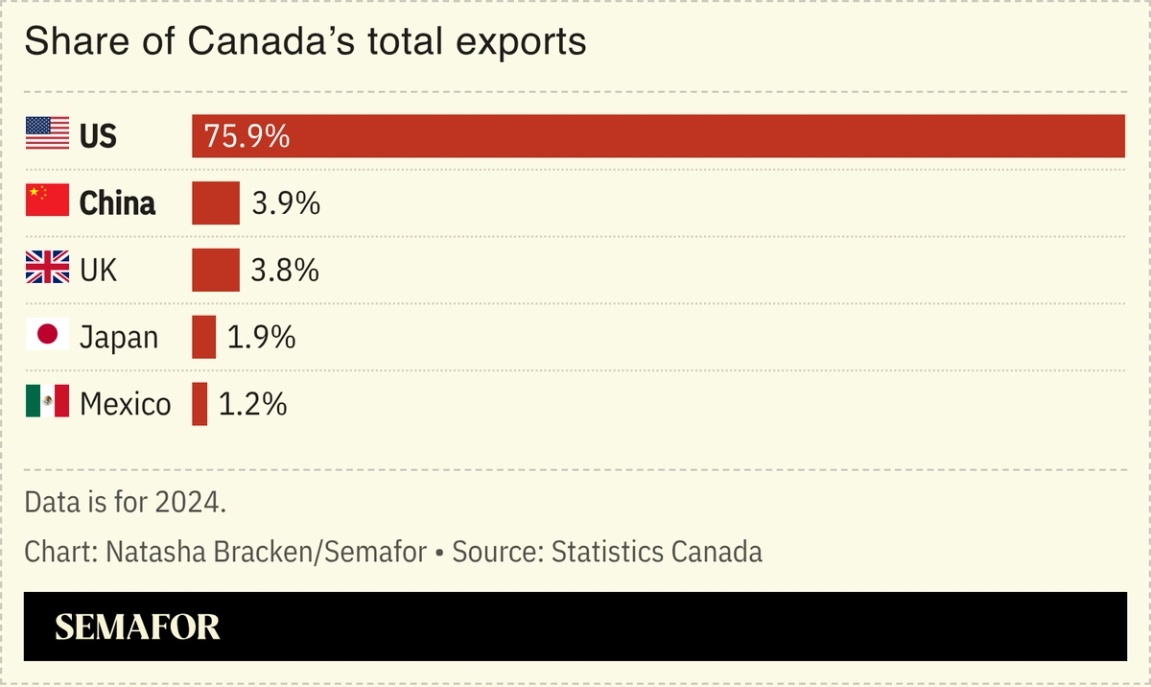 Separate high-level meetings in East Asia illustrated the tricky balancing act for longtime US allies seeking to insulate themselves from an increasingly unpredictable White House. Canada’s prime minister was due in Beijing and, according to the Toronto Star, will offer dropping tariffs on Chinese-made electric vehicles in exchange for China cutting its own levies. Ottawa and Beijing have had frigid relations for years, but Canada is grappling with “the pain of a trade war” that is forcing it to diversify ties, The Guardian said. Elsewhere, South Korea’s leader was in Tokyo for talks: The US allies have in recent years each received pressure from China — as well as demands from Washington to pay more towards their own defense. |
|
Sheinbaum praises Trump talks |
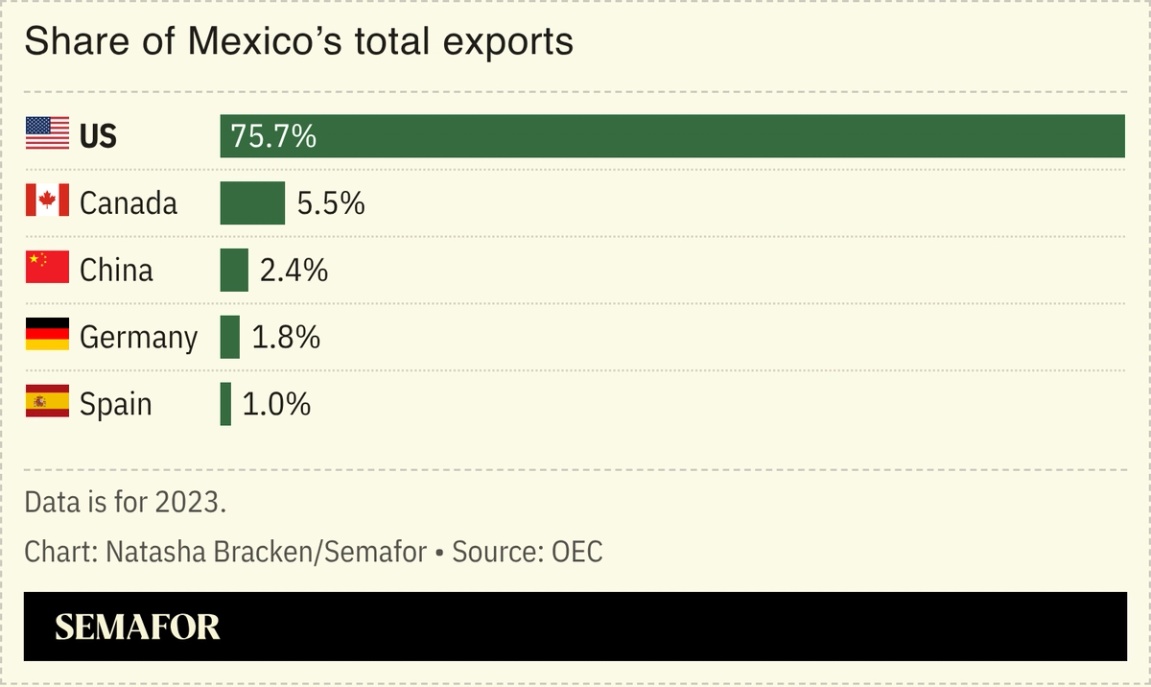 Mexican President Claudia Sheinbaum said she had a “very good talk” with US President Donald Trump amid tensions over Washington’s increasing military clout in the region. Trump has ramped up pressure on Mexico over drug flows across the border, saying just last week that Sheinbaum is “a good woman, but the cartels are running Mexico.” In a move that experts say is aimed at providing legal grounding for a potential US strike on cartels, the White House recently designated the groups as terrorist organizations. Meanwhile, Mexico has become Cuba’s biggest oil supplier, potentially further angering Trump, who has vowed to cut off the island nation. Sheinbaum “is boxed in on all sides,” a prominent Mexican analyst said. |
|
Le Pen appeals graft conviction |
 Marine Le Pen and Jordan Bardella. Benoit Tessier/Reuters Marine Le Pen and Jordan Bardella. Benoit Tessier/ReutersFrench opposition leader Marine Le Pen is in court today for an appeal against a corruption conviction. The anti-immigration nationalist lost her right to vote or run for office, and was sentenced to house arrest, for embezzlement of millions in public funds. The appeal risks increasing her sentence, but her conviction does not seem to have reduced her popularity: Support for her party’s policies has shot up from 29% in 2022 to 42% now, Le Monde reported, despite nearly half of voters also considering them “xenophobic.” Anti-immigration populist parties are doing well across Europe; in Britain, the insurgent Reform UK party leads the polls, and a Conservative former finance minister recently defected to them. |
|
Big Tech faces billionaire’s tax |
 Larry Page and Sergey Brin. Jacob Silberberg/Reuters Larry Page and Sergey Brin. Jacob Silberberg/ReutersGoogle cofounders Sergey Brin and Larry Page appear to be reducing ties with California. The pair set up the now $4 trillion company in Menlo Park in 1998, but last month they terminated or relocated various interests. The moves may have been triggered by a proposed one-time tax of 5% on all assets for Californians worth $1 billion or more, The New York Times reported. California is not alone in targeting the super wealthy — the European Parliament recently held a hearing on taxing “ultra-high-net-worth individuals” — but one billionaire warned in the Financial Times it could backfire: The state is immensely reliant on the top 1% of taxpayers for revenue, and if many billionaires leave, public services will be hit. |
|
Egypt, Somalia turn to renewables |
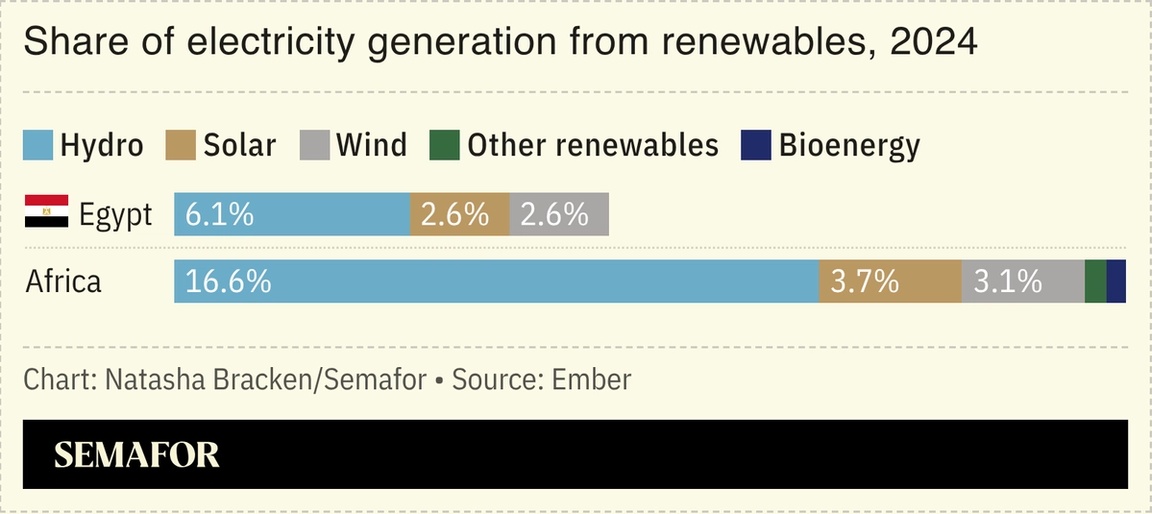 Egypt and Somalia announced plans to boost renewable energy production, in a bid to improve self-reliance. Egypt signed deals worth $1.8 billion with Norwegian and Chinese firms for solar energy and battery farms, part of plans to gain 42% of its electricity from renewable sources by 2030, Reuters reported. Meanwhile, Somalia — heavily reliant on diesel, and with much of the country lacking electricity altogether — is also hoping to boost renewables: It has “vast solar and wind potential” thanks to year-round sun and reliable onshore winds, Oil Price reported, and will receive EU and African Development Bank grants to exploit them. Mogadishu also partnered with Turkey to invest in offshore oil and gas exploration. |
|
 In today’s fast-changing global environment, business leaders are innovating and seizing opportunities in real time. Shifting dynamics, emerging technologies, and rising expectations demand leadership that is both decisive and forward-looking. On Tuesday, Jan. 20, Semafor editors will sit down with global executives in Davos, including President & Chief Investment Officer of Alphabet and Google, Ruth Porat and Aon CEO Greg Case to discuss agility, cross-border collaboration, and bold action in the next era of business. Jan. 20 | Davos | Request Invitation |
|
Norway leads global EV charge |
|
|


