Trump on international law… Trump rejected the notion of being fully bound by international law in a New York Times interview published yesterday, laying out an expansive view of U.S. power in the world. Whether that law applied to him “depends what your definition of international law is,” he said, adding that he was bound by his “own morality.”
…and international conflict. Trump declined to directly answer whether obtaining Greenland or preserving NATO was more important. The United States needed to acquire Greenland, he said, “because that’s what I feel is psychologically needed for success.” He also said it was “up to” Chinese President Xi Jinping whether China invaded Taiwan, but that he’d told Xi he would be “very unhappy” about an invasion and believed China would not act during his presidency.
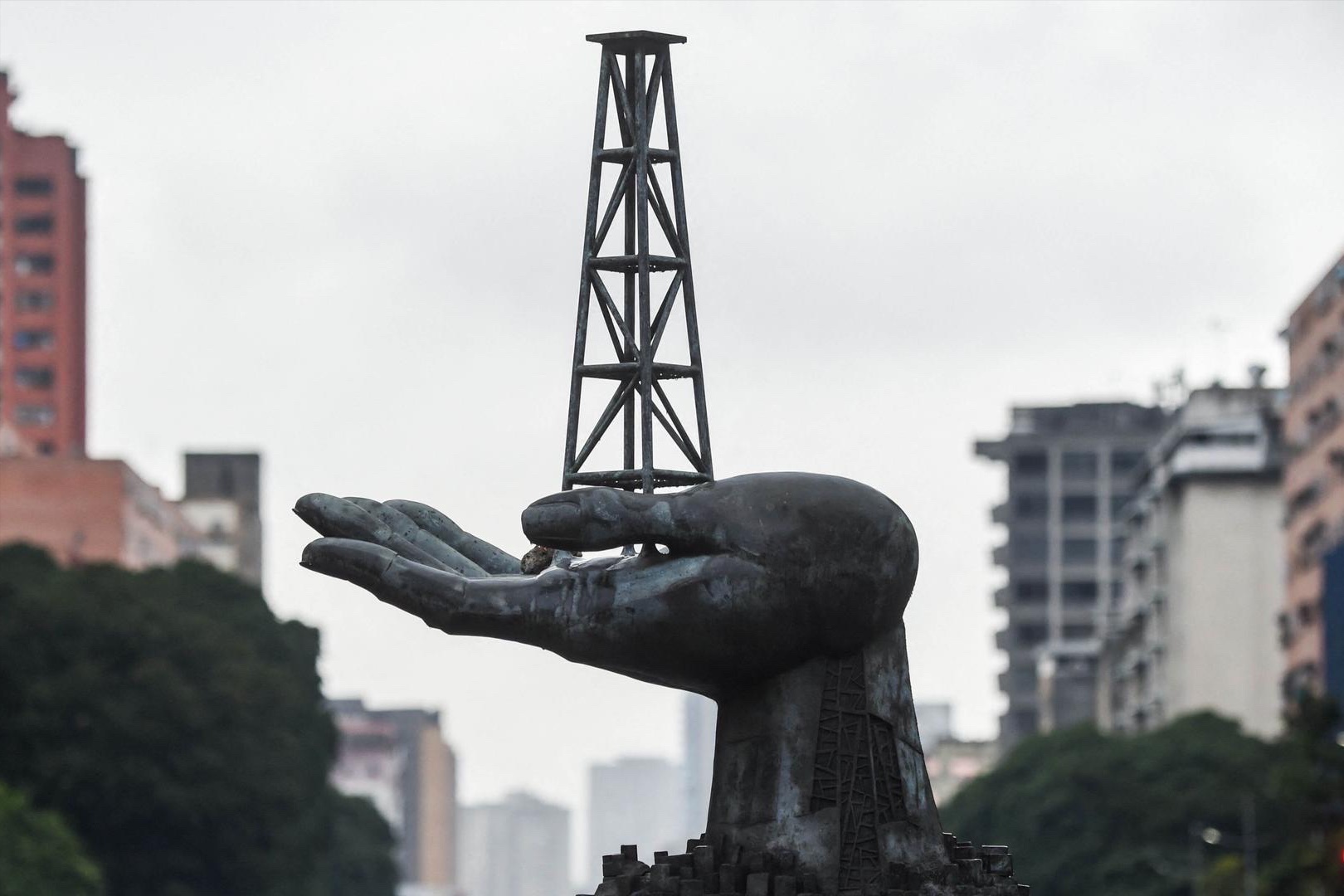
Venezuela prisoner releases. Authorities released a number of imprisoned activists and journalists yesterday in what the head of Venezuela’s legislature called a “peace” gesture. Trump praised the release in a social media post today, adding that he had canceled a “second Wave of attacks” on the country due to authorities’ cooperation. Meanwhile, the U.S. Senate yesterday agreed to debate a resolution on limiting the use of military force in Venezuela without congressional approval.
Clashes in Aleppo. Syria’s military declared a ceasefire today in three neighborhoods of Aleppo, after fighting with Kurdish forces displaced an estimated 140,000 people in recent days, per Syrian authorities. The clashes broke out despite efforts over the past year to integrate the Kurdish-led, U.S.-backed Syrian Democratic Forces into the country’s military. The Trump administration is “working extensively” to extend the truce, its special envoy for Syria wrote on social media.
The resilience of cooperation. While trade barriers and unilateral moves made headlines in 2025, a report released yesterday by the World Economic Forum and McKinsey argues that global cooperation across several areas—including health, data sharing, and green technologies—continued to move forward. Though multilateralism is under strain, “cooperation among smaller groups of countries has persisted,” it said.
EU-Mercosur moves. European Union (EU) member states voted to provisionally back a trade agreement with South American bloc Mercosur, unnamed European diplomats told multiple news outlets today. The two blocs had settled on the principles of the deal in December 2024, but some European countries resisted endorsing it due to concerns over risks to their agricultural sectors. They were outvoted today. If finalized, the deal would be the EU’s largest-ever free trade agreement.
Falling U.S. deficit. The U.S. trade deficit in goods and services in October reached its lowest level since 2009, Commerce Department data released yesterday showed. Trump has made reducing the U.S. deficit a goal of his “America First” trade policy. The reduced imports in October appear to be partly spurred by his tariff announcements, economists said, though others cautioned that the data was fluctuating too much to draw strong conclusions.
Lebanon’s security announcement. The country’s army has reasserted control of a southern region once dominated by Hezbollah, it said yesterday. The operations were pledged as part of a U.S.-brokered ceasefire between Israel and Lebanon in late 2024, which required Hezbollah’s disarmament. Israeli Prime Minister Benjamin Netanyahu’s office said Lebanon’s efforts were “an encouraging beginning,” but insufficient.