|
Winter 2025
Preventing Seasonal Flu and Other Respiratory Illnesses
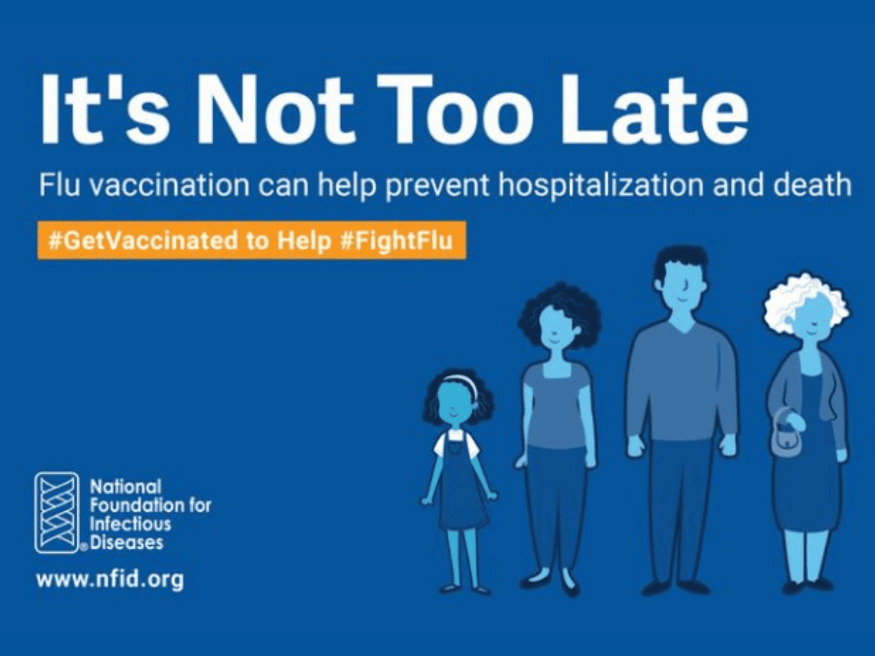
Flu and respiratory illness season is here, and flu activity is expected to increase throughout the winter season.
According to the Centers for Disease Control and Prevention (CDC), overall respiratory illness activity in Virginia is low. In Fairfax County, emergency department visits for:
- COVID-19 are low and stable.
- Flu are trending up, especially for children.
- RSV are low and stable, but there were recent increases for children 4 and under.
Protect yourself and your loved ones by following the tips below to stay healthy and avoid becoming severely ill:
- Get vaccinated for the flu. It is recommended for everyone ages 6 months and older as the single best way to reduce the risk of seasonal flu.
- Avoid close contact with people who are sick.
- Stay home if you are sick. For FCPS students, refer to the chart on this attendance page to see when your child may come to school.
- Always cover your mouth and nose when coughing or sneezing.
- Wash your hands often with soap and water or use an alcohol-based hand sanitizer.
- Avoid touching your eyes, nose, and mouth, especially after contact with high-touch surfaces.
- Bring fresh air in from outside, purify indoor air, or gather outdoors when possible — clean air reduces the risk of flu exposure.
- Get plenty of sleep, manage stress, stay hydrated, and eat healthy food.
For more information, visit the Fairfax County Health Department.
FCPS and Inspire Health Alliance Launch Immunization Partnership
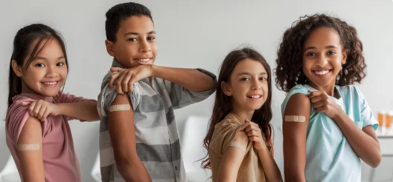
Fairfax County Public Schools (FCPS) successfully launched its partnership with Inspire Health Alliance, LLC (Inspire) in November to provide access to school-required immunizations and optional flu shots for FCPS students.
Additional opportunities are available throughout the school year and will be posted as they come available.
The next planned immunization events are at Frost Middle School on:
-
Saturday, January 31, from 9 a.m. to 4:30 p.m.
-
Saturday, February 7, from 9 a.m. to 2:15 p.m.
Visit the FCPS and Inspire Health Alliance website to learn more and schedule an appointment.
Strategies for Better Sleep
Importance of Sleep
Sleep is essential to good health. Getting enough sleep has benefits for both your physical and mental health and wellbeing. Sleep is also restorative giving time for your body to recover and repair. Adequate sleep supports healthy brain development, learning, and memory consolidation as well as your mood. It is important for a strong immune system and prevention of infections.
Lack of sleep is linked to several negative outcomes. In the short term, not getting enough sleep can negatively affect judgement, mood, and a person’s ability to learn, remember information, and think logically. Lack of sleep and feeling drowsy also increases the risk of accidents and injury. Chronic sleep deprivation can result in noncommunicable diseases like obesity, diabetes, cardiovascular disease, and even early death.
How Much Sleep Do You Need
A person’s age is directly related to how much sleep they need. Throughout life, the amount of sleep needed decreases. Newborns and infants need the most amount of sleep while older adults need the least amount of sleep. Each person is unique and the amount of sleep one person needs may not be the same as another person.
- Infants need 14 to 17 hours of sleep per 24 hour period.
- School-aged children typically need 9 to 12 hours (teenagers need 8 to 10 hours).
- Adults need slightly less with seven to nine hours and older adults needing seven to eight hours.
Sleep Strategies
If you need to get more sleep each night, here are some suggestions to help you sleep longer.
- Consistent bed and wake times: Go to bed and wake up at the same time each day. This includes weekends.
- Routine: Establish a routine to end the day and prepare to sleep.
- Environment: Create an environment that promotes sleep. This includes a dark, quiet space and keeping the room cool, 60 to 67 degrees is ideal.
- Exercise: Being active during the day helps to promote sleep, but not within two hours of your bed time.
- Limit food before bed: It is best to not eat a full meal three hours or less before bed. A full stomach can be uncomfortable and some foods might increase the risk of heartburn.
- Limit alcohol consumption: Alcohol does slow the body down but once it is removed from the body, you might find yourself awake and unable to sleep.
- Model Healthy Sleep: Adults can model behaviors that promote sleep and be consistent with expectations for children.
- Screen time: Light emitted from electronic devices can make it harder to go to sleep. It is recommended to put devices away at least one hour before bed.
- Avoid over scheduling kids: There are only so many hours after school. Be sure the activities your children are involved in also allow time for homework, meals, relaxation, and getting enough sleep each night.
If you or your child have difficulty falling asleep or staying asleep, talk to your doctor. Sleep is important and a healthcare provider can help.
References
Harvard Medical School. (n.d.). Why sleep matters: Consequences of sleep deficiency. Sleep Medicine.
Healthy Children.org. (2020, November 16). Healthy Sleep Habits: How Many Hours Does Your Child Need?
Johns Hopkins All Children’s Hospital. (n.d.). Why sleep is important for teens at Johns Hopkins All Children’s. Healthy Weight Initiative for Pediatric Obesity.
Mayo Clinic Health System. (2023, June 19). Sleep: Essential for children. Mayo Clinic Health System.
National Sleep Foundation. (2020, November 12). The Link Between Nutrition and Sleep.
National Sleep Foundation. (2025, November 17). How Much Sleep Do You Really Need?
Worldwide Food Service Safety Month

In celebration of Worldwide Food Service Safety Month (December), here's how the FCPS Office of Food and Nutrition Services (FNS) keeps students safe in the cafeteria.
FNS is dedicated to providing safe, inclusive meals that protect the health and well-being of every student. Our process for dietary accommodations is simple and focused on each student's needs:
-
Families submit a Dietary Accommodation Form completed by a licensed doctor or medical provider to notify us of a food allergy or medical need.
-
FNS staff coordinate with the family and school to ensure the student receives safe, proper school meal options.
-
The accommodation is linked to the student's ID. Families do not need to complete new paperwork when a student moves to a different school within FCPS.
Visit the FNS website to learn more about the dietary accommodations process and forms.
FCPS also uses multiple safety steps to reduce the risk of accidental allergen exposure:
-
Staff sanitize eating and food prep areas before and after meals to prevent cross-contamination.
-
Students are encouraged to wash their hands before and after eating to limit the spread of germs and allergens.
-
Items like peanut butter and jelly sandwiches are individually wrapped.
-
FCPS does not serve shellfish or tree nuts in school meals.
FNS also supports sharing food safely at Share Tables. The Share Table program helps students save perfectly good food instead of throwing it away.
-
Only wrapped, unopened snacks or whole fruits provided by the school cafeteria can be put on the Share Table for safety.
-
Items like milk, cheese, and yogurt must be kept at 41°F or colder in a refrigerator near the table. School staff check this temperature daily.
The FCPS Office of Food and Nutrition Services is committed to food safety excellence. Learn more at fcps.edu/food.
Tips for Keeping Kids Active in Winter

Winter is in full swing, bringing with it shorter and colder days. With a little planning and the tips below, you can have fun while staying safe and warm:
- Wear Protective Clothing.
- Dress in layers for warmth.
- Wear hats and gloves.
- Insulated boots are a must.
- Wear bright/light-colored clothing if outside, as it gets dark earlier in the day.
- Set reasonable limits on the amount of time spent outside.
- Kids lose heat more quickly because they are smaller.
- Trade wet clothes for warm, dry clothing.
- Stay hydrated, even in winter.
- Take family bike rides or walks.
- Have relay races.
- Enjoy the snow:
- Build a snowman.
- Go sledding.
- Have a friendly snowball fight.
For more ideas of what to do outdoors, take a look at the Fairfax County Park Authority’s winter events happening across the county.
If you or someone you know needs assistance getting cold-weather clothing for their family, please contact your school’s family liaison. You may also reach out to Fairfax County Coordinated Services Planning (CSP) at 703-222-0880.
Employee Wellness: Managing the Strain of the Holiday Season

While this season can bring joy and connection, it can also bring added stress and emotional strain. It doesn’t have to be that way though — here are four strategies to beat holiday stress.
Explore these additional holiday resources to help you take on the holidays with cheer. Click on the titles below to watch:
Coming in 2026!
CareFirst WellBeing℠ — Personalized solutions for a healthier you!
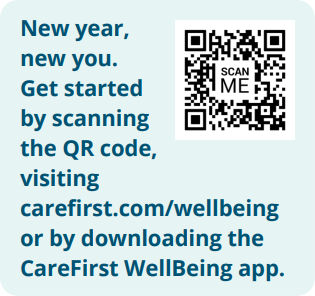
Starting January 1, 2026, Fairfax County Public Schools benefited employees (both CareFirst and Kaiser Permanente) will have access to CareFirst WellBeing℠ — a digital wellness platform to support each employee’s unique health and wellness goals.
Go online or download the mobile app to get access to exclusive features and additional support with specialized programs that can help you take charge of your wellness goals with confidence.
Visit CareFirst WellBeing℠ to learn more.
2025-26 Wellness Reporting Tool
This spring, FCPS will implement annual wellness reporting, as required by FCPS Regulation 2100. Previous wellness reporting results for each school are available to the public and may be accessed on the FCPS Wellness Reporting Webpage.
Principals will receive communication from the FCPS Wellness Leadership Team to complete the 2025-26 Wellness Reporting Tool for their school. Wellness committee members may be asked by administrators to support wellness reporting in their school communities. Thank you in advance for your support of FCPS wellness reporting.
|