Get full access to Reuters.com for just $1/week. Subscribe now.
Sustainable Finance
Sustainable Finance
By Ross Kerber, U.S. Sustainable Business Correspondent
I'm just halfway through Ken Burns' big-think documentary The American Revolution and there's plenty about the era I didn't know. I had the same feeling reading The Price of Democracy, a new work by Vanessa Williamson that covers some of the same ground and lays out how many U.S. political questions are tax battles at heart.
You can read my interview with Williamson via the link below. I've also got links to stories about how Facebook deals with scam ad revenue from China and a spate of developments around the proxy adviser industry.
Some administration: This will be my last newsletter until January 7, 2026. Thanks much for reading and for all your emails and feedback. Any suggestions on content or story ideas are welcome; you can follow me on LinkedIn and/or Bluesky, or reach me via ross.kerber@thomsonreuters.com
More administration: As a reader of our free Reuters Sustainable Finance newsletter, you're only seeing part of the story. Reuters subscribers see my full columns each week, as well as all of Reuters finance and markets reporting, and more in-depth data that never appears in this newsletter. Become a subscriber and get the full picture.
Ahead of the last U.S. presidential election in 2024, I imagined a public debate where candidates Donald Trump and Joe Biden would be questioned on fiscal policy by accountants and actuaries. If ever a future election features such a panel, it should include Vanessa Williamson.
She is a senior fellow at the Brookings Institution think tank and author of "The Price of Democracy: The Revolutionary Power of Taxation in American History," which traces how tax policy questions tracked and shaped broader competitions for power ever since the American Revolution, which turns 250 years old next year. (say it with me: "Semiquincentennial")
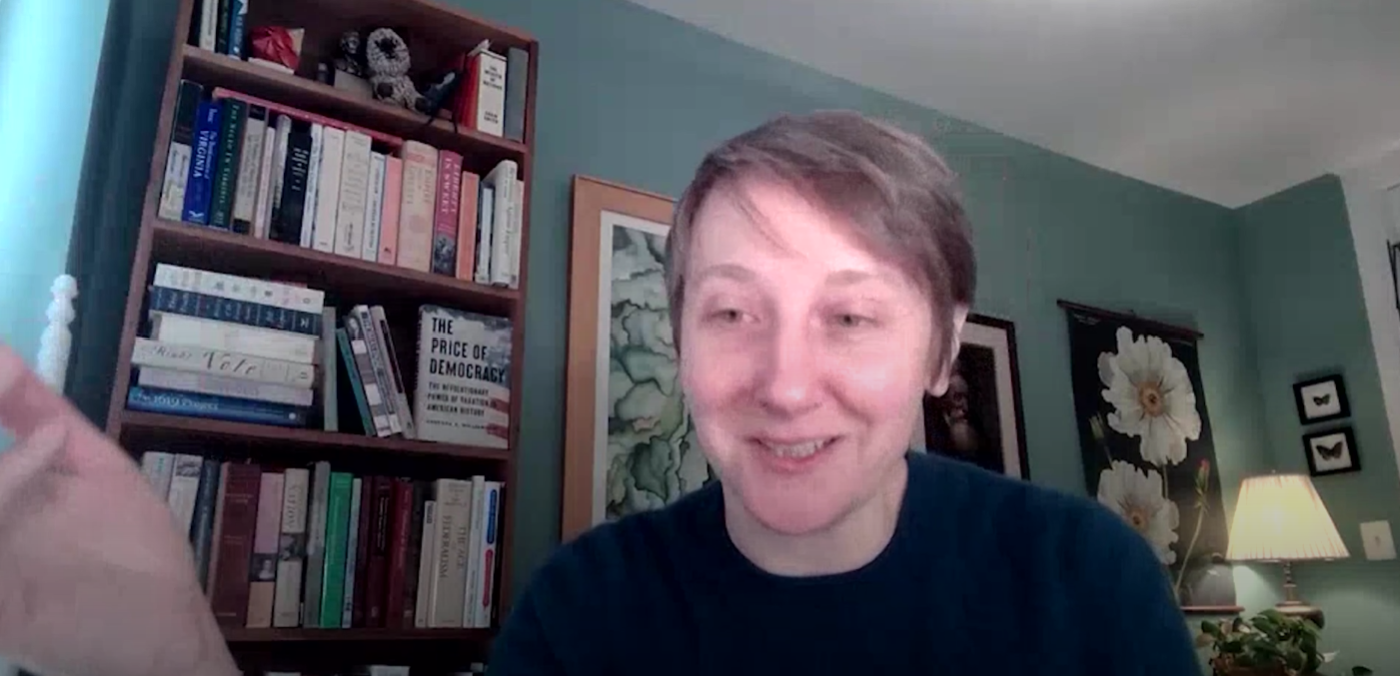
I spoke with Williamson this week about the lessons she sees for current revenue debates. Where Williamson is coming from: she worries about growing inequality and says Republicans have become "a very extreme anti-tax party" but faults lefties for not stressing the virtues of taxpaying.
You can read our Q&A and watch a video from our interview by clicking the button below.
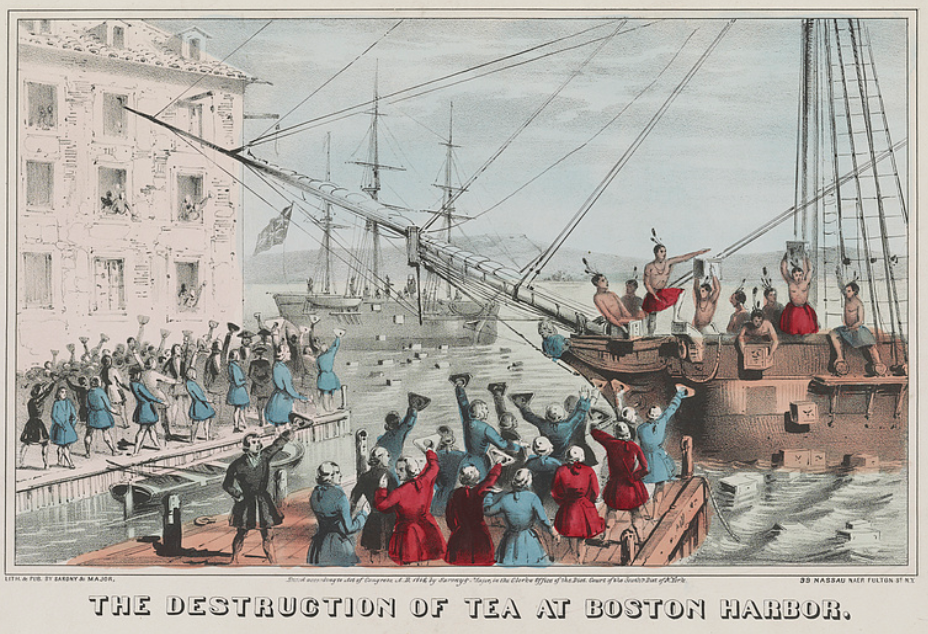
Lithograph by "Sarony & Major" from the U.S. Library of Congress, c 1846.
Company news
Looking to capitalize on global demand for U.S. equities, Nasdaq plans to roll out round-the-clock trading, according to our EXCLUSIVE. In March, its president laid out the intentions and said the move would broaden investor access.
Weakening electric vehicle demand and Trump administration policies have pushed the auto industry away from EVs. The latest evidence: Ford Motor's new news it will take a $19.5 billion writedown and kill several EV models.
Meta CEO Mark Zuckerberg weighed in with some type of "Integrity Strategy pivot" and the company paused the work of a team combating scams and fraud schemes coming from China, Reuters colleagues show in this worth-reading SPECIAL REPORT. (A Meta spokesperson said Zuckerberg did not order the team's disbanding.)
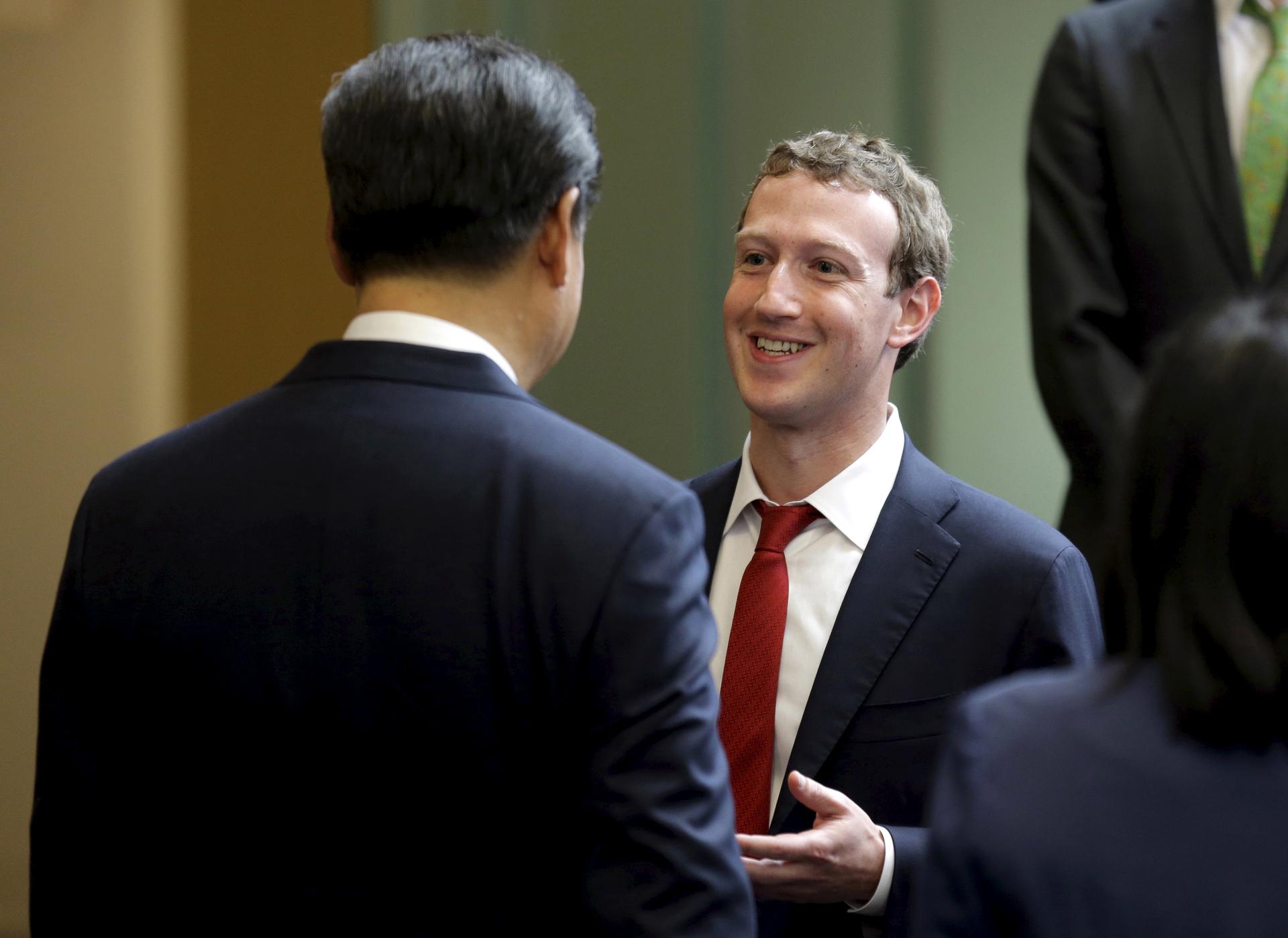
After China blocked Western social media within its borders, Zuckerberg lobbied for access. He and Chinese President Xi Jinping spoke at a 2015 U.S. gathering. REUTERS/Ted S. Warren
On my radar: proxy adviser edition
Trump's recent executive order on proxy advisers amounts to "geopolitical warfare through financial markets," Sarah Wilson of Minerva Analytics told me for this ANALYSIS of the effort.
On the topic of proxy regulation, the nonprofit FCLT Global tells me some simple reforms could include rescheduling annual meetings or having investors pre-declare their voting intentions.
Meanwhile top proxy advisers Institutional Shareholder Services and Glass Lewis have updated their guidance for the 2026 season that may give companies more flexibility on CEO pay plans, this analysis suggests.