brain drain
After this year, some scientists are saying goodbye to the U.S.
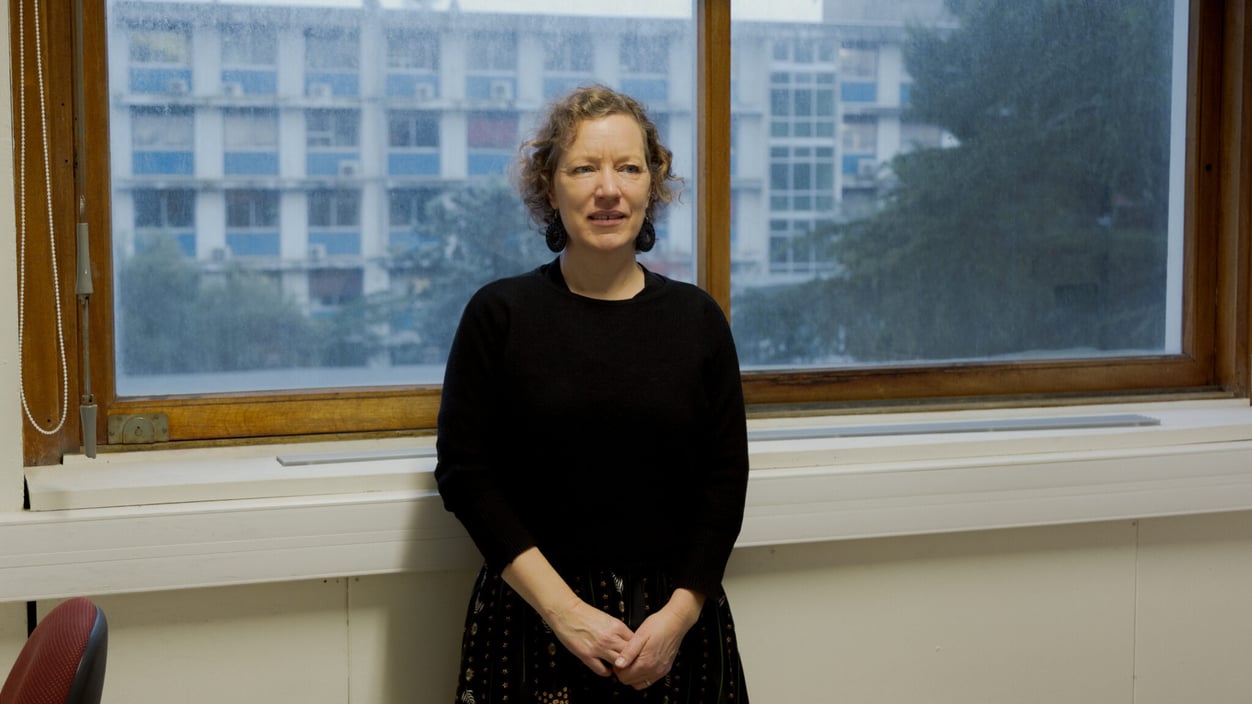
Naïma Lecomte for STAT
Pleuni Pennings (above) was already in Europe — on a sabbatical of sorts in the south of France — watching from afar as the second Trump administration started tearing into the scientific research system earlier this year. She and her family weren’t planning to stay, but between her pessimism about receiving grant funding and her anxiety about the immigration crackdown given her own status as a green card holder, they did.
Pennings is an embodiment of the “brain drain” concern that many experts have raised as the Trump administration’s upheaval of science continues. While experts who track the scientific labor force say it’s too soon to know how many scientists have left the U.S., it’s clear that at least some movement is occurring. STAT’s Andrew Joseph spoke with a half-dozen scientists who have left or are in the process of leaving the U.S. Read more to learn about the two big reasons people are planning to jump ship. It’s the latest in our American Science, Shattered series. Catch up on the previous stories here. And there’s more to come this week.
cardio
Stress heightens risk of cardiovascular disease in people with anxiety and depression
Anxiety or depression aren’t good for heart health, a large new study says. Together, they drive the risk for heart attack, heart failure, or stroke even higher. But how? Researchers have found clues in the body’s “fight or flight” reactions, the stress response that sends the heart racing, revs up blood pressure, and triggers chronic inflammation. When it’s overactive, this stress-related activity, tracked by neuroimaging in the brain and biomarkers of inflammation in the blood, damages blood vessels and accelerates heart disease.
Data from participants in the Mass General Brigham Biobank who had anxiety, depression, or both were followed for almost three and a half years. People with both anxiety and depression had a 32% higher risk of cardiovascular disease over that time compared to people with just anxiety or depression, a level that held true after accounting for factors like socioeconomic status, smoking, diabetes, and hypertension.
The observational study can’t show cause and effect, so the authors of the study, published today in Circulation: Cardiovascular Imaging, say more research is needed to nail down any direct role of depression and/or anxiety. The authors will also study possible treatments to see if stress-reduction therapies, anti-inflammatory medications, or lifestyle changes might lower risk for serious cardiovascular events.
“Together, these changes seem to form a biological chain linking emotional stress to cardiovascular risk,” study co-author Abohashem said in a statement. “This reinforces that protecting heart health isn’t just about diet or exercise, it’s also about emotional health.” — Elizabeth Cooney
one big number
$2.63 million
That’s how much science whistleblower Sholto David will receive as part of a $15 million settlement over misrepresented data and images in research by scientists from the Dana-Farber Cancer Institute. Drew visited David at his home in Pontypridd, Wales, in January 2024, less than a month after David published a blog post outlining the errors that he and other sleuths had noticed. “I’m not a successful researcher, am I? Let’s be realistic,” David told Drew. “But I’m seeing all these people who’ve got these high-flying careers and they’re just bloody Photoshopping all the blots. Wouldn’t you be mad about that?”
Revisit that story, then read Jonathan Wosen’s report on David’s big pay day.