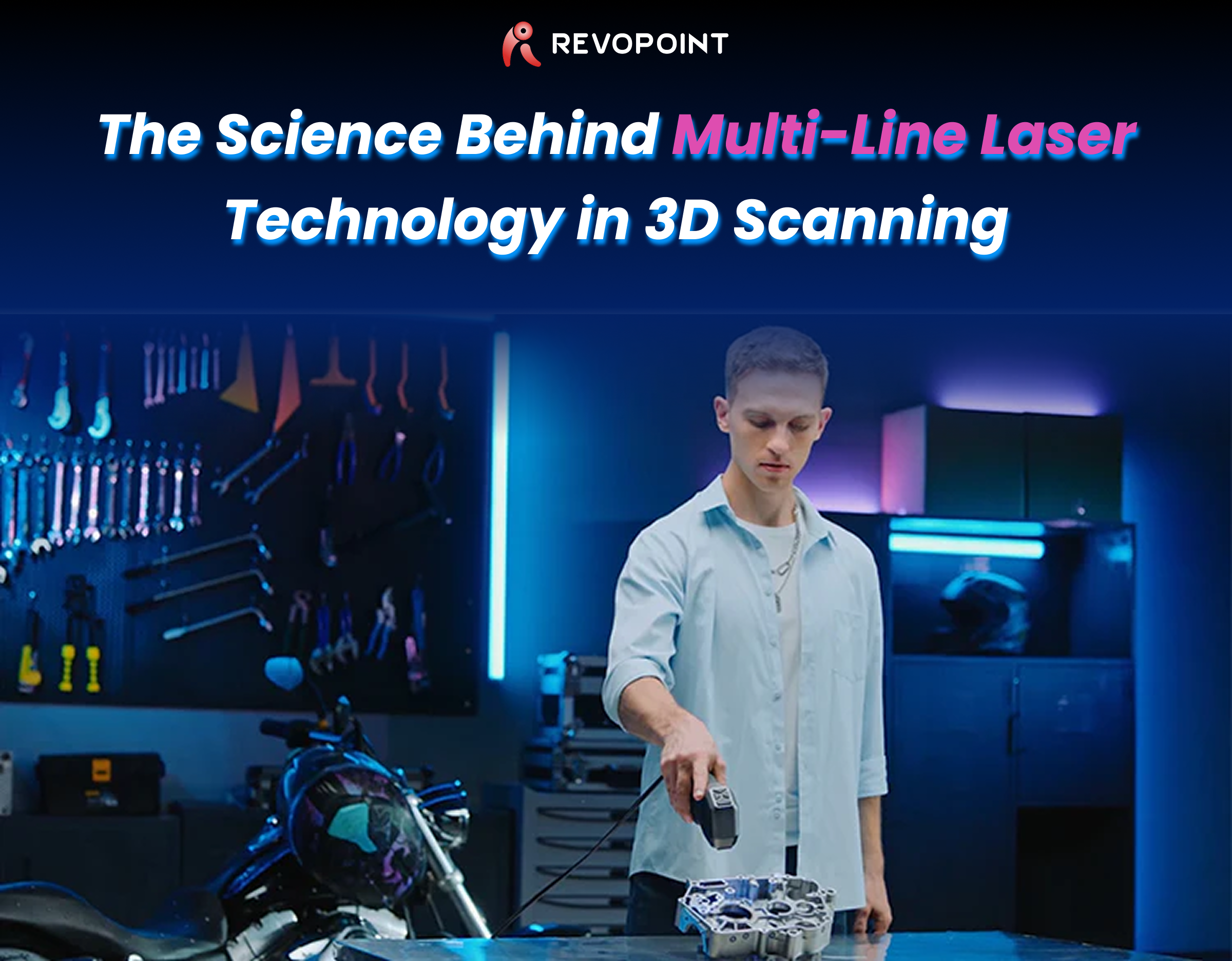
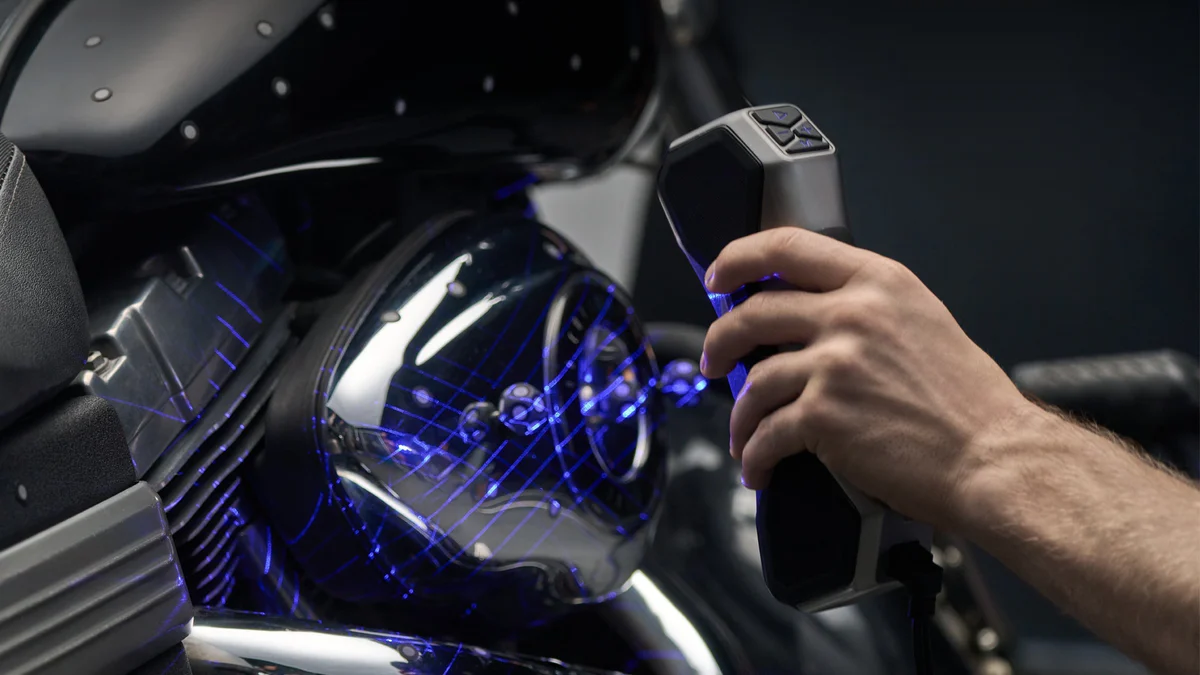
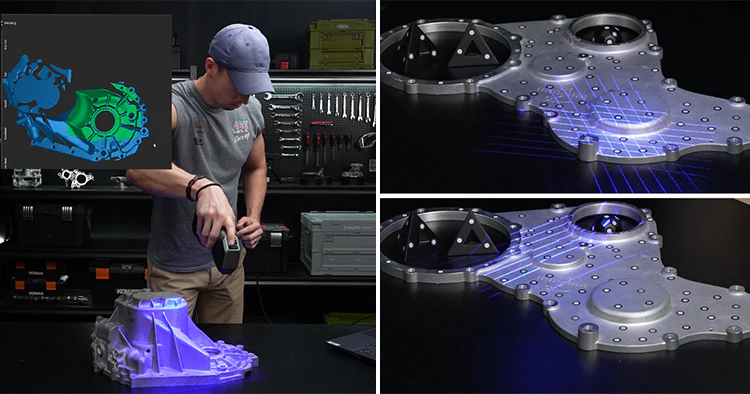
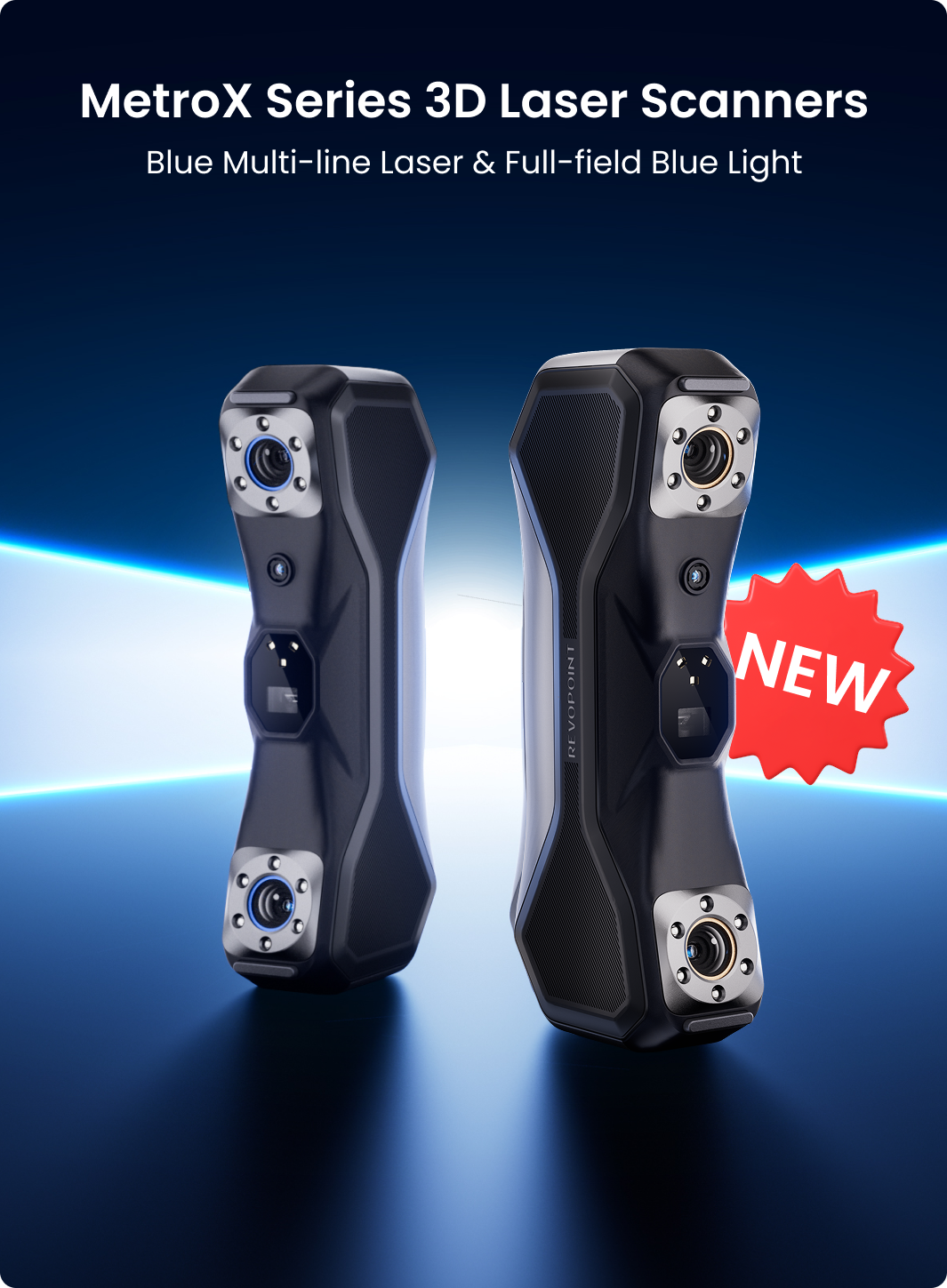
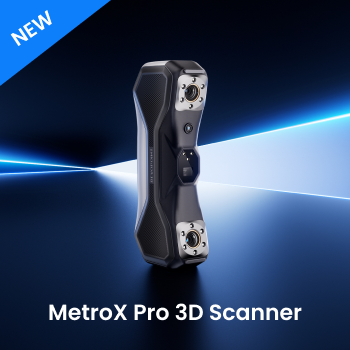
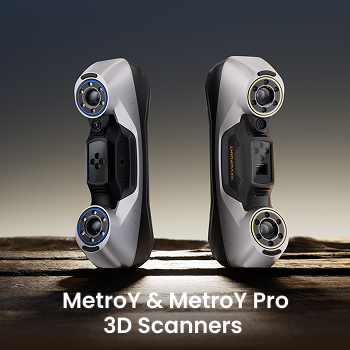
Unlike single-line or traditional structured light systems, multi-line laser scanners project multiple laser lines simultaneously—capturing millions of points per second with exceptional fidelity.
This advanced method, supported by triangulation and geometric modeling, ensures accurate reconstruction even on curved, reflective, or low-texture surfaces. Research-backed calibration techniques (such as quadric surface modeling) further reduce distortion and increase measurement confidence.
Key Advancements Making It Indispensable
Modern multi-line laser scanners thrive on the synergy of hardware and software, delivering benefits that solve real-world pain points:
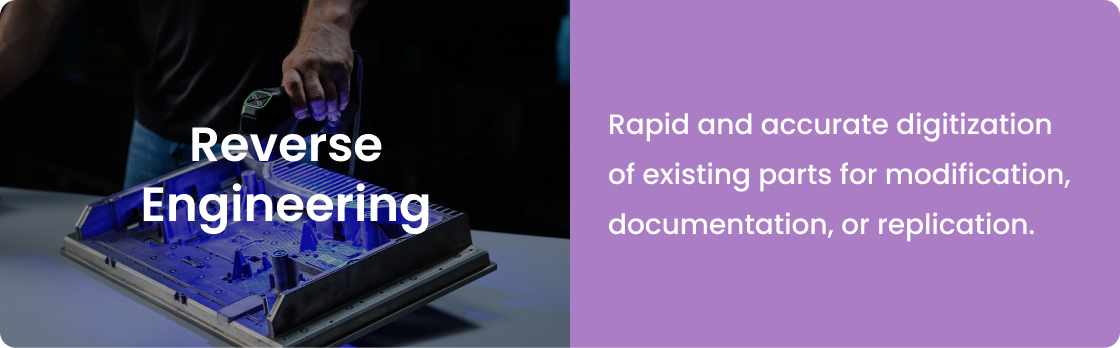
Metrology-grade precision: Systems with blue laser lines or full-field structured light achieve accuracy down to 0.01 mm—critical for quality inspection and reverse engineering.
High-speed capture: They process millions of points per second, enabling fast digitization of both small, intricate components and medium-sized assemblies.
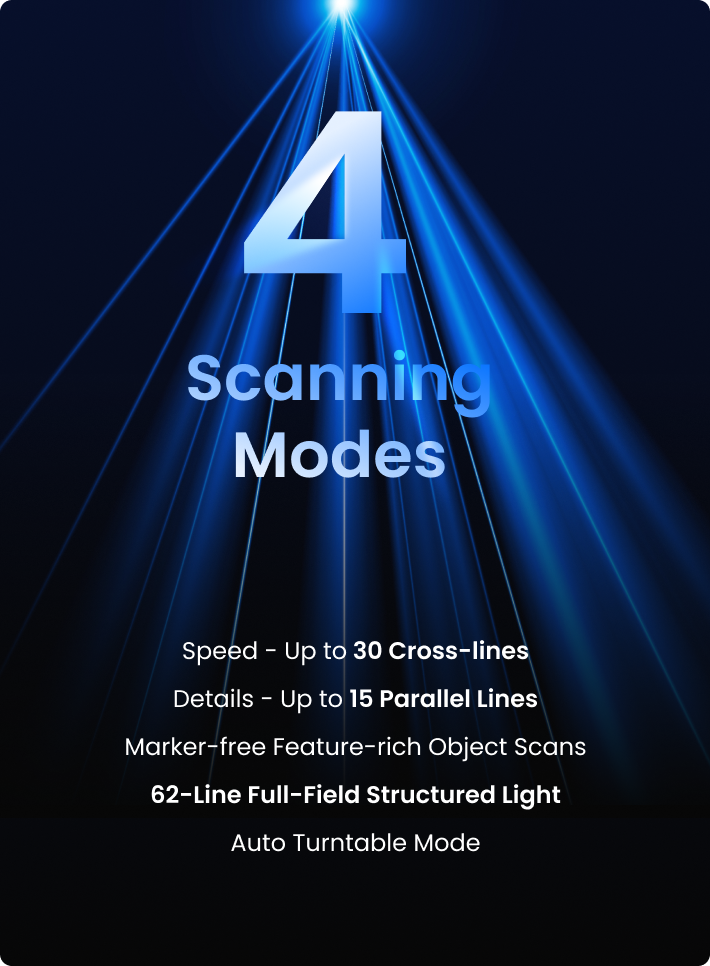
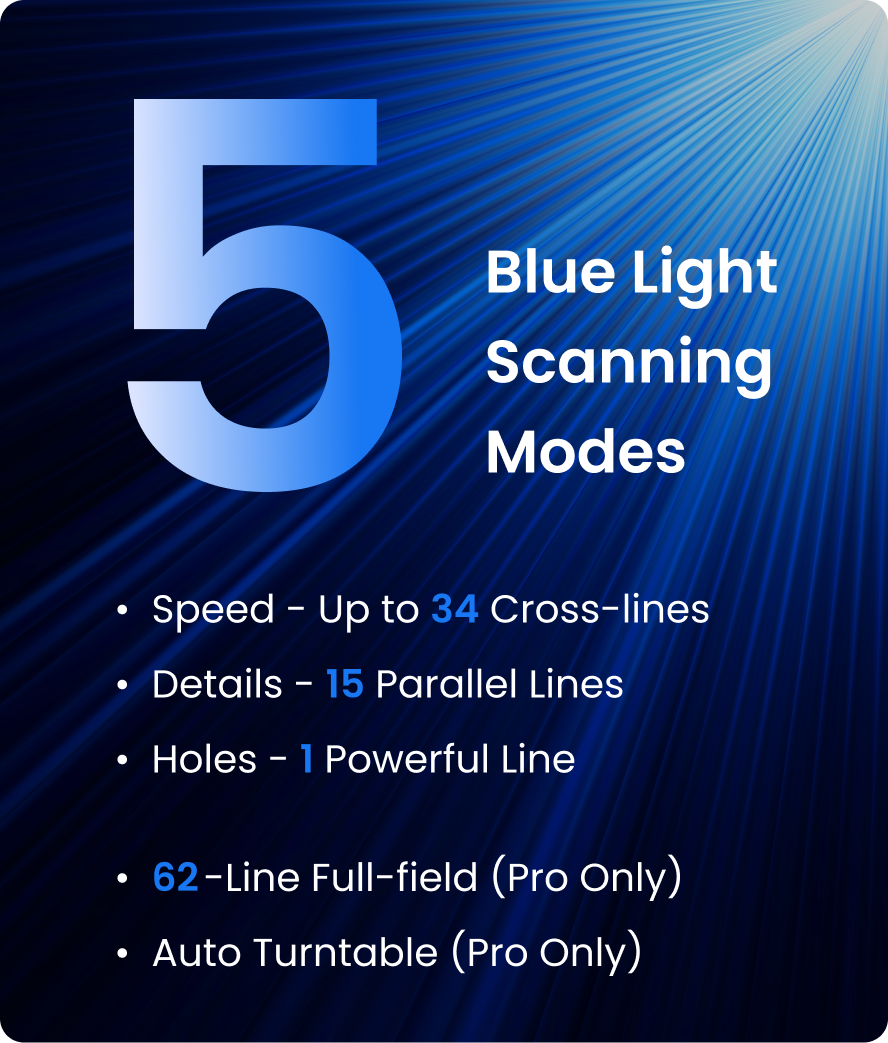
Adaptability: Multiple scanning modes (cross-line, parallel-line, full-field) let you tailor workflows to an object’s size, surface properties, and required resolution. Automated turntables and advanced tracking also minimize manual work, even for tricky surfaces like shiny metals or deep black plastics.
Read our complete guide for detailed troubleshooting tips and advanced techniques to elevate your 3D scanning workflow.
No longer want to receive these emails? Unsubscribe.
Revopoint International Limited FLAT/RM 1911, LEE GARDEN ONE 33 HYSAN AVENUE, CAUSEWAY BAY Hong Kong, Hong Kong 000000