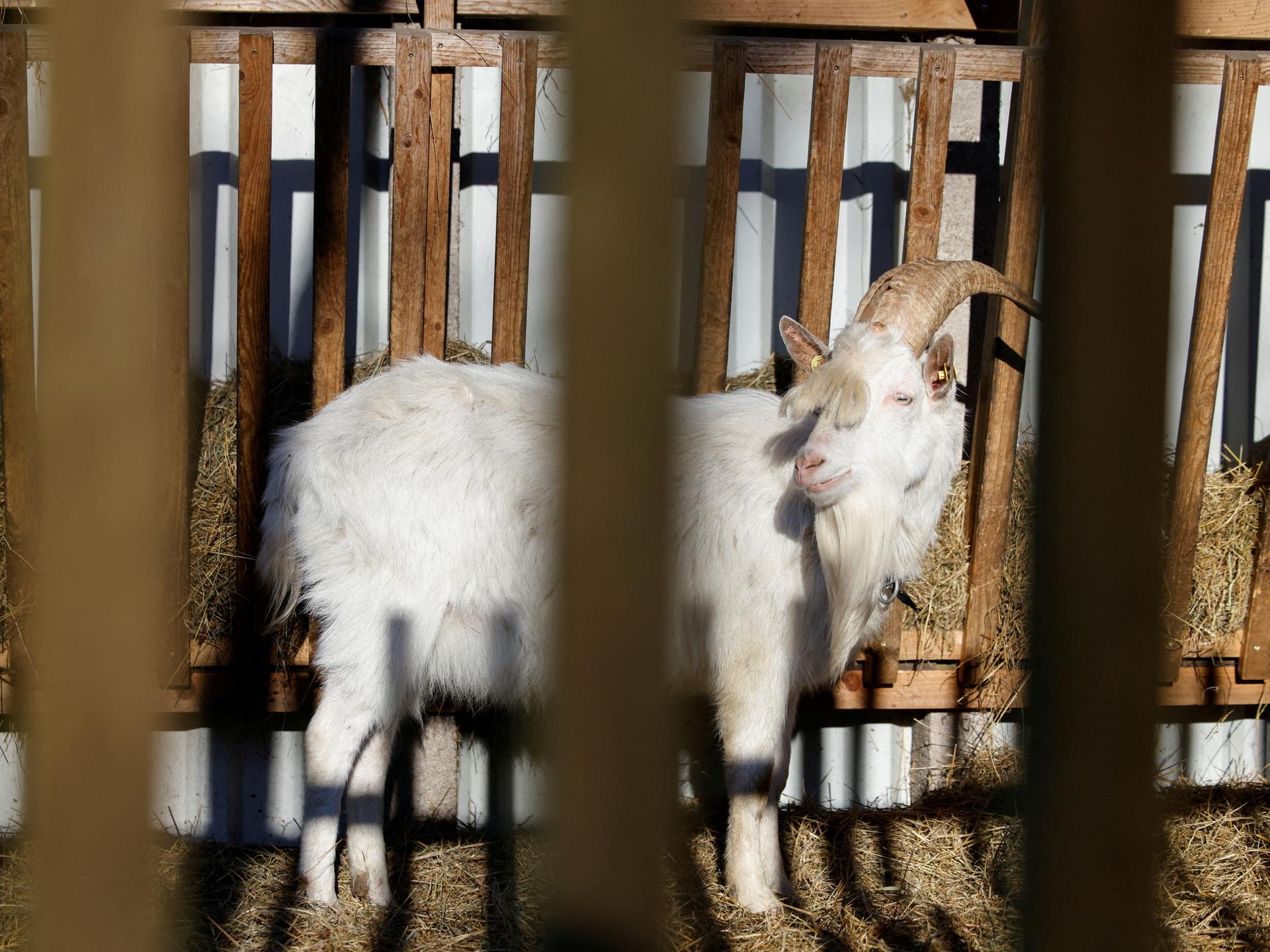
Since 2005, highly pathogenic avian influenza has killed more poultry and wild birds than the combined human populations of the United States and Russia. In just the past three months, bird flu has affected more than 9 million commercial and backyard flocks in the United States, while poultry farms in South Korea report new outbreaks. In Europe during that period, bird flu cases climbed to their highest mark since 2016, with 26 countries reporting infections.
Alongside bird flu, Europe is facing outbreaks of foot-and-mouth disease, sheep and goat pox, and other animal diseases that have translated to economic losses in the hundreds of millions of dollars as well as millions of metric tons of ruined meat and dairy products. To lead this week’s edition, Director General of AnimalhealthEurope Roxane Feller urges EU policymakers to prioritize animal health in agricultural and environmental policies as part of the ongoing EU Common Agricultural Policy as well as the European Green Deal.
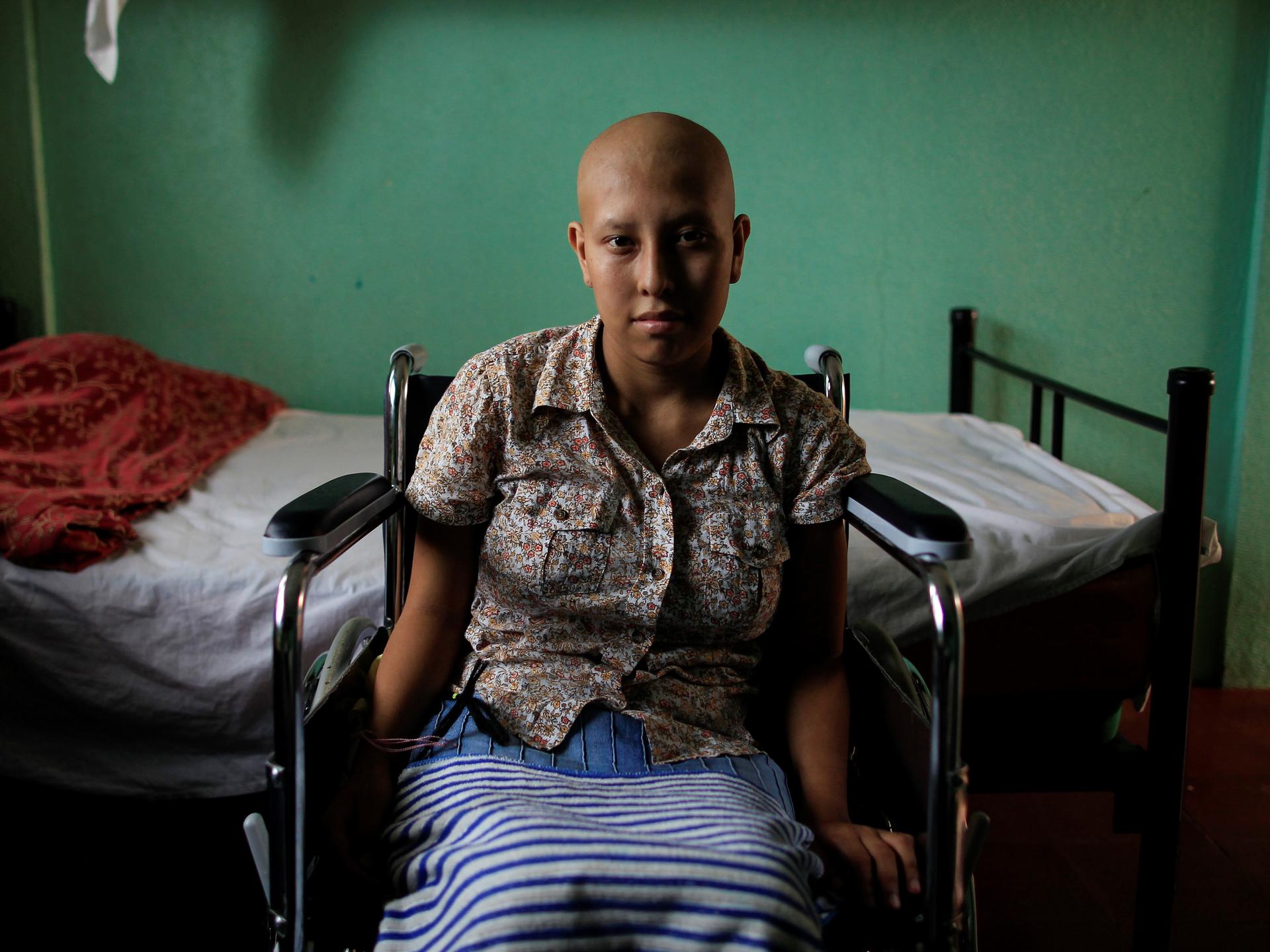
Across the Atlantic, lung cancer is growing in Latin America. Despite the disease accounting for only 7% of new cancer cases, it is the region’s leading cause of death. To understand the factors driving that burden, a group of researchers including Daniel Samacá, an evidence generation partner at Roche Colombia, explain the findings behind their recent analysis in the Lancet. Their article reveals the economic consequences of delaying access to innovative therapies for lung cancer.
To cap off the week, Lydia Wu and a team from the Diagnostics Accelerator Initiative—a collaboration between Gates Ventures and the Alzheimer’s Drug Discovery Foundation—describe how breakthroughs in blood-based biomarkers and advances in digital tools could allow for earlier and more precise diagnoses for Alzheimer’s disease.
Until next week!—Nsikan Akpan, Managing Editor, and Caroline Kantis, Associate Editor