The business of being an AI czar, Pat Gelsinger on Intel, Coupang data leak.
 ͏  ͏  ͏  ͏  ͏  ͏  ͏  ͏  ͏  ͏  ͏  ͏  ͏  ͏  ͏  ͏  ͏  ͏  ͏  ͏  ͏  ͏  ͏  ͏  ͏  ͏  ͏  ͏  ͏  ͏  ͏  ͏  ͏  ͏  ͏  ͏  ͏  ͏  ͏  ͏  ͏  ͏  ͏  ͏  ͏  ͏  ͏  ͏  ͏  ͏  ͏  ͏  ͏  ͏  ͏  ͏  ͏  ͏  ͏  ͏  ͏  ͏  ͏  ͏  ͏  ͏  ͏  ͏  ͏  ͏  ͏  ͏  ͏  ͏  ͏  ͏  ͏  ͏  ͏  ͏  ͏  ͏  ͏  ͏  ͏  ͏  ͏  ͏  ͏  ͏  ͏  ͏  ͏  ͏  ͏  ͏  ͏  ͏  ͏  ͏  ͏  ͏  ͏  ͏  ͏  ͏  ͏  ͏  ͏  ͏  ͏  ͏  ͏  ͏  ͏  ͏  ͏  ͏  ͏  ͏  ͏  ͏  ͏  ͏  ͏  ͏  ͏  ͏  ͏  ͏  ͏  ͏  ͏  ͏  ͏  ͏  ͏  ͏ ­ ­ ­ ­ ­ ­ ­ ­ ­ ­ ­ ­ ­ ­ ­ ­ ­ ­ ­ ­ ­ ­ ­ ­ ­ ­ ­ ­ ­ ­ ­ ­ ­ ­ ­ ­ ­ ­ ­ ­ ­ ­ ­ ­ ­ ­ ­ ­ ­ ­ ­ ­ ­ ­ ­ ­ ­ ­ ­ ­ ­ ­ ­ ­ ­ ­ ­ ­ ­ ­ ­ ­ ­ ­ ­ ­ ­ ­ ­ ­ ­ ­ ­ ­ ­ ­ ­ ­ ­ ­ ­ ­ ­ ­ ­ ­ ­ ­ ­ ­ ­ ­ ­ ­ ­ ­ ­ ­ ­ ­ ­ ­ ­ ­ ­ ­ ­ ­ ­ ­ ­ ­ ­ ­ ­ ­ ­ ­ ­ ­ ­ ­ ­ ­ ­ ­ ­ ­  
Monday, December 1, 2025


Good morning. How did DoorDash win the delivery wars?

It’s been a bit of a grind, as you’ll discover by reading Jason Del Rey’s latest piece in Fortune magazine. As Mark Zuckerberg describes it, DoorDash CEO Tony Xu has approached things in a “very methodical, gritty, competitive” way. (Don’t knock the hustle.)

How? Hop in the car (and steel yourself for a wave of orders) with Xu and Del Rey to find out

In the meantime, today’s tech news below. —Andrew Nusca

Want to send thoughts or suggestions to Fortune Tech? Drop a line here.

Advertisement
It’s good business to be the U.S. AI and crypto czar

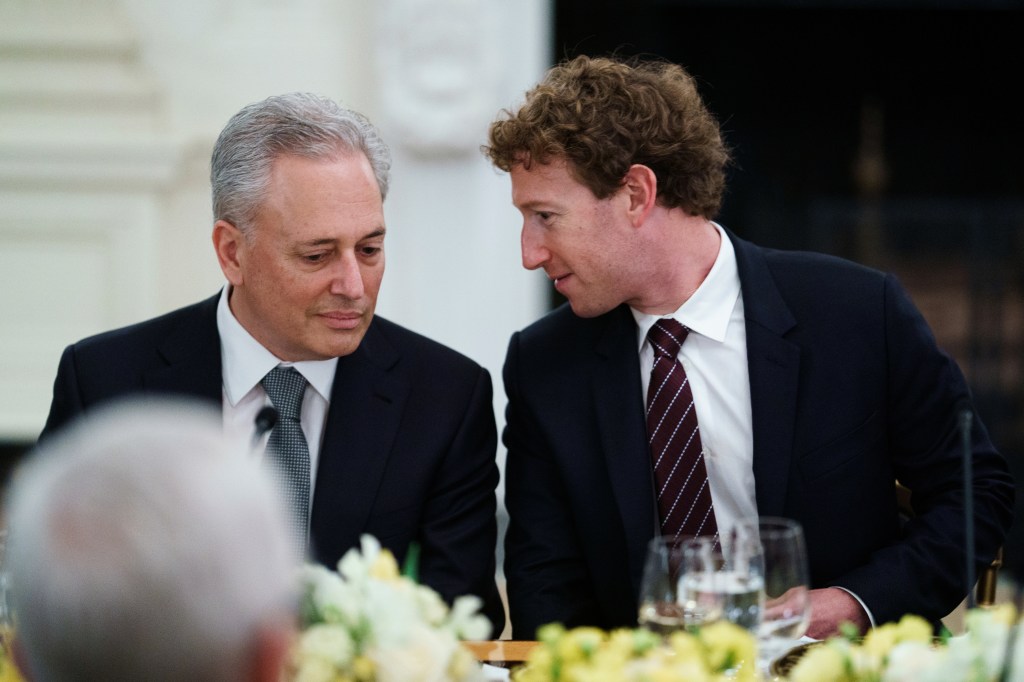
White House AI and crypto czar David Sacks (left) with Meta CEO Mark Zuckerberg in Washington, D.C. on Sept. 4, 2025. (Photo: Will Oliver/EPA/Bloomberg/Getty Images)White House AI and crypto czar David Sacks (left) with Meta CEO Mark Zuckerberg in Washington, D.C. on Sept. 4, 2025. Will Oliver/EPA/Bloomberg/Getty Images

The New York Times threw a spotlight on the Trump administration’s AI and crypto czar over the weekend, finding that the tech investor-turned-“special government employee” has been very good at positioning himself “to profit from Mr. Trump’s directives.”

Per The Times, Sacks has pushed to eliminate government obstacles facing AI companies and made policy recommendations that run counter to national security recommendations. 

He also held an AI summit headlined by President Trump and co-hosted by his own media company.

All of that comes with the context that Sacks retains hundreds of tech investments, many of which directly benefit from his approach to AI and crypto, from Anduril to Palantir.

“The tech bros are out of control,” former Trump adviser Steve Bannon told the paper. “They are leading the White House down the road to perdition with this ascendant technocratic oligarchy.”

It should be said that the Sacks camp rejected the notion of any conflicts of interest. According to a personal spokesperson, the erstwhile PayPal mafioso sold certain investments—Amazon, Meta, Elon Musk’s xAI—to take on his unpaid role. —AN

Pat Gelsinger has a thing or two to say about Intel

The only thing more fun than speculating about Intel’s future is asking former Intel CEOs to speculate about the chipmaker’s future.

A few months after ex-chief Craig Barrett weighed in about the direction of the Silicon Valley icon, Pat Gelsinger has entered the chat. 

The former chief and three-decade Intel veteran—who was forced out a year ago in favor of current CEO Lip-Bu Tan—tells the Financial Times that there was “decay … deeper and harder than I’d realized” at the company. 

In the years before Gelsinger returned to Intel to take its top job, “not a single product was delivered on schedule,” he said. To boot, rival TSMC had begun making some of Intel’s own chips. 

The 2022 Chips Act promising tens of billions in federal funding that Gelsinger and his peers worked so hard to lobby for? “Hideous” and upsetting that it took so long to disburse the funds, Gelsinger told the FT

He added that there was a “touch of irony” in his successor pursuing a similar plan to his, and said he supported the recent 10% federal stake in Intel if it helps it succeed. 

But the only thing that will actually bring chipmaking back to American shores? “Economic dislocation,” he said. And perhaps some sharp elbows, too. —AN

Advertisement
Data leak at Coupang exposes 34 million accounts

Ruh roh.

Authorities in South Korea are reportedly investigating a data leak at retailer Coupang, which is sometimes described as an Amazon for South Korea.

How bad? Personal data from nearly 34 million accounts, enough to be a top-of-the-table hack in a nation of about 52 million people.

The exposed data in question includes names, email addresses, shipping addresses, and phone numbers. The alleged perpetrator is a Chinese national who had previously worked at the company.

The leak was discovered on Nov. 18 but appears to go back to late June.

CEO Park Dae-jun said the company was “reviewing potential improvements to our existing data-security systems and safeguards to better protect customer data.” 

For good reason: The country’s Ministry of Science and ICT is simultaneously reviewing whether Coupang violated national data protection rules.

Missteps can be costly. Earlier this year, SK Telecom was fined $97 million for failing to safeguard customer data and delaying its report of a breach. —AN

More tech

Airbus orders 6,000 aircraft to roll back software. Solar radiation corrupted flight control data on A320-series planes.

Black Friday report. AI-driven traffic to U.S. retail sites grew 805% (!) compared to last year, per Adobe.

Chinese open source AI models: All the rage among U.S. startups.

Databricks’ latest valuation: $134 billion. The San Francisco startup is reportedly raising $5 billion. 

Micron will reportedly invest $9.6 billion in Japan to build a facility to make memory chips.

1 in 5 peer reviews submitted at a major AI conference were found to be AI-generated.

Temasek mulls ~5% stake in Quest Global. The deal would value the engineering services company at $4.6 billion.

Thanks for reading