Broadcom CEO Hock Tan: AI investors have ‘no clue’ what they’re investing in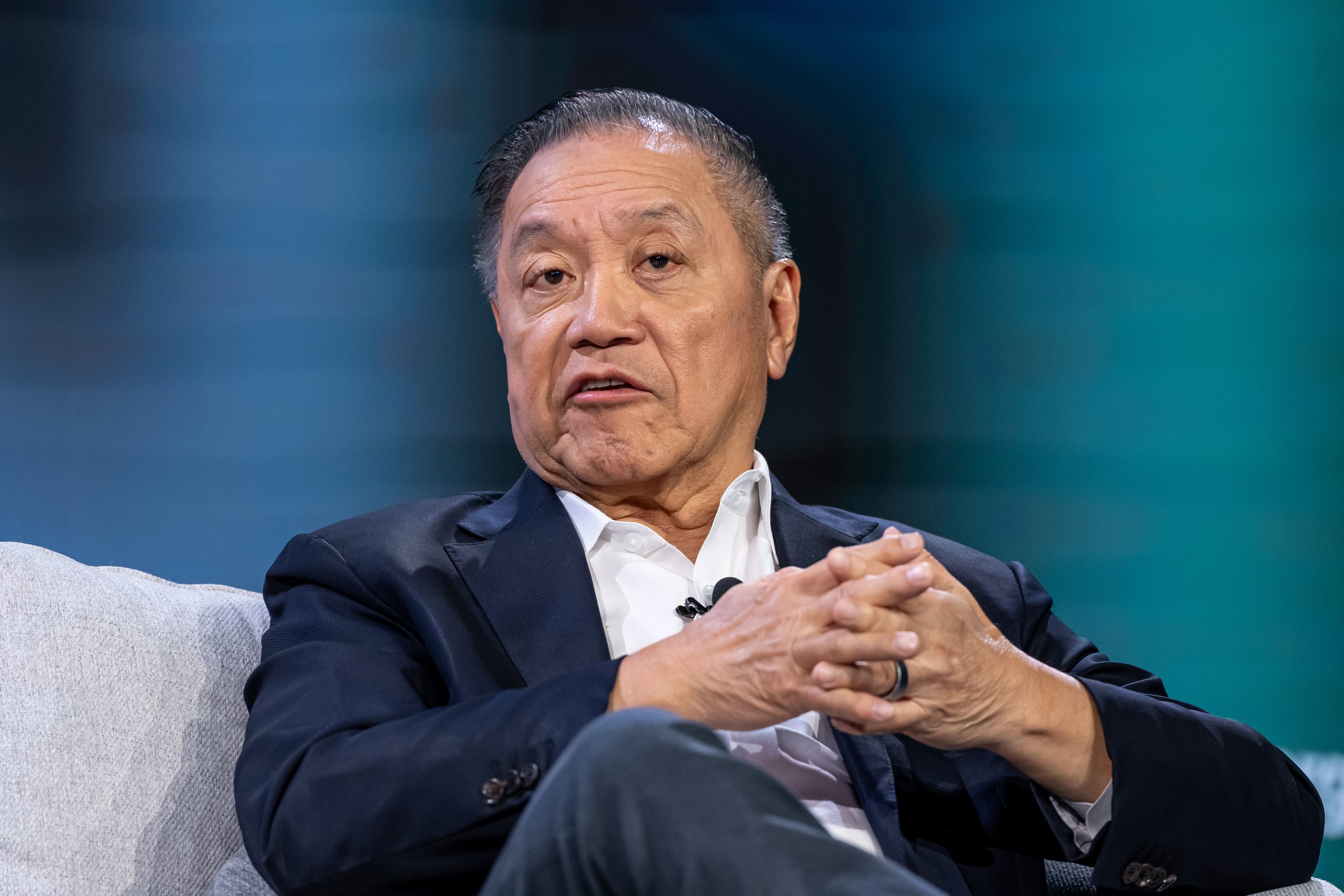
Broadcom CEO Hock Tan at a conference in San Francisco on June 4, 2026.David Paul Morris—Bloomberg/Getty Images
Hyperscalers are pouring billions into data centers, and Broadcom, which designs custom AI chips for them, has been one of the biggest beneficiaries. The company has generated about $68 billion in AI semiconductor revenue since late 2023.
But on Monday, Broadcom CEO Hock Tan
likened many of the investors drawn to the AI boom to gamblers and questioned the economics of AI labs as Wall Street debates whether the AI bubble will burst.
“A lot of investors have no clue what they are investing in,” he reportedly said at the DBS Asia Future Forward Conference in Singapore. He said they “set very extreme expectations only to find out that it’s almost like they are in a casino.”
Broadcom supplies the hardware that frontier AI labs need to build their systems. But while Broadcom can profit from selling chips, the AI labs buying computing power must still find enough paying customers to cover the cost of developing and running their models.
The challenge is to turn demand into sustainable revenue. Annualized revenue extrapolates a company’s current sales pace across a year, but labs have expenses to cover in the meantime. OpenAI, for example, expects to spend more than $25 billion on training alone this year.
“For now, it’s still losing money because they’re spending a lot on training,” Tan said. “So frankly, it doesn’t tell anything at this point except that there is a lot of potential revenue growth out of providing frontier generative AI models.”
Elsewhere, Tan criticized the corporate frenzy of AI adoption for “wasting money” on tokens to experiment with AI instead of figuring out where using it generates returns. He likened it to children feeding arcade tokens into games with nothing to show for it in the end.
“When you are a kid, you go to a video arcade, you play. Your parents give you $10 of tokens; you finish it in 10 minutes, and you haven’t learned anything,” he said. “That’s what’s happening in enterprises today.”
His concerns echo the findings of
a recent McKinsey survey on the ROI of AI. Although 80% of respondents said AI had improved their individual productivity, only 37% reported that it had contributed to their organization’s EBITDA. About one in five respondents said AI-related operating expenses, including token costs, had actually constrained their organization’s use of the technology.
—Mia Osmonbekov