An artful array of hats, a divine sip of canned Bloody Mary and the UAE’s approach to cybersecurity.
|
Monday 21/9/26
|

|
|
London
Paris
Zürich
Milan
Bangkok
Tokyo
Toronto
|
|
|
|

Good morning from Midori House. For more news and views, tune in to Monocle Radio. Here’s what’s coming up in today’s Monocle Minute:
THE OPINION: How hotels make an entrance
FASHION: Maison Michel is anything but old hat
DAILY TREAT: Sip from a can of Bloody Mary
Q&A: The UAE’s cybersecurity chief on AI and digital warfare
|
|
The perfect lobby can be many things but a buzzing, multi-purpose room is not one of them
By Florian Siebeck
|

|
The hotel lobby might be the most misunderstood space in hospitality. Everyone agrees that it matters but nobody seems to agree on what it should be. In recent years, the lobby has been asked to shoulder an exhausting number of roles at once: reception desk, living room, co-working hub, cocktail bar, social condenser, pop-up retail floor and, increasingly, an upholstered waiting room for guests to take Zoom calls.
In an anxious attempt to please everyone, many hotels end up pleasing no one. The irony is that the brief is not especially complicated. A good lobby follows one simple rule: make an entrance without making a fuss. Designers say that it takes about seven seconds to form a first impression of a room. A successful lobby uses those seconds to reassure guests – quickly and quietly – that they are in the right place.
| |
|
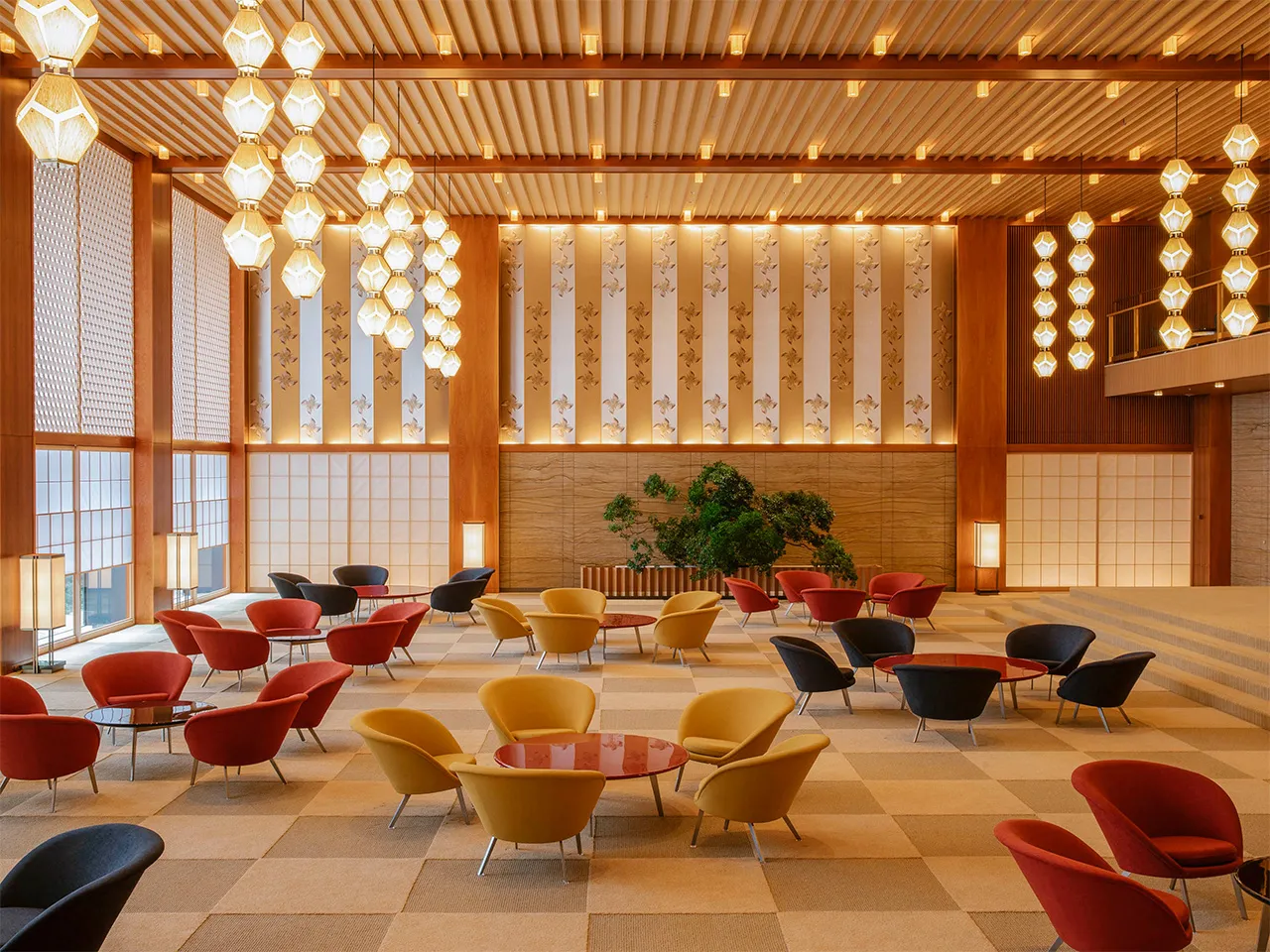
Sitting pretty: The Okura Tokyo
|
|
The best hotels do this with disarming ease: clear sightlines, confident proportions, a sense of calm authority. Take Aman Tokyo. Suspended high above the city, its scale is monumental but its palette is hushed, with stone, timber and washi-paper lights. Low-slung sofas are placed with near-ceremonial symmetry and their dramatic contrast to the soaring ceiling heightens the sense of space.
Crucially, laptops don’t take over the tables; no ambient buzz masquerades as atmosphere. The recent obsession with turning lobbies into all-day “social hubs” has produced a form of low-grade acoustic fatigue. There’s nothing wrong with good coffee but there is something exhausting about the permanent hiss of milk steamers and the nervous shuffle of people hunting for power sockets. A lobby should offer refuge from the city, not replicate its most irritating traits.
A lobby is not a living room and it shouldn’t pretend to be one unless it has the space, the choreography and the crowd to pull it off. The Manner in New York, for example, channels a kind of Italianate grandezza. The atmosphere is generous, not busy, which is partly because check-in happens discreetly one level below, leaving the main lounge free from the constant stream of arrivals.
The best lobbies share a certain restraint. At The Okura Tokyo, carpets absorb sound, crystal-like lanterns hover beneath a timber ceiling and chairs are arranged like plum blossoms. However busy the gold-toned space becomes, it remains serene. When the hotel’s 1962 modernist landmark building was demolished in 2015 to make way for a less distinguished replacement, the lobby was reconstructed with forensic care as a result of public protest. Its proportions were laser scanned and its light, temperature and acoustic properties were meticulously measured to create an exact replica.
A lobby is a threshold, not a destination. It isn’t there to entertain you, to distract you or to sell you scented candles and cold-brew subscriptions. At its best, a lobby is a pause, an intake of breath. It doesn’t insist that you stay (though you might) and gives you enough composure to move on. In an age of perpetual stimulation, that sense of composure might be the most convincing first impression of all.
Florian Siebeck is Monocle’s Frankfurt correspondent. For more opinion, analysis and insight, subscribe to Monocle today.
|
|
Own the thing. Behind the next big thing
|
fashion: paris
Maison Michel invites you into the cinematic, forest-like world of hats
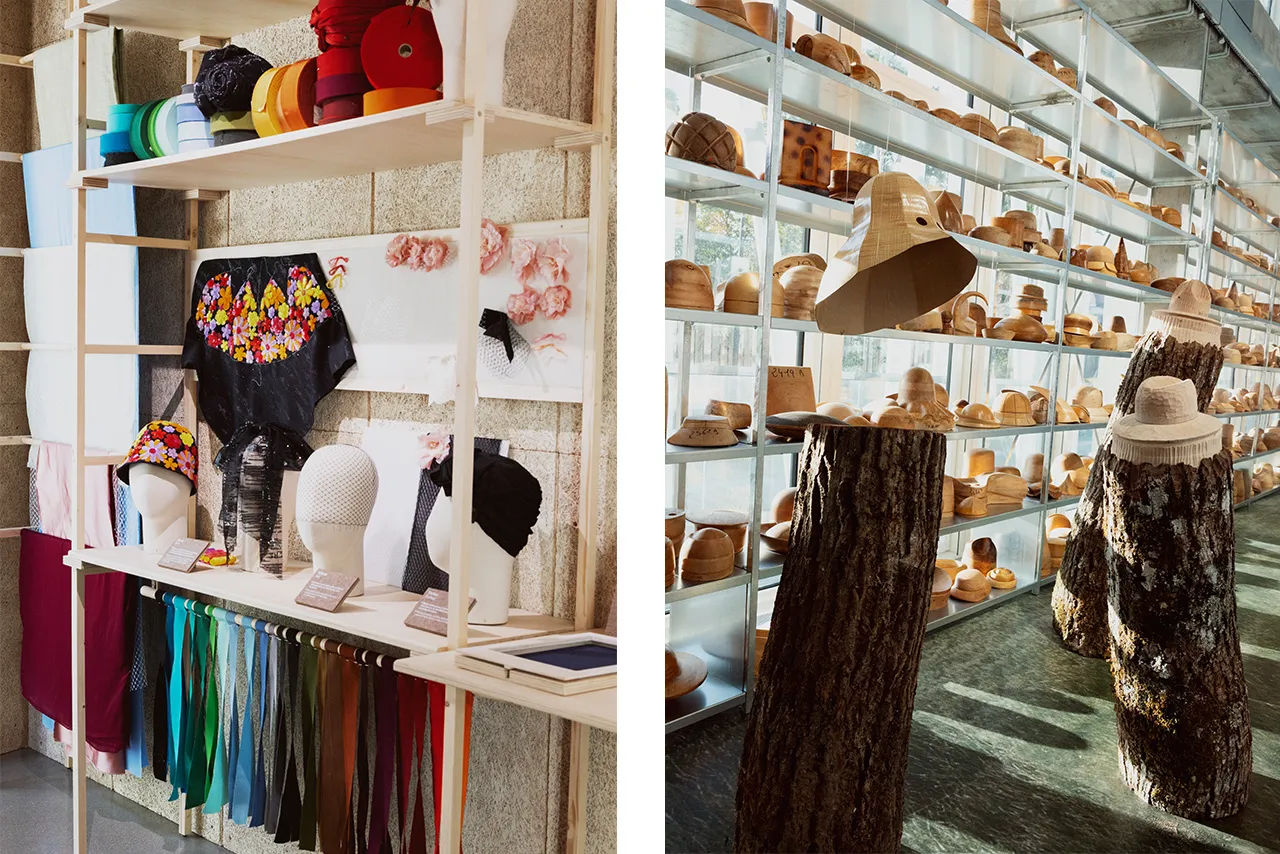
Marking 90 years of Parisian luxury milliner Maison Michel – one of the Chanel-initiated Galerie du 19M’s 11 residents – Metamorphoses, hats by Maison Michel is a voyage into the heady world of hats (writes Chloé Nakao-Pélata). When Monocle visits, Le19M’s chair in fashion savoir-faire, Émilie Hammen, clarifies that the exhibition isn’t a lesson in nostalgia but a deep dive into the world of creation. The journey begins at the roots, in a forest-like setting framed by tree trunks. “The starting point of every hat is a piece of wood,” says Hammen, explaining that the hats are shaped over wooden blocks. From there, the exhibition moves through felt, straw, ribbons and the many hands moulding them: the block maker, milliner and couseuse (“seamstress”). Next, a row of white hats are stripped of colour to highlight their silhouettes: berets, bobs, caps, cloches.
| |
|
Hats off: Pieces on display at ‘Metamorphoses: hats by Maison Michel’
|
|
Maison Michel’s creative director, Priscilla Royer, says that the pieces have a certain presence that only emerges once atop your head. The Tom Van der Borght hat from 2021, for example, is designed to be worn by two people at once. Without its wearers, it is an awkward and exuberant construction of felt, straw, sequins and glass beads. Cinema takes this idea a step further. A montage in partnership with network MK2 brings together some of the seventh art’s most memorable headgear: the black high hat in The Count of Monte Cristo and the matching pink and yellow numbers worn by the twins in Les Demoiselles de Rochefort. Hats off to La Galerie du 19M and Maison Michel for making the world of millinery feel anything but dusty.
le19m.com
‘Metamorphoses: hats by Maison Michel’ runs from 23 September until 13 December at La Galerie du 19M.
|
|
• • • • • DAILY TREAT • • • • •
Enjoy a divine sip of canned Bloody Mary
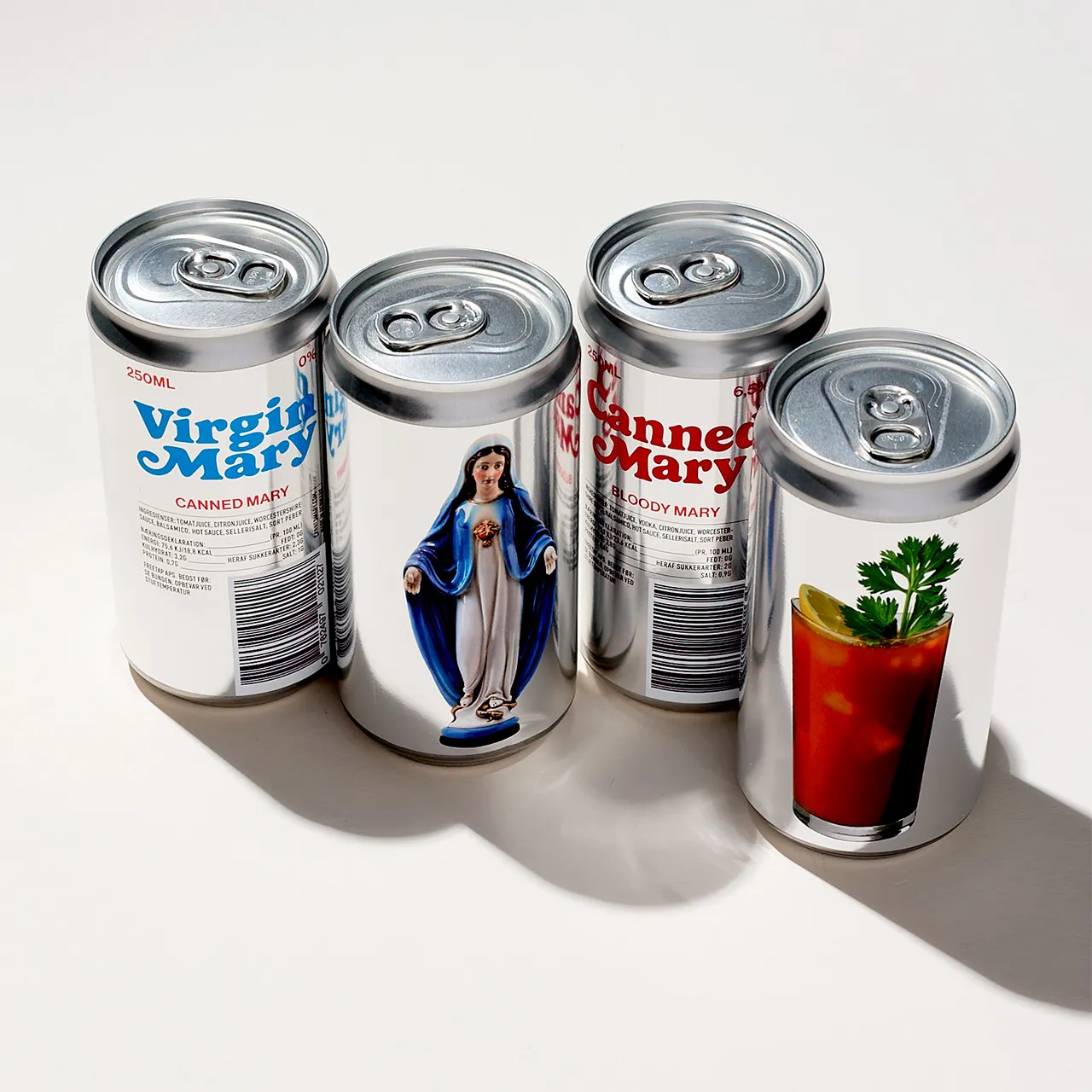
When a marketer and a designer from Copenhagen were offered a chance to create their own canned drink, they settled on a cocktail that they both loved but didn’t make at home. The clever design for their canned Bloody Mary came next, courtesy of co-founder Åsmund Sollihøgda’s sacred iconography.
The organic tomato and lemon juices come from a Danish fruit producer and importer, while the vodka is from a small distillery in Nyborg. Cholula hot sauce and Worcestershire sauce complement these flavours and the result is predominantly savoury, with a gentle spice and a tangy finish. And if you’re looking for something a little more virtuous, the non-alcoholic Virgin Mary will answer your prayers.
cannedmary.com
|
|
Q&A: Defence
The UAE’s cybersecurity head on adapting to digital warfare and the promise of AI
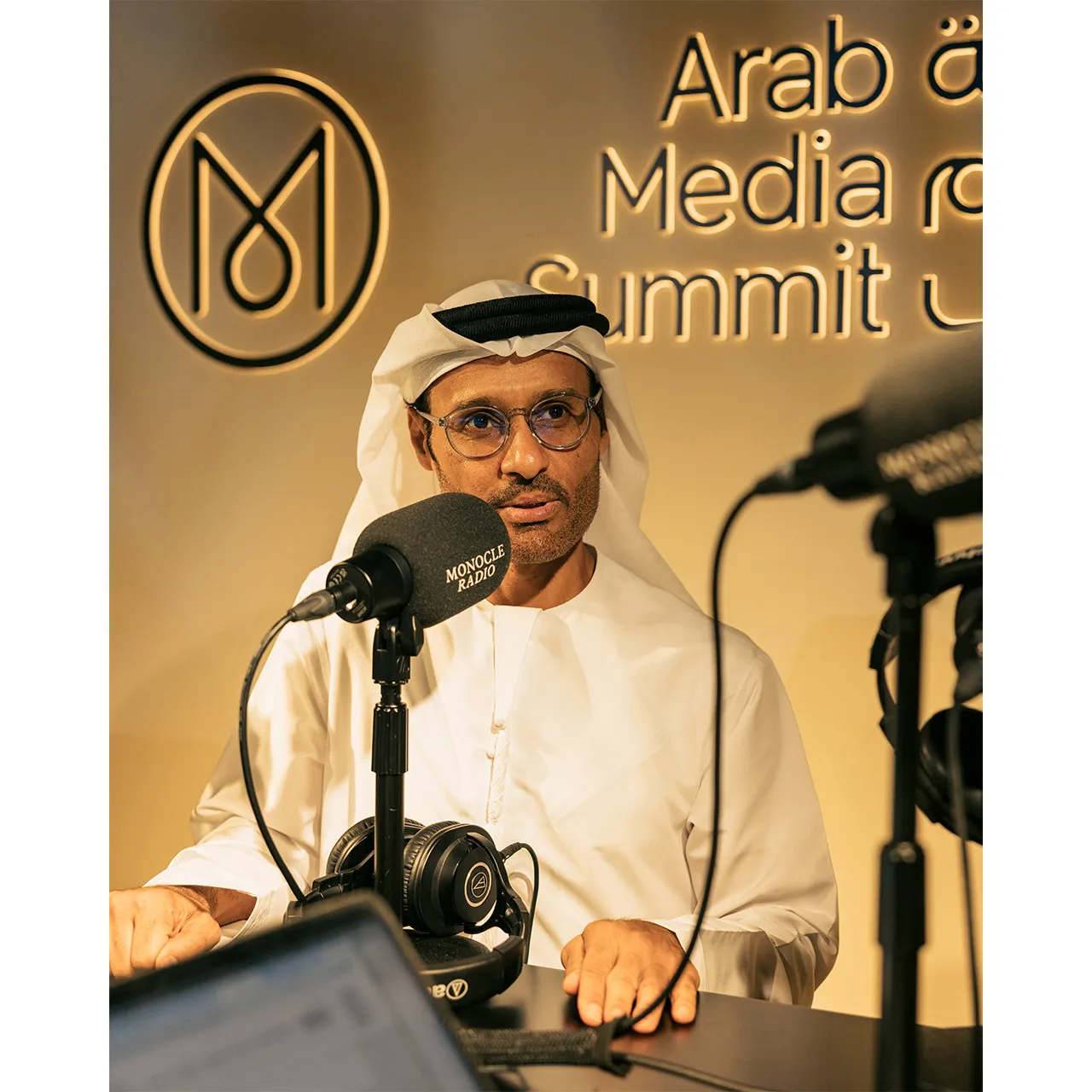
The machinery of everyday life attracts little attention until someone tries to disrupt or, indeed, destroy it (writes Inzamam Rashid). According to Mohamed Al Kuwaiti, the head of the UAE Cyber Security Council, Iran has targeted the UAE’s power grid and sought to wipe its digital records. At the Arab Media Summit in Dubai, he tells Monocle Radio how the Islamic Revolutionary Guard Corps has overseen a digital offensive alongside missile and drone attacks. As the conflict continues, he explains how his country’s defences are evolving and why confronting technology’s darker uses hasn’t dented his optimism about AI.
| |
|
Safety first: Mohamed Al Kuwaiti, head of the UAE Cyber Security Council
|
|
Did anything about Iran’s cyberattacks on the UAE surprise you?
We expected data leaks and spying on information; we expected theft, scams and attempts to steal data. But we didn’t anticipate someone attacking our power grid and trying to disrupt and destroy it, or targeting our database of digitised information and deleting everything. And we didn’t expect such things to happen so soon after the conflict began. We have learnt from this, which is why we are emerging more powerful.
Were these cyberattacks happening alongside the missile and drone strikes?
Whenever you heard about drone or ballistic-missile strikes on critical infrastructure such as energy, aviation or health care, there would also have been cyberwarfare, trying to add to the impact of the physical attack. We have seen this beyond the UAE: with Russia, Ukraine, Estonia, Israel and Palestine. It’s not only psychological operations or misinformation and disinformation on social media.
What lessons has the UAE taken from Russia’s war in Ukraine?
We have been holding cyber drills and national exercises for the past two or three years, with every sector being tested. We cover every scenario that we can think of: AI versus humans, AI versus AI and machines versus critical infrastructure. Last year we ran a cybersecurity drill in Dubai with 133 nations coming together for one cause: to protect against cyberattacks. We will have another one this week.
To read the full interview with Al Kuwaiti on monocle.com, click here.
|
|
Monocle Radio: Meet the Writers
The house of stories: Inside Chatsworth House’s literary treasures
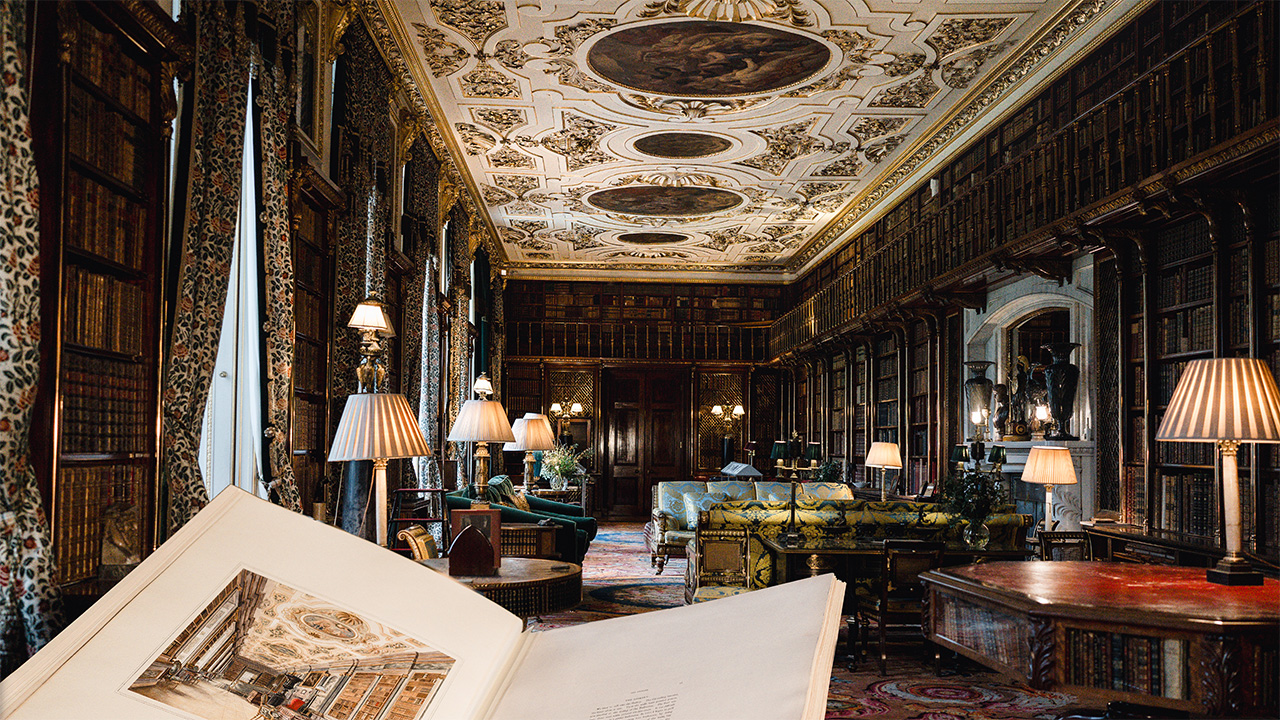
From Geoffrey Chaucer and Jane Austen to children growing up in a world dominated by screens, Georgina Godwin explores the enduring importance of reading against the backdrop of Chatsworth House’s extraordinary exhibit and the Queen’s Reading Room Festival.
|
|
PREFER MONOCLE.COM ON GOOGLE?
Amid the din of modern news, including us as a preferred Google source helps to push our reporting to the surface when you need it. Tap here to do just that.
| | | | |