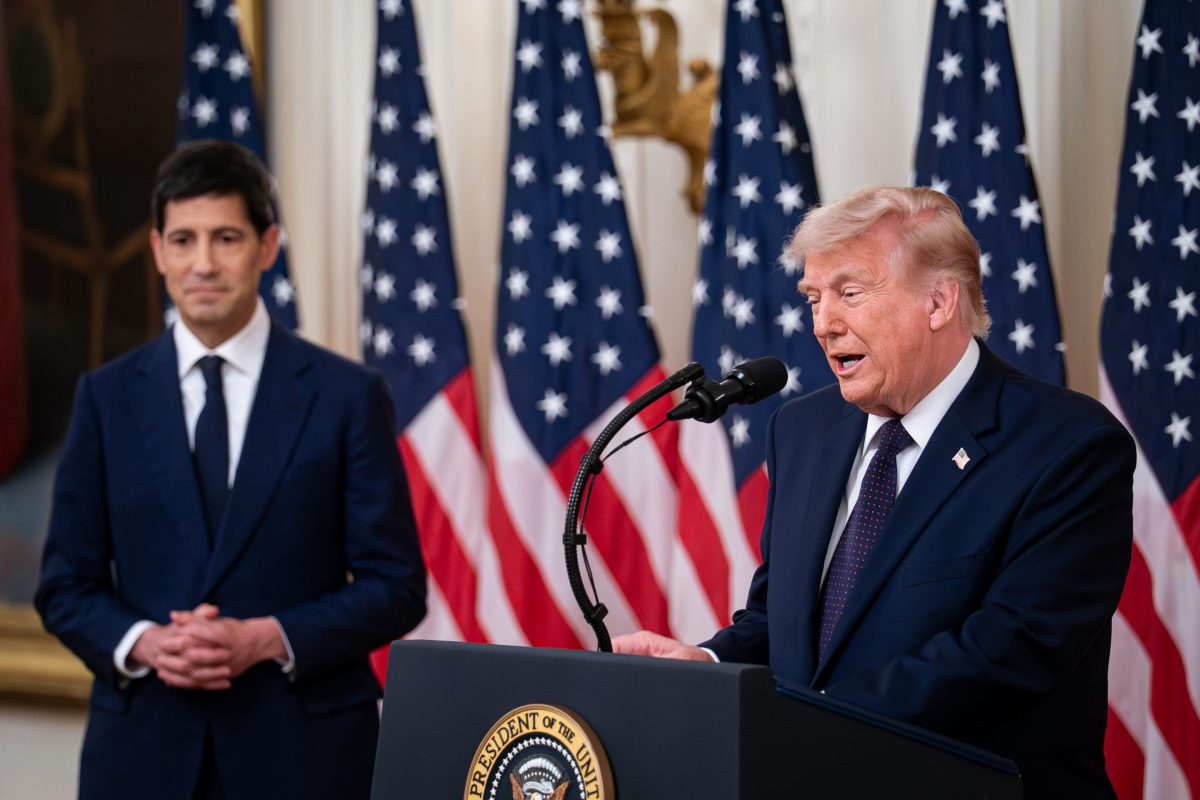
Senior reporter Eleanor Pringle here, filling in for Alyson. Kevin Warsh has had 120 days to think about when the Federal Reserve should raise rates. On Wednesday, he pulled the trigger.
Federal Reserve Chair Kevin Warsh (and everybody else) knew Wednesday’s unanimous vote by the central bank for a 25-basis-point hike would be unpopular with the White House, but the Fed’s mandate is to achieve an inflation target of 2% and maximum employment. Tough talk on inflation can only do so much. At some point, the Fed had to act.
But the Federal Open Market Committee (FOMC) has a problem. While the Fed wields an “enormous amount of power,” as Warsh acknowledges, the base-rate tool is monolithic: It cannot pinpoint an individual thorn in the side of the U.S. economy.
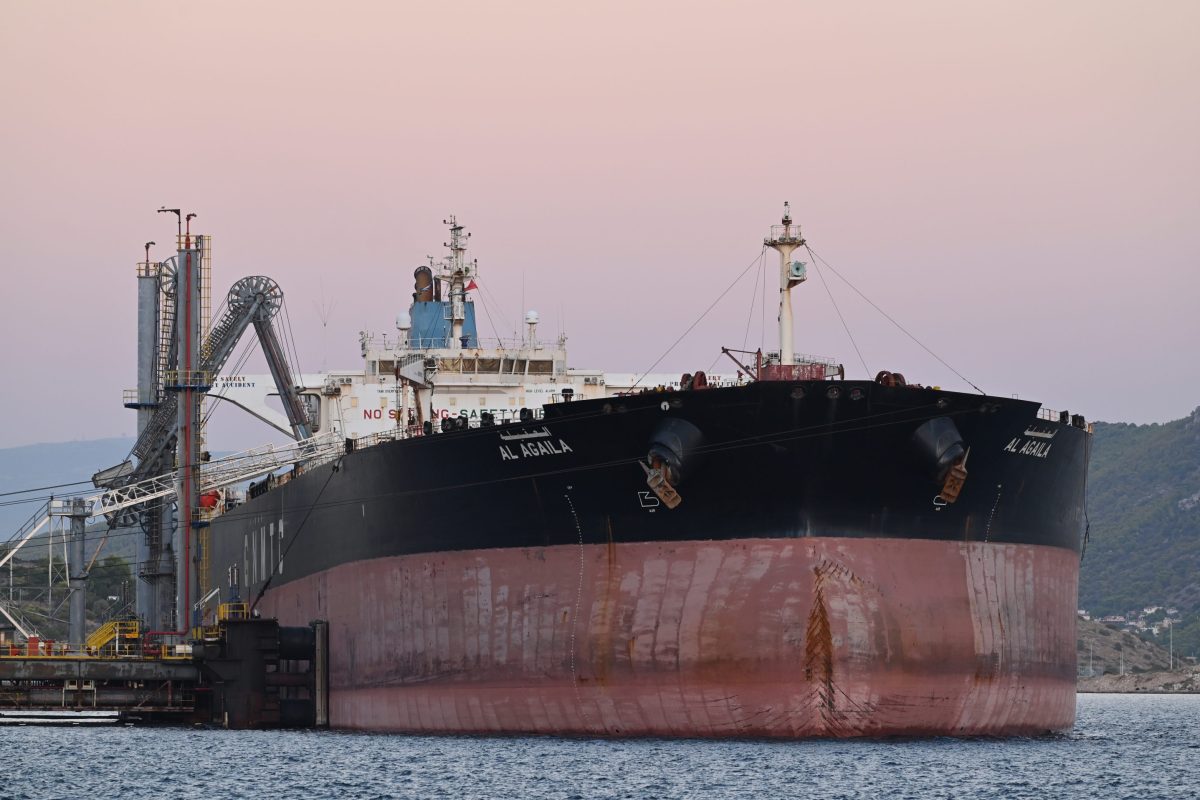
Inflation is hot due to oil prices surging from the supply shock in the Middle East. Energy prices are the major driver of the current 3.4% inflation rate—gasoline alone accounts for over one-third of the entire inflation rate, according to the Bureau of Labor Statistics. To shield the rest of the economy from that heat, the Fed’s only option is to cool overall demand by raising borrowing costs nationwide.
And if the Summary of Economic Projections (SEP) released with this week’s press conference is to be believed, there are more hikes on the way. The dot plot (on which FOMC members plot their future estimates of the base rate) shows the largest cluster of officials expect rates to land between 4.25% and 4.5% in 2027.
Warsh said the discussion about hiking was “sober,” “serious,” and “responsible.” The White House’s reaction was louder, as I wrote earlier this week, but it is consumers and businesses—not D.C.—who ultimately pay for or benefit from the FOMC’s decisions.
You can check out my story here, and my colleague Eva Roytburg’s market reaction take here. –E.P.
Follow Alyson on X, LinkedIn, TikTok, Instagram, and the Titans and Disruptors vodcast.