
|



I recently wrote a 3-part series on Terry Smith.
Smith completely changed the way he invests because he believes the stock market has fundamentally changed.
But Terry Smith isn’t the only investor who noticed this change. David Einhorn saw it, too.
And he came to a very different conclusion about what to do about it.
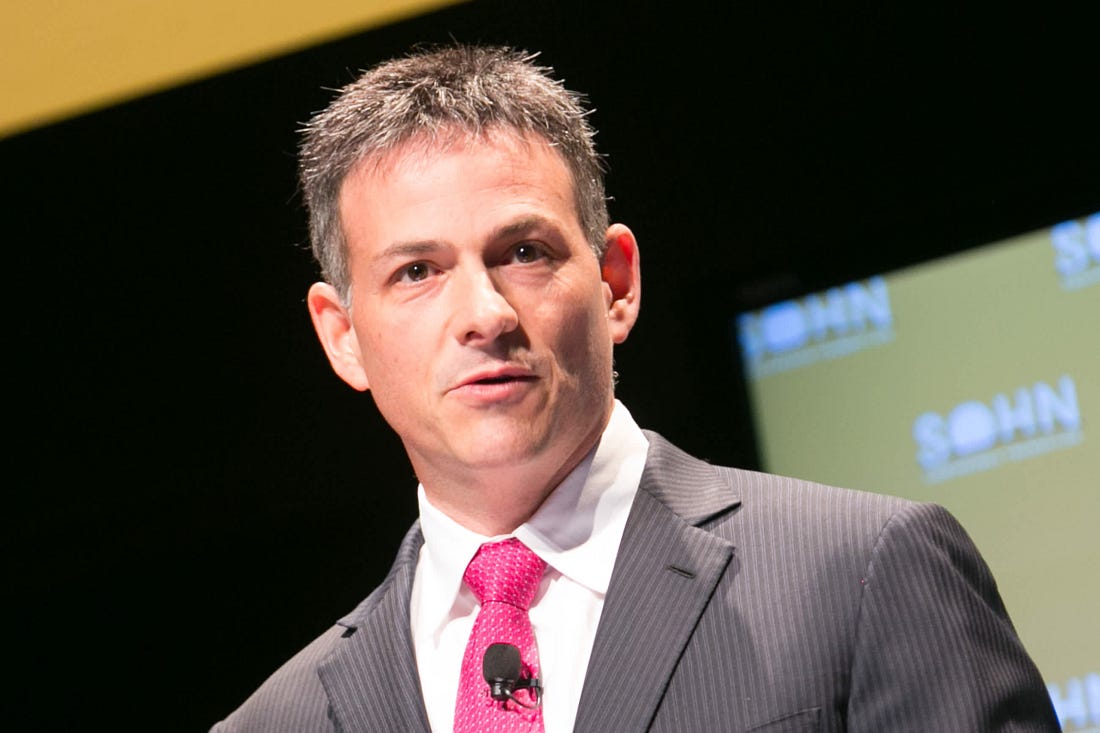 |
Einhorn runs Greenlight Capital, a hedge fund he launched in 1996.
In the first 10 years, he returned an average of 26% per year, well above the market.
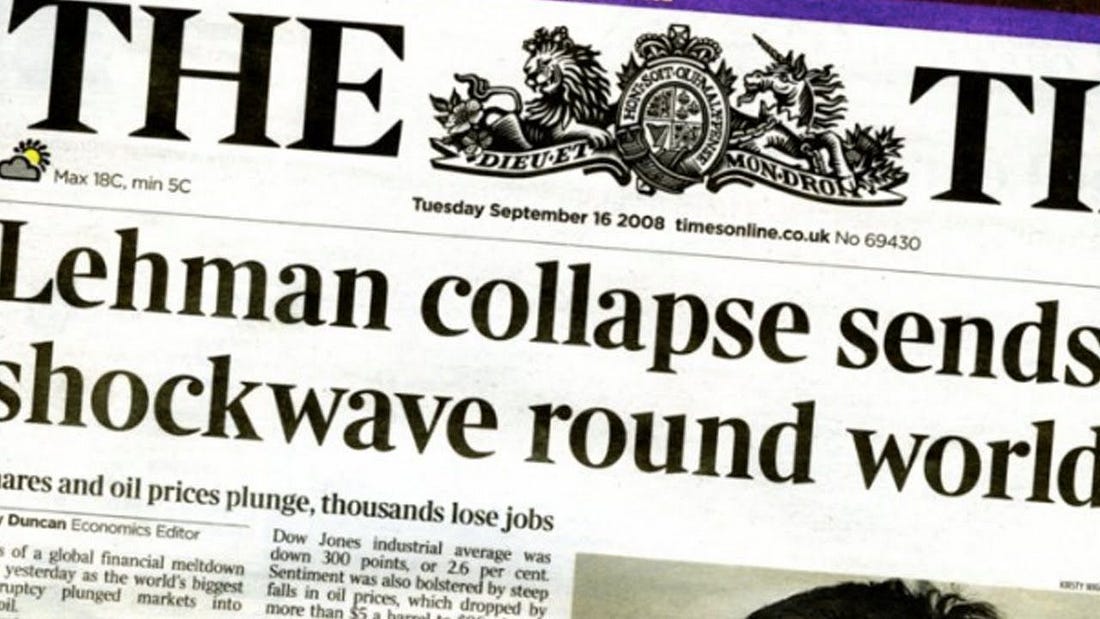
He’s also well known for shorting Lehman Brothers in July of 2007.
Lehman went bankrupt in September of 2008, kicking of the Great Financial Crisis.
 |
But investing is a difficult game, and Einhorn hasn’t always been a winner.
From 2014 to 2018, Greenlight Capital’s assets under management went from $12 billion down to just $5.5 billion.
The fund dropped 11.3% over a three-year stretch, and then wend down another 34% in 2018 alone.
What happened?
Einhorn believed that the market had changed.
In a 2017 letter to his investors, a frustrated Einhorn wrote:
”What if equity value has nothing to do with current or future profits and instead is derived from a company’s ability to be disruptive, to provide social change, or to advance new beneficial technologies, even when doing so results in current and future economic loss?”
He was clearly starting to question his own strategy.
And it’s pretty easy to see why, just look at Tesla.
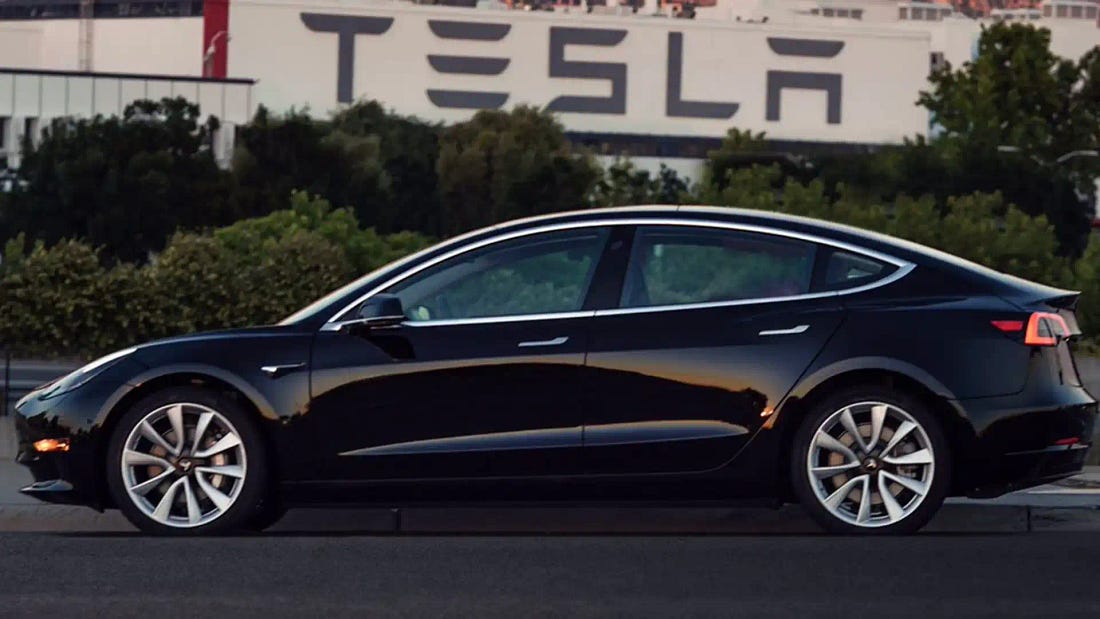 |
In 2017, Tesla was unprofitable.
It was burning through billions of dollars in cash.
By every traditional financial metric, it was a disaster waiting to happen.
So, Einhorn shorted it.
The stock went up 43% that year.
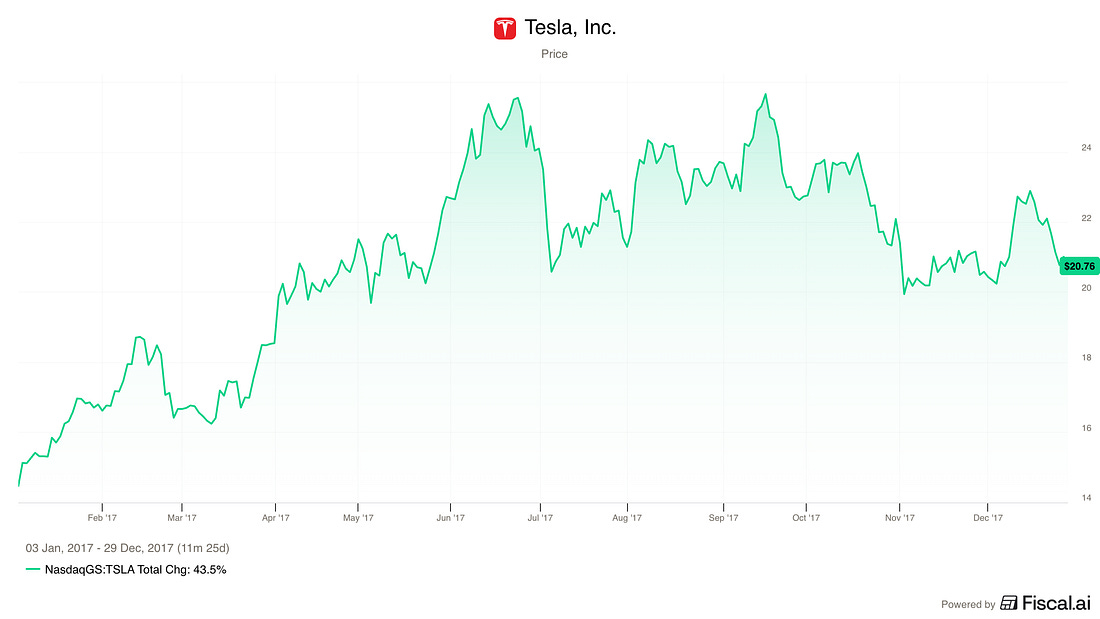 |
We don’t know exactly when Einhorn put the short on, or when he finally covered, but it’s a very safe bet he lost money.
Here is the craziest part: He was absolutely right about the company.
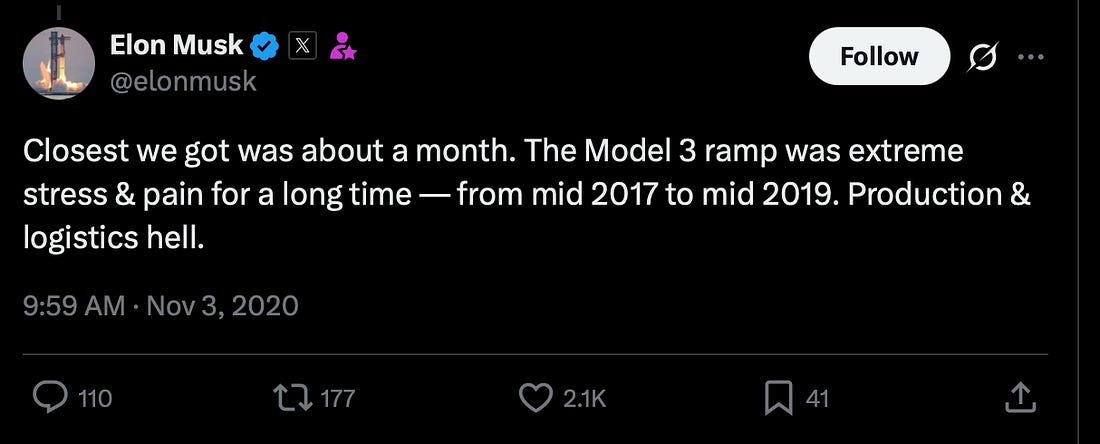
Years later, in 2020, Elon Musk publicly admitted that during the Model 3 production ramp-up, Tesla was about a month away from total bankruptcy.
This was during the period that Einhorn shorted the company.
 |
They were on the edge of collapse.
But the stock market didn’t seem to care.
During that period, Tesla’s stock only fell about 30%, and most of that decline came right at the end.