A bridge is a feat of engineering -- but also a symbol of connection.
I used to go jogging along a trail in Maryland where a rickety-looking one-lane wooden-and-steel bridge crossed over railroad tracks to create a tie between two neighborhoods, a historic Black community called Lyttonsville and a neighboring white community. It was built 100 years ago and according to the local parks department: "provided Black residents access to employment, shopping, and recreational opportunities unavailable in Lyttonsville." Due to its "deteriorating" condition, the bridge, which "represents a historic connection between the segregated communities," was demolished but will be replaced.
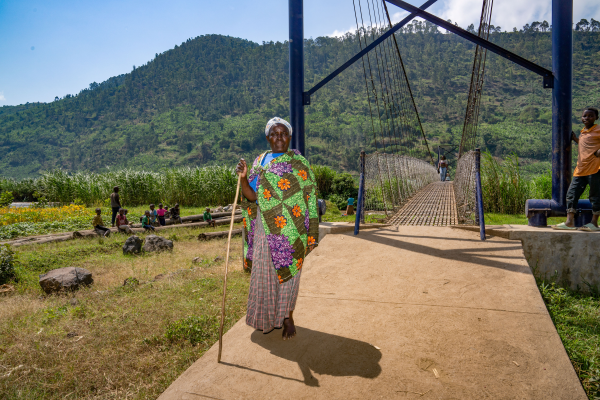
Creating that kind of access is part of the mission of a charity called Fika -- Swahili for "arrive." They build bridges. In the past few years they've constructed 96 bridges made of concrete and cables in remote, hilly parts of Rwanda. A new study shows that these simple pedestrian bridges do exactly what the Lyttonsville bridge did: They bridge a gap but do so much more. Rwandan settlements on opposite sides of a river or gorge may not have a school, a clinic, a bustling market. A bridge that costs about $100,000 opens up new worlds.
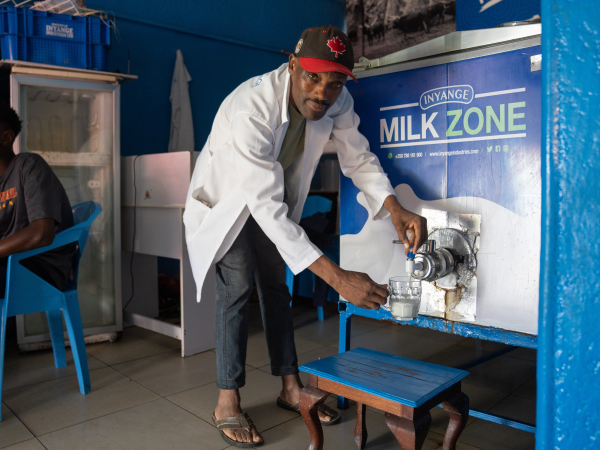
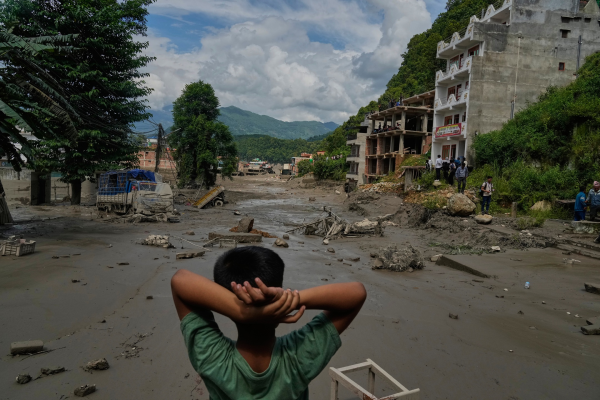
Correspondent Fatma Tanis and photographer Claire Harbage crossed one of those bridges.
You received this message because you're subscribed to Global Health emails. This email was sent by National Public Radio, Inc., 1111 North Capitol Street NE, Washington, DC 20002